









Ultimate Weather Srinagar Guide: Master Your Safety and Planning with Expert Forecasts
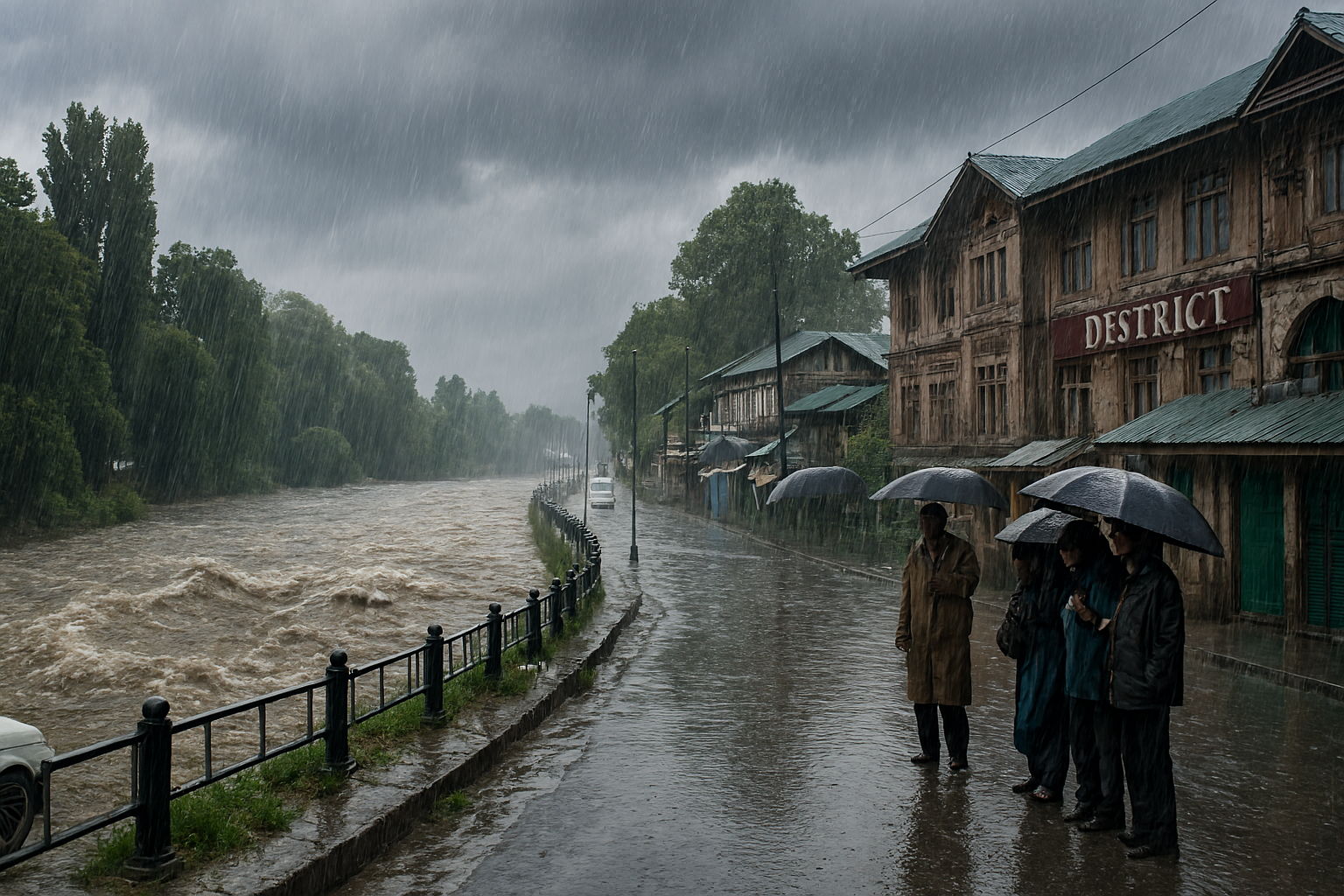
Srinagar is currently experiencing heavy rainfall, leading to rising river levels and flood alerts. This blog provides a complete guide on the latest Srinagar weather updates, forecasts, and safety measures.
Table of Contents
Published: August 27, 2025 | Last Updated: August 27, 2025
Author: Nueplanet
Introduction: Understanding Srinagar’s Current Weather Situation
Srinagar, the summer capital of Jammu and Kashmir, is currently experiencing significant weather challenges that have prompted authorities to issue emergency alerts across multiple districts. Located in the Kashmir Valley at an elevation of approximately 1,585 meters above sea level, the city is known for its temperate climate and scenic beauty. However, recent meteorological developments have created conditions requiring immediate attention from residents and visitors alike.
The India Meteorological Department (IMD) and local authorities have been monitoring unprecedented rainfall patterns affecting the region. These weather events have led to rising water levels in major rivers, localized flooding in low-lying areas, and landslide warnings in hilly districts. Understanding the current situation, forecast trends, and appropriate safety measures has become essential for anyone in or planning to visit the Kashmir Valley.
This comprehensive report provides verified information about Srinagar’s weather conditions, emergency protocols, and safety recommendations based on official sources and meteorological data. The information presented aims to help residents and travelers make informed decisions during this challenging weather period.
Current Meteorological Conditions in Srinagar
Weather Parameters as of August 27, 2025
According to the India Meteorological Department, Srinagar is experiencing moderate to heavy rainfall with specific meteorological parameters indicating ongoing weather activity. The current temperature stands at 21°C (69.8°F), representing moderate conditions typical of late August in the Kashmir Valley. Relative humidity has reached 85%, indicating high moisture content in the atmosphere and suggesting continued precipitation potential.
Wind patterns show light breezes from the northwest direction, which typically bring moisture-laden air from the upper Himalayan regions. The atmospheric pressure reading of 1013 millibars shows a falling trend, often associated with approaching weather systems. Cloud coverage has reached approximately 95%, creating dense overcast conditions that limit solar radiation and visibility across the valley.
The UV index currently registers at 1 (Low), making outdoor activities relatively safe from sun exposure when weather conditions permit. However, visibility has been reduced to 2-3 kilometers due to heavy precipitation and atmospheric moisture. These conditions create challenges for transportation and outdoor activities throughout the city and surrounding districts.
Daily Temperature Range and Comfort Levels
Temperature fluctuations throughout the day show relatively stable patterns. The daily high of 21°C typically occurs during mid-afternoon hours, while the daily low of 16°C (60.8°F) is expected during early morning hours. This temperature range reflects cooler conditions influenced by cloud cover and persistent rainfall, preventing typical daytime warming that would occur under clear skies.
The minimal temperature variation indicates atmospheric stability despite active precipitation. These moderate temperatures provide comfortable conditions for indoor activities but require appropriate rain gear and waterproof clothing for anyone needing to venture outdoors. The combination of cool temperatures and high humidity creates conditions where proper clothing becomes essential for maintaining comfort and preventing health issues.
Solar and Atmospheric Information
Sunrise occurred at 6:00 AM local time, though thick cloud cover significantly reduced dawn visibility across the valley. Sunset is scheduled for 7:03 PM, providing approximately 13 hours and 3 minutes of daylight. However, actual usable daylight remains limited due to dense cloud coverage and ongoing precipitation.
The moon phase shows a waxing crescent with 23% illumination, though lunar visibility remains minimal due to atmospheric conditions. These astronomical factors, while not directly impacting weather, provide context for understanding daily rhythms and planning activities around available light conditions during this challenging weather period.
Recent Weather Events and Their Impact
Unprecedented Rainfall Patterns Across Kashmir Valley
The Kashmir Valley has experienced rainfall intensities that exceed historical averages for this time of year. Meteorological data indicates that precipitation rates have surpassed previous records, creating conditions that have overwhelmed natural drainage systems in several areas. These intense rainfall events represent a significant departure from typical late-summer weather patterns observed in the region.
Continuous monitoring by the IMD shows that the current weather system has remained stationary over the valley for an extended period. This persistence has allowed rainfall totals to accumulate substantially, saturating soil conditions and increasing runoff into rivers and streams. The combination of intensity and duration has created the current emergency situation requiring coordinated response from multiple government agencies.
Comparing current conditions to historical data reveals that similar events have occurred previously in Kashmir’s history, but the frequency and intensity of such events appear to be increasing. Meteorological experts note that these patterns may reflect broader climate variability affecting the Himalayan region, though specific attribution requires comprehensive scientific analysis over longer time periods.
Sheshnag Nallah Water Level Crisis
The Sheshnag Nallah in the Pahalgam region has experienced water levels that exceed previous maximum recordings. This mountain stream, which originates from glacial sources in the upper reaches of the Himalayas, has swollen due to sustained rainfall combined with possible glacial melt contributions. Local authorities have confirmed that water levels breached previous high-water marks, creating emergency conditions downstream.
The rising water has affected multiple areas including residential settlements, agricultural lands, and infrastructure components such as bridges and roads. Emergency response teams have been deployed to monitor conditions and assist affected populations. The situation at Sheshnag Nallah serves as an indicator of broader hydrological stress affecting tributary systems throughout the Kashmir Valley.
Historical records show that Sheshnag Nallah has experienced flooding events in past decades, but current levels represent exceptional circumstances. The impact extends beyond immediate flood damage to include concerns about erosion, infrastructure stability, and long-term landscape changes in the Pahalgam region, which serves as a important tourist destination and agricultural area.
Jhelum River Monitoring and Flood Warnings
The Jhelum River, Kashmir’s primary waterway spanning approximately 725 kilometers from its source to its confluence with the Chenab River, currently shows elevated water levels approaching critical thresholds. Hydrological monitoring stations along the river’s course through Srinagar report sustained increases in discharge rates, reflecting accumulated runoff from the entire Kashmir Valley watershed.
The Jhelum River holds historical and economic significance for the region, serving as a transportation route, irrigation source, and cultural landmark. Rising water levels affect not only flood risk but also impact the famous houseboats of Dal Lake, which connects to the Jhelum system, and the historic wooden bridges that span the river at various points throughout the city.
Flood management infrastructure including embankments, retention areas, and drainage channels face stress under current conditions. The State Disaster Response Force and local administration have implemented monitoring protocols at critical points along the river’s course. These measures aim to provide early warning for potential flooding and enable timely evacuation if water levels breach designated flood stage markers.
Landslide Warnings in Hill Districts
Districts including Anantnag, Kulgam, and Shopian have received landslide alerts from the Geological Survey of India and state disaster management authorities. These hilly regions, characterized by steep terrain and varied geological composition, become particularly vulnerable during periods of sustained rainfall when soil saturation reduces slope stability.
Landslides represent a significant hazard in mountainous terrain, capable of blocking roads, damaging infrastructure, and threatening lives. The combination of geological factors, including weathered rock formations and steep gradients, with meteorological conditions creates elevated risk levels. Authorities have identified specific areas based on historical landslide occurrence, current soil moisture levels, and slope analysis.
Emergency protocols in affected districts include road closures on vulnerable routes, establishment of monitoring teams at high-risk locations, and preparation of evacuation plans for settlements in potential slide paths. Heavy equipment has been pre-positioned to enable rapid response for debris clearance and rescue operations. These preventive measures reflect lessons learned from previous landslide events in the region.
Impact Assessment on Communities and Infrastructure
Urban Flooding and Waterlogging in Srinagar City
Srinagar’s urban areas face challenges from waterlogging in low-lying neighborhoods where drainage infrastructure struggles with current rainfall volumes. The city’s drainage system, which combines traditional water channels with modern storm water infrastructure, has reached capacity in several areas. This situation affects residential neighborhoods, commercial districts, and transportation corridors throughout the urban area.
Low-lying areas experience the most severe impacts, with water accumulation affecting ground floors of buildings, underground parking facilities, and basement spaces. Power distribution networks face stress from water ingress, leading to temporary outages in affected areas as safety protocols require disconnection of compromised electrical systems. Municipal authorities have deployed pumping equipment to remove standing water from critical locations.
The impact extends to essential services including healthcare facilities, educational institutions, and emergency services infrastructure. Hospitals and clinics have implemented contingency protocols to maintain operations during challenging conditions. Schools and universities have adjusted schedules based on local conditions and accessibility. Emergency services maintain operational readiness while adapting to transportation challenges created by flooding.
Transportation Network Disruptions
Road networks throughout the Kashmir Valley face multiple disruption points due to flooding, landslides, and infrastructure damage. National highways connecting Srinagar to other regions have experienced temporary closures at vulnerable sections, particularly in areas passing through hilly terrain or river crossings. State and local roads show varying degrees of impact based on elevation, drainage characteristics, and proximity to waterways.
The Srinagar Airport has experienced some flight delays and schedule adjustments due to weather conditions affecting visibility and flight operations. Airlines have implemented flexible rebooking policies for passengers affected by weather-related disruptions. Rail services on routes serving the Kashmir Valley have faced schedule modifications where track sections pass through flood-prone or landslide-vulnerable areas.
Public transportation within Srinagar continues operating on most routes, though some areas remain inaccessible due to water levels or road conditions. Authorities have prioritized maintaining access to essential services including hospitals, supply distribution points, and emergency facilities. Private vehicle use faces challenges from road conditions, reduced visibility, and parking limitations in flooded areas.
Agricultural and Economic Impacts
Kashmir’s agricultural sector, which contributes significantly to the regional economy, faces substantial challenges from current weather conditions. Rice cultivation, a primary food crop in the valley, is in a critical growing stage vulnerable to flooding damage. Prolonged submersion can cause significant crop losses and affect food security for the upcoming season.
The region’s famous apple orchards, which produce varieties renowned nationally and internationally, experience stress from excessive moisture. High humidity and wet conditions increase disease pressure, particularly fungal infections that can damage fruit quality and reduce marketable yields. Orchard management becomes difficult during wet periods, limiting ability to implement necessary agricultural practices.
Saffron cultivation in areas around Pampore faces particular challenges, as this valuable spice crop requires specific moisture conditions and is sensitive to waterlogging. Livestock management also becomes more difficult as farmers work to protect animals and maintain feed supplies during wet conditions. The cumulative economic impact extends beyond immediate crop damage to include delayed planting for subsequent seasons and increased production costs.
Tourism Industry Adjustments
Tourism, a vital component of Kashmir’s economy, has required significant adjustments during current weather conditions. Hotels, houseboats, and other accommodation facilities have implemented enhanced safety protocols while maintaining operations. Many establishments have worked to reassure guests while providing accurate information about local conditions and any necessary modifications to planned activities.
Adventure tourism activities including trekking, mountaineering, and water sports have been temporarily suspended in affected areas. Tour operators have adjusted itineraries to focus on indoor cultural experiences, museums, and covered attractions. Travel agencies are working with visitors to modify plans based on current conditions and official advisories while maintaining the region’s reputation for hospitality.
The long-term impact on tourism depends on how quickly conditions return to normal and the effectiveness of communication about the region’s recovery. Historical patterns suggest that Kashmir’s tourism sector demonstrates resilience following weather events, with visitor numbers typically recovering as conditions improve and positive word spreads about renewed accessibility and safety.
Seven-Day Weather Forecast Analysis
August 28, 2025: Transition Toward Improvement
Meteorological models indicate a shift in weather patterns beginning August 28, with reduced rainfall and increasing breaks in cloud cover. Expected conditions show hazy sunshine breaking through morning clouds as the current weather system begins moving away from the region. Temperature forecasts predict a high of 30°C with a low of 16°C, representing warming as solar radiation increases with reduced cloud coverage.
Humidity levels are expected to decrease to approximately 65%, indicating drier atmospheric conditions compared to current readings. Wind patterns should shift to moderate breezes that help clear residual atmospheric moisture. Precipitation probability drops to 10%, suggesting only scattered light showers possible during the day. These conditions would provide opportunity for assessment of flood damage and initiation of cleanup activities.
The improvement on August 28 represents a transitional day rather than complete resolution of weather challenges. Residents should remain attentive to conditions as weather systems can be unpredictable. However, the forecast suggests meaningful progress toward more typical late-summer conditions for the Kashmir Valley.
August 29, 2025: Clear Conditions Expected
Forecasts for August 29 show mostly sunny conditions with clear blue skies becoming predominant across the valley. Temperature predictions indicate a high of 31°C with a low of 16°C, representing seasonal norms for late August in Srinagar. The UV index is expected to rise to 7 (High), requiring sun protection measures for outdoor activities after several days of low UV exposure.
Wind conditions should remain light and variable, with precipitation chances falling below 5%. These favorable conditions would support outdoor activities, tourism operations, and continuation of recovery efforts from recent flooding. The substantial improvement from current conditions reflects the typical variability of Kashmir’s weather patterns during the late summer period.
Clear conditions also enable better assessment of infrastructure damage and facilitate repair work on affected roads, bridges, and utilities. Agricultural activities could resume where field conditions permit, allowing farmers to address crop management needs delayed by wet weather. The forecast for August 29 provides optimism for return to more normal conditions across the region.
August 30-31, 2025: Mixed Weather Returns
Weather models indicate return of variable conditions beginning August 30, with sun and clouds creating dynamic atmospheric patterns. Temperature forecasts show highs around 31°C on August 30, decreasing to 28°C by August 31. Shower probability increases to 40% on August 30 and rises to 70% by August 31, suggesting possibility of thunderstorm development.
The forecast for August 31 specifically indicates potential for storm activity with associated strong winds and heavy rainfall in some areas. This pattern reflects typical monsoon variability where improvement periods alternate with renewed active weather. Residents should monitor updates closely during this period and be prepared for rapidly changing conditions.
The mixed forecast underscores the importance of maintaining preparedness measures even as conditions improve. Emergency supplies should remain accessible, and awareness of evacuation routes and shelter locations should continue. The period from August 30-31 demonstrates the transitional nature of weather during this season in the Kashmir Valley.
September 1-2, 2025: Continued Monitoring Period
Early September forecasts show partly cloudy to cloudy conditions with scattered shower activity. Temperature predictions indicate highs between 28-30°C with lows of 16-19°C. Precipitation probabilities range from 35-45%, suggesting intermittent shower activity rather than sustained heavy rainfall.
These conditions represent more typical late-summer weather for Srinagar, where afternoon showers occur periodically but clear periods allow for normal activities. Humidity levels are forecast between 60-70%, comfortable ranges for the region. Wind patterns should remain light to moderate from variable directions.
The extended forecast suggests that while intense rainfall may subside, complete stabilization may take several days. This period requires continued vigilance and flexible planning as weather conditions could change with relatively short notice based on atmospheric developments across the broader Himalayan region.
Emergency Safety Protocols and Preparedness Measures
Flood Safety Guidelines for Residents
The State Disaster Management Authority recommends specific actions for residents in flood-prone areas. First priority involves identifying safe evacuation routes from current location to higher ground or designated emergency shelters. Families should establish communication plans including designated contact persons outside the affected area who can coordinate information if local communication becomes disrupted.
Emergency supply kits should contain essential items for 72-hour self-sufficiency. Critical supplies include potable water (minimum one gallon per person per day), non-perishable food items, first aid supplies, necessary prescription medications, flashlights with extra batteries, battery-powered or hand-crank radio, important documents in waterproof containers, and adequate clothing for changing weather conditions.
Property protection measures include moving valuable items to upper floors or elevated storage areas, disconnecting electrical appliances in vulnerable areas, and parking vehicles on higher ground away from potential flood paths. However, personal safety must always take priority over property protection. If evacuation orders are issued, residents should comply immediately without attempting to secure additional property.
Landslide Risk Management in Hill Areas
Residents in hilly districts should be alert to warning signs of potential landslides. These include changes in landscape appearance such as new cracks in ground or pavement, unusual water seepage or springs, tilting trees or fences, and sounds indicating moving earth or debris. If any warning signs appear, immediate evacuation to safe areas away from the slope is essential.
Homes and structures on slopes require specific attention during heavy rainfall periods. Drainage systems around buildings should be checked to ensure water flows away from foundations. Loose soil or rocks on slopes above structures present particular hazards requiring monitoring. Authorities have identified high-risk zones where preventive evacuation may be necessary during intense weather periods.
Communication with local disaster management officials provides updates on conditions and any necessary actions. Communities in vulnerable areas often establish neighborhood watch systems where residents monitor conditions and share information. These local networks supplement official monitoring systems and provide ground-level awareness of developing situations.
Emergency Communication and Information Sources
Official information sources provide verified updates about weather conditions and emergency situations. The India Meteorological Department website and mobile applications offer real-time weather data and forecasts. The Jammu & Kashmir State Disaster Management Authority publishes emergency alerts and safety information through multiple channels including websites, mobile apps, and SMS notification systems.
District administration offices maintain 24/7 emergency operations centers during crisis periods. These centers coordinate response activities and serve as information hubs for affected populations. Emergency contact numbers should be stored in mobile phones and written down in case electronic devices become unavailable. Key contacts include police emergency numbers (100), fire services (101), medical emergency (102), and disaster management helplines specific to each district.
Social media channels operated by official government accounts provide updates, though information should be verified through multiple sources. During emergencies, misinformation can spread rapidly, making it essential to rely on verified official sources rather than unconfirmed reports. News organizations with established credibility also provide useful coverage while maintaining journalistic standards for accuracy.
Travel Safety and Restrictions
Current conditions make travel in flood-affected and landslide-prone areas inadvisable unless absolutely necessary. Travelers should consult official advisories before undertaking journeys within the Kashmir Valley. Areas specifically flagged as high-risk should be avoided entirely until authorities declare conditions safe for access.
Essential travel requires extensive preparation including detailed route planning with alternative options, emergency supplies and equipment appropriate for weather conditions, communication devices with backup power sources, and continuous monitoring of weather and road condition updates. Travelers should inform others of their planned routes and expected arrival times, establishing check-in protocols.
Vehicle preparation for travel in wet conditions includes checking tire condition and tread depth, ensuring all lights function properly for reduced visibility conditions, maintaining adequate fuel levels, and carrying emergency equipment including flashlights, basic tools, blankets, and warning devices. Drivers should reduce speed significantly in wet conditions and avoid attempting to cross flooded roads where water depth and current strength may be uncertain.
Government Response and Administrative Coordination
Alert Classification System Explained
The Jammu & Kashmir administration implements a color-coded alert system to communicate risk levels and required responses. Red Alert represents the highest classification, indicating extremely dangerous conditions where significant impacts are expected or already occurring. Districts under Red Alert receive maximum resource allocation and may require population evacuations from high-risk areas.
Orange Alert indicates potentially dangerous conditions where residents should prepare for possible emergency situations. This classification requires heightened vigilance and completion of preparedness measures while continuing to monitor updates. Yellow Alert serves as advance warning that conditions may deteriorate, prompting initial preparedness activities and increased awareness.
Currently, multiple districts including Srinagar and Anantnag operate under Red Alert for flooding and landslide risks. Other districts maintain Orange Alert status based on assessed risk levels. These classifications are updated regularly based on evolving conditions and new meteorological information. Understanding the alert system helps residents interpret official communications and take appropriate actions.
Emergency Response Operations
State disaster response infrastructure includes specialized teams equipped for flood rescue, medical emergency response, and search and rescue operations in challenging terrain. These teams undergo regular training and maintain equipment readiness for rapid deployment when emergencies occur. Coordination centers operate continuously during emergency periods to direct resources where needed most urgently.
The National Disaster Response Force (NDRF) and State Disaster Response Force (SDRF) maintain presence in Kashmir with pre-positioned teams and equipment. These specialized units bring expertise in water rescue, technical rope rescue for mountain environments, and medical emergency care. Local fire departments, police forces, and civil defense organizations supplement these specialized teams with additional personnel and local knowledge.
Emergency shelter facilities have been identified and prepared throughout affected districts. These locations provide temporary accommodation for evacuated populations, offering basic necessities including sleeping areas, food distribution, medical screening, and information services. Shelter management follows established protocols ensuring safety, sanitation, and organization during occupancy periods.
Community Support Systems
Effective emergency response requires collaboration between government agencies and community organizations. Local volunteer networks play crucial roles in disseminating information, assisting vulnerable populations such as elderly residents and persons with disabilities, and supporting official emergency operations. Religious and cultural organizations often serve as coordination points for community assistance efforts.
Non-governmental organizations working in disaster response bring additional resources and specialized expertise. These organizations often focus on specific needs such as medical care, child welfare, or mental health support during crisis periods. Their coordination with government authorities ensures efficient use of all available resources without duplication of efforts.
Community resilience building represents an ongoing process rather than emergency-only activity. Regular training programs, preparedness exercises, and information campaigns help populations understand risks and appropriate responses. Investment in community resilience reduces impacts when emergencies occur and accelerates recovery following crisis periods.
Understanding Kashmir’s Climate and Weather Patterns
Geographical and Climatic Context
Kashmir Valley’s unique geography significantly influences its weather patterns. Situated at elevations between 1,600-1,800 meters in the Himalayan mountain system, the valley is surrounded by mountain ranges including the Pir Panjal to the southwest and the main Himalayan range to the northeast. This topographical setting creates microclimatic conditions distinct from surrounding regions.
The climate classification for Srinagar falls within the temperate zone with continental influences modified by mountain surroundings. This creates relatively mild summers with maximum temperatures typically in the 30-32°C range and cold winters where temperatures frequently drop below freezing. Precipitation occurs throughout the year, though patterns show maximum rainfall during spring and early summer months coinciding with monsoon influences.
Monsoon systems originating in the Bay of Bengal and Arabian Sea bring moisture-laden air masses that encounter the Himalayan barrier. As these air masses rise over mountain terrain, cooling occurs and precipitation results. The interaction between monsoon systems and local topography creates the characteristic rainfall patterns observed in the valley. Understanding these fundamental climate drivers helps interpret current weather events within broader meteorological context.
Seasonal Weather Characteristics
Spring (March-May) typically brings warming temperatures and increasing precipitation as monsoon systems begin affecting the region. This season sees gradual melting of winter snowpack in surrounding mountains, contributing to river flows. Rainfall during spring supports agricultural activities and replenishes water resources following winter.
Summer (June-August) represents the warmest period with the most significant rainfall totals for the year. Maximum temperatures reach their annual peak while abundant precipitation supports the region’s lush vegetation. Current weather events occur during this characteristic rainy season, though current intensities exceed typical conditions. August specifically marks the later portion of the monsoon season when systems sometimes intensify before eventual withdrawal.
Autumn (September-November) features declining temperatures and decreasing precipitation as monsoon systems retreat southward. This season often provides ideal weather conditions with clear skies, moderate temperatures, and minimal rainfall – conditions highly favorable for tourism and harvest activities. Winter (December-February) brings cold temperatures, occasional snowfall at lower elevations, and significant snow accumulation in surrounding mountains.
Historical Weather Variations and Trends
Historical meteorological records for Kashmir Valley show considerable year-to-year variability in precipitation patterns and temperature regimes. Some years feature above-average rainfall while others show deficits, reflecting natural climate variability affecting the broader Himalayan region. These variations influence agricultural productivity, water resource availability, and flood risk in different years.
Long-term climate data indicate some trends that may reflect broader global climate patterns. Temperature records suggest modest warming trends over recent decades, consistent with global patterns. Precipitation patterns show increased variability with some evidence of more intense individual rainfall events, though total annual precipitation may not show clear directional trends. These observations align with climate research suggesting that warming may intensify the hydrological cycle.
Historical flood and landslide records document previous emergency events in Kashmir’s past. Major floods occurred in 2014, affecting Srinagar extensively and requiring large-scale emergency response. Earlier floods in 1950, 1959, and 1992 are documented in historical records. These historical events provide context for current conditions and inform emergency preparedness planning based on past experience.
Long-term Climate Considerations and Adaptation
Climate Change Context for Himalayan Region
The Himalayan region faces particular vulnerabilities to climate change impacts due to its sensitive mountain ecosystems and cryosphere components. Scientific research indicates that high-mountain Asia is experiencing warming rates exceeding global averages, with particularly significant impacts on glacial systems, snowpack characteristics, and hydrological patterns.
Changes in glacial mass balance affect long-term water availability as glaciers serve as natural water storage reservoirs. Modifications to snowfall patterns and spring melting timing influence seasonal river flows and water availability for irrigation and other uses. These hydrological changes intersect with weather pattern modifications to create complex impacts requiring comprehensive understanding and adaptive responses.
Attribution of specific weather events to climate change remains scientifically challenging, as individual events occur within natural climate variability. However, research suggests that changing climate conditions may influence the frequency and intensity of extreme weather events, including the types of heavy rainfall episodes currently affecting Kashmir. This context informs long-term planning even while immediate focus remains on current emergency response.
Infrastructure Adaptation Requirements
Current weather events highlight infrastructure vulnerabilities requiring attention in long-term development planning. Urban drainage systems designed for historical rainfall patterns may prove inadequate for changing precipitation characteristics. Upgrading these systems involves significant investment in expanded capacity, improved design standards, and incorporation of modern storm water management approaches.
Building construction standards require evaluation in light of flood risks and changing precipitation patterns. Elevation of critical utilities and electrical systems above potential flood levels, improved waterproofing, and enhanced structural resilience all contribute to reduced vulnerability. These building code improvements affect new construction while retrofit programs can address existing structures in high-risk areas.
Transportation infrastructure including roads, bridges, and railways requires design standards accounting for more extreme weather events. Bridge foundations must withstand higher water flows and potential debris impacts. Road drainage must handle increased runoff volumes. Railway embankments and track structures need resilience to withstand both flooding and slope stability challenges. These infrastructure adaptations involve substantial investment but provide long-term risk reduction.
Community Resilience and Preparedness
Building community resilience extends beyond physical infrastructure to include social systems, emergency preparedness, and adaptive capacity. Public education about weather risks and appropriate responses ensures populations understand hazards and know how to protect themselves. Regular emergency drills and exercises maintain readiness and identify gaps in preparedness systems.
Economic diversification reduces vulnerability by limiting dependence on weather-sensitive sectors. While agriculture and tourism will always remain important to Kashmir’s economy, supporting diverse economic activities provides resilience when weather impacts specific sectors. This economic adaptation occurs over longer time periods through education, investment, and policy support.
Traditional knowledge about weather patterns and risk management, accumulated over centuries of habitation in the Kashmir Valley, provides valuable insights complementing modern scientific approaches. Integration of traditional wisdom with contemporary meteorological science creates comprehensive understanding supporting effective adaptation. Respect for this accumulated knowledge strengthens community resilience and connects current response to historical experience.
Tourism and Economic Recovery Perspectives
Tourism Industry Resilience Strategies
Kashmir’s tourism sector has demonstrated remarkable resilience through various challenges over decades. The current weather situation represents a temporary disruption rather than fundamental impediment to the region’s attractiveness as a destination. Tourism operators are implementing flexible booking policies, enhanced safety protocols, and modified itineraries that work within current conditions while maintaining service quality.
Communication strategies emphasizing transparency about conditions while highlighting ongoing attractions help maintain visitor confidence. Virtual tours and online content showcase Kashmir’s beauty and cultural richness even when physical travel faces temporary constraints. These digital strategies maintain engagement with potential visitors and support future bookings as conditions normalize.
Seasonal adjustment strategies recognize that weather delays during one period may enable extended seasons later as visitors reschedule trips. Coordinated marketing emphasizing Kashmir’s multi-season appeal helps distribute tourism demand across longer periods, reducing pressure on peak seasons and creating more sustainable tourism patterns. These strategies turn short-term challenges into opportunities for industry evolution.
Agricultural Sector Adaptation and Support
Kashmir’s agricultural community faces immediate challenges requiring short-term support alongside longer-term adaptation strategies. Government assistance programs provide crop loss compensation, emergency seed supplies, and technical support for recovery from flood damage. These programs help farmers maintain viability through difficult periods and resume production as conditions permit.
Agricultural extension services provide guidance on practices adapted to changing climate conditions. This includes crop variety selection, water management techniques, and pest and disease management approaches suited to modified weather patterns. Farmer training programs disseminate these practices and build capacity for continued adaptation.
Market support mechanisms help maintain farm income during periods of reduced production or quality challenges. Price supports, procurement programs, and direct market access initiatives reduce farmers’ vulnerability to weather-related income fluctuations. These economic mechanisms complement technical adaptation strategies in maintaining agricultural sector resilience.
Broader Economic Impacts and Recovery
The economic impacts of current weather conditions extend beyond directly affected sectors to include transportation, commerce, and services throughout the regional economy. Supply chain disruptions affect business operations even in sectors not directly impacted by flooding. However, recovery efforts themselves create economic activity through reconstruction, repair work, and infrastructure improvements.
Insurance mechanisms provide financial recovery support for affected businesses and properties. Expanding insurance coverage and improving claims processing efficiency helps spread risk and accelerate recovery following weather events. Public-private partnerships in risk management create comprehensive approaches benefiting multiple stakeholders.
Economic planning incorporating climate risk assessment helps businesses and government agencies anticipate challenges and build appropriate resilience. This forward-looking approach moves beyond reactive emergency response to proactive preparation that reduces impacts when weather events occur. Investment in resilience ultimately proves more cost-effective than repeated disaster recovery without preventive measures.
Advanced Weather Monitoring and Forecasting
Technology Infrastructure for Weather Prediction
Modern weather forecasting relies on comprehensive observation networks collecting data across multiple atmospheric parameters. For Kashmir Valley, this includes automatic weather stations distributed throughout the region measuring temperature, humidity, pressure, wind, and precipitation. These ground-based observations provide real-time data essential for monitoring current conditions and validating forecast models.
Doppler weather radar systems track precipitation intensity and movement, providing critical information about storm systems affecting the region. Radar imagery shows rainfall distribution spatially and temporally, enabling forecasters to predict which areas will experience heaviest precipitation. Integration of multiple radar sites provides coverage across the Kashmir Valley and surrounding mountain regions.
Satellite observations from geostationary and polar-orbiting satellites provide broad-scale weather system monitoring. These space-based platforms image cloud patterns, measure atmospheric moisture, and track large-scale weather system movements. Satellite data complements ground-based observations, particularly for remote mountain areas where surface observation stations are sparse. Advanced satellites now include capabilities for measuring precipitation from space, adding valuable data for flood forecasting.
Numerical Weather Prediction Models
Weather forecasting increasingly relies on sophisticated computer models simulating atmospheric processes. These numerical weather prediction (NWP) models solve complex mathematical equations representing atmospheric physics and dynamics. Model outputs provide forecasts for temperature, precipitation, wind, and other parameters at specific locations and times.
Multiple modeling systems operate globally, each with different characteristics and strengths. Meteorologists typically consult several models to understand forecast uncertainty and identify consistent predictions across different modeling approaches. For Kashmir Valley, both global models and regional high-resolution models provide forecast guidance, with regional models offering better representation of local topographic influences.
Forecast accuracy varies with prediction timeframe. Short-term forecasts (24-48 hours) typically achieve high accuracy, with skill decreasing for longer prediction periods. Medium-range forecasts (3-7 days) provide useful guidance though with increased uncertainty. Seasonal forecasts indicate broad trends but cannot predict specific daily weather. Understanding forecast limitations helps appropriate use of predictions for planning and decision-making.
Integration with Emergency Management Systems
Effective emergency response requires integration of weather forecasts with impact assessment and decision support systems. This involves translating meteorological predictions into expected impacts on specific infrastructure, populations, and economic activities. Impact-based forecasting moves beyond describing what weather will occur to predicting what effects that weather will produce.
Early warning systems combine weather forecasts with vulnerability mapping to identify areas and populations at highest risk from predicted conditions. These systems can trigger automatic alerts when forecast conditions exceed predetermined thresholds. Integration with communication networks enables rapid dissemination of warnings to affected populations through multiple channels including SMS, mobile apps, sirens, and broadcast media.
Decision support tools help emergency managers allocate resources, plan evacuations, and coordinate response activities based on forecast information. These systems incorporate standard operating procedures, resource inventories, and real-time situation awareness to support effective decision-making under time pressure. Continuous improvement of these systems based on lessons learned from each event enhances future emergency response effectiveness.
Health and Safety Considerations
Public Health Risks During Flooding
Flooding creates multiple public health concerns requiring attention during and after water events. Waterborne diseases can spread through contamination of drinking water supplies with flood water carrying sewage and other pollutants. Proper water treatment and testing becomes essential during flood periods. Residents should use only properly treated water for drinking and food preparation, relying on bottled water if municipal supplies are compromised.
Vector-borne diseases may increase following flooding as standing water creates breeding sites for mosquitoes and other disease vectors. Public health authorities typically implement vector control programs in affected areas. Residents can reduce risk through personal protective measures including insect repellent, protective clothing, and elimination of standing water around homes when safe to do so.
Injuries during flooding events often result from falls, contact with flood debris, or contact with contaminated water. Flood waters can conceal hazards including open manholes, debris, or uneven surfaces. Wading through flood water should be avoided when possible, and appropriate protective footwear should be worn if water contact is necessary. Any injuries, particularly puncture wounds or lacerations from contaminated water, require medical attention.
Mental Health and Psychological Support
Weather emergencies create psychological stress affecting mental health and emotional wellbeing. Anxiety about safety, property damage, economic impacts, and uncertainty about the future represents normal responses to crisis situations. However, these feelings can become overwhelming for some individuals, particularly those with pre-existing mental health conditions or previous trauma exposure.
Support systems during emergencies should include mental health resources alongside physical safety and material needs. This includes crisis counseling services, peer support groups, and access to mental health professionals for those requiring more intensive support. Community gathering spaces and social connections help reduce isolation and provide mutual support during challenging periods.
Children and elderly populations may be particularly vulnerable to psychological impacts from emergencies. Age-appropriate communication about situations, maintaining routines where possible, and ensuring adequate emotional support helps these vulnerable groups cope with stress. Long-term mental health impacts can persist after immediate crisis periods end, requiring continued attention during recovery phases.
Sanitation and Hygiene During Emergencies
Maintaining adequate sanitation becomes challenging during flooding when water and sewage systems may be compromised. Proper waste disposal remains essential for preventing disease spread and maintaining public health. Authorities provide guidance on emergency sanitation practices when normal facilities are unavailable or unsafe to use.
Personal hygiene practices including handwashing with soap remain critical during emergencies, though adequate clean water may be limited. Hand sanitizer provides alternative when soap and water are unavailable. Food safety requires particular attention, with proper food storage and preparation practices essential to prevent foodborne illness during periods when refrigeration may be disrupted.
Public health messaging during emergencies emphasizes these preventive practices and provides guidance on specific situations encountered during flooding events. Following official public health guidance helps individuals protect themselves and their families while reducing burden on healthcare systems managing emergency situations.
Practical Guidance for Residents and Visitors
Daily Activity Planning During
Practical Guidance for Residents and Visitors
Daily Activity Planning During Weather Events
Planning daily activities during current weather conditions requires flexibility and attention to real-time information. Morning weather checks should include review of official forecasts, current conditions, and any updated emergency alerts. This information forms the basis for deciding which activities can proceed safely and which should be postponed.
Indoor activities become preferred options during intense rainfall periods. Cultural attractions including museums, art galleries, and heritage buildings with covered access provide alternatives to outdoor plans. Educational activities, indoor shopping, and dining experiences offer engagement while avoiding weather exposure. Many local businesses have adapted operations to serve visitors and residents during challenging weather conditions.
For necessary outdoor activities, timing becomes crucial. Brief clear periods between rainfall episodes may provide windows for essential errands or outdoor needs. However, these windows can close rapidly as conditions change, requiring constant awareness and readiness to return indoors quickly. Outdoor activities should never proceed if emergency alerts or safety warnings are in effect for the area.
Property Protection Measures for Homeowners
Homeowners in affected areas can implement various measures to protect property during flooding events. Elevating valuable items above potential flood levels prevents water damage to important belongings. This includes moving furniture, electronics, important documents, and sentimental items to upper floors or elevated storage.
Exterior property protection includes clearing drainage channels around homes to facilitate water flow away from structures. Gutters and downspouts should direct water away from foundations. Temporary barriers such as sandbags can redirect water flow if flooding approaches, though these should only be deployed if time and safety permit.
Documentation of property and belongings through photographs provides important records for insurance claims if damage occurs. This documentation should be stored securely in waterproof containers or digital cloud storage accessible from multiple locations. Understanding insurance coverage specifics before emergency events occur enables more effective claims processing afterward.
Guidance for Visitors and Tourists
Tourists currently in Kashmir should maintain close contact with their accommodation providers, who typically have local knowledge and connections to official information sources. Hotel staff can provide guidance on safe activities, areas to avoid, and appropriate modifications to planned itineraries. Most established tourism businesses prioritize guest safety and work to ensure positive experiences despite weather challenges.
Travel insurance becomes particularly valuable during weather events, potentially covering costs of itinerary changes, extended stays if transportation is disrupted, or other weather-related expenses. Visitors should understand their policy coverage and contact procedures for filing claims. Many insurance providers offer 24/7 emergency assistance numbers for travelers facing unexpected situations.
Cultural sensitivity remains important during emergency situations. Local communities face serious challenges during weather events, and visitors should be respectful of these circumstances. Cooperation with local authorities, patience with service disruptions, and understanding of modifications to normal operations demonstrate appropriate visitor behavior during difficult periods.
Vehicle Safety and Transportation Preparedness
Vehicle operation during wet weather requires specific precautions beyond normal driving practices. Reduced speed appropriate for conditions prevents hydroplaning on wet road surfaces and provides adequate stopping distance. Headlights should remain on for visibility even during daylight hours with heavy rain. Avoiding sudden braking or steering maneuvers prevents loss of control on slick surfaces.
Flood water on roadways presents serious dangers that many drivers underestimate. As little as six inches of water can cause loss of vehicle control, while 12 inches can float most vehicles. Water depth is often impossible to judge accurately, and road surfaces beneath water may be damaged or washed away entirely. The standard safety guidance remains clear: never attempt to drive through flooded areas.
Vehicle emergency kits should include items specific to weather challenges: flashlight with extra batteries, blankets for warmth if stranded, first aid supplies, bottled water and non-perishable snacks, phone charger and backup power bank, basic tools, and reflective warning devices. Having these items available provides resources if vehicle problems occur during travel in adverse conditions.
Environmental and Ecological Considerations
Impact on Kashmir Valley’s Ecosystems
The Kashmir Valley’s diverse ecosystems face both immediate and longer-term impacts from current weather events. Wetland systems including portions of Dal Lake and other water bodies experience altered water chemistry and sediment loads from runoff. These changes can affect aquatic plant and animal communities, though many of these systems demonstrate resilience to natural flooding cycles.
Forest ecosystems in surrounding mountains face stresses from saturated soil conditions and potential landslides. Tree root systems may be exposed or damaged where soil erosion occurs. However, intact forest systems also provide critical ecosystem services including slope stabilization and water regulation that reduce flood impacts. Maintaining forest health supports both environmental and human safety objectives.
Agricultural landscapes represent modified ecosystems where human management intersects with natural processes. Flood impacts on these areas create short-term disruptions but may also deposit nutrient-rich sediments that benefit future productivity. Traditional agricultural systems in Kashmir have evolved practices that work with natural flood cycles while minimizing damage through strategic land use patterns and crop selection.
Wildlife and Habitat Concerns
Wildlife populations inhabiting the Kashmir Valley face displacement and stress during flooding events. Terrestrial species must relocate to higher ground, potentially creating temporary concentrations in unflooded areas. Aquatic species in rivers and streams experience altered habitat conditions from increased water flows and changed water quality parameters.
Bird populations, including migratory species that use Kashmir Valley wetlands, face modified habitat conditions. Some species may benefit from increased water availability while others prefer drier conditions. Long-term population impacts depend on duration of altered conditions and availability of alternative habitat. Wildlife management agencies monitor conditions and provide assistance when possible for species of conservation concern.
Human-wildlife interactions may increase when animals displaced from flooded habitats move into proximity with human settlements. Residents should exercise caution around displaced wildlife and report any concerning animal behavior to wildlife authorities. Most wildlife seeks to avoid human contact, but stressed or displaced animals may behave unpredictably.
Water Quality and Resource Management
Water quality in Kashmir’s rivers, lakes, and groundwater systems faces impacts from flooding events. Surface water bodies receive increased sediment loads, elevated nutrient levels from agricultural runoff, and potential contamination from overwhelmed sewage systems. Water treatment facilities work to maintain drinking water quality standards despite challenging source water conditions.
Groundwater systems may experience both positive and negative effects. Flooding provides groundwater recharge that replenishes aquifers, supporting water availability during subsequent dry periods. However, contamination can also infiltrate groundwater through flooded wells or other pathways. Private wells in affected areas should be tested for contamination before resuming use after flooding.
Long-term water resource management requires balancing multiple objectives including flood control, water supply, hydroelectric generation, irrigation, and ecosystem maintenance. Current events inform future management strategies by revealing system vulnerabilities and demonstrating impacts under extreme conditions. Adaptive management approaches incorporate lessons from each event into improved future practices.
Historical Context and Comparative Analysis
Previous Flood Events in Kashmir History
The 2014 Kashmir floods represent the most significant recent comparison point for current events. That September 2014 event resulted from prolonged heavy rainfall combined with insufficient drainage capacity. Flood waters affected approximately 2,600 square kilometers including substantial portions of Srinagar. The disaster caused extensive property damage and required large-scale emergency response and long-term recovery efforts.
Historical records document earlier major floods including events in September 1992, 1959, and 1950. The 1950 floods particularly affected areas along the Jhelum River, causing significant damage to agricultural lands and infrastructure. These historical events demonstrate that while serious flooding occurs periodically in Kashmir Valley, such events are not unprecedented. Historical patterns inform current risk assessment and preparedness planning.
Comparison of current conditions with historical events provides perspective on severity and likely impacts. While every flood event has unique characteristics, historical precedents guide expectations about potential outcomes and effective response strategies. Documentation of current events contributes to this historical knowledge base, supporting improved preparedness for future situations.
Regional Weather Patterns and Comparative Analysis
Weather patterns affecting Kashmir Valley connect to broader atmospheric circulation patterns across South Asia and the Himalayan region. Monsoon systems originating over tropical oceans bring moisture that precipitates as these systems interact with mountain barriers. Variations in monsoon strength and timing create year-to-year differences in rainfall patterns across the region.
Comparison with weather patterns in other Himalayan valleys provides context for understanding Kashmir-specific conditions. Areas including Kullu Valley in Himachal Pradesh, Kathmandu Valley in Nepal, and valleys in Uttarakhand experience similar climate influences modified by local topography. Study of weather events across these regions contributes to scientific understanding of mountain weather systems.
International research on mountain weather and climate provides broader context for Kashmir’s situation. Studies from the European Alps, Rocky Mountains, and Andes reveal common patterns in how mountain regions experience and respond to weather events. This global perspective informs adaptation strategies and builds understanding of processes affecting mountain communities worldwide.
Lessons Learned and Continuous Improvement
Each weather event provides opportunities for learning and improvement in preparedness and response systems. After-action reviews following emergency events identify what worked effectively and what aspects require enhancement. These systematic evaluations examine all phases of emergency management from prediction and warning through response and recovery.
Specific improvements often emerge from event experience. Communication systems may be enhanced to reach more people more rapidly. Evacuation procedures may be refined based on actual experience during events. Infrastructure vulnerabilities identified during events become priorities for future strengthening. This continuous improvement process makes communities progressively more resilient over time.
Sharing of lessons learned across jurisdictions and regions accelerates improvement beyond what individual communities could achieve alone. Regional and national coordination mechanisms facilitate this knowledge exchange. International networks of cities and regions facing similar challenges provide forums for sharing experiences and best practices in mountain weather risk management.
Future Outlook and Long-Term Planning
Climate Adaptation Strategies for Kashmir
Long-term planning for Kashmir Valley must account for potential climate change impacts on weather patterns and extreme event frequency. Adaptation strategies address multiple sectors including water resources, agriculture, urban development, and infrastructure. These strategies balance immediate needs with longer-term resilience building across the regional system.
Water resource management adaptation involves integrated approaches considering multiple demands and constraints. Storage infrastructure development provides increased capacity to manage variable flows. Demand management through efficiency improvements and water conservation reduces pressure on limited supplies. Watershed protection maintains natural systems that regulate water flows and quality.
Urban planning incorporating climate considerations guides development patterns that reduce vulnerability. This includes restrictions on development in high-risk flood zones, building codes requiring resilience features, and green infrastructure providing natural flood management. Regional land use planning coordinates development across municipal boundaries for comprehensive risk reduction.
Infrastructure Investment Priorities
Substantial infrastructure investment requirements emerge from current weather challenges and future projections. Drainage system upgrades represent high priorities, particularly in urban areas where existing capacity proves inadequate. Modern storm water management systems incorporate larger capacity, improved design, and nature-based solutions working with natural drainage patterns.
Transportation infrastructure resilience requires attention across road, rail, and air systems. Critical routes need protection through improved drainage, slope stabilization, and bridge strengthening. Redundancy in transportation networks provides alternative routes when primary corridors face disruption. Investment in resilient transportation systems maintains connectivity essential for economic activity and emergency response.
Power and communication infrastructure must withstand weather events to maintain essential services. Undergrounding of electrical distribution in vulnerable areas reduces outage risks. Communication network redundancy ensures multiple pathways for emergency alerts and information sharing. Investment in infrastructure resilience provides long-term returns through reduced disruption costs and faster recovery after events.
Community Capacity Building Initiatives
Building community capacity for weather resilience involves education, training, and organizational development. Public education programs ensure residents understand local hazards, appropriate preparedness measures, and effective emergency responses. School-based education creates lifelong awareness and capabilities beginning with young people.
Community-based organizations provide local networks for mutual support during emergencies. Neighborhood associations, volunteer groups, and civil society organizations complement government emergency management systems. Training programs build capabilities within these community organizations for first aid, emergency communications, and mutual assistance activities.
Livelihood diversification and economic resilience building reduce vulnerability to weather impacts on specific sectors. Skills development programs enable workers to engage in multiple economic activities. Support for small businesses enhances resilience through diversified local economies. These economic approaches complement physical infrastructure improvements in comprehensive resilience strategies.
Professional and Institutional Resources
Meteorological and Scientific Institutions
The India Meteorological Department (IMD) serves as the primary national authority for weather forecasting and climate monitoring. The IMD operates regional centers including facilities specific to the Jammu & Kashmir region. These centers provide localized forecasts, warnings, and climate information services supporting various user needs from emergency management to agriculture.
Research institutions contribute to understanding Kashmir’s weather patterns and developing improved prediction capabilities. Universities including the University of Kashmir conduct climate and atmospheric research. National research organizations such as the Indian Institute of Tropical Meteorology contribute expertise in monsoon systems and extreme weather. International research collaborations bring global expertise to regional challenges.
The Geological Survey of India provides expertise on landslide hazards including risk mapping, monitoring systems, and hazard assessment. This geological expertise complements meteorological information in comprehensive risk assessment. Integration of multiple scientific disciplines provides holistic understanding of weather-related hazards affecting the region.
Emergency Management Organizations
The National Disaster Management Authority (NDMA) provides policy guidance and coordination for disaster management across India. The NDMA develops national plans, coordinates training, and facilitates resource sharing among states and territories. State-level disaster management authorities implement national guidance while addressing local specific needs and priorities.
Specialized response forces including the National Disaster Response Force (NDRF) and State Disaster Response Force (SDRF) maintain trained teams and specialized equipment. These forces deploy rapidly to emergency situations providing expert capabilities in rescue, medical response, and relief operations. Regular training and exercises maintain readiness for activation when needed.
International organizations including the United Nations system provide technical support and facilitate international cooperation on disaster risk reduction. Organizations such as the UN Office for Disaster Risk Reduction (UNDRR) support capacity building and knowledge exchange. International partnerships enhance national and regional capabilities through shared expertise and resources.
Non-Governmental and Community Organizations
Non-governmental organizations (NGOs) contribute significantly to emergency response and resilience building. The Indian Red Cross Society maintains chapters throughout Jammu & Kashmir providing humanitarian assistance during emergencies. Other NGOs focus on specific aspects such as child welfare, disability inclusion, or environmental protection, bringing specialized expertise to comprehensive emergency management.
Community-based organizations rooted in local contexts provide crucial connections between official systems and affected populations. These organizations understand local vulnerabilities, social dynamics, and cultural considerations informing effective response. Support for community-based organizations strengthens overall emergency management systems through enhanced local capacity and engagement.
Professional associations including engineering societies, medical associations, and planning organizations contribute technical expertise to resilience building. These professional networks facilitate knowledge sharing, develop best practice guidance, and support professional development. Engagement of professional communities ensures technical quality in infrastructure development and emergency management systems.
Conclusion: Building Resilience for Kashmir’s Future
Summary of Current Situation and Response
Current weather conditions in Srinagar and surrounding districts of Kashmir Valley represent a significant challenge requiring coordinated response across multiple sectors and stakeholders. The combination of heavy rainfall, flooding, and landslide risks has prompted emergency alerts and mobilization of response resources. Government agencies, emergency services, and community organizations are working together to protect lives, reduce property damage, and maintain essential services during this difficult period.
Weather forecasts indicate gradual improvement in conditions over coming days, though some variability remains possible. This transition period requires continued vigilance while recovery activities begin in affected areas. The effectiveness of emergency response demonstrates the value of preparedness investments and coordinated systems developed through past experience and continuous improvement efforts.
The resilience demonstrated by Kashmir’s communities reflects both immediate response capabilities and longer-term adaptation to weather challenges characteristic of the region. Traditional knowledge, modern scientific understanding, and collaborative social systems combine to create comprehensive resilience. These strengths position the region to recover from current challenges and continue building capacity for future events.
Key Takeaways for Safety and Preparedness
Personal safety must remain the highest priority during weather emergencies. Following official guidance, evacuating when directed, and avoiding unnecessary risks protects individuals and families while enabling emergency services to function effectively. Preparedness measures including emergency kits, family communication plans, and awareness of evacuation routes enable rapid response when situations develop.
Information from official sources provides the most reliable basis for decision-making during weather events. The India Meteorological Department, district administration offices, and established emergency management organizations deliver verified information through multiple channels. Cross-referencing information from several official sources helps confirm accuracy and provides comprehensive situation awareness.
Community cooperation and mutual support enhance overall resilience beyond what any individual or official system can achieve alone. Checking on neighbors, sharing resources when possible, and participating in community preparedness activities creates networks of support that prove invaluable during challenging periods. These social connections represent fundamental aspects of resilient communities.
Path Forward: From Response to Recovery and Resilience
As immediate weather challenges subside, attention will shift toward recovery and reconstruction. Damage assessment surveys will identify needs for infrastructure repair, property restoration, and economic recovery support. Government assistance programs combined with insurance systems and community self-help efforts will support restoration of affected areas.
Recovery provides opportunities to “build back better” by incorporating resilience features in reconstruction. Infrastructure rebuilt to higher standards better withstands future events. Land use adjustments reduce vulnerability in areas proven particularly hazardous. Integration of lessons learned from current events improves preparedness for future situations.
Long-term resilience building requires sustained commitment beyond immediate crisis response. This includes continued investment in infrastructure, ongoing community capacity building, regular update of emergency plans based on new knowledge, and adaptation to changing climate conditions. The path toward resilience is continuous, with each event contributing to collective learning and progressive improvement.
Kashmir Valley’s fundamental strengths – its resilient communities, spectacular natural beauty, and strategic importance – ensure continued attention and investment in building resilience. The region’s long history demonstrates capacity to overcome challenges while maintaining its character and appeal. Current weather events, while serious, represent manageable challenges when addressed through coordinated response and comprehensive preparedness.
Frequently Asked Questions (FAQs)
Q1: What are the current weather conditions in Srinagar as of August 27, 2025?
Srinagar is experiencing moderate to heavy rainfall with temperatures around 21°C (69.8°F) and humidity at 85%. Atmospheric pressure stands at 1013 millibars with a falling trend. Cloud coverage is approximately 95% with reduced visibility to 2-3 kilometers. The UV index is low at 1, and light breezes are blowing from the northwest. These conditions indicate active weather systems affecting the Kashmir Valley with continued precipitation expected throughout the day.
Q2: Which districts in Jammu & Kashmir are currently under weather alerts?
Multiple districts are operating under color-coded alert systems based on assessed risk levels. Srinagar and Anantnag districts are under Red Alert classification, the highest level indicating extremely dangerous conditions with significant flooding and landslide risks. Other districts including Pulwama and Baramulla maintain Orange Alert status indicating potentially dangerous conditions requiring heightened preparedness. Additional districts may be under Yellow Alert for monitoring and initial preparedness activities. Residents should consult district administration sources for their specific area’s current alert status.
Q3: When is weather expected to improve in the Kashmir Valley?
Meteorological forecasts indicate gradual improvement beginning August 28, 2025, with reduced rainfall and increasing breaks in cloud cover. August 29 is expected to bring mostly sunny conditions with clear skies. However, mixed weather with variable clouds and shower possibilities may return August 30-31. The forecast for early September shows partly cloudy conditions with scattered shower activity. While overall trends suggest improvement from current intense rainfall, some weather variability is likely to continue through the first days of September, requiring ongoing monitoring and preparedness.
Q4: What are the main safety concerns during current flood conditions?
Primary safety concerns include drowning risks from flood waters, injuries from debris or contaminated water, waterborne diseases from compromised water supplies, structural hazards from damaged buildings, and electrocution risks from water contact with electrical systems. Landslides represent additional hazards in hilly districts where saturated soil conditions reduce slope stability. Transportation hazards include flooded roads, damaged bridges, and reduced visibility. Residents should avoid flood-prone areas, never attempt to drive through flooded roads, follow evacuation orders promptly, and maintain emergency supply kits for self-sufficiency during disruptions.
Q5: How can residents access official weather updates and emergency information?
Official information sources include the India Meteorological Department website (www.imd.gov.in) and mobile applications, Jammu & Kashmir State Disaster Management Authority through websites and registered SMS alert systems, district administration offices maintaining 24/7 emergency operations centers during crisis periods, and government-operated social media channels providing real-time updates. Emergency contact numbers include police (100), fire services (101), and medical emergency (102). Residents should register for SMS alert systems where available and maintain multiple communication methods including battery-powered or hand-crank radios as backup during power outages.
Q6: What should be included in an emergency preparedness kit?
Essential emergency supply kits should contain water (minimum one gallon per person per day for three days), non-perishable food requiring no cooking, first aid supplies including necessary prescription medications, flashlights with extra batteries or solar chargers, battery-powered or hand-crank weather radio, important documents in waterproof containers, adequate clothing including waterproof items and sturdy shoes, basic tools and supplies for temporary repairs, personal hygiene items and sanitation supplies, and phone chargers with backup power banks. Families should customize kits based on specific needs including infant care items, elderly care requirements, or pet supplies if applicable.
Q7: How are agricultural areas and farmers being supported during these weather events?
Government support systems for agricultural communities include crop loss assessment and compensation programs, emergency seed distribution for replanting damaged crops, technical guidance from agricultural extension services on flood recovery practices, equipment sharing programs for flood cleanup and field preparation, and market support mechanisms to stabilize farm incomes during reduced production periods. Local agricultural departments provide specific guidance on practices for different crop types and livestock management during wet conditions. Farmers should contact district agricultural offices for information on available support programs and technical assistance relevant to their specific situations.
Q8: Is travel to Kashmir currently advisable given weather conditions?
Travel to flood-affected areas and landslide-prone regions is strongly discouraged unless absolutely necessary. Tourists currently in Kashmir should remain in contact with accommodation providers, follow official advisories, and be prepared for itinerary modifications. Those planning future visits should monitor situation updates and maintain flexible booking arrangements. Travel insurance covering weather-related disruptions provides valuable protection. As conditions improve in coming days, tourism operations will gradually resume normal activities. Kashmir remains a spectacular destination, and current weather represents temporary challenges rather than long-term impediments to travel. Prospective visitors should consult official tourism websites and verified travel advisories before finalizing plans.
About the Author
Nueplanet is a dedicated news content writer committed to delivering accurate, verified, and timely information to readers seeking reliable coverage of important regional and global events. With a focus on weather, environmental issues, and emergency preparedness, Nueplanet prioritizes factual reporting based on official sources and authoritative data.
Our Commitment to Accuracy
All content published under the Nueplanet name adheres to strict standards for accuracy and verification. Information is sourced exclusively from government agencies, established meteorological services, recognized scientific institutions, and credible news organizations. When expert commentary or analysis is included, it is clearly identified and based on verifiable professional credentials.
Editorial Standards
Nueplanet maintains transparency in sourcing and attribution, ensuring readers can verify information through original authoritative sources. Content is regularly updated as situations develop and new verified information becomes available. Publish dates and last updated timestamps provide readers with clear information about content currency. Our commitment extends to maintaining political neutrality and avoiding sensationalized language in favor of clear, factual reporting.
About This Publication
This weather report and safety guide was prepared using information from the India Meteorological Department, Jammu & Kashmir State Disaster Management Authority, and other official government sources. The analysis and presentation aim to make technical meteorological information accessible to general readers while maintaining scientific accuracy. Our goal is supporting community safety and preparedness through reliable, actionable information delivered in clear, understandable formats.
Contact and Feedback
Readers seeking additional information or wishing to report updates should consult official sources directly. For questions about content or suggestions for coverage improvements, engagement through appropriate channels helps us serve reader needs more effectively while maintaining our commitment to verified, factual reporting.
This article is intended for informational purposes and should be used in conjunction with official guidance from appropriate authorities. In emergency situations, always follow instructions from local officials and emergency management agencies.
Helpful Resources
Latest Posts
Tag
Weather Srinagar
Related Posts













Post Comment