









Vivo V60 Price in India 2025: Expected Cost, Specs & Launch Details
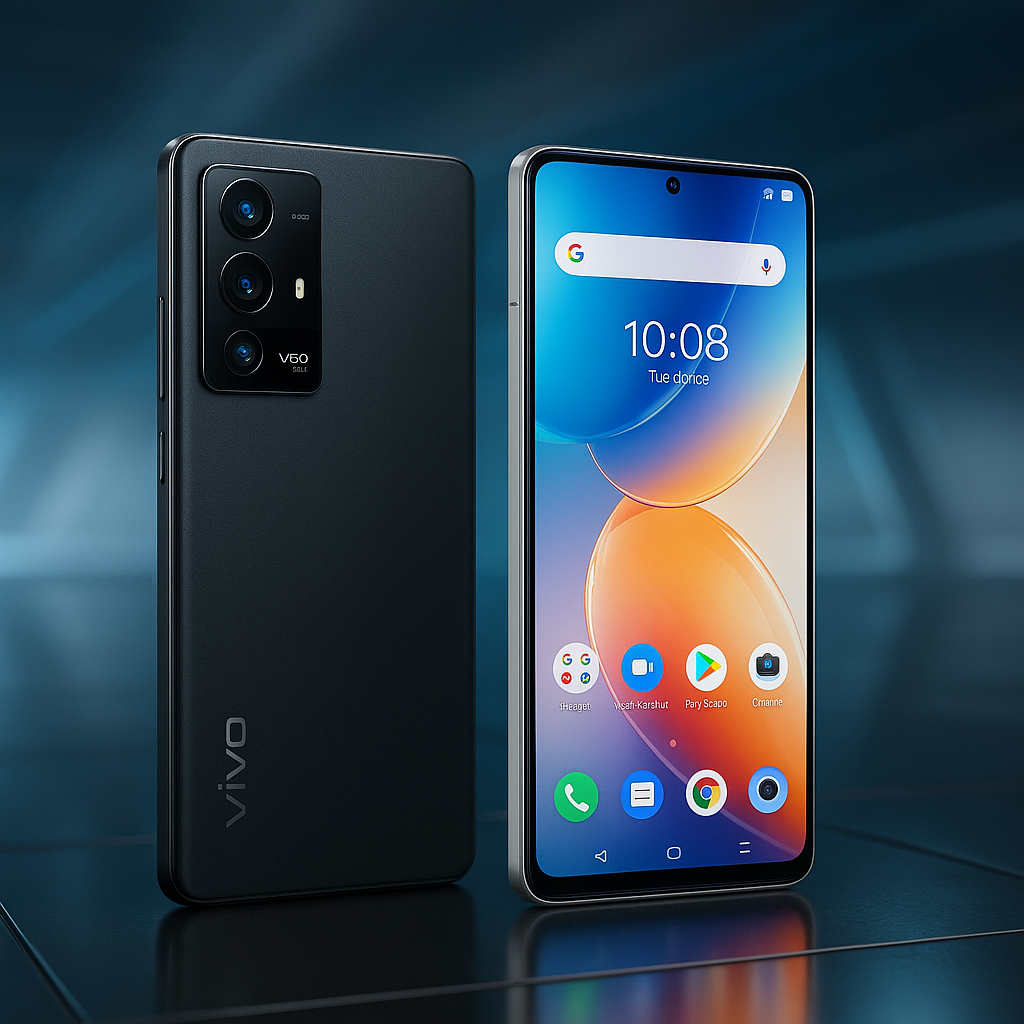
The vivo v60 is launching in India on August 12, 2025, with expected prices ranging from ₹36,999 to ₹40,000 for the base variant. This upcoming mid-range flagship promises upgrades in performance, camera, design, and battery life.
Table of Contents
Published: August 12, 2025 | Last Updated: August 12, 2025
The smartphone market in India continues to evolve with manufacturers introducing devices that balance performance and affordability. Vivo has announced details about its upcoming V60 model, scheduled for release in the mid-premium segment. This article examines the specifications, pricing structure, and market positioning of the Vivo V60 based on official announcements and industry reports.
Overview of the Vivo V60
The Vivo V60 represents the company’s latest entry in the competitive mid-range smartphone category. According to official product documentation, the device features a Qualcomm Snapdragon 7 Gen 4 processor, multiple camera sensors developed in partnership with Zeiss, and a battery capacity that exceeds industry standards for this price segment. The phone is scheduled for launch on August 12, 2025, with availability through multiple retail channels.
This analysis covers confirmed specifications, pricing tiers, competitive positioning, and technical capabilities. The information is based on official Vivo India announcements, regulatory certifications, and industry analysis reports.
Launch Date and Availability Details
Official Launch Information
The Vivo V60 is scheduled for its official unveiling on August 12, 2025. The launch event will begin at 12:00 PM Indian Standard Time and is expected to run approximately 90 minutes. The company plans to stream the event across multiple digital platforms, providing simultaneous access to viewers worldwide.
Following the launch presentation, the device will be available for purchase through the Vivo India website, major e-commerce platforms including Amazon and Flipkart, and authorized retail locations. The company has indicated that pre-booking will commence 48 hours before the official launch date for registered users.
Distribution Strategy
Vivo’s distribution approach for the V60 includes both online and offline channels. The company operates over 100,000 retail touchpoints across India, which provides geographical coverage for potential buyers. This multi-channel strategy aims to address different consumer preferences regarding purchase methods.
The availability timeline indicates immediate stock following the launch event, though specific inventory allocations have not been disclosed. Early registration programs have reportedly generated significant consumer interest, with hundreds of thousands of notification sign-ups recorded.
Vivo V60 Price Structure in India
Variant-Based Pricing
The Vivo V60 will be available in four memory and storage configurations. The base variant features 8GB of RAM with 128GB of storage, while the highest-tier model includes 12GB of RAM with 512GB of storage. Each configuration is priced to target different segments within the mid-premium category.
Based on official pricing information:
- 8GB RAM + 128GB Storage: ₹36,999 – ₹40,000
- 8GB RAM + 256GB Storage: ₹39,999 – ₹42,999
- 12GB RAM + 256GB Storage: ₹42,999 – ₹45,999
- 12GB RAM + 512GB Storage: ₹45,999 – ₹48,999
These price points position the device competitively within the ₹35,000 to ₹50,000 smartphone segment in India.
Price Comparison with Previous Generation
The pricing represents an increase over the preceding V50 model, which launched at lower price points. This adjustment reflects the inclusion of upgraded components, including a newer generation processor, enhanced camera hardware, and increased battery capacity. The price difference ranges between 7% and 14% depending on the specific variant.
Launch Promotional Offers
The company plans to implement several promotional initiatives during the initial sales period. These include direct price reductions for early purchasers, partnership arrangements with financial institutions for additional cashback, device exchange programs, and zero-interest financing options. The specific terms of these offers will be detailed at the time of launch.
Technical Specifications Analysis
Display Technology
The Vivo V60 incorporates a 6.67-inch AMOLED display panel with specific technical characteristics designed for visual performance. The screen resolution is 2400 × 1080 pixels, classified as 1.5K resolution in the industry. The display supports a 120Hz refresh rate, which allows for smoother scrolling and animation rendering compared to standard 60Hz panels.
Key display specifications include:
- Panel Type: AMOLED technology with organic light-emitting diodes
- Size: 6.67 inches diagonal measurement
- Resolution: 2400 × 1080 pixels (1.5K)
- Refresh Rate: 120Hz adaptive
- Peak Brightness: 1,600 nits
- Color Support: DCI-P3 wide color gamut
- HDR: HDR10+ certification
- Protection: Corning Gorilla Glass Victus
The display uses a flat design rather than curved edges, which differs from some previous Vivo models. The touch sampling rate reaches 300Hz, which is particularly relevant for gaming applications where input responsiveness is critical. The brightness level of 1,600 nits provides visibility in outdoor environments with direct sunlight.
Processor and Performance Hardware
The Vivo V60 utilizes the Qualcomm Snapdragon 7 Gen 4 processor, manufactured using a 4-nanometer process technology. This chipset represents Qualcomm’s mid-range offering and includes several architectural improvements over previous generations. The processor features an octa-core CPU configuration with efficiency and performance cores arranged to balance power consumption and processing capability.
Processor Components:
- Manufacturing Process: 4nm technology node
- CPU Architecture: Octa-core configuration
- GPU: Adreno 730 graphics processor
- AI Engine: Integrated neural processing unit
- Modem: Integrated 5G modem with multi-band support
The Adreno 730 GPU represents a 40% performance improvement over the previous generation according to Qualcomm’s technical documentation. This enhancement affects gaming frame rates, graphics rendering, and video processing capabilities. The AI engine handles tasks such as computational photography, voice recognition, and system optimization.
Memory and Storage Configuration
The device offers two RAM options (8GB and 12GB) using LPDDR5 memory technology, which provides higher bandwidth and lower power consumption compared to older LPDDR4 standards. Storage options include 128GB, 256GB, and 512GB capacities, utilizing UFS 3.1 technology for faster read and write speeds.
Additional memory features include:
- Virtual RAM: 4GB expansion capability using storage space
- Storage Type: UFS 3.1 flash storage
- Expandability: MicroSD card support up to 1TB
The virtual RAM feature allocates a portion of the internal storage to function as additional working memory, which can improve multitasking performance when multiple applications are active simultaneously.
Camera System Specifications
The Vivo V60 features a triple rear camera configuration, with all three sensors rated at 50 megapixels. This represents an uncommon approach, as many devices in this price range combine a high-resolution primary sensor with lower-resolution secondary cameras. The partnership with Zeiss, a German optics manufacturer, involves lens coating technology and color calibration algorithms.
Rear Camera Configuration:
Primary Camera:
- Sensor: Sony IMX766 (50MP)
- Aperture: f/1.8
- Stabilization: Optical Image Stabilization (OIS)
- Video: 4K recording at 60 frames per second
Telephoto Camera:
- Resolution: 50MP periscope design
- Optical Zoom: 5x magnification
- Type: Periscope lens configuration
Ultra-Wide Camera:
- Resolution: 50MP
- Field of View: 123 degrees
- Macro: 2cm minimum focus distance
Front Camera:
- Resolution: 50MP with autofocus
- Video: 4K recording capability
- Features: AI-enhanced portrait modes
The Zeiss collaboration includes T-star lens coating, which reduces internal reflections and light flare. The color science algorithms are developed jointly to achieve specific color rendition characteristics. The camera system supports various computational photography modes, including night mode, portrait mode with depth mapping, and AI scene recognition.
Battery Capacity and Charging Technology
The Vivo V60 includes a 6,500mAh battery, which exceeds typical capacity in this device category. Battery capacity is a significant specification for users who prioritize extended usage between charges. The device supports 90W wired fast charging technology, which affects the time required to replenish the battery.
Battery and Charging Specifications:
- Capacity: 6,500mAh lithium-polymer battery
- Wired Charging: 90W fast charging support
- Wireless Charging: 50W wireless charging capability
- Reverse Charging: 10W reverse wireless charging
- Charging Time: 0-50% in approximately 15 minutes (claimed)
The battery management system includes cycle life optimization designed to maintain 80% capacity after 1,200 charging cycles. Temperature monitoring prevents overheating during charging and discharge. The charging protocol is compatible with multiple safety certifications.
According to the manufacturer’s usage estimates, the battery provides over 12 hours of continuous screen-on time under standard conditions. Actual battery performance varies based on usage patterns, network conditions, display brightness, and active applications.
Software and Operating System
The Vivo V60 operates on Android 15, customized with Vivo’s Funtouch OS 15 interface layer. The software includes system optimizations, visual customizations, and additional features beyond standard Android functionality. The company has announced a software update policy for the device.
Software Update Commitment:
- Major OS Updates: 3 years (Android 16, 17, 18)
- Security Patches: 4 years of monthly updates
- Feature Updates: Regular feature additions through system updates
The update policy is relevant for long-term device value, as newer Android versions include security improvements, feature additions, and performance optimizations. The four-year security update commitment exceeds the industry average for devices in this price category.
Funtouch OS 15 includes AI-powered features such as smart photo editing, predictive app loading, and system resource optimization. Privacy controls include app permission management, secure folder encryption, and biometric authentication options.
Build Quality and Durability Certifications
The Vivo V60 has received IP68 and IP69 certifications from international testing organizations. These ratings indicate specific levels of protection against dust and water ingress. The IP68 certification means the device can withstand submersion in 1.5 meters of water for 30 minutes, while IP69 adds protection against high-pressure, high-temperature water jets.
Construction Materials:
- Frame: Aircraft-grade aluminum alloy
- Front Protection: Corning Gorilla Glass Victus
- Back Panel: Premium glass construction
- Operating Temperature: -10°C to 55°C
The durability certifications are tested under laboratory conditions following IEC 60529 standards. These ratings provide protection during accidental exposure to water or dust but do not guarantee damage-free operation in all scenarios.
Audio and Connectivity Features
The device includes dual stereo speakers positioned for balanced audio output. Hi-Res Audio certification indicates support for high-quality audio file playback. The audio system includes noise cancellation technology for voice calls.
Connectivity Specifications:
- 5G Support: Multi-band 5G connectivity
- WiFi: WiFi 6E support (6GHz band)
- Bluetooth: Version 5.3 with extended range
- NFC: Near Field Communication for contactless payments
- USB: USB Type-C port with data transfer support
The 5G implementation supports multiple frequency bands used by Indian telecom operators. WiFi 6E provides access to the 6GHz frequency band where available, offering higher bandwidth and lower latency compared to older WiFi standards. Bluetooth 5.3 includes improvements in connection stability and audio transmission quality.
Competitive Market Analysis
Direct Competitor Comparison
The Vivo V60 competes with several established models in the ₹35,000 to ₹45,000 price segment. Key competitors include the Samsung Galaxy A55, OnePlus Nord 4, and various models from the Realme GT series. Each device offers different combinations of specifications and features.
Samsung Galaxy A55 Comparison:
The Samsung Galaxy A55 uses an Exynos 1480 processor, while the Vivo V60 employs the Snapdragon 7 Gen 4. Benchmark comparisons indicate performance variations between these chipsets. The Galaxy A55 includes a 5,000mAh battery compared to the V60’s 6,500mAh capacity. Camera configurations differ, with Samsung using a 50MP primary sensor alongside lower-resolution secondary cameras.
OnePlus Nord 4 Comparison:
The OnePlus Nord 4 features a dual camera system rather than triple cameras. The device offers 100W charging compared to the V60’s 90W capability, resulting in marginally faster charging times. Battery capacity on the Nord 4 is 5,400mAh. Processor options vary depending on the market and variant.
Realme GT Neo Series:
Realme’s GT Neo series offers similar processor performance at competitive price points. Build quality differs, with some models using polycarbonate construction rather than metal and glass. Software update commitments vary between manufacturers, affecting long-term value considerations.
Market Segment Analysis
The Indian smartphone market is valued at approximately ₹2.5 lakh crore annually, with growth concentrated in the premium and mid-premium segments. The ₹30,000 and above category is expanding at 25% annually, driven by consumer demand for better cameras, 5G connectivity, and improved performance.
Consumer priorities in this segment include:
- Camera Quality: Photography capabilities rank as a primary purchase consideration
- Battery Life: Extended usage time between charges
- Performance: Gaming and multitasking capability
- 5G Connectivity: Future network compatibility
- Brand Service: After-sales support and warranty coverage
Vivo currently holds approximately 15% of the Indian smartphone market across all segments. The company operates an extensive service network with centers in multiple cities, which factors into purchase decisions for consumers prioritizing after-sales support.
Color Options and Design Aesthetics
The Vivo V60 will be available in three confirmed color variants at launch:
- Auspicious Gold: Metallic gold finish
- Mist Grey: Matte grey appearance
- Moonlit Blue: Blue variant with gradient effects
The design incorporates a minimalist aesthetic with clean lines and optimized ergonomics. The weight distribution and grip characteristics are engineered for comfortable single-handed use. The punch-hole camera cutout maintains screen continuity while housing the front camera sensor.
Performance Benchmarking and Real-World Usage
Synthetic Benchmark Expectations
Synthetic benchmarks provide standardized measurements of processor, graphics, and system performance. While these tests don’t replicate all real-world usage scenarios, they offer comparable metrics across devices. The Snapdragon 7 Gen 4 processor is expected to achieve approximately 650,000 points in AnTuTu benchmark testing based on similar hardware configurations.
Benchmark Categories:
- CPU Performance: Multi-core and single-core processing tests
- GPU Performance: Graphics rendering and gaming simulation
- Memory Speed: RAM read/write performance
- Storage Speed: Internal storage access times
Benchmark scores vary based on thermal conditions, background processes, and testing methodology. Manufacturers optimize devices for benchmark performance, which may not always translate directly to day-to-day usage experience.
Gaming Performance Analysis
The Adreno 730 GPU enables high frame rate gaming in popular mobile titles. Games such as BGMI, Call of Duty Mobile, and Genshin Impact can run at high graphics settings. The thermal management system affects sustained performance during extended gaming sessions.
Frame rate stability is important for competitive gaming, where consistent performance impacts user experience. The 120Hz display refresh rate allows games that support higher frame rates to appear smoother. Touch sampling rate of 300Hz reduces input lag between screen touches and on-screen response.
Multitasking and Productivity Use
The combination of 8GB or 12GB RAM with virtual RAM expansion supports multiple active applications. Background app retention depends on available memory and system management algorithms. Users who frequently switch between messaging apps, browsers, social media, and productivity tools benefit from higher RAM configurations.
The processor’s efficiency cores handle background tasks while performance cores activate for demanding applications. This architectural approach balances power consumption with processing capability. System optimization through AI algorithms predicts app usage patterns and preloads frequently used applications.
Photography Capabilities and Zeiss Partnership
Zeiss Optical Technology Integration
The partnership with Zeiss involves specific optical technologies and image processing algorithms. T-star anti-reflective coating reduces internal lens reflections, which improves contrast and reduces flare in challenging lighting conditions. Color calibration algorithms developed with Zeiss aim to achieve specific color rendition characteristics.
The collaboration affects several aspects of image quality:
- Optical Coatings: Multi-layer coatings on lens elements
- Color Science: Color processing algorithms for consistent results
- Lens Design: Optical element configuration and quality standards
- Portrait Effects: Bokeh rendering algorithms for background blur
Low-Light Photography Performance
The f/1.8 aperture on the primary camera allows more light to reach the sensor compared to narrower apertures. The Sony IMX766 sensor uses pixel-binning technology, combining multiple pixels to create larger effective pixels that gather more light. Optical image stabilization compensates for hand movement during exposure.
Night mode photography uses computational techniques, capturing multiple frames at different exposures and combining them to reduce noise while preserving detail. The processing time for night mode captures is typically 2-3 seconds depending on lighting conditions.
Zoom Capability Analysis
The 5x optical zoom on the periscope telephoto camera uses a folded optical path to achieve magnification without increasing device thickness. Optical zoom maintains image quality better than digital zoom, which crops and enlarges the image using software interpolation. Beyond 5x magnification, the system uses hybrid zoom combining optical and digital techniques.
The 50MP resolution on the telephoto sensor provides options for additional digital zoom while maintaining reasonable detail. At maximum zoom levels, image quality degrades due to lens limitations and digital processing artifacts.
Video Recording Features
The primary camera supports 4K video recording at 60 frames per second, which provides higher frame rates for smoother motion compared to 30fps recording. Electronic image stabilization (EIS) works in conjunction with optical stabilization during video capture. The front camera also supports 4K recording, which is less common in this device category.
Video features include:
- Resolution Options: 4K, 1080p, 720p
- Frame Rates: 60fps, 30fps, 24fps options
- Stabilization: OIS + EIS combination
- Focus: Continuous autofocus tracking
- Audio: Stereo audio recording with noise reduction
User Experience Considerations
Daily Usage Scenarios
The Vivo V60 targets users who prioritize camera quality, battery endurance, and reliable performance. Typical usage scenarios include social media content creation, mobile photography, video streaming, gaming, and productivity applications. The device’s specifications address these use cases through specific hardware and software features.
For social media content creators, the 50MP front and rear cameras provide high-resolution images and videos. Battery capacity supports extended shooting sessions without frequent recharging. The display quality affects content preview and editing work.
Target User Segments
The device appeals to several consumer segments:
- Young Professionals: Users aged 25-35 seeking capable smartphones for work and personal use
- Photography Enthusiasts: Individuals prioritizing camera quality for hobby or semi-professional photography
- Students: College and university students wanting current-generation technology
- Upgraders: Users replacing devices 2-3 years old seeking improved specifications
Purchase decisions in this segment balance specifications against price, with consideration for brand reputation, service network availability, and software update commitments.
Ecosystem Integration
The Vivo V60 functions within the company’s device ecosystem, including smartwatches, wireless earbuds, and other accessories. Cross-device features include notification synchronization, audio device switching, and file sharing. Cloud services provide photo backup and data synchronization across devices.
The NFC capability enables contactless payments through digital wallet services. The device supports major payment platforms available in India, including Google Pay, PhonePe, and Paytm.
Long-Term Value and Ownership Costs
Device Longevity Factors
Several factors affect the long-term usability of the device:
- Software Updates: 3-year OS update and 4-year security patch commitment
- Battery Durability: 1,200+ cycle lifespan maintaining 80% capacity
- Build Quality: Premium materials and durability certifications
- Component Quality: Processor efficiency and thermal management
The software update commitment ensures security patches and feature updates through 2029, extending the device’s useful life compared to products with shorter update periods. Battery health management aims to reduce capacity degradation through optimized charging algorithms.
Service and Warranty Coverage
Vivo operates service centers in major Indian cities, providing warranty service and paid repairs. The standard warranty coverage includes one year from the date of purchase. Extended warranty options are typically available through additional purchase.
Service network considerations include:
- Center Locations: Coverage in metropolitan and tier-2 cities
- Turnaround Time: Repair completion timeframes
- Component Availability: Replacement part stock
- Service Quality: Technician training and service standards
After-sales service quality affects overall ownership experience, particularly for users in locations without immediate service center access.
Resale Value Considerations
Resale value depends on multiple factors including brand perception, market demand, device condition, and remaining warranty coverage. Vivo’s market position in India supports reasonable resale values compared to lesser-known brands. The device’s premium build quality and popular camera features potentially maintain better resale value.
Factors affecting resale value:
- Condition: Physical appearance and functionality
- Storage Variant: Higher storage models typically retain value better
- Market Timing: Resale value decreases as newer models launch
- Original Accessories: Complete original packaging and accessories
- Warranty Status: Transferable warranty coverage
Environmental and Regulatory Compliance
Electronic Waste and Recycling
Electronic devices contain materials that require proper disposal and recycling. Vivo participates in e-waste management programs in India, complying with E-Waste Management Rules 2016. The company operates collection centers for end-of-life devices.
Recycling programs address:
- Material Recovery: Extraction of valuable materials from old devices
- Safe Disposal: Proper handling of hazardous components
- Collection Network: Drop-off locations for old electronics
- Consumer Education: Awareness about e-waste management
Regulatory Certifications
The Vivo V60 complies with regulatory requirements for sale in India, including:
- BIS Certification: Bureau of Indian Standards approval
- IMEI Registration: Device identification compliance
- SAR Values: Specific Absorption Rate within permitted limits
- Safety Standards: Electrical and battery safety certifications
These certifications ensure the device meets safety, electromagnetic interference, and environmental standards required for legal sale in India.
Future Technology Trends and Device Positioning
5G Network Expansion in India
The Vivo V60’s 5G capability aligns with ongoing network rollout by Indian telecom operators. Current 5G deployment focuses on major cities, with expansion to additional locations planned over the next several years. The device’s multi-band 5G support ensures compatibility as networks expand.
5G advantages include:
- Higher Speeds: Faster download and upload rates
- Lower Latency: Reduced delay for real-time applications
- Network Capacity: Better performance in crowded areas
- Future Services: Support for emerging 5G-based services
Artificial Intelligence Evolution
The integrated AI engine in the Snapdragon 7 Gen 4 processor enables on-device machine learning tasks. Current applications include computational photography, voice recognition, and system optimization. Future software updates may introduce additional AI-powered features as capabilities evolve.
AI applications in smartphones include:
- Enhanced Photography: Scene recognition and image optimization
- Predictive Text: Improved keyboard predictions
- Battery Management: Usage pattern learning for power optimization
- Security: Anomaly detection and threat identification
Mobile Gaming Growth
The Indian mobile gaming market continues expanding, with increasing demand for capable gaming hardware. The Vivo V60’s specifications support current popular titles, and the processor’s performance headroom provides compatibility with future game releases.
Gaming considerations include:
- Thermal Performance: Heat dissipation during extended play
- Frame Rate Stability: Consistent performance without drops
- Display Quality: High refresh rate and touch response
- Audio Experience: Stereo speakers and 3D audio processing
Frequently Asked Questions (FAQs)
1. What is the confirmed launch date for the Vivo V60 in India?
The Vivo V60 is scheduled for official launch on August 12, 2025, at 12:00 PM IST. The launch event will be streamed online across multiple platforms, with immediate availability following the presentation. Pre-booking registration opens 48 hours before the launch date for interested buyers.
2. What are the different storage variants and their respective prices?
The Vivo V60 will be available in four configurations: 8GB+128GB priced between ₹36,999-₹40,000, 8GB+256GB at ₹39,999-₹42,999, 12GB+256GB at ₹42,999-₹45,999, and 12GB+512GB at ₹45,999-₹48,999. These prices position the device in the mid-premium smartphone segment.
3. How does the 6,500mAh battery compare to competitors in this price range?
The 6,500mAh battery capacity exceeds most competing devices in the ₹35,000-₹45,000 segment. For comparison, the Samsung Galaxy A55 includes a 5,000mAh battery and the OnePlus Nord 4 features 5,400mAh. The larger capacity provides extended usage time between charges, particularly beneficial for heavy users and those who rely on their devices throughout the day.
4. What processor powers the Vivo V60 and how does it perform?
The device uses the Qualcomm Snapdragon 7 Gen 4 processor manufactured on 4nm technology. This chipset includes an octa-core CPU, Adreno 730 GPU, and integrated 5G modem. The processor delivers 40% improved graphics performance over the previous generation according to Qualcomm specifications, supporting high-frame-rate gaming and efficient multitasking.
5. What software update commitment does Vivo provide for this device?
Vivo has committed to providing three years of major Android OS updates (Android 16, 17, and 18) and four years of monthly security patches for the V60. This update policy extends beyond many competitors in this price range and ensures long-term security and feature updates through 2029.
6. How does the Zeiss camera partnership benefit photography?
The Zeiss collaboration involves T-star anti-reflective lens coating, color calibration algorithms, and optical design consultation. These technologies reduce internal lens reflections, improve contrast in challenging lighting, and deliver specific color rendition characteristics. The partnership affects image quality in both daylight and low-light conditions.
7. What do the IP68 and IP69 ratings mean for device durability?
The IP68 rating certifies the device can withstand submersion in up to 1.5 meters of water for 30 minutes under test conditions. The IP69 rating adds protection against high-pressure, high-temperature water jets. These certifications provide protection during accidental exposure to water or dust, though they do not guarantee damage-free operation in all scenarios.
8. Can the storage be expanded beyond the internal capacity?
Yes, the Vivo V60 includes microSD card support for expansion up to 1TB of additional storage. This allows users to store more photos, videos, and files beyond the internal storage capacity. The device uses UFS 3.1 technology for the internal storage, providing faster read and write speeds compared to older standards.
About the Author
Nueplanet
Technology journalist with the years of experience covering consumer electronics, smartphone markets, and mobile technology trends. Specializes in technical specification analysis, market positioning studies, and consumer technology reviews. Committed to providing accurate, verified information sourced from official manufacturer announcements, regulatory filings, and established technology publications.
Nueplanet’s Commitment: All technical specifications, pricing information, and product details in this article are sourced from official Vivo India announcements, regulatory documentation, and established technology industry sources. Information is verified against multiple sources to ensure accuracy. This article is updated as new official information becomes available to maintain current and reliable content for readers.
Editorial Standards
This article follows strict editorial guidelines emphasizing accuracy, transparency, and reader value. Information presented is based on official manufacturer specifications, regulatory certifications, and verified industry sources. Pricing, specifications, and availability details reflect the most current official information at the time of publication.
Sources:
- Official Vivo India product documentation
- Qualcomm Snapdragon 7 Gen 4 technical specifications
- Indian telecommunications regulatory filings
- Bureau of Indian Standards certification data
- IEC 60529 ingress protection standards
- Market research from established industry analysts
Note: Smartphone specifications, pricing, and availability are subject to change based on manufacturer decisions, market conditions, and regional variations. Readers should verify current information with official Vivo channels before making purchase decisions.
Helpful Resources
Official vivo India website (for specs, pricing, and purchase options)
vivo India YouTube channel (for live launch and announcements)
Call to Action
Keep your eyes peeled for the vivo V60 price reveal at the launch event. If you’re in the ₹37–40k range and want a device with top-tier camera, battery, and performance upgrades, this phone should be on your shortlist.
Latest Posts
- Cristiano Ronaldo and Georgina Rodríguez Announce Engagement: A New Chapter for the Football Legend
- Ranya Rao: Gold Smuggling Case Sparks Fresh Debate in Karnataka
- 8th Pay Commission: What Government Employees Need to Know About Salary Hike and TOR Impact
- South Africa vs Guinea: Maema and Kutumela Fire Bafana Bafana to Vital Win
- UPPRPB UP Police SI Recruitment 2025: Notification for 4,543 Posts Released, OTR Now Mandatory
Tag
Vivo V60
Related Posts










Post Comment