





The POCSO Act in 2025: Law, Challenges & Real‑World Impact
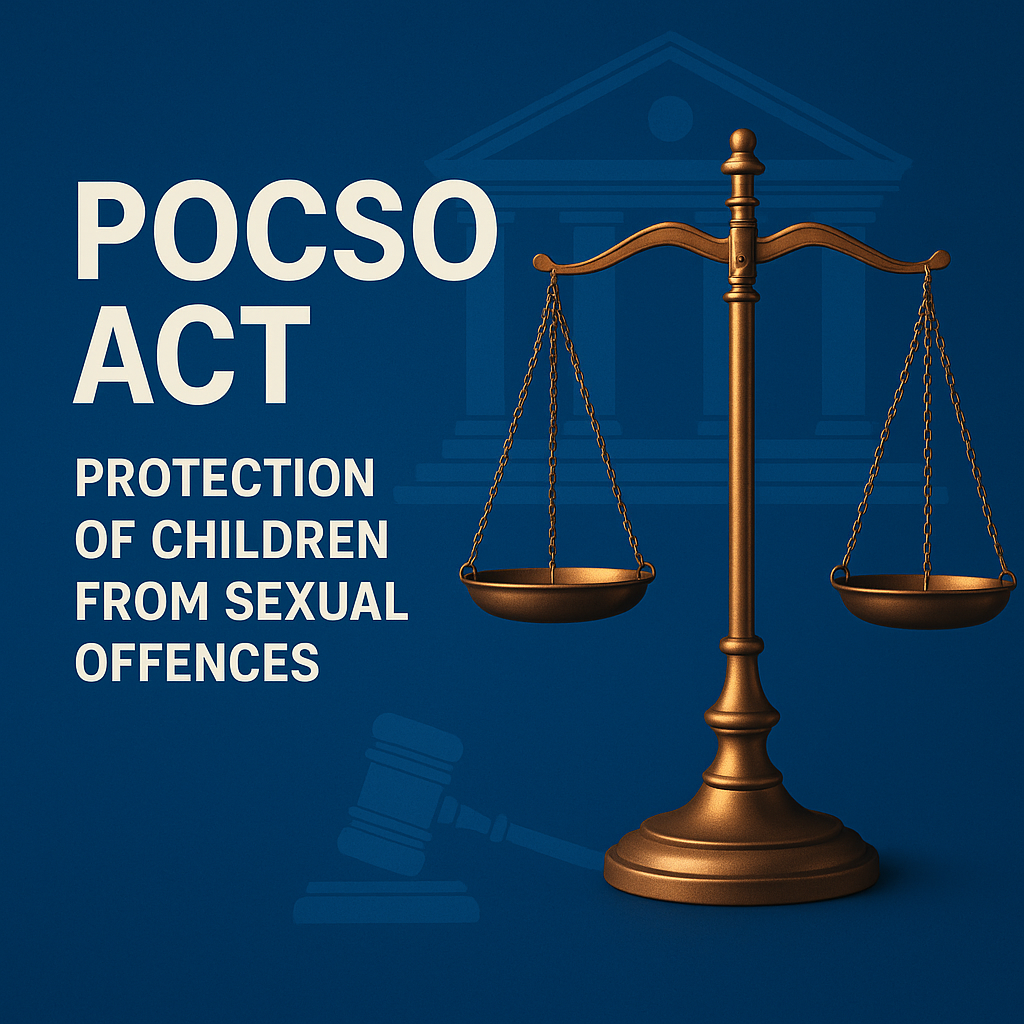
India’s Protection of Children from Sexual Offences (POCSO) Act, enacted in 2012 and amended in 2019, remains central to child protection. Its real-world implications—from court delays to jail escapes—underscore urgent systemic gaps.
Table of Contents
Published: August 03, 2025 | Last Updated: August 03, 2025
News Overview
India’s Protection of Children from Sexual Offences (POCSO) Act, enacted in 2012, represents the nation’s primary statutory framework addressing sexual crimes against minors. As of August 2025, over 538,000 cases have been filed across specialized courts, with approximately 62% disposed through judicial proceedings. Recent developments including high-profile convictions, controversial acquittals, judicial clarifications, and systemic challenges provide important context for understanding the law’s effectiveness and remaining implementation gaps.
The POCSO Act established India’s first comprehensive legal framework specifically designed to address sexual offences targeting children under 18 years. The legislation introduced gender-neutral protections, child-sensitive procedures, and mandatory reporting requirements. Subsequent amendments in 2019 enhanced penalties and expanded offense definitions to address emerging exploitation forms.
Current implementation reveals both significant achievements in delivering justice to survivors and substantial obstacles preventing consistent application across India’s diverse legal systems. Understanding the Act’s development, key provisions, amendments, and systemic implementation challenges provides important perspective on child protection efforts in India.
Section 1: POCSO Act: Legislative Development and Historical Context
Pre-2012 Legal Landscape
Before 2012, India lacked comprehensive statutory provisions specifically addressing sexual offences against children. Child protection relied on scattered provisions within the Indian Penal Code (IPC) designed for general criminal offences rather than specialized protection for minors. These generic provisions failed to recognize children’s particular vulnerabilities or accommodate specialized procedural requirements necessary for trauma-informed justice processes.
The legal framework’s inadequacy created multiple problems. Investigations frequently lacked sensitivity to children’s developmental needs. Court procedures designed for adult victims proved inappropriate for young witnesses. Penalties in many cases were comparatively lenient, failing to reflect offense gravity or provide adequate deterrence.
Public awareness regarding child sexual abuse remained limited, with significant stigma preventing many families from reporting incidents. The absence of specialized legislation meant cases received inconsistent handling across different jurisdictions.
Legislative Impetus and Parliamentary Action
The 2012 Delhi gang rape case, though involving an adult victim, generated nationwide conversation about sexual violence and accelerated attention to pending child protection legislation. Parliamentary discussions highlighted the need for comprehensive child-specific statutory protections addressing identified gaps in existing legal frameworks.
Parliament approved the POCSO Act in May 2012, and the legislation came into force on November 14, 2012. The enactment marked a paradigm shift in legal philosophy, recognizing that children require distinct legal protections transcending generic criminal provisions. Legislators acknowledged that sexual abuse inflicts profound developmental harm requiring specialized judicial procedures to prevent re-victimization during legal processes.
The legislation reflected international best practices including provisions from the UN Convention on the Rights of the Child and comparative analysis of child protection statutes in other nations. Indian lawmakers synthesized international standards with domestic legal principles and constitutional protections.
Section 2: POCSO Act Core Provisions and Statutory Framework
Foundational Principles and Protective Approach
The POCSO Act establishes several foundational principles structuring child protection mechanisms:
Gender-Neutral Protection: The Act extends equal protective coverage to all children regardless of gender identity, addressing the reality that boys and gender-nonconforming children also experience sexual victimization. This inclusive approach represented progress from earlier legislation that primarily focused on protecting female children.
Universal Age Threshold: The legislation protects all persons under 18 years, aligning with India’s constitutional majority age and international conventions. This clear, uniform threshold eliminates ambiguity and ensures consistent protection across India’s diverse legal landscape.
Presumption of Non-Consent: The statutory framework operates on the principle that children cannot legally consent to sexual acts. This presumption shifts judicial inquiry from examining victim behavior or consent to establishing whether prohibited acts occurred and whether the accused acted with sexual intent.
Child-Sensitive Procedures: The Act mandates specialized procedures including in-camera trials (closed courtroom proceedings), support persons accompanying children through legal processes, and restrictions on aggressive cross-examination techniques potentially traumatizing child witnesses.
Mandatory Reporting Obligations: The legislation imposes legal duties on certain individuals—including medical professionals, educators, and social workers—to report suspected abuse. This provision aims to overcome social reluctance to intervene in suspected abuse situations.
Classification of Sexual Offences
The POCSO Act establishes a taxonomy of sexual offences, with penalties calibrated to offense severity and specific circumstances.
| Offense Category | Definition | Initial Sentence | 2019 Amendment Sentence |
|---|---|---|---|
| Penetrative Sexual Assault | Sexual penetration involving genital, oral, or anal contact or object/body part insertion | 7-10 years | 10+ years (life for victims <16) |
| Aggravated Penetrative Assault | Assault by authority figures, gang rape, or causing grievous harm | Variable | 20+ years or death penalty |
| Non-Penetrative Sexual Assault | Unwanted touching of private parts or forced exhibition of genitalia | 3-5 years | 5-7 years (aggravated) |
| Sexual Harassment | Sexually colored remarks, obscene material display, or persistent contact for sexual purposes | Up to 3 years | Up to 3 years with fines |
| Child Sexual Exploitation Material (CSEAM) | Creation, possession, distribution of abuse imagery | 5 years | 5-7 years with enhanced fines |
Penetrative Sexual Assault provisions address the most serious offence category, involving any form of sexual penetration against a child. The offense encompasses both forcible assault and situations where penetration occurs through manipulation, coercion, or exploitation of authority.
Aggravated Penetrative Assault recognizes circumstances significantly increasing offense severity. These aggravating factors include assault by persons in positions of trust or authority such as parents, teachers, or guardians; assault on children with physical or mental disabilities; gang rape involving multiple perpetrators; and assault causing grievous bodily harm including pregnancy or sexually transmitted infections.
Non-Penetrative Sexual Assault addresses the reality that sexual abuse encompasses acts beyond penetration. This category includes unwanted touching of private body parts, forcing children to expose genitalia, or compelling children to touch perpetrators inappropriately.
Sexual Harassment provisions address the continuum of sexual exploitation, recognizing that seemingly lesser offenses create hostile environments for children and frequently precede escalation to physical assault.
Section 3: The 2019 Amendments—Enhanced Protections and Expanded Scope
Legislative Amendments Overview
The POCSO (Amendment) Act, 2019, enacted on August 9, 2019, introduced significant modifications addressing persistent concerns about inadequate deterrence and emerging exploitation methods. High-profile cases including the Kathua and Unnao incidents generated nationwide demands for stronger legal responses. Parliament responded by enhancing penalties and expanding offense definitions.
Key Amendments Implemented
Increased Minimum Sentencing: The amendments raised minimum punishment for penetrative sexual assault from seven to ten years rigorous imprisonment. For victims under 16 years, minimum sentences increased to 20 years. These enhanced minimums aim to eliminate judicial discretion that sometimes produced surprisingly lenient sentences despite offense gravity.
Death Penalty Authorization: The amendments authorized capital punishment for aggravated penetrative sexual assault, particularly in cases involving children under 16. This controversial provision remains subject to ongoing debate about deterrent effectiveness and potential misuse.
CSEAM Terminology and Expanded Definitions: The amendments replaced the term “child pornography” with “Child Sexual Exploitation and Abuse Material” (CSEAM), emphasizing that such material documents actual abuse of real children. Expanded definitions now include digital content, cartoon depictions, and morphed images using children’s faces on adult bodies.
Broadened Offense Scope: The amendments criminalized passive possession of CSEAM, eliminating defenses based on claiming material was merely stored rather than created or distributed. This provision targets demand-side behavior fueling production of abuse imagery.
Enhanced Fine Provisions: The amendments introduced substantial monetary penalties often reaching multiple lakhs of rupees, directed toward victim compensation and rehabilitation rather than merely serving punitive functions.
Section 4: Judicial Interpretations and Landmark Cases
Supreme Court Clarifications on Assault Definition
In the January 2021 case Satish vs. State of Karnataka, the Supreme Court issued critical clarifications regarding what constitutes sexual assault under POCSO. The case addressed a problematic Bombay High Court ruling acquitting an accused who had groped a minor girl over her clothing, reasoning that absence of “skin-to-skin contact” meant the act didn’t constitute sexual assault.
The Supreme Court unequivocally rejected this narrow interpretation, holding that the offender’s sexual intent constitutes the defining element rather than the manner of physical contact. The Court emphasized that POCSO’s protective framework cannot be undermined through technical parsing of contact methods. This judgment transformed POCSO jurisprudence by establishing that unwanted sexual contact—regardless of whether clothing mediated the contact—constitutes assault when committed with sexual intent.
Medical Examination Guidelines
In June 2025, the Kerala High Court clarified that consensual medical examinations conducted on minors with proper parental consent for legitimate clinical purposes do not constitute POCSO offences. The judgment distinguished between medical procedures conducted with appropriate consent and clinical justification versus unauthorized, inappropriate, or sexually motivated examinations.
This clarification addressed concerns among medical professionals that routine pediatric examinations involving genital inspection might be misconstrued as abuse. The ruling provided necessary comfort to healthcare providers while maintaining POCSO’s protective framework against potential medical professional misconduct.
Evidentiary Standards
Higher courts have consistently held that child testimony constitutes valid evidence and doesn’t require corroboration from independent sources when the testimony appears credible and consistent. This principle recognizes that child sexual abuse typically occurs in private settings without witnesses, and requiring corroboration would enable many perpetrators to escape accountability.
However, courts also acknowledge that children’s testimony requires careful evaluation considering their age, cognitive development, potential external influences, and consistency across statements. Judges must balance presumptions favoring truthfulness in children’s accounts against possibilities of false accusations or external coaching.
Section 5: Recent Convictions and Case Analysis
2025 High-Profile Convictions
Ghaziabad Sentencing: A Ghaziabad court sentenced an individual to ten years rigorous imprisonment for raping a 16-year-old student, applying POCSO provisions and Indian Penal Code Section 376 (rape). The court ordered ₹10,000 in compensation directed toward victim rehabilitation, demonstrating integrated application of child protection and general criminal law provisions.
Patna Dual Conviction: Two convicted offenders in Patna received ten-year sentences with accompanying fines, illustrating courts’ commitment to strict sentencing with mandatory victim compensation. The case emphasized judicial recognition that financial compensation provides tangible support for survivor recovery.
Noida Life Imprisonment Verdict: A Noida special court sentenced two individuals to life imprisonment “till the last breath” for sodomizing and murdering a speech-impaired teenager. The case involved aggravated sexual assault combined with murder of a particularly vulnerable victim, warranting maximum punishment. The court imposed concurrent sentences under multiple legal provisions with ₹1.15 lakh in fines distributed to the victim’s family.
Agra Minor Assault Case: An Agra court handed down significant punishment for rape of a Class 9 student, reinforcing judicial commitment to POCSO enforcement. The case demonstrated systematic application of Act provisions from investigation through sentencing and victim compensation.
These convictions collectively demonstrate that thorough investigations, proper evidence collection, and efficient trials yield justice outcomes consistent with POCSO’s protective objectives.
Controversial Acquittals and Procedural Challenges
Madhya Pradesh High Court Reversal: The Madhya Pradesh High Court overturned a life imprisonment sentence imposed on a former village council head, citing weak evidence and suggesting political motivation behind prosecution. The Court emphasized maintaining rigorous evidentiary standards even in sexual assault cases, warning against convictions based on suspicion rather than proof beyond reasonable doubt.
This acquittal highlighted the tension between child protection imperatives and accused persons’ fair trial rights. The case underscored the critical importance of professional, thorough investigations that collect and preserve evidence meeting judicial scrutiny standards.
Section 6: Implementation Challenges and Systemic Obstacles
Court System Delays and Case Backlogs
As of August 2025, over 538,000 POCSO cases have been filed in Fast Track Special Courts and POCSO-specific courts. While these specialized courts have disposed of approximately 62% of cases—representing significant judicial effort—the remaining 38% languish in various trial stages, with many states recording average trial durations exceeding three years.
This reality contradicts POCSO’s mandate requiring trial completion within one year of charge-sheet filing. Delayed justice proves particularly harmful in child abuse cases for multiple reasons:
| Impact Factor | Specific Effect |
|---|---|
| Trauma Prolongation | Extended proceedings force repeated recount of traumatic experiences |
| Memory Deterioration | Children’s memories evolve over time, potentially affecting testimony consistency |
| Witness Availability | Families relocate and witnesses become unavailable over extended periods |
| Secondary Victimization | The legal process itself victimizes survivors through repeated court appearances |
Multiple factors contribute to these delays. Insufficient judges relative to caseloads create bottlenecks, with many districts lacking dedicated POCSO courts. Court facilities frequently lack child-friendly spaces or support staff trained in trauma-informed practices. Police investigations often extend beyond mandated timeframes due to resource constraints and training deficiencies. Poorly conducted investigations yield weak charge-sheets requiring extensive court time to establish facts. Defense tactics, witness non-appearance, and administrative inefficiencies result in repeated adjournments.
Support Person Implementation Gaps
Section 39 of POCSO mandates that child victims receive support from trained individuals throughout legal proceedings. Support persons help children understand procedures, provide emotional comfort, and ensure voices are heard without retraumatization.
Arunachal Pradesh recently approved comprehensive emotional and legal support guidelines under Section 39 in August 2025, establishing formal frameworks for identifying, training, and deploying child-survivor support persons. This progressive step demonstrates commitment to trauma-sensitive care aligned with POCSO’s protective philosophy.
However, many states lag in implementing robust support person systems. Challenges include:
- Insufficient training programs resulting in inadequately prepared support persons
- Resource constraints limiting program funding and compensation
- Awareness gaps among prosecutors and judges regarding support person provisions
- Quality variation based on individual capabilities and local approaches
Reporting Failures and Social Barriers
Despite mandatory reporting requirements, cases remain grossly underreported due to intersecting factors including stigma and shame attached to sexual abuse victims and their families, disproportionate fear among marginalized communities regarding police and judicial systems, conflicts arising when abuse occurs within families, and professional reluctance among mandated reporters regarding involvement in lengthy legal processes.
Economic pressures often suppress reporting when families depend on alleged perpetrators’ income. Many mandated reporters lack clear understanding of POCSO provisions and reporting mechanisms.
Custodial Security Incident
On August 3, 2025, four undertrial prisoners facing rape and POCSO charges escaped from Korba district jail in Chhattisgarh by scaling the jail’s cowshed wall using a rope. The escapees were identified as Dashrath Sidar (19), Chandrashekhar Rathia (20), Raja Kanwar (22), and Sarna Sinku (26).
This incident underscored multiple concerning dimensions: public safety threats from escaped sexual offence accused; heightened fears among child survivors and families regarding potential retaliation; systemic accountability questions regarding prison management and security protocols; undermining of judicial integrity when accused persons evade detention; and procedural vulnerabilities preventing effective implementation of POCSO’s protective framework.
Section 7: Consensual Adolescent Relationships and Application Complexities
POCSO’s Absolute Age Threshold
POCSO’s absolute age threshold—treating all sexual activity involving persons under 18 as criminal regardless of consent—creates complexity when applied to consensual adolescent relationships. Teenagers engaging in consensual sexual activity technically violate POCSO, potentially exposing adolescents to criminal liability despite mutual consent and age proximity.
This application raises several concerns among legal experts and child advocates:
Criminalization of Adolescent Sexuality: Prosecuting consensual teenage couples may not serve child protection objectives and potentially pathologizes normal adolescent relationship development.
Weaponization Risk: Some families weaponize POCSO against disapproved relationships, filing cases when teenagers date across caste, religious, or class lines despite consensual relationships.
Resource Diversion: Prosecuting consensual relationships diverts limited judicial and prosecutorial resources from cases involving genuine exploitation and violence.
Life-Long Consequences: POCSO convictions carry severe consequences including lengthy imprisonment, sex offender registration, and permanent criminal records devastating young lives.
Legislative Reform Proposals
Many experts advocate for “close-in-age exemptions” (often called “Romeo and Juliet clauses”) that would decriminalize consensual sexual activity between adolescents of similar ages while maintaining full POCSO protections against adult exploitation. These exemptions would preserve POCSO’s primary purpose—protecting children from adult predators—while avoiding criminalization of normal adolescent development.
Legislative reform remains elusive amid concerns about creating loopholes that offenders might exploit. Parliament has not yet enacted such exemptions despite ongoing advocacy from legal scholars and child protection experts.
Section 8: Statistical Overview and Current Implementation Status
Case Filing and Disposal Statistics
| Metric | August 2025 Status |
|---|---|
| Total POCSO Cases Filed | 538,000+ |
| Cases Disposed | ~62% (~333,560) |
| Cases Pending | ~38% (~204,440) |
| Average Trial Duration | 3+ years (exceeds 1-year target) |
| Conviction Rate | Approximately 28-32% |
State-Wise Implementation Variations
Implementation effectiveness varies significantly across Indian states. Some states including Arunachal Pradesh have developed robust support systems, specialized courts with adequate resources, and trained personnel. Other states face severe infrastructure limitations, judicial vacancies, inadequate training, and minimal victim support systems.
States with populations exceeding 50 million frequently report backlogs exceeding 10,000 pending cases per major district. Smaller states with lower caseloads achieve faster case disposition, though they may lack specialized expertise and training infrastructure.
Section 9: Pathways for Strengthened Implementation
Institutional Capacity Enhancements
Substantially increasing POCSO court numbers and ensuring prompt judicial vacancy filling would reduce delays. Providing courts with adequate resources including child-friendly facilities and support staff would improve victim experiences and procedural efficiency.
Comprehensive police training in trauma-informed interviewing, evidence collection, and child development would improve investigation quality. Specialized POCSO prosecutors with expertise in child testimony and forensic evidence would enhance conviction rates and trial efficiency.
Legislative and Procedural Refinements
Close-in-age exemptions would prevent criminalization of consensual adolescent relationships while preserving POCSO’s primary protective function. Statutory amendments could strengthen timelines, enhance support person provisions, and establish clearer guidelines for victim compensation and rehabilitation.
Judicial discretion provision—while maintaining strong minimum sentences—would allow judges to consider offense circumstances and individual factors when appropriate.
Awareness and Prevention Initiatives
Public education campaigns teaching communities about abuse recognition, reporting mechanisms, and support resources would increase reporting and reduce stigma. School-based programs providing age-appropriate education about body autonomy, appropriate touching, and reporting avenues would empower children.
Mandatory training for teachers, doctors, and social workers on abuse indicators and reporting obligations would improve detection. Cultural change initiatives addressing shame and victim-blaming concepts would create supportive environments for survivors.
Section 10: Frequently Asked Questions
Q1: What age range does POCSO cover and what is the standard of proof required?
POCSO extends protection to all persons under 18 years regardless of gender identity, covering sexual abuse, assault, harassment, and child sexual exploitation material. The legislation applies gender-neutrally to protect boys, girls, and all gender-identity children equally. This universal threshold aligns with international conventions and Indian majority age definitions, ensuring nationwide consistency. Criminal courts apply the “beyond reasonable doubt” standard—the highest evidentiary threshold—requiring prosecutors to establish guilt with near certainty rather than mere probability.
Q2: What types of sentences does POCSO impose and how have penalties evolved?
Following 2019 amendments, minimum punishment for penetrative sexual assault increased from 7 to 10 years rigorous imprisonment extending to life imprisonment. For victims under 16 years, minimum sentences reach 20 years. Aggravated penetrative assault—involving authority figures, gang rape, or grievous harm—warrants 20+ years or death penalty in most heinous cases. Non-penetrative assault carries 3-5 years imprisonment (5-7 for aggravated circumstances), sexual harassment up to 3 years, and CSEAM offences 5-7 years with substantial fines. These enhanced penalties aim for maximum deterrence reflecting offense gravity.
Q3: Why do POCSO trials experience significant delays despite specialized courts?
Despite establishing Fast Track Special Courts specifically for POCSO cases, trials average over 3 years to completion with only 62% of 538,000+ filed cases disposed as of August 2025. Multiple factors contribute: insufficient judges relative to caseloads, inadequate court infrastructure and child-friendly facilities, frequent judicial vacancies, delayed police investigations, weak charge-sheets requiring extensive court time, repeated adjournments due to defense tactics and witness unavailability, poor inter-agency coordination, and systemic resource constraints. These delays contradict POCSO’s one-year trial target and cause secondary victimization of child survivors.
Q4: Are consensual teenage relationships prosecutable under POCSO?
Technically yes—POCSO criminalizes all sexual activity involving persons under 18 regardless of consent. However, this creates complexity when applied to consensual teenage relationships between similar-aged adolescents. While protecting children from adult exploitation, this approach can criminalize normal adolescent development and relationship exploration. Higher courts have acknowledged POCSO misuse in such cases, particularly when families weaponize the Act against disapproved relationships. Many experts advocate “close-in-age exemptions” to decriminalize consensual teenage relationships while maintaining full protections against adult predators.
Q5: What support systems exist for child survivors throughout legal proceedings?
POCSO mandates that child victims receive support from trained individuals (support persons) throughout legal proceedings from initial reporting through trial. Support persons help children understand procedures, provide emotional comfort, and ensure voices are heard without retraumatization. However, implementation varies substantially across states. Arunachal Pradesh established formal guidelines in August 2025, yet many states lag in developing robust support person systems due to insufficient training programs, resource constraints, and awareness gaps among judicial personnel.
Q6: What constitutes sexual assault under POCSO following Supreme Court clarifications?
Following the January 2021 Satish vs. State of Karnataka judgment, sexual assault is defined by the offender’s sexual intent rather than the manner or extent of physical contact. Unwanted sexual contact—including groping over clothing—constitutes assault when committed with sexual intent against a child regardless of whether skin-to-skin contact occurs. This clarification rejected narrow interpretations that had enabled acquittals based on technical contact distinctions.
Q7: How has the August 2025 Chhattisgarh jail escape affected public confidence in POCSO implementation?
On August 3, 2025, four undertrial prisoners facing sexual offence charges escaped from Korba district jail by scaling the cowshed wall. This incident raised serious concerns about prison security protocols, management oversight, and institutional capacity to effectively detain accused persons through trial completion. The escape demonstrated that even when investigations succeed and courts order custody, institutional failures can enable accused persons to evade accountability, potentially endangering child survivors and their communities.
Q8: What reforms do experts recommend for improving POCSO implementation?
Experts recommend multiple reforms including substantially increasing POCSO court numbers and ensuring prompt judicial vacancy filling; providing comprehensive police and prosecutor training in trauma-informed practice; establishing close-in-age exemptions to decriminalize consensual adolescent relationships; enhancing victim support person systems; streamlining victim compensation mechanisms; implementing digital case management systems; conducting public awareness campaigns; and integrating school-based child protection education. These multi-dimensional reforms address legislative, institutional, and societal dimensions of effective child protection.
Section 11: Key Takeaways and Implications
Legislative Achievement and Remaining Gaps
India’s POCSO Act represents meaningful legislative progress establishing the nation’s first comprehensive child protection statute. The gender-neutral framework, child-centric procedures, and comprehensive offense definitions provide robust foundations for child protection. The 2019 amendments strengthened deterrence through enhanced penalties and addressed emerging exploitation forms.
Yet the distance between legislative promise and implementation reality remains substantial. Cases like the Chhattisgarh jail escape, three-year average trial durations despite specialized courts, and persistent underreporting due to stigma reveal implementation gaps. Recent convictions demonstrate that when systems function properly, POCSO delivers justice—yet these successes remain exceptional rather than consistent outcomes.
Systemic Reform Necessity
Real transformation requires multidimensional reforms addressing legislative refinements including close-in-age provisions, substantial judicial infrastructure investment, comprehensive professional training, robust institutional enforcement, and fundamental attitudinal shifts regarding child sexual abuse. Without sustained political will, adequate resource allocation, and societal commitment, even excellent legislation fails to protect children effectively.
Forward Path
The ultimate measure of POCSO’s success lies not in conviction statistics or sentencing severity alone, but in building a society that prevents abuse, supports survivors compassionately, delivers justice swiftly and surely, and protects childhood dignity as foundational principle. India possesses the legislative framework, constitutional commitment, and human resources to achieve this vision.
About the Author
Nueplanet
Nueplanet is a legal analyst and child protection policy researcher specializing in statutory frameworks addressing violence against vulnerable populations, particularly children. With expertise in analyzing criminal justice legislation, child protection mechanisms, and implementation effectiveness, Nueplanet provides detailed factual analysis of legal developments affecting children’s safety and rights.
All content is developed using verified information from official government sources, legal databases, court judgments, academic research, and authoritative news publications. Nueplanet maintains commitment to factual accuracy, transparent sourcing, and evidence-based analysis in all written work. The author prioritizes comprehensive understanding of complex legal issues while avoiding promotional language or subjective interpretation of legal principles.
Nueplanet’s analysis emphasizes accurate legal documentation, proper statutory interpretation, and recognition of implementation challenges alongside legislative achievements. The author’s goal is providing readers with factually accurate, well-researched information about child protection legislation and its practical application.
About This Content
This article provides factual, research-based analysis of India’s POCSO Act, its statutory provisions, amendments, judicial interpretations, and implementation challenges as of August 2025. Information is sourced from official Indian government documents, Supreme Court and High Court judgments, Ministry of Child Development publications, authoritative legal journals, and verified news reporting from established Indian media organizations.
All case references, statistical data, and legislative provisions reflect documented information from official sources or widely-reported cases from multiple reliable sources. This content emphasizes accuracy, proper legal interpretation, and factual documentation of child protection implementation. The article examines POCSO across multiple dimensions including legislative development, statutory framework, judicial interpretation, recent cases, systemic challenges, and reform recommendations.
Content Verification Date: November 2025
Key Sources Referenced: Indian statutory texts, Supreme Court judgments, High Court rulings, Ministry of Child Development data, legal research journals, established news media reports.
Additional Resources
Readers seeking comprehensive information about POCSO can access official documentation from India’s Ministry of Child Development and related government portals. The Supreme Court of India website maintains searchable databases of judgments including child protection cases. The National Crime Records Bureau publishes statistics regarding POCSO case filing and disposal.
Academic legal journals including the Indian Journal of Constitutional Law and specialized journals addressing child rights publish scholarly analysis of POCSO provisions, amendments, and implementation outcomes. Established news media organizations provide ongoing coverage of significant POCSO-related judicial decisions and policy developments.
Latest Posts
- Sundar Pichai & Google in 2025
- Rajinikanth Returns in Coolie (2025)
- Bayern Munich vs Olympique Lyon Friendly 2025
- 71st National Film Awards 2025
- Pakistan Champions vs South Africa Champions – WCL 2025 Final Match Report
- Dortmund vs LOSC: BVB’s Dominant 3-1 Victory in Club Friendly Clash
Helpful Resources
Deccan Herald – Chhattisgarh jail escape of undertrial POCSO accused (NoMeansNo, Deccan Herald)
New Indian Express – Slow POCSO Trial Disposal Across India (newindianexpress.com)
Times of India – Life sentence till last breath under POCSO in Noida murder assault case (The Times of India)
Times of India – Sentencing in Agra rape of minor Class 9 student (The Times of India)
Times of India – Kerala HC rules clinical examination with consent isn’t POCSO offence (The Times of India)
Related Posts







Post Comment