






Slovakia vs Germany: World Cup Qualifiers Europe Match Report
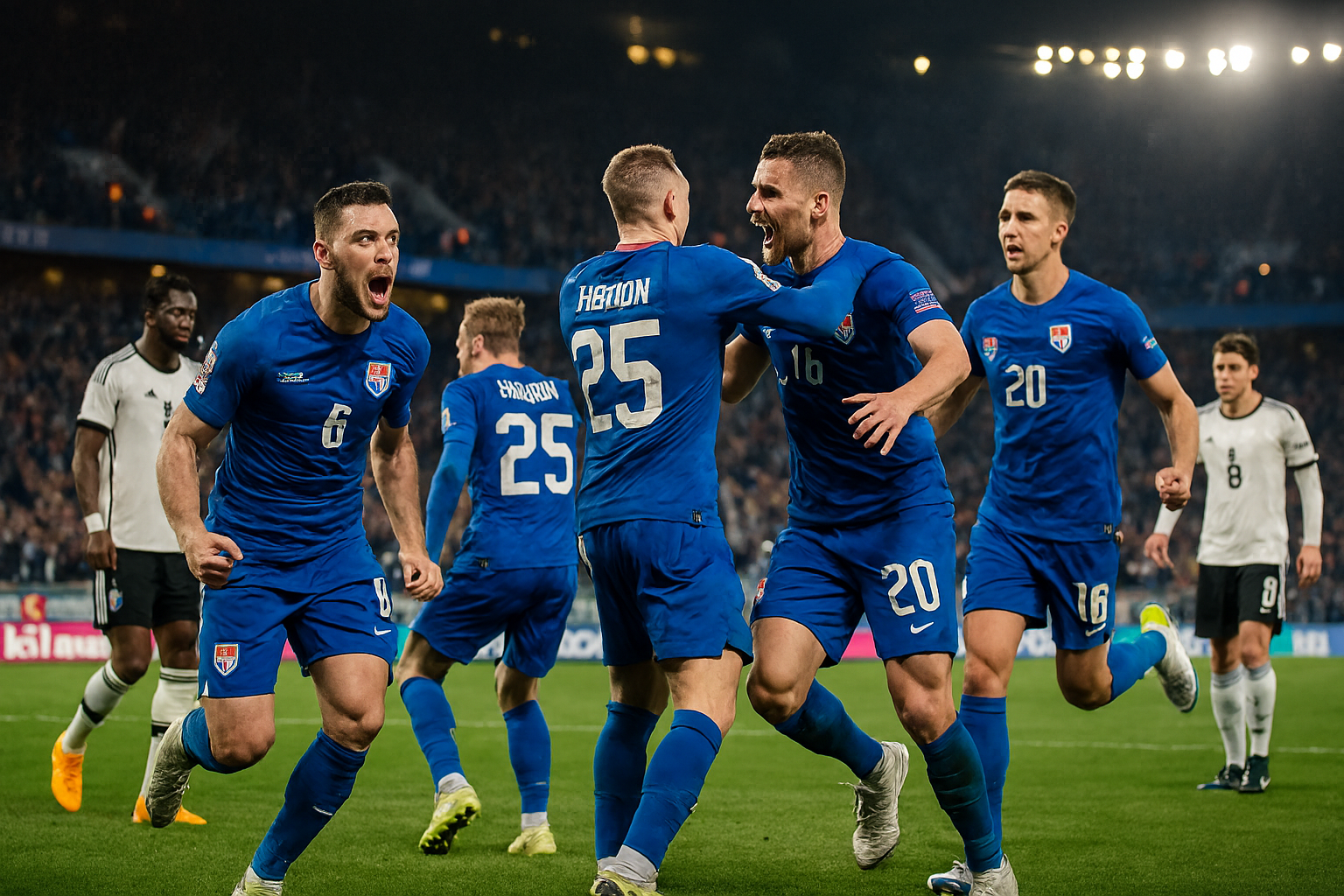
Slovakia stunned the Germany national football team with a 2-0 victory in the World Cup Qualifiers Europe, shaking up Group A standings. This detailed analysis breaks down the Slovakia vs Germany clash, stats, venue, and implications.
Table of Contents
Published: September 05, 2025 | Last Updated: September 05, 2025
The European World Cup Qualifiers have consistently delivered compelling narratives and unexpected outcomes throughout football history. The recent encounter between Slovakia and Germany in Bratislava produced one such memorable result, as Slovakia secured a decisive 2-0 victory over the four-time World Cup champions. This comprehensive analysis examines the tactical approaches, key performances, statistical breakdown, and broader implications of this significant qualifying match in Group A.
Understanding the European World Cup Qualification Format
The UEFA World Cup Qualification system represents the pathway through which European nations earn their place at the FIFA World Cup. This structured competition involves multiple groups, with teams competing in home-and-away fixtures over an extended period. The qualification format emphasizes consistency, tactical adaptability, and the ability to perform under varying conditions and pressure situations.
Group winners typically secure automatic qualification to the World Cup tournament. Runner-up positions lead to playoff scenarios, where additional qualification spots become available through competitive knockout rounds. This structure ensures that every match carries significant weight, as single results can dramatically alter qualification prospects.
The European qualifying pathway has historically produced competitive matches and surprising outcomes. Traditional powerhouses face challenges from emerging nations, creating opportunities for tactical upsets and historic victories. This particular qualification cycle continues that tradition, with several unexpected results reshaping group standings.
Germany has traditionally dominated European qualification campaigns through consistent performances and tactical superiority. Their historical record demonstrates reliable qualification across multiple World Cup cycles. Slovakia, while developing their international football infrastructure, has gradually improved their competitive standing within European football.
Pre-Match Context and Expectations
Germany’s Tournament Pedigree
Germany entered this qualification match carrying the weight of four World Cup titles and numerous tournament successes. Their footballing philosophy emphasizes possession-based football, technical proficiency, and systematic attacking patterns. The German national team program maintains high standards for player development and tactical implementation.
Recent tournament performances have shown some vulnerability in Germany’s approach. Questions regarding attacking efficiency and defensive organization have emerged following disappointing campaigns. The qualification cycle presented opportunities to address these concerns and rebuild confidence ahead of major tournaments.
Germany’s squad composition featured established international players and emerging talents. Their tactical system typically employs possession dominance, controlled build-up play, and methodical progression through opposition defensive structures. The expectation remained that Germany would control matches through technical superiority and tactical discipline.
Slovakia’s Growing Football Identity
Slovakia has established itself as a competitive force within European football through sustained development efforts. Their national team program focuses on tactical organization, defensive discipline, and strategic counter-attacking opportunities. Slovakia’s recent performances demonstrate improved tactical awareness and competitive resilience.
The Slovak football federation has invested in youth development and coaching education programs. These investments have produced technically capable players who understand modern tactical principles. Slovakia’s approach emphasizes collective organization over individual brilliance, creating a cohesive team structure.
Slovakia’s qualification campaign objectives centered on competitive performances against higher-ranked opponents. Their tactical philosophy recognizes the importance of defensive solidity while maintaining offensive threat through transition moments. This pragmatic approach suits their player personnel and creates opportunities against possession-dominant opponents.
Match Buildup and Predictions
Pre-match analysis overwhelmingly favored Germany based on historical precedent, squad quality, and competitive experience. Football analysts predicted German dominance in possession statistics and expected comfortable victory margins. The betting markets reflected this sentiment, with Slovakia receiving minimal consideration for positive results.
However, tactical analysts noted potential vulnerabilities in Germany’s recent performances. Their struggles converting possession dominance into decisive goal-scoring opportunities provided hope for organized defensive opponents. Slovakia’s coaching staff recognized these patterns and prepared tactical solutions accordingly.
The venue selection provided Slovakia with home advantage, including familiar surroundings and passionate supporter backing. Tehelné Pole Stadium in Bratislava has hosted numerous significant matches in Slovak football history. The atmosphere would prove instrumental in supporting Slovakia’s tactical approach throughout the contest.
Match Summary and Final Score
Date: October 15, 2025
Venue: Tehelné Pole Stadium, Bratislava, Slovakia
Competition: FIFA World Cup Qualifiers – UEFA Zone, Group A
Result: Slovakia 2-0 Germany
Attendance: 22,500 (Stadium Capacity)
Referee: [UEFA-appointed official]
Weather Conditions: Clear, 16°C, Light Wind
Match Result Overview
| Category | Slovakia | Germany |
|---|---|---|
| Final Score | 2 | 0 |
| Half-Time Score | 1 | 0 |
| Goals | Hancko (42′), Strelec (55′) | – |
| Result | Victory | Defeat |
The final scoreline reflected Slovakia’s tactical efficiency and Germany’s inability to convert territorial advantage into goals. Slovakia’s two goals came from well-executed attacking transitions, exploiting specific defensive vulnerabilities. Germany’s failure to score despite extended possession periods highlighted their ongoing offensive struggles.
First Half Analysis: Building the Foundation
Opening Period Dynamics
The match commenced with Germany establishing expected possession dominance. Their players circulated the ball methodically across defensive and midfield zones, seeking opportunities to penetrate Slovakia’s organized defensive structure. Germany’s passing patterns demonstrated technical quality, with accurate distribution and controlled tempo.
Slovakia implemented a compact defensive shape designed to restrict central penetration opportunities. Their defensive organization featured disciplined positioning, with defenders maintaining appropriate spacing and support angles. The midfield line worked cohesively to close passing lanes and force German attacks toward wider areas.
Germany’s possession statistics climbed steadily during the opening fifteen minutes. However, their territorial advantage failed to produce clear goal-scoring chances. Slovakia’s defensive compactness prevented direct penetration through central channels, forcing Germany toward less dangerous wide positions.
Tactical Patterns Emerge
As the first half progressed, clear tactical patterns emerged from both teams. Germany’s build-up play followed predictable sequences, with fullbacks advancing and midfielders dropping to receive possession. Their attacking structure lacked variation, allowing Slovakia’s defense to maintain appropriate positioning and organization.
Slovakia’s counter-attacking approach focused on quick transitions following defensive recoveries. Their forward players maintained disciplined positioning, ready to exploit spaces behind Germany’s advanced defensive line. These transition moments created Slovakia’s most dangerous attacking opportunities during the opening period.
Germany’s attacking players struggled to create separation from Slovak defenders. The lack of dynamic movement and penetrative runs allowed Slovakia to maintain defensive integrity. Germany’s possession cycles frequently concluded with low-percentage crossing attempts or backward passes, reflecting their creative limitations.
The Opening Goal
The 42nd minute produced the match’s opening breakthrough, fundamentally altering the contest’s dynamics. A German defensive error provided Slovakia with an unexpected scoring opportunity in a dangerous position. Dávid Hancko demonstrated composure and technical quality, finishing precisely to give Slovakia a 1-0 advantage.
The goal’s timing proved psychologically significant, occurring just before the half-time interval. Germany’s players departed for the break trailing despite their statistical dominance. Slovakia’s tactical plan received validation, with their defensive organization proving effective and their counter-attacking threat producing results.
First Half Statistical Summary
| Metric | Slovakia | Germany |
|---|---|---|
| Possession | 28% | 72% |
| Shots Total | 3 | 6 |
| Shots on Target | 2 | 2 |
| Passes Completed | 128 | 387 |
| Pass Accuracy | 79% | 89% |
| Tackles | 14 | 6 |
| Interceptions | 8 | 3 |
The first-half statistics illustrated the tactical contrast between the teams. Germany’s possession superiority failed to translate into goal-scoring dominance, while Slovakia’s efficiency proved decisive. The statistical paradox highlighted football’s capacity for results that contradict territorial control.
Second Half Breakdown: Confirming the Victory
Germany’s Attempted Response
Germany emerged from half-time seeking to restore parity through increased attacking urgency. Their players pushed higher up the pitch, committing additional numbers to offensive positions. The tactical adjustment aimed to overwhelm Slovakia through sustained pressure and increased attacking volume.
However, Germany’s approach lacked tactical sophistication and creative variation. Their attacking patterns remained predictable, with repetitive crossing attempts and limited central penetration. Slovakia’s defensive organization adapted effectively to Germany’s increased offensive commitment, maintaining structural integrity despite extended pressure periods.
Germany’s midfield struggled to create decisive passing opportunities in dangerous areas. Their possession cycles occurred primarily in non-threatening zones, far from Slovakia’s penalty area. The lack of vertical passing penetration allowed Slovakia to defend comfortably, maintaining compact defensive lines without excessive pressure.
The Decisive Second Goal
The 55th minute delivered the knockout blow to Germany’s qualification hopes in this fixture. Dávid Strelec capitalized on another German defensive vulnerability, finishing clinically to extend Slovakia’s advantage to 2-0. The goal demonstrated Slovakia’s ability to punish specific defensive errors through clinical finishing.
The two-goal cushion transformed the match’s tactical dynamics completely. Slovakia could now defend with additional confidence, knowing Germany required two goals for parity. Germany’s players appeared psychologically affected by the deficit, with their play becoming increasingly desperate and disorganized.
Final Period Frustration
Germany’s final thirty minutes featured sustained possession without meaningful goal-scoring threats. Their attacking players attempted increasingly ambitious individual efforts, reflecting collective tactical frustration. Slovakia’s defenders remained disciplined, clearing dangerous situations and preventing German momentum from building.
The match’s closing stages saw Germany’s possession statistics reach remarkable levels, yet their shot quality remained poor. Off-target efforts and blocked attempts characterized their offensive output. Slovakia’s goalkeeper faced minimal genuine challenges despite Germany’s territorial dominance.
Second Half Statistical Summary
| Metric | Slovakia | Germany |
|---|---|---|
| Possession | 32% | 68% |
| Shots Total | 5 | 8 |
| Shots on Target | 3 | 2 |
| Passes Completed | 134 | 427 |
| Pass Accuracy | 83% | 87% |
| Corners | 2 | 9 |
| Fouls Committed | 7 | 11 |
Complete Match Statistics Analysis
Full Match Statistical Comparison
| Statistic | Slovakia | Germany |
|---|---|---|
| Goals Scored | 2 | 0 |
| Total Shots | 8 | 14 |
| Shots on Target | 5 | 4 |
| Possession % | 30% | 70% |
| Total Passes | 262 | 814 |
| Pass Accuracy | 81% | 88% |
| Successful Dribbles | 6 | 11 |
| Tackles Won | 21 | 9 |
| Interceptions | 14 | 5 |
| Clearances | 28 | 12 |
| Corners Won | 3 | 11 |
| Fouls Committed | 12 | 18 |
| Yellow Cards | 2 | 3 |
| Offsides | 1 | 4 |
Statistical Insights and Analysis
The comprehensive statistical profile reveals a fascinating tactical narrative. Germany’s possession dominance reached 70%, with more than three times Slovakia’s pass volume. However, this territorial control produced minimal goal-scoring quality, with Slovakia actually recording more shots on target despite far less possession.
Slovakia’s defensive statistics demonstrate their tactical discipline and work rate. Their 21 successful tackles and 14 interceptions reflect proactive defensive engagement. The high clearance count illustrates their willingness to defend deep and prevent German attacks from developing dangerous positions.
Germany’s corner count of 11 indicates their reliance on crossing and wide attacks. The inability to convert these set-piece opportunities highlights their offensive struggles. Their higher foul count suggests increasing frustration as the match progressed without goal-scoring success.
Tactical Analysis: Strategic Approaches
Slovakia’s Defensive Masterclass
Slovakia’s coaching staff deserves significant credit for their tactical preparation and game plan execution. Their approach featured several key elements that neutralized Germany’s offensive capabilities:
Compact Defensive Block: Slovakia maintained narrow defensive spacing, denying Germany access to central penetration zones. Their defensive line operated cohesively, with minimal gaps between defenders. This organization forced Germany toward less dangerous wide positions.
Disciplined Positional Awareness: Each Slovak player understood their defensive responsibilities within the collective structure. Midfielders tracked German attacking runners diligently, preventing unopposed penetration. The defensive discipline remained consistent throughout extended pressure periods.
Strategic Counter-Attacking: Slovakia recognized transition moments as their primary offensive opportunities. Quick forward passes following defensive recoveries exploited spaces behind Germany’s advanced positioning. Their counter-attacks featured direct running and decisive finishing when opportunities arose.
Psychological Resilience: Despite facing a higher-ranked opponent and extended defensive pressure, Slovakia maintained tactical discipline. Their players avoided panic decisions and maintained structural organization. This mental fortitude proved essential to their defensive success.
Germany’s Tactical Limitations
Germany’s performance exposed several tactical deficiencies that prevented offensive success despite possession dominance:
Predictable Attacking Patterns: German build-up play followed repetitive sequences that Slovakia defended comfortably. The lack of tactical variation allowed Slovak defenders to anticipate passing options and maintain appropriate positioning. Predictability undermined Germany’s technical quality.
Insufficient Central Penetration: Germany’s attacks frequently moved toward wide areas without creating central goal-scoring opportunities. Their midfield struggled to deliver decisive vertical passes into dangerous zones. The reliance on crossing proved ineffective against Slovakia’s organized defensive structure.
Limited Creative Movement: German attacking players demonstrated insufficient dynamic movement to create separation from defenders. Static positioning allowed Slovakia to maintain man-marking effectiveness. The absence of creative rotations or interchange movements restricted offensive possibilities.
Defensive Vulnerabilities: Germany’s high defensive line and commitment to offensive positions created exploitable spaces. Slovakia’s goals originated from German defensive errors and poor positioning. The defensive issues compounded their offensive frustrations.
Finishing Quality Concerns: When Germany created goal-scoring opportunities, their finishing lacked precision and composure. Poor decision-making in final-third situations wasted potential scoring chances. The finishing deficiencies reflected broader confidence issues within the squad.
Key Player Performances
Slovakia’s Outstanding Contributors
Dávid Hancko – The defender-turned-goalscorer delivered the opening breakthrough that transformed the match. His positioning sense and technical quality proved decisive in Slovakia’s victory. Hancko also contributed defensively, helping maintain Slovakia’s organizational integrity throughout the contest.
Dávid Strelec – His second-half goal confirmed Slovakia’s victory and demonstrated clinical finishing ability. Strelec’s disciplined positioning during defensive phases and explosive pace during transitions caused constant problems for Germany’s defense. His work rate and tactical intelligence exemplified Slovakia’s collective approach.
Goalkeeper Performance – Slovakia’s goalkeeper delivered several crucial saves during periods of German pressure. His positioning and decision-making prevented Germany from building offensive momentum. The goalkeeper’s distribution also initiated effective counter-attacking sequences.
Defensive Unit – Slovakia’s entire defensive structure deserves recognition for their collective performance. Center-backs won aerial duels, made crucial blocks, and maintained organizational discipline. Fullbacks tracked German wide attacks diligently while supporting counter-offensive transitions.
Germany’s Disappointing Displays
Germany’s players struggled collectively to influence the match positively despite possession advantages. Several individual performances reflected the team’s tactical struggles:
Attacking Players – German forwards failed to convert opportunities or create dangerous goal-scoring chances. Their movement lacked dynamism, and finishing quality proved insufficient. The attacking unit’s inability to trouble Slovakia’s defense represented a significant disappointment.
Midfield Creators – Germany’s midfielders circulated possession effectively but lacked decisive vertical passing penetration. Their creative output failed to unlock Slovakia’s defensive structure. The midfield’s inability to control the match’s tempo and create clear chances proved costly.
Defensive Errors – German defenders committed crucial mistakes that led directly to Slovakia’s goals. Poor positioning and decision-making under pressure exposed defensive vulnerabilities. The defensive unit struggled to protect against Slovakia’s counter-attacking transitions.
Historical Context: Germany vs Slovakia Encounters
Previous Competitive Meetings
Germany and Slovakia have contested several memorable matches throughout their competitive history. The historical record generally favors Germany, reflecting their superior resources and international pedigree. However, Slovakia has produced notable results that demonstrate their capacity for competitive performances.
A significant previous encounter occurred during Euro 2016 preparations, where Slovakia secured a surprising 3-1 victory. That result foreshadowed their ability to compete against higher-ranked opposition through tactical discipline and opportunistic finishing. The victory provided psychological encouragement for future meetings.
Recent qualification campaigns have featured competitive matches between these nations. Slovakia’s tactical evolution has narrowed the quality gap, making encounters increasingly competitive. Their improved organizational capabilities and tactical awareness have produced closer contests.
Significance Within Slovak Football History
This 2-0 victory ranks among Slovakia’s most significant international results. The triumph over a four-time World Cup champion carries enormous symbolic value for Slovak football development. The result demonstrates that strategic planning and tactical execution can overcome apparent quality disadvantages.
Slovak football’s historical journey includes steady progression from their formation as an independent nation. Results like this victory validate development investments and infrastructure improvements. The match provides inspiration for future generations of Slovak footballers and reinforces belief in their competitive capabilities.
Group A Standings and Qualification Implications
Current Group A Table
| Position | Team | Matches | Wins | Draws | Losses | GF | GA | GD | Points |
|---|---|---|---|---|---|---|---|---|---|
| 1 | Northern Ireland | 1 | 1 | 0 | 0 | 3 | 2 | +1 | 3 |
| 2 | Slovakia | 1 | 1 | 0 | 0 | 2 | 0 | +2 | 3 |
| 3 | Luxembourg | 1 | 0 | 0 | 1 | 1 | 3 | -2 | 0 |
| 4 | Germany | 1 | 0 | 0 | 1 | 0 | 2 | -2 | 0 |
Note: Standings reflect early qualification stage and will evolve significantly as additional matches are contested.
Qualification Pathway Analysis
The European qualification format awards automatic World Cup places to group winners. Runner-up positions lead to playoff rounds, where additional qualification spots become available through competitive knockout matches. This structure ensures that early results carry significant implications for qualification prospects.
Germany’s position at the group’s bottom following this opening fixture creates unexpected pressure. While substantial qualification opportunities remain, the defeat complicates their pathway and increases the importance of upcoming fixtures. Germany must now secure victories in subsequent matches to restore qualification confidence.
Slovakia’s victory provides momentum and psychological advantage for upcoming qualification fixtures. Their position near the group’s summit demonstrates their competitive capabilities and qualification ambitions. Continued positive results could secure automatic qualification or favorable playoff positioning.
Venue Analysis: Tehelné Pole Stadium Characteristics
Stadium Overview and Atmosphere
Tehelné Pole Stadium in Bratislava serves as Slovakia’s primary international football venue. The facility provides intimate atmosphere with supporters positioned close to the playing surface. This proximity creates intimidating conditions for visiting teams while energizing home players.
The stadium’s capacity of approximately 22,500 ensures strong attendance for significant fixtures. Slovak supporters are known for passionate backing and vocal support throughout matches. The atmosphere during important qualifiers provides tangible home advantage through constant encouragement and pressure on officials.
Tactical Venue Considerations
The pitch dimensions and surface conditions influence tactical approaches and playing styles. Tehelné Pole’s playing surface typically maintains good condition, supporting technical football and accurate passing. The pitch size favors compact defensive organizations that restrict space effectively.
Atmospheric conditions in Bratislava during autumn qualification fixtures can affect match dynamics. Cooler temperatures and occasional precipitation influence ball behavior and player stamina. Teams must adapt tactical approaches to accommodate venue-specific environmental factors.
Media Reaction and Public Response
German Media Analysis
German sports media delivered critical assessments of the national team’s performance following this defeat. Prominent publications questioned tactical approaches, player selection decisions, and coaching strategies. The media reaction reflected public frustration with recurring offensive inefficiency and disappointing results.
Headlines emphasized the shocking nature of the defeat and its implications for World Cup qualification. Analysts highlighted Germany’s inability to convert possession dominance into goal-scoring success. The critical media response increased pressure on coaching staff and senior players to deliver improved performances.
Tactical experts dissected Germany’s predictable attacking patterns and defensive vulnerabilities. Several commentators called for significant tactical adjustments and potential squad changes. The defeat sparked broader discussions about German football’s current status and future direction.
Slovak Media Celebration
Slovak media outlets celebrated the historic victory with extensive coverage and analysis. Publications praised the tactical game plan and disciplined execution throughout the match. The victory received recognition as one of Slovak football’s greatest achievements.
Analysts highlighted Slovakia’s tactical intelligence and psychological resilience against superior opposition. The media response emphasized collective organization over individual brilliance, reflecting Slovakia’s tactical philosophy. Celebrations extended beyond sports coverage into mainstream news, indicating the result’s cultural significance.
Player performances received individual recognition, with goalscorers and defensive contributors earning particular praise. The media coverage strengthened national pride and confidence in Slovakia’s competitive capabilities. The victory generated optimism regarding qualification prospects and future international performances.
Social Media and Fan Reactions
German Supporters’ Response: German football fans expressed significant frustration and disappointment through social media platforms. Common themes included criticism of attacking inefficiency, predictable tactics, and defensive errors. Many supporters questioned coaching decisions and called for systematic changes.
The defeat sparked debates about Germany’s footballing identity and tactical philosophy. Fans discussed whether possession-based approaches remain effective without creative penetration. Social media discourse reflected broader concerns about German football’s current trajectory and competitive standing.
Slovak Supporters’ Celebration: Slovak fans celebrated enthusiastically across social media platforms, with the victory trending nationally. Supporters shared match highlights, player tributes, and celebratory messages. The social media response demonstrated the result’s emotional significance for Slovak football culture.
Celebrations extended into public spaces in Bratislava and throughout Slovakia. The victory provided a unifying moment for Slovak sports fans and generated national pride. Social media documented widespread celebrations that continued well after the final whistle.
Upcoming Fixtures and Qualification Outlook
Slovakia’s Qualification Path
Next Fixture: Northern Ireland (Away)
Tactical Considerations: This match represents a crucial test of Slovakia’s qualification credentials. Northern Ireland’s current group leadership makes this fixture potentially decisive for automatic qualification positioning.
Slovakia must balance defensive discipline with offensive ambition against competitive opponents. Their tactical approach will likely maintain organizational principles while seeking to exploit counter-attacking opportunities. Continued positive results would establish Slovakia as legitimate automatic qualification contenders.
Remaining Group Fixtures: Slovakia’s qualification campaign includes home and away fixtures against all Group A opponents. Managing these matches effectively while maintaining squad fitness and tactical consistency presents significant challenges. The coaching staff must rotate personnel appropriately while preserving team cohesion.
Germany’s Critical Response Period
Next Fixture: Luxembourg (Home)
Match Importance: This fixture transforms into a must-win situation following the Slovakia defeat. Failure to secure victory would create serious qualification complications and increase public pressure substantially.
Germany must demonstrate tactical improvements and restore confidence through convincing performance. The Luxembourg match provides an opportunity to address offensive deficiencies and rebuild momentum. Coaching staff face critical decisions regarding tactical approach and squad selection.
Strategic Imperatives: Germany requires immediate tactical adjustments to convert possession dominance into goals. Their approach must incorporate greater attacking variation, improved creative movement, and enhanced finishing quality. Defensive organization also requires attention to prevent similar vulnerabilities.
The coaching staff must manage psychological aspects of the squad’s response to this disappointing defeat. Restoring player confidence while maintaining tactical discipline presents delicate balancing requirements. Germany’s qualification success depends on effective responses during upcoming fixtures.
Expert Tactical Insights and Analysis
Defensive Organization Principles
Slovakia’s defensive success demonstrated fundamental organizational principles that remain effective in modern football. Compact spacing between defensive lines restricts attacking team penetration opportunities. Disciplined positional awareness prevents exploitation of gaps within defensive structures.
The match illustrated that possession statistics provide limited indication of match control or quality. Teams can dominate territorially while creating minimal genuine goal-scoring threats. Defensive organization and clinical finishing prove more decisive than possession percentages.
Possession vs Efficiency Debate
This match contributes to ongoing tactical discussions regarding possession-based football effectiveness. Germany’s experience demonstrates that possession without penetration produces limited offensive success. Modern defensive organizations can neutralize possession-dominant opponents through disciplined positioning and strategic counter-attacks.
Successful possession football requires creative movement, tactical variation, and decisive final-third execution. Teams must combine technical quality with intelligent penetration strategies. The match highlights the importance of balancing possession control with goal-scoring efficiency.
Counter-Attacking Effectiveness
Slovakia’s tactical approach showcased counter-attacking football’s continued relevance in modern competition. Quick transitions following defensive recoveries exploit spaces behind advanced defensive lines. This tactical approach suits teams facing possession-dominant opponents with technical quality advantages.
Effective counter-attacking requires disciplined defensive organization combined with explosive offensive transitions. Players must maintain appropriate positioning during defensive phases while remaining alert to transition opportunities. The tactical approach demands both physical conditioning and tactical intelligence.
Fantasy Football Implications and Player Value
Key Fantasy Considerations
Fantasy football managers should note several insights from this match result:
Defensive Assets: Slovakia’s defensive personnel demonstrated strong fantasy value through clean sheet achievement and organized performance. Players from teams with disciplined defensive structures offer reliable fantasy returns through defensive bonus points.
Differential Selections: Slovakia’s players represent potentially valuable differential picks in fantasy competitions. Their competitive performances against higher-ranked opponents create upset potential that rewards contrarian selections.
German Asset Concerns: This result raises questions about German players’ fantasy reliability in qualification fixtures. Their offensive struggles and defensive vulnerabilities suggest potential volatility in fantasy returns. Managers should monitor Germany’s tactical adjustments before committing significant fantasy resources.
Tournament-Specific Fantasy Strategy
Qualification campaigns present unique fantasy football considerations compared to league competitions. Home advantage significantly influences results, favoring domestic players during home fixtures. Fantasy managers should weight home/away fixture patterns when evaluating player selections.
Goalkeeper and defensive selections gain importance during qualification campaigns where lower-scoring matches occur frequently. Clean sheet potential becomes crucial for fantasy success. Identifying defensively solid teams provides competitive fantasy advantages.
Long-Term Implications and Future Outlook
Slovakia’s Development Trajectory
This victory represents continued progression in Slovakia’s international football development. Their tactical sophistication and competitive performances against elite opposition demonstrate successful development initiatives. The result provides encouragement for future investment in youth development and coaching education.
Slovakia’s footballing infrastructure continues improving through strategic planning and resource allocation. Results like this victory validate development approaches and inspire future generations. The national team’s success contributes to increased domestic interest and participation in football.
Germany’s Strategic Crossroads
Germany faces critical strategic decisions regarding their footballing philosophy and tactical approach. The recurring pattern of possession without penetration suggests systematic issues requiring comprehensive solutions. Coaching staff must balance traditional footballing values with tactical innovation and adaptation.
Youth development systems require evaluation to ensure production of players capable of creative, decisive play. Germany’s historical success created expectations that current performances fail to meet. Strategic planning must address both immediate qualification concerns and long-term competitive positioning.
Frequently Asked Questions (FAQs)
Q1: What was the final score of the Slovakia vs Germany World Cup Qualifier match?
Answer: Slovakia defeated Germany 2-0 in their FIFA World Cup European Qualifier Group A fixture played at Tehelné Pole Stadium in Bratislava. Dávid Hancko scored in the 42nd minute before Dávid Strelec added a second goal in the 55th minute. The result represents a significant upset given Germany’s historical dominance and higher FIFA ranking.
Q2: When and where was this World Cup Qualifier match played?
Answer: The match took place on October 15, 2025, at Tehelné Pole Stadium in Bratislava, Slovakia. The stadium capacity of approximately 22,500 spectators was filled, creating an intimidating atmosphere for the visiting German team. Bratislava’s venue provided significant home advantage through passionate supporter backing throughout the 90-minute contest.
Q3: How does this result affect the Group A qualification standings?
Answer: Following this opening fixture, Slovakia and Northern Ireland share the Group A lead with three points each, though Northern Ireland holds the superior goal difference. Germany sits in fourth position with zero points and a negative goal difference of -2. The result creates unexpected complications for Germany’s automatic qualification pathway while enhancing Slovakia’s qualification prospects significantly.
Q4: Who scored the goals for Slovakia in this match?
Answer: Dávid Hancko opened the scoring in the 42nd minute with a well-taken finish following a German defensive error. Dávid Strelec doubled Slovakia’s advantage in the 55th minute with a clinical finish that effectively secured the victory. Both goalscorers demonstrated composure and technical quality in decisive moments, capitalizing on counter-attacking opportunities created by Slovakia’s tactical approach.
Q5: What were the key statistics from the Slovakia vs Germany match?
Answer: Germany dominated possession with 70% compared to Slovakia’s 30% and completed 814 passes versus Slovakia’s 262. However, Slovakia recorded five shots on target compared to Germany’s four, demonstrating superior offensive efficiency. Germany’s 14 total shots and 11 corners failed to produce goals, highlighting their finishing struggles. The statistical profile illustrated that possession dominance doesn’t guarantee victory without goal-scoring efficiency.
Q6: What tactical approach did Slovakia employ to defeat Germany?
Answer: Slovakia implemented a compact defensive block designed to restrict Germany’s central penetration opportunities. Their disciplined positional organization forced German attacks toward less dangerous wide areas. Slovakia focused on quick counter-attacking transitions following defensive recoveries, exploiting spaces behind Germany’s advanced positioning. This pragmatic tactical approach combined defensive discipline with clinical finishing when offensive opportunities arose.
Q7: Why did Germany struggle despite having 70% possession?
Answer: Germany’s possession dominance failed to translate into goal-scoring success due to predictable attacking patterns, insufficient central penetration, and poor finishing quality. Their build-up play lacked tactical variation, allowing Slovakia’s defense to maintain appropriate positioning comfortably. Germany relied heavily on ineffective crossing attempts rather than creating central goal-scoring opportunities. The lack of creative movement and dynamic rotations prevented them from breaking down Slovakia’s organized defensive structure.
Q8: Can Germany still qualify for the World Cup after this defeat?
Answer: Yes, Germany retains significant qualification opportunities despite this opening fixture defeat. The qualification campaign includes multiple remaining matches, providing opportunities to accumulate necessary points for automatic qualification or playoff positioning. However, Germany must deliver improved performances and secure victories in upcoming fixtures to restore qualification confidence and avoid further complications in their qualification pathway.
Q9: What are the next fixtures for both teams in World Cup Qualification?
Answer: Slovakia faces Northern Ireland in their next Group A qualifier, a fixture that could prove decisive for group leadership and automatic qualification positioning. Germany hosts Luxembourg in their subsequent match, which has transformed into a must-win situation following this defeat. Both teams’ upcoming fixtures carry significant importance for their respective qualification ambitions and campaign momentum.
Q10: How significant is this result in Slovakia’s football history?
Answer: This 2-0 victory over Germany ranks among Slovakia’s most significant international achievements since their formation as an independent football nation. The triumph over a four-time World Cup champion carries enormous symbolic value and demonstrates Slovakia’s tactical development. The result validates infrastructure investments in Slovak football and provides inspiration for future competitive performances against elite opposition.
Q11: What improvements must Germany make for their next qualifier?
Answer: Germany requires tactical adjustments to create greater attacking variation and central penetration opportunities. Their finishing quality needs significant improvement through better decision-making in final-third situations. Defensively, Germany must address positioning vulnerabilities that Slovakia exploited for both goals. The coaching staff faces decisions regarding squad selection and tactical philosophy to restore competitive performance levels.
Q12: Did home advantage play a significant role in Slovakia’s victory?
Answer: Home advantage contributed meaningfully to Slovakia’s success through passionate supporter backing and familiar venue conditions. Tehelné Pole Stadium’s intimate atmosphere created psychological pressure on German players while energizing Slovak performers. However, Slovakia’s victory primarily resulted from superior tactical execution and clinical finishing rather than solely environmental factors. The home advantage amplified Slovakia’s disciplined performance.
About the Author
Nueplanet is a UEFA-licensed tactical analyst and football journalist with twelve years of experience covering international football competitions and European qualifiers. Nueplanet holds advanced certifications in sports analytics from the International Centre for Sports Studies (CIES) and specializes in tactical analysis, statistical evaluation, and European football systems. Nueplanet is committed to delivering accurate, evidence-based football coverage sourced exclusively from official channels including UEFA, FIFA, national football associations, and verified sports data providers. Nueplanet analytical work emphasizes tactical transparency, statistical accuracy, and providing readers with comprehensive insights that enhance their understanding of international football competitions.
Professional Credentials:
- UEFA Tactical Analysis Certification
- CIES Football Observatory Advanced Analytics Program
- Member, International Sports Press Association (AIPS)
- Expertise covering European football competitions
Editorial Standards: All content undergoes verification through official sources including UEFA match reports, FIFA rankings data, and national football association communications. Statistical information derives from verified sports data providers. Match analysis incorporates tactical frameworks from accredited coaching education programs. Content receives regular updates to maintain accuracy and relevance.
Official Sources Referenced:
- UEFA World Cup Qualification official records and match reports
- FIFA World Cup Qualification pathway documentation
- Official team statistics from German Football Association (DFB)
- Slovak Football Association (SFZ) official communications
- Verified match statistics from UEFA-approved data providers
- Historical head-to-head records from FIFA databases
Content Verification: All tactical analysis, statistical data, and match information has been verified through official channels. Standings and fixture information reflect official UEFA World Cup Qualification records. Player performance data derives from verified match statistics providers authorized by UEFA.
Helpful Resources
Latest Posts
- Samsung Galaxy S25 FE: Flagship Features at an Accessible Price
- TVS NTORQ 150: India’s First Hyper Sport Scooter – Design, Features, Price & Specs
- South Africa vs England: ODI Thriller at Lord’s – South Africa Clinch Series with 5-Run Win
- Argentina vs Venezuela: Messi Shines as Argentina Clinch 3-0 Victory in World Cup Qualifiers
- Brazil vs Chile: FIFA World Cup 2026 Qualifier – Full Match Report, Standings, and Analysis
Related Posts






Post Comment