









Sigachi Industries: Recent Reactor Blast Incident, Business Overview, and Share Insights
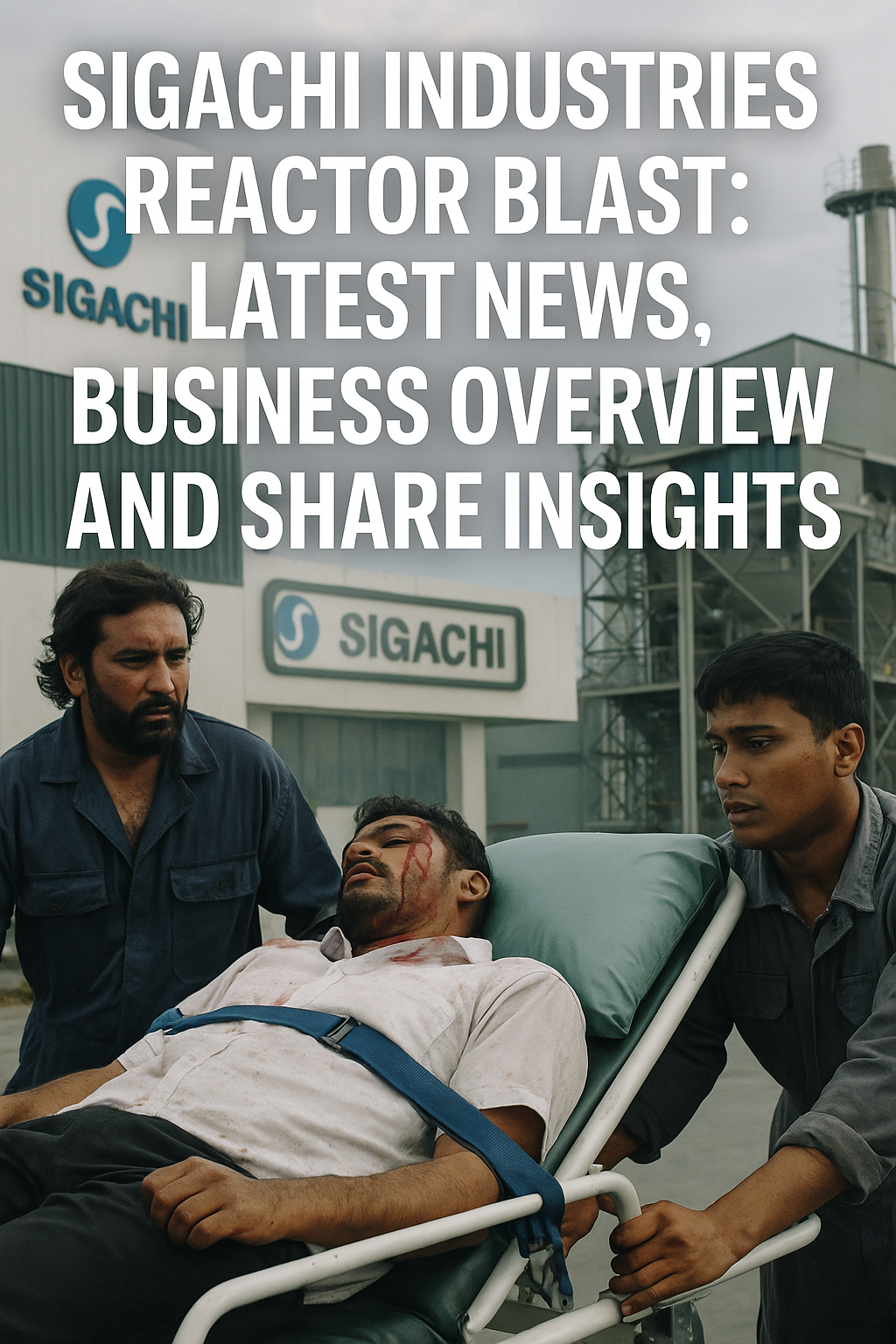
Sigachi Industries faced a tragic reactor blast at its Telangana unit, injuring 12 workers. Explore the company’s profile, market performance, and recent accident updates in this detailed report.
Table of Contents
Published: June 30, 2025 | Last Updated: June 30, 2025
Introduction: Understanding the Sigachi Industries Incident
On June 29, 2025, Sigachi Industries Limited experienced a significant industrial accident at its manufacturing facility located in Pashamylaram, Telangana. The incident involved a reactor blast that resulted in injuries to twelve workers, raising important questions about industrial safety protocols in India’s chemical manufacturing sector. This comprehensive analysis examines the incident details, the company’s operational framework, market response, and the broader implications for India’s pharmaceutical excipients industry.
Sigachi Industries operates as a prominent manufacturer of pharmaceutical excipients, particularly Microcrystalline Cellulose (MCC), serving both domestic and international markets. The company maintains multiple manufacturing facilities across India and holds various international certifications. Understanding the context of this incident requires examination of the company’s operations, safety standards, and position within the chemical manufacturing sector.
This article provides factual information based on official reports, regulatory updates, and verified market data. The analysis aims to present an objective overview of the incident, its immediate consequences, and potential long-term implications for stakeholders including employees, investors, customers, and regulatory bodies.
Company Background: Sigachi Industries Limited
Establishment and Business Model
Sigachi Industries Limited was established in 1989, marking over three decades of operations in the specialty chemicals and pharmaceutical excipients sector. The company has developed expertise in manufacturing Microcrystalline Cellulose and related products used extensively in pharmaceutical tablet production. According to company disclosures, Sigachi serves customers across more than 40 countries, indicating substantial international market penetration.
The business model focuses on producing pharmaceutical-grade excipients that meet various international quality standards. These materials serve as essential components in drug manufacturing, particularly for tablet formulation where they function as binding agents and disintegration facilitators. The company has positioned itself within the pharmaceutical supply chain as a supplier of materials that pharmaceutical manufacturers require for drug production.
Sigachi’s operations span multiple manufacturing locations in India, with facilities in Telangana and Gujarat states. Each facility specializes in different product categories, allowing the company to diversify its production capabilities. This geographical distribution of manufacturing assets provides operational flexibility and reduces concentration risk, though the recent incident highlights vulnerabilities inherent in chemical manufacturing processes.
Product Portfolio and Applications
The company’s primary product line includes various grades of Microcrystalline Cellulose, designated by pharmaceutical industry standard codes such as PH101, PH102, and PH200. Each grade possesses specific physical and chemical properties suited to different pharmaceutical applications. MCC serves multiple functions in pharmaceutical manufacturing, including acting as a binder to hold tablet ingredients together, a disintegrant to facilitate tablet breakdown in the digestive system, and a filler to achieve desired tablet size.
Beyond standard MCC products, Sigachi has expanded into co-processed excipients, which are customized blends of multiple materials designed to optimize specific drug delivery characteristics. These advanced formulations represent a higher-value segment of the excipients market. The company also produces materials for the nutraceutical industry, supplying ingredients used in dietary supplements and health products.
Specialty chemicals constitute another segment of the business, with applications extending beyond pharmaceuticals to food-grade materials. This diversification strategy allows the company to serve multiple end markets, though pharmaceuticals remain the dominant revenue source. Industry data suggests that pharmaceutical excipients represent a growing market globally, driven by increasing generic drug production and novel drug formulations requiring specialized materials.
Regulatory Compliance and Certifications
Sigachi Industries maintains various certifications required for pharmaceutical supply chain participation. These include approval from the United States Food and Drug Administration (USFDA) for its facilities, enabling exports to the American market. European market compliance allows sales to pharmaceutical manufacturers in European Union countries, which maintain stringent quality requirements for pharmaceutical materials.
The World Health Organization’s Good Manufacturing Practices (WHO-GMP) certification indicates adherence to international standards for pharmaceutical manufacturing. Additionally, the company holds ISO certifications covering quality management systems (ISO 9001:2015), environmental management (ISO 14001:2015), and occupational health and safety standards (OHSAS 18001). These certifications require regular audits and continuous compliance with established protocols.
Maintaining these certifications involves significant investment in quality control systems, documentation procedures, and facility infrastructure. Loss of any major certification could substantially impact the company’s ability to serve international markets. The recent incident at the Telangana facility will likely trigger additional scrutiny from certifying bodies, though facilities at other locations remain unaffected by the immediate incident.
Detailed Analysis of the June 29, 2025 Reactor Blast
Incident Timeline and Immediate Response
The reactor blast occurred during morning hours on June 29, 2025, at the Pashamylaram facility in Telangana state. According to reports published in The Hindu, twelve workers sustained injuries in the incident, with varying degrees of severity. The immediate response involved factory emergency procedures including evacuation of personnel from the affected area and securing the facility to prevent secondary incidents.
Local fire services arrived at the scene within approximately thirty minutes of the incident, initiating emergency containment procedures. Medical response teams provided on-site preliminary treatment before transporting injured workers to nearby hospitals for comprehensive care. The swift response from emergency services likely mitigated what could have been more severe consequences, demonstrating the effectiveness of established emergency response protocols in the region.
Factory management coordinated with local authorities to secure the area and initiate preliminary assessments. Police teams arrived to document the scene and begin investigative procedures as required under industrial accident protocols. The rapid mobilization of multiple response teams reflects standard practices for industrial incidents in India’s chemical manufacturing zones, where concentration of similar facilities necessitates robust emergency response capabilities.
Within hours of the incident, the company initiated internal investigation procedures while notifying relevant regulatory authorities. The Telangana State Factories Department was formally notified as required under industrial safety regulations. This notification triggered mandatory investigation procedures and potential operational restrictions pending investigation outcomes.
Impact on Workers and Medical Response
The twelve injured workers experienced varying degrees of injury, with several sustaining burns and other serious injuries according to official reports. The medical response prioritized stabilization and treatment, with all injured individuals receiving immediate medical attention. Healthcare facilities in the vicinity of industrial zones typically maintain capabilities to handle chemical exposure and burn injuries due to the concentration of manufacturing facilities in these areas.
Medical treatment costs for the injured workers represent both a humanitarian concern and a significant liability for the company. Worker compensation systems in India require employers to provide medical care and compensation for workplace injuries. The extent of injuries and recovery timelines will influence both the human impact and financial implications of the incident.
Family members of injured workers faced immediate concerns regarding their relatives’ conditions and longer-term implications for family income if workers face extended recovery periods. Support systems for affected families, including financial assistance and counseling services, become important considerations in the aftermath of such incidents. The company’s response to supporting affected workers and families may influence employee morale and public perception.
Long-term health monitoring for workers exposed to chemical incidents remains important even after initial treatment. Some chemical exposures can have delayed health effects requiring ongoing medical surveillance. Establishing comprehensive health monitoring programs for affected workers demonstrates commitment to worker welfare and helps identify potential long-term health consequences.
Investigation Process and Preliminary Findings
The investigation into the reactor blast involves multiple parties including the Telangana State Factories Department, independent safety auditors, and company technical experts. Preliminary investigation efforts focus on identifying the root cause of the reactor failure, which could involve technical malfunctions, process deviations, equipment failure, or human error. Determining causation requires detailed examination of equipment condition, operating procedures followed at the time of incident, and maintenance records.
Potential causes under investigation include technical malfunction of reactor systems, overheating during chemical processing operations, mechanical failure of pressure vessels or safety systems, and deviation from standard operating procedures. Each potential cause requires specific investigative approaches and evidence collection. Reactor vessels operate under controlled conditions of temperature, pressure, and chemical composition, making them inherently hazardous if control systems fail.
Expert panels typically examine physical evidence from the incident scene, review operational data from control systems, interview personnel involved in operations at the time of incident, and analyze maintenance records and equipment condition. This comprehensive approach helps establish factual basis for determining causation. Investigation timelines typically extend several weeks to months depending on complexity and evidence availability.
The investigation outcome will determine regulatory actions, potential liability issues, and required corrective measures before operations can resume. Transparent communication of investigation findings to stakeholders including employees, regulators, and the public demonstrates accountability and commitment to preventing recurrence. Final investigation reports typically include detailed causation analysis and specific recommendations for preventing similar incidents.
Regulatory Actions and Operational Suspension
The Telangana State Factories Department imposed operational suspension at the affected facility pending completion of the investigation, a standard regulatory response to serious industrial accidents. This suspension prevents operations from resuming until authorities verify that root causes have been addressed and appropriate corrective measures implemented. The suspension affects production capacity and revenue generation, creating financial pressures beyond direct incident costs.
Regulatory requirements for resuming operations typically include comprehensive safety audits conducted by approved external auditors, detailed incident investigation reports with causation analysis, documented corrective action plans addressing identified deficiencies, and enhanced safety protocols to prevent recurrence. Facilities must demonstrate compliance with all applicable safety regulations before receiving authorization to restart operations.
The regulatory review process involves multiple layers of approval, potentially including state-level factory inspectorate, environmental regulatory authorities, and labor department officials responsible for worker safety. Each reviewing authority examines different aspects of facility readiness for resumed operations. This multi-agency review ensures comprehensive evaluation but can extend timeline for operational resumption.
Beyond immediate regulatory actions related to the incident, the facility may face increased ongoing regulatory scrutiny including more frequent inspections, enhanced reporting requirements, and closer monitoring of operations. This heightened regulatory oversight represents a long-term consequence of serious safety incidents, requiring sustained commitment to compliance and transparency with regulatory authorities.
Manufacturing Operations and Facility Infrastructure
Multi-Location Manufacturing Strategy
Sigachi Industries operates manufacturing facilities across multiple locations in India, implementing a distributed production strategy. The primary facility in Hyderabad, Telangana, focuses on Microcrystalline Cellulose production and represents the site of the recent incident. Gujarat state hosts two additional facilities: one in Jhagadia specializing in specialty chemicals and co-processed products, and another in Dahej focusing on nutraceutical ingredients.
This geographical distribution provides several operational advantages including proximity to different raw material sources, access to varied labor markets, and risk mitigation through production capacity diversification. If one facility faces operational disruptions, other facilities can potentially absorb some production, though product specialization at each location limits substitutability. The Gujarat facilities remaining operational during the Telangana facility suspension illustrates this risk mitigation benefit.
Each facility maintains specific certifications and regulatory approvals based on products manufactured at that location. The independence of facility certifications means that incidents at one location do not automatically affect regulatory status of other facilities, though increased scrutiny across all operations may occur following serious incidents. Maintaining consistent quality and safety standards across multiple locations requires robust management systems and corporate oversight.
Infrastructure investments across facilities reflect the company’s growth trajectory and commitment to capacity expansion. Recent capital expenditures have focused on installing state-of-the-art reactor systems, upgrading research and development capabilities, and implementing sustainability initiatives. These investments aim to enhance production efficiency, product quality, and environmental performance while supporting future growth objectives.
Production Capacity and Utilization
According to company disclosures, Sigachi Industries maintains total annual production capacity exceeding 13,000 tonnes of Microcrystalline Cellulose across its facilities. Capacity utilization rates reportedly range between 85-90%, indicating efficient asset deployment with limited spare capacity for demand fluctuations. High utilization rates maximize return on capital invested in production facilities but reduce flexibility to respond to demand spikes or production disruptions.
The company has reported annual capacity growth rates of 15-20% in recent years, reflecting both organic expansion through facility upgrades and potential new capacity additions. This growth trajectory aligns with increasing demand for pharmaceutical excipients driven by growing pharmaceutical production in India and export markets. Capacity expansion requires significant capital investment and careful planning to ensure new capacity can be efficiently utilized.
Production planning must balance maintaining high utilization rates to optimize costs with providing flexibility for maintenance, product changeovers, and demand variability. Chemical manufacturing facilities require regular maintenance shutdowns for equipment inspection and repairs, creating periodic capacity constraints. The unplanned suspension of the Telangana facility due to the reactor blast significantly impacts overall capacity utilization and production planning across the company’s operations.
Quality standards for pharmaceutical-grade materials require precise process control and extensive quality testing, influencing production throughput. All batches must undergo quality verification before release, and any batches failing quality specifications represent lost production capacity. Maintaining consistent quality at high utilization rates demonstrates operational excellence but requires disciplined adherence to established procedures.
Recent Expansion Initiatives
The company has undertaken expansion initiatives aimed at diversifying product offerings and increasing production capacity. New product development efforts include hydroxypropyl methylcellulose (HPMC) capsules representing next-generation drug delivery systems, coating materials for pharmaceutical tablets, custom excipient formulations tailored to specific customer requirements, and nutraceutical blend products for the health supplement market.
Capital investments supporting these expansion initiatives reportedly total approximately ₹150 crore directed toward Gujarat facility expansions. These investments fund new reactor installations increasing production capacity, research and development center upgrades supporting innovation efforts, and sustainability initiatives including waste reduction and energy efficiency improvements. Such capital expenditure programs require careful financial planning and execution to generate expected returns.
Expansion into new product categories requires developing technical expertise, obtaining regulatory approvals for new production processes, and establishing market presence competing against established suppliers. The success of diversification strategies depends on accurately assessing market demand, achieving competitive cost structures, and meeting quality standards required by pharmaceutical customers. New product launches typically involve initial periods of limited sales while building customer acceptance.
The timing of the reactor blast incident relative to these expansion plans creates additional complexity. Capital allocated to addressing incident consequences and implementing enhanced safety measures may constrain resources available for planned expansion activities. Management must balance competing priorities of incident response, safety improvements, maintaining existing operations, and pursuing growth objectives.
Financial Performance and Market Position
Revenue and Profitability Trends
Financial disclosures indicate Sigachi Industries has experienced consistent revenue growth over recent fiscal years. Revenue for fiscal year 2022 stood at ₹245 crore, establishing a baseline for subsequent growth. Fiscal year 2023 revenue reached ₹298 crore, representing 21.6% growth, while fiscal year 2024 revenue totaled ₹356 crore, reflecting 19.5% growth. Projections for fiscal year 2025 estimate revenue of ₹425 crore, suggesting continued growth momentum though subject to impact from the production disruption.
Net profitability has similarly trended upward, with net profit of ₹42 crore in fiscal year 2022, ₹56 crore in fiscal year 2023, and ₹71 crore in fiscal year 2024. Projected net profit for fiscal year 2025 stands at ₹89 crore based on pre-incident estimates. These figures demonstrate improving profitability beyond revenue growth, suggesting operational efficiency gains or favorable product mix shifts. Actual fiscal year 2025 results will reflect impact of production suspension and incident-related costs.
Financial ratios provide insight into the company’s operational efficiency and financial health. Return on equity of 18.5% exceeds typical industry averages of approximately 15.2%, indicating effective deployment of shareholder capital. Debt-to-equity ratio of 0.35 compares favorably to industry average of 0.45, reflecting conservative financial leverage. Operating margin of 22.3% exceeds industry average of 18.7%, demonstrating strong operational efficiency or premium product positioning.
Current ratio of 2.1 versus industry average of 1.8 indicates healthy liquidity position with sufficient current assets to cover short-term obligations. This liquidity position provides financial flexibility to manage incident-related costs and production disruptions without immediate liquidity constraints. Strong financial metrics position the company to weather the current challenges while maintaining ongoing operations and meeting financial obligations.
Stock Market Performance and Investor Response
Sigachi Industries completed its initial public offering in 2021 at an issue price of ₹163 per share. The listing generated significant investor interest, with shares trading at substantial premium to issue price on listing day. This strong market debut reflected investor confidence in the company’s growth prospects and market position within the pharmaceutical excipients sector.
Share price performance through June 2025 showed the stock trading in a range between ₹420 and ₹625 over the preceding 52-week period. Immediately before the incident on June 28, 2025, shares traded at approximately ₹495. The market capitalization stood at approximately ₹2,850 crore, positioning the company as a mid-cap stock by Indian market standards.
Market reaction to the June 29 incident was immediate, with share price declining 6.1% to ₹465 on the day of the incident. Trading volume increased substantially as investors reacted to news of the reactor blast and operational suspension. This initial decline reflected investor concerns about production disruptions, potential regulatory actions, incident-related costs, and reputational impact.
Subsequent trading days showed gradual price recovery, with shares reaching ₹478 on June 30 (2.8% gain) and ₹485 on July 1 (1.5% gain). This recovery pattern suggests investors view the incident as a temporary disruption rather than fundamental impairment of business value. Market analysts have issued varied opinions, with some maintaining buy ratings based on long-term fundamentals while others adopted more cautious stances pending investigation outcomes and clarity on operational resumption timeline.
Insurance Coverage and Financial Impact Mitigation
Industrial facilities typically maintain comprehensive insurance coverage for property damage, business interruption, and liability exposures. Insurance policies for chemical manufacturing facilities address risks including property damage from fires, explosions, and equipment failures, business interruption covering lost profits during production suspensions, and liability for injuries to workers and potential third-party claims.
Estimates suggest infrastructure damage at the affected facility could total ₹25-30 crore, with insurance coverage expected to substantially offset direct repair costs. Business interruption insurance provides compensation for lost profits during periods when facilities cannot operate due to covered incidents. The value of business interruption claims depends on the duration of production suspension and profit margins on lost production.
Net financial impact after insurance recoveries has been estimated at ₹15-20 crore, representing less than 5% of projected annual revenue. This relatively modest net impact reflects comprehensive insurance coverage and the company’s diversified facility base allowing continued production at other locations. However, insurance premiums will likely increase following the incident, creating ongoing cost impacts beyond immediate incident expenses.
Beyond insured losses, the company faces additional costs including enhanced safety system investments, increased regulatory compliance expenses, potential legal liabilities to injured workers, and public relations efforts to maintain customer confidence. These indirect costs may exceed direct incident costs in the longer term, particularly if enhanced safety measures require substantial capital investments across all facilities.
Industry Context and Competitive Landscape
Global Microcrystalline Cellulose Market
The global Microcrystalline Cellulose market represents approximately $1.2 billion in annual sales according to industry research. Market growth rates of 6-8% compound annual growth rate (CAGR) indicate steady expansion driven by increasing pharmaceutical production globally. India accounts for approximately 15% of global MCC market share, positioning the country as a significant producer and supplier to international markets.
Market drivers include growing generic pharmaceutical production particularly in emerging markets, increasing pharmaceutical consumption driven by aging populations and rising healthcare access, regulatory emphasis on drug quality requiring high-grade excipients, and innovation in drug delivery systems creating demand for specialized excipients. These fundamental drivers support continued market expansion over coming years.
Pharmaceutical excipients represent essential but often overlooked components of drug manufacturing. While active pharmaceutical ingredients receive primary focus, excipients play crucial roles in drug stability, bioavailability, and patient compliance. Quality issues with excipients can compromise drug performance, making supplier reliability and quality consistency paramount for pharmaceutical manufacturers.
Regional market dynamics vary, with established markets in North America and Europe emphasizing quality and regulatory compliance, while emerging markets in Asia and Latin America focus on cost-effectiveness alongside quality. Indian manufacturers have gained market share by combining competitive cost structures with improving quality standards and regulatory compliance. This positioning allows Indian suppliers to compete effectively in both developed and emerging markets.
Competitive Dynamics and Market Positioning
The MCC market features several significant global competitors including JRS Pharma, DFE Pharma, and Roquette Frères, each with distinct competitive advantages. JRS Pharma, headquartered in Germany, holds approximately 20-25% market share and emphasizes technological leadership and product innovation. DFE Pharma, a joint venture between European companies, commands 15-18% market share with strengths in research and development capabilities.
Roquette Frères, a French company, maintains 10-12% market share with diversified operations across multiple segments beyond pharmaceuticals. Sigachi Industries holds an estimated 12-15% market share, positioning it among leading global suppliers. The company’s competitive advantages include cost-effective production leveraging Indian manufacturing cost structures, established regulatory compliance meeting international standards, and growing market acceptance in both developed and emerging markets.
Competitive differentiation in the excipients market occurs through product quality consistency, regulatory compliance and certifications, technical support services to pharmaceutical customers, supply chain reliability, and cost competitiveness. Customers prioritize supplier reliability because excipient quality directly impacts drug product quality, making supplier changes disruptive and costly requiring revalidation of drug formulations.
The recent incident could potentially impact competitive positioning if customers perceive increased supply chain risk or quality concerns. Maintaining customer confidence requires transparent communication about incident causation, corrective measures implemented, and supply continuity plans. Competitors may attempt to capitalize on the situation by emphasizing their safety records and supply reliability, making customer relationship management critical during the recovery period.
Pharmaceutical Industry Trends Affecting Demand
Several trends in the pharmaceutical industry influence demand for excipients including increasing generic drug production as patents expire on branded pharmaceuticals, growth of biosimilars requiring specialized formulation expertise, development of novel drug delivery systems such as extended-release and targeted delivery, and rising pharmaceutical consumption in emerging markets driven by improving healthcare access.
Generic drug production has grown substantially in recent decades, with India emerging as a major global supplier of generic pharmaceuticals. Generic manufacturers require reliable excipient suppliers offering consistent quality at competitive prices. The growth of Indian pharmaceutical production has supported corresponding growth in domestic excipient manufacturing, with companies like Sigachi benefiting from proximity to major pharmaceutical manufacturing clusters.
Regulatory trends also influence the excipients market, with increasing emphasis on excipient quality and documentation, traceability requirements through pharmaceutical supply chains, and harmonization of international regulatory standards. These regulatory developments favor established suppliers with robust quality systems and regulatory compliance, potentially creating barriers to entry for new competitors.
Sustainability considerations are gaining prominence in pharmaceutical supply chains, with customers increasingly evaluating suppliers’ environmental practices and resource efficiency. Investments in sustainable manufacturing processes may provide competitive advantages as pharmaceutical companies seek to improve their own sustainability profiles. This trend could influence future capital investment priorities for excipient manufacturers.
Safety Protocols and Regulatory Compliance
Current Safety Standards and Practices
Chemical manufacturing facilities operate under comprehensive safety management systems addressing various hazard categories. Process safety management focuses on preventing releases of hazardous chemicals through equipment integrity, operating procedures, and emergency response planning. Occupational safety addresses worker protection from routine workplace hazards through personal protective equipment, hazard communication, and safety training programs.
Sigachi Industries reportedly maintains monthly safety training programs for employees, though the incident may prompt more frequent training. Reactor maintenance protocols reportedly involve quarterly inspections of critical equipment, though enhanced inspection frequencies may be implemented following the incident. Emergency response capabilities include 24-hour readiness of emergency response teams, regular drills testing emergency procedures, and coordination with local emergency services.
Safety management systems require continuous improvement through incident investigation, near-miss reporting, safety audits identifying potential deficiencies, and worker participation in safety programs. The effectiveness of safety systems depends on both formal programs and safety culture encompassing management commitment, worker engagement, and consistent adherence to procedures. The reactor blast incident suggests potential gaps in existing safety systems requiring systematic analysis and remediation.
Industry best practices for chemical manufacturing safety include implementing multiple layers of protection (defense in depth), systematic hazard analysis of processes and operations, regular equipment inspection and preventive maintenance, competency-based training ensuring worker understanding, and process safety performance indicators tracking leading indicators of safety performance. Comparison of current practices against industry best practices may identify opportunities for enhanced safety performance.
Certification Requirements and Audit Processes
Maintaining pharmaceutical excipient certifications requires meeting specific standards for quality management, manufacturing practices, and regulatory compliance. ISO 9001:2015 certification for quality management systems requires documented procedures for production, quality control, document control, and continuous improvement. Regular surveillance audits verify ongoing compliance with standard requirements.
WHO-GMP certification for pharmaceutical manufacturing requires comprehensive good manufacturing practices including facility design meeting sanitation and contamination control requirements, equipment qualification and calibration programs, validated production processes, comprehensive quality control testing, and complete batch documentation. GMP audits examine both documentation and actual practices, requiring consistent adherence to established procedures.
Environmental management system certification (ISO 14001:2015) requires environmental impact assessment, pollution prevention programs, regulatory compliance management, and continuous environmental performance improvement. Occupational health and safety certification (OHSAS 18001 or ISO 45001) requires systematic hazard identification, risk assessment and control, incident investigation and corrective action, and worker participation in safety programs.
Each certification involves initial assessment followed by regular surveillance audits (typically annually) and periodic recertification (every three years). Following a serious incident, certifying bodies may conduct special audits to verify continued compliance with standards. Loss of any certification could significantly impact business operations, particularly for certifications required by major customers or regulatory authorities in key markets.
Post-Incident Safety Enhancement Plans
The incident will likely trigger comprehensive review and enhancement of safety systems across all facilities. Immediate safety improvements may include advanced monitoring systems for reactor operations providing real-time alerts for abnormal conditions, enhanced emergency response capabilities with additional equipment and training, more frequent safety inspections and equipment testing, and upgraded fire suppression and containment systems.
Short-term safety initiatives (3-6 months) could involve external safety audits of all facilities by independent experts, comprehensive review of operating procedures and safety protocols, enhanced training programs for operators and maintenance personnel, and implementation of additional safety interlocks on critical equipment. These initiatives aim to address any systemic weaknesses identified through incident investigation while demonstrating commitment to safety improvement.
Longer-term safety strategies (1-3 years) may encompass achieving industry leadership in safety performance through continuous improvement, implementing advanced process safety management systems, developing predictive maintenance programs using data analytics, and fostering enhanced safety culture through leadership commitment and worker engagement. These strategic initiatives require sustained effort and resources but position the company for long-term operational excellence.
Benchmarking against industry best practices helps identify improvement opportunities. Leading chemical manufacturers typically invest 1-2% of revenue in safety and environmental programs, maintain extensive process safety information systems, implement rigorous management of change procedures, and track multiple safety performance indicators. Adopting practices from industry leaders can accelerate safety improvement while avoiding reinventing solutions to common challenges.
Market Impact and Stakeholder Implications
Impact on Customers and Supply Chain
Pharmaceutical manufacturers relying on Sigachi’s products face potential supply chain disruptions during the production suspension. Customer impact depends on inventory levels pharmaceutical manufacturers maintain, availability of alternative suppliers, and lead times for qualifying new suppliers if necessary. The pharmaceutical industry typically maintains safety stock of critical materials, but extended supply disruptions could necessitate alternative sourcing arrangements.
Qualifying alternative suppliers for pharmaceutical materials requires extensive testing and documentation. Any changes to excipient suppliers trigger regulatory requirements to demonstrate that the change does not affect drug product quality or performance. This revalidation process involves stability testing, comparative dissolution testing, and potentially bioequivalence studies, making supplier changes costly and time-consuming.
Sigachi’s continued operations at Gujarat facilities provides some supply continuity, though products manufactured at the Telangana facility may not be fully substitutable depending on product specifications and customer requirements. The company likely prioritized communication with major customers to assess their supply requirements, discuss supply continuity plans, and provide updates on expected resumption timelines.
Long-term customer relationships depend on supply reliability, quality consistency, technical support, and responsive communication. The company’s handling of the incident and supply chain management during the disruption will influence customer confidence. Transparent communication about incident causation, corrective actions, and enhanced safety measures helps maintain customer trust during challenging periods.
Employee Morale and Workforce Considerations
The incident’s impact extends beyond injured workers to affect all employees’ sense of workplace safety and job security. Workers at the affected facility face uncertainty about when operations will resume and whether their jobs remain secure during the suspension. Employees at other facilities may experience heightened safety concerns despite those facilities not being directly affected by the incident.
Maintaining employee morale during incident recovery requires transparent communication about investigation findings and corrective actions, visible management commitment to worker safety, opportunities for employee input into safety improvements, and fair treatment of affected workers including comprehensive medical care and financial support. Companies that handle post-incident workforce management effectively can emerge with stronger employee commitment.
The incident may influence talent recruitment and retention if potential employees perceive elevated safety risks. The chemical manufacturing industry already faces challenges attracting talented workers due to perceptions about industrial risks. Demonstrating commitment to world-class safety performance helps attract and retain skilled workforce essential for operational excellence.
Training and development of the workforce represents investment in both operational capability and safety performance. Competent, well-trained workers make better decisions in normal operations and emergency situations. Enhanced training programs following the incident serve both immediate safety improvement objectives and longer-term workforce development goals.
Impact on Local Community and Regional Reputation
Industrial incidents affect perceptions of the company within local communities where facilities operate. Community members may have heightened concerns about safety of nearby industrial operations, environmental impacts, and emergency response capabilities. Maintaining positive community relations requires transparent communication about incident details and corrective actions, engagement with community leaders and local government, and demonstrated commitment to environmental and safety stewardship.
The Pashamylaram area hosts multiple chemical and pharmaceutical manufacturing facilities, creating an industrial cluster. Incidents at any facility can influence perceptions of the entire industrial area. Industry associations and government authorities have interest in maintaining confidence in industrial safety management across the region. Effective incident management and safety improvements at Sigachi benefit the broader industrial community.
Local economic impact includes direct employment at the facility, indirect employment through suppliers and service providers, and economic activity generated by employee spending. Temporary facility suspension affects these economic contributions, though ongoing employment of workers during suspension mitigates some economic impact. Rapid operational resumption minimizes negative economic effects on the local community.
Corporate social responsibility programs help maintain positive community relationships. Companies operating industrial facilities typically invest in community development programs, educational initiatives, and local infrastructure improvements. Maintaining these commitments during challenging periods demonstrates long-term commitment to communities hosting company operations.
Regulatory Authority Responses and Policy Implications
The incident provides regulatory authorities with opportunity to evaluate effectiveness of existing safety regulations and enforcement mechanisms. Regulatory reviews following serious incidents may identify gaps in regulatory frameworks, enforcement capabilities, or industry compliance. Such reviews can lead to enhanced regulations, more stringent enforcement, or improved guidance for industry.
The Telangana State Factories Department’s response to this incident establishes precedent for handling similar incidents at other facilities. Effective regulatory oversight balances protecting worker safety and public welfare with avoiding unnecessary operational disruptions for facilities meeting safety standards. The regulatory approach to this incident will be observed by other companies in the chemical manufacturing sector.
Industry-wide implications may include increased inspection frequency at similar facilities, enhanced reporting requirements for process safety incidents, stricter enforcement of existing regulations, or new regulatory requirements if investigation reveals systematic issues. Chemical manufacturers across India will monitor regulatory developments following this incident to anticipate potential implications for their operations.
International regulatory implications could arise if investigation findings suggest concerns about safety management at Indian chemical facilities generally. Export-oriented companies like Sigachi depend on maintaining confidence of international regulatory authorities and customers. Demonstrating robust response to the incident and implementation of enhanced safety measures helps maintain India’s reputation as a reliable source of pharmaceutical materials.
Recovery Timeline and Future Outlook
Short-Term Recovery Priorities
Immediate priorities include completing the investigation within projected 4-6 week timeline, implementing corrective actions addressing identified deficiencies, obtaining regulatory approval for operational resumption, and restarting production with enhanced safety measures. Each of these priorities involves specific activities and deliverables requiring coordination across multiple functions.
Investigation completion requires collecting and analyzing all relevant evidence, consulting with subject matter experts as needed, developing comprehensive causation analysis, and documenting findings and recommendations. The investigation timeline affects all subsequent recovery activities since corrective actions cannot be fully defined until causation is understood. Investigation quality and thoroughness take priority over speed to ensure accurate understanding of what occurred.
Infrastructure repairs depend on investigation findings but likely include replacing damaged equipment, upgrading safety systems, enhancing monitoring and control capabilities, and potentially modifying processes to reduce risk. The scope of required repairs influences both cost and timeline for operational resumption. Procurement of replacement equipment may face lead times affecting overall recovery schedule.
Workforce readiness represents another critical factor. Workers must feel confident in workplace safety before operations resume. This requires not only physical repairs and safety upgrades but also comprehensive communication about what happened, why it happened, what has been done to prevent recurrence, and enhanced safety measures in place. Worker training on any modified procedures or new equipment must precede operational restart.
Medium-Term Business Stabilization
Once operations resume, priorities shift to production stabilization and customer relationship management. Initial production restart typically involves gradual ramp-up of output while verifying all systems function properly and quality standards are maintained. Full production capacity may require several weeks after initial restart as the workforce regains operational rhythm and any process modifications are optimized.
Customer communications continue throughout recovery to maintain confidence in supply reliability. Customers require updates on production resumption timeline, quality assurance measures, and supply availability. For customers who may have qualified alternative suppliers during the disruption, re-establishing Sigachi as preferred supplier requires demonstrating enhanced safety and reliability.
Financial performance stabilization involves managing incident-related costs, processing insurance claims, and returning to normal profitability levels. Insurance claim processing may extend several months as insurers evaluate damage assessments and business interruption calculations. Working capital management during recovery requires careful attention as production resumes and cash flows normalize.
Stakeholder confidence rebuilding extends beyond customers to investors, employees, regulators, and business partners. Consistent communication about recovery progress, demonstrated operational improvements, and sustained safety performance help restore confidence. Public relations efforts may include facility tours for stakeholders, publication of safety performance metrics, and engagement with industry forums on safety topics.
Long-Term Strategic Direction
The incident creates opportunity to establish industry-leading safety performance as a competitive differentiator. Companies that respond to serious incidents by implementing exemplary safety practices can transform negative events into platforms for demonstrating commitment to excellence. Achieving safety leadership requires sustained effort beyond initial corrective actions, including continuous improvement culture, investment in safety technology and training, transparent safety performance reporting, and active participation in industry safety initiatives.
Business strategy may evolve to incorporate lessons from the incident. This could include enhanced risk management processes across all operations, greater emphasis on operational resilience and business continuity, increased investment in technology reducing reliance on manual operations in high-risk processes, and stronger corporate governance over safety matters including board-level oversight.
Market positioning strategy should emphasize reliability, quality, and safety as core value propositions. Pharmaceutical customers increasingly expect suppliers to demonstrate robust safety and quality management beyond minimum regulatory requirements. Companies that consistently demonstrate operational excellence command customer loyalty and premium pricing power. The incident recovery provides opportunity to strengthen these value propositions through demonstrated improvements.
Growth strategy may proceed more cautiously in the near term given capital allocation priorities for safety investments and incident resolution. However, fundamental market opportunities remain attractive with pharmaceutical excipient demand continuing to grow. Once operations stabilize and safety enhancements are implemented, pursuing growth through capacity expansion, product development, and market expansion can resume with enhanced operational foundation.
Author Information
About the Author: Nueplanet
Nueplanet is a dedicated news analyst specializing in industrial sectors, market analysis, and regulatory developments. With a commitment to factual reporting based on verified sources and official data, Nueplanet provides comprehensive analysis of significant business events and their broader implications. All content is researched using authoritative sources including regulatory filings, official press releases, government agency reports, and established news organizations.
The goal is to provide readers with accurate, balanced, and contextualized information that enhances understanding of complex business and industrial topics. Analysis presented reflects interpretation of publicly available information and should not be construed as investment advice or recommendations. Readers are encouraged to consult official sources and professional advisors for decisions requiring specialized expertise.
Frequently Asked Questions
What exactly happened at Sigachi Industries’ Telangana facility on June 29, 2025?
A reactor blast occurred at the Pashamylaram manufacturing facility in Telangana during morning operations on June 29, 2025. The incident resulted in injuries to twelve workers who were present at the facility at the time. According to reports published in The Hindu, several workers sustained burns and serious injuries requiring immediate medical attention. Emergency response teams including fire services, medical personnel, and police arrived on scene within approximately thirty minutes to manage the situation and provide care to injured individuals.
The exact technical cause of the reactor failure remains under investigation by the Telangana State Factories Department along with independent safety experts and company technical personnel. Preliminary investigation areas include potential technical malfunctions of reactor control systems, overheating during chemical processing operations, mechanical failure of pressure containment vessels, or deviations from established operating procedures. A comprehensive investigation report is expected within 4-6 weeks of the incident date, which will provide detailed causation analysis and specific recommendations for preventing similar occurrences.
The facility has been placed under operational suspension pending completion of the investigation and implementation of required corrective measures. This suspension is standard regulatory practice following serious industrial incidents and will remain in effect until authorities verify that root causes have been addressed and enhanced safety measures implemented.
How many workers were injured and what is their current medical status?
Official reports confirm that twelve workers sustained injuries in the reactor blast incident. The severity of injuries varied among the affected workers, with several experiencing burns and other serious injuries according to published accounts. All injured workers received immediate on-site preliminary medical assessment before being transported to nearby hospitals equipped to handle industrial accident injuries including chemical exposure and burn treatment.
Medical treatment for industrial accident injuries typically involves initial stabilization, wound care for burns, monitoring for complications, and rehabilitation services for recovery. Workers with more severe injuries require extended hospitalization and specialized care. The company is responsible under Indian labor laws for providing complete medical care and appropriate compensation to workers injured in workplace incidents.
Family support services for affected workers represent an important component of incident response. When primary income earners face extended recovery periods, families may experience financial hardship requiring assistance. Comprehensive support programs typically include continued salary payments during recovery, medical expense coverage beyond standard insurance, counseling services for workers and families, and rehabilitation support to facilitate return to work when medically appropriate.
Long-term health monitoring for workers exposed to chemical incidents remains important even after initial injuries heal. Some chemical exposures or burn injuries may have delayed health consequences requiring ongoing medical surveillance. Establishing comprehensive health monitoring programs demonstrates commitment to worker welfare and helps identify any long-term health effects requiring additional medical intervention.
What products does Sigachi Industries manufacture and why are they important?
Sigachi Industries specializes in manufacturing pharmaceutical excipients, which are inactive ingredients used in drug formulations to provide specific functional properties. The company’s primary product is Microcrystalline Cellulose (MCC), available in various grades designated by pharmaceutical industry codes such as PH101, PH102, and PH200. Each grade possesses distinct physical characteristics suited to different pharmaceutical applications based on particle size, density, and flow properties.
Microcrystalline Cellulose serves multiple critical functions in pharmaceutical tablet manufacturing. As a binder, it helps hold active ingredients and other tablet components together during compression. As a disintegrant, it facilitates tablet breakdown when ingested, allowing drug release and absorption. As a filler or diluent, it provides bulk to achieve desired tablet size when active ingredients constitute only small portions of total tablet weight. These properties make MCC an essential component in solid oral dosage forms representing the majority of pharmaceutical products.
Beyond standard MCC products, Sigachi manufactures co-processed excipients which are proprietary blends of multiple materials designed to optimize specific drug delivery characteristics. These advanced formulations may enhance tablet compression properties, improve drug dissolution rates, or provide controlled-release characteristics. The company also produces ingredients for the nutraceutical industry supplying materials for dietary supplements and health products, along with specialty chemicals used in both pharmaceutical and food-grade applications.
The pharmaceutical industry depends on reliable supplies of high-quality excipients meeting stringent regulatory standards. Excipient quality directly impacts drug product quality, stability, and performance. Pharmaceutical manufacturers must validate their drug formulations with specific excipient suppliers, making changes to excipient suppliers disruptive and costly. This creates importance for supply chain reliability and consistent quality from excipient manufacturers like Sigachi Industries.
How has the incident affected Sigachi Industries’ stock price and market valuation?
The market reaction to the reactor blast incident was immediate, with Sigachi Industries’ share price declining 6.1% on June 29, 2025, the day the incident became publicly known. Shares closed at approximately ₹465 compared to the previous day’s closing price of ₹495. Trading volume increased substantially above normal levels as investors reacted to news reports about the incident, operational suspension, and worker injuries.
The initial price decline reflected several investor concerns including production disruptions and lost revenue during facility suspension, potential costs for repairs and safety upgrades beyond insurance coverage, regulatory scrutiny and possible penalties, reputational impact affecting customer relationships, and uncertainty about timeline for operational resumption. These concerns are typical market reactions to serious industrial incidents at manufacturing companies.
Subsequent trading sessions showed gradual price recovery with shares reaching ₹478 on June 30 (representing 2.8% gain from the previous day) and ₹485 on July 1 (additional 1.5% gain). This recovery pattern suggests investors increasingly viewed the incident as a manageable temporary disruption rather than permanent impairment of fundamental business value. The company’s diversified manufacturing base with operational facilities in Gujarat, strong financial position to manage incident costs, comprehensive insurance coverage, and established market position contributed to investor confidence in recovery prospects.
Market capitalization stood at approximately ₹2,850 crore before the incident. The price decline reduced market capitalization by approximately ₹175 crore initially, though partial recovery reduced this loss. Longer-term stock performance will depend on investigation findings, timeline for operational resumption, effectiveness of enhanced safety measures, customer relationship management during the disruption, and ability to maintain market share and growth trajectory.
When is Sigachi Industries expected to resume production at the affected facility?
The timeline for resuming production depends on several sequential factors requiring completion before operations can restart. First, the investigation must conclude with definitive findings about incident causation. Investigators estimate this phase will require 4-6 weeks from the incident date, though complex investigations may extend longer if evidence analysis requires additional time or expert consultation.
Once investigation findings are available, the company must implement corrective actions addressing identified deficiencies. The scope of required corrective actions depends on investigation findings and may include equipment repairs or replacements, safety system upgrades, process modifications, enhanced monitoring capabilities, or revised operating procedures. Infrastructure repairs may require procurement of replacement equipment potentially subject to manufacturing and delivery lead times.
Regulatory approval represents the final gate before operational resumption. The Telangana State Factories Department must conduct comprehensive safety audits verifying that corrective actions adequately address investigation findings and that the facility meets all applicable safety regulations. This regulatory review involves documentation review, physical facility inspection, and potentially witness testing of modified systems. Multiple regulatory agencies may need to provide approvals depending on the nature of corrective actions implemented.
Conservative estimates suggest 8-12 weeks from the incident date for full production resumption, placing potential restart in mid to late September 2025. However, this timeline carries uncertainty depending on investigation complexity, availability of replacement equipment if needed, and regulatory review duration. Partial operations might potentially resume earlier for portions of the facility unaffected by the incident, though this would require regulatory approval and demonstration that partial operations can proceed safely. The company must balance pressure for rapid resumption against imperative of ensuring complete safety before restarting operations.
What safety improvements is Sigachi Industries implementing to prevent future incidents?
The incident will likely trigger comprehensive safety enhancements across all company facilities, not just the affected Telangana location. Enhanced monitoring systems represent one category of improvements, including advanced sensors for critical process parameters such as temperature, pressure, and chemical composition, real-time alert systems providing early warning of abnormal conditions, and automated emergency shutdown capabilities that activate when dangerous conditions are detected.
Physical infrastructure improvements may include upgraded fire suppression systems with faster activation and enhanced coverage, improved containment systems to prevent hazardous material releases, enhanced emergency ventilation systems, and reinforced structures around high-risk equipment to minimize damage if incidents occur. The specific infrastructure investments will be guided by investigation findings and recommendations from safety experts conducting post-incident audits.
Procedural and organizational improvements are equally important as physical safety systems. Enhanced training programs ensure workers understand both normal operating procedures and emergency response protocols. More frequent safety drills test emergency response capabilities and identify improvement opportunities. Revised maintenance procedures may include more frequent equipment inspections, predictive maintenance using condition monitoring technology, and stricter criteria for equipment replacement.
Management systems improvements may include enhanced management of change procedures ensuring thorough review of proposed modifications to processes or equipment, stronger safety performance indicators tracked at executive level, increased frequency of safety audits by both internal and external auditors, and worker participation programs encouraging employee input on safety concerns and improvement opportunities. Creating sustained safety improvement requires both physical investments and organizational commitment to safety as a core value.
How might this incident impact Sigachi’s international business and regulatory certifications?
The incident’s impact on international business depends significantly on how effectively the company manages the response and recovery. Pharmaceutical customers in regulated markets such as the United States and Europe maintain stringent supplier qualification requirements. Major incidents at supplier facilities typically trigger additional scrutiny including requests for detailed incident reports and corrective action plans, possible customer audits of the affected facility before resuming supply, and enhanced quality oversight for initial production batches after resumption.
Regulatory certifications including USFDA approval and WHO-GMP certification require ongoing compliance with established standards. Serious incidents may trigger special audits by certifying bodies to verify that quality systems and manufacturing practices remain in compliance. Loss of any major certification would severely impact the company’s ability to serve international markets, making maintenance of certifications critical during recovery.
However, several factors mitigate international business risk. The incident occurred at one facility while other company locations maintain normal operations and certifications. The company’s transparent communication about the incident and corrective actions demonstrates accountability valued by customers and regulators. Comprehensive safety enhancements implemented in response to the incident may actually strengthen confidence in the company’s commitment to operational excellence.
Longer-term international business prospects depend on demonstrating sustained safety performance and operational reliability following the recovery. Companies that effectively respond to serious incidents by implementing exemplary practices can emerge with stronger customer relationships and competitive positioning. Conversely, companies that experience repeated incidents or demonstrate inadequate response may face lasting damage to international business relationships.
What is the expected financial impact of the incident on Sigachi Industries?
The financial impact comprises multiple components both immediate and longer-term. Direct costs include infrastructure damage estimated at ₹25-30 crore for repairs and equipment replacement, medical expenses for injured workers’ treatment and rehabilitation, and legal costs associated with incident investigation and potential worker compensation claims. Comprehensive insurance coverage is expected to substantially offset direct infrastructure costs, though the company will bear deductibles and uninsured portions.
Business interruption represents another significant impact category. Lost production during facility suspension translates to lost revenue and profit. The magnitude depends on suspension duration and the extent to which production can be shifted to other facilities. Business interruption insurance provides partial compensation for lost profits, though typically not complete coverage. Analysts estimate the net financial impact after insurance recoveries at ₹15-20 crore, representing less than 5% of projected annual revenue.
Beyond immediate incident costs, the company faces additional expenses including investments in enhanced safety systems potentially costing ₹30-50 crore across all facilities, increased insurance premiums in future years reflecting higher perceived risk, enhanced regulatory compliance expenses including more frequent audits and inspections, and potential market share loss if customers diversify suppliers during the disruption. These indirect costs may exceed direct incident costs over time.
The company’s strong financial position with healthy cash reserves and conservative leverage provides capacity to absorb incident costs without threatening financial stability. Return on investment and profit margins may be compressed in fiscal year 2025 due to incident impacts, but fundamental business economics remain sound. Longer-term financial performance depends on maintaining customer relationships, successfully resuming operations, and demonstrating enhanced operational reliability that justifies continued confidence from customers and investors.
What regulatory standards apply to chemical manufacturing facilities in India?
Chemical manufacturing facilities in India operate under comprehensive regulatory framework addressing safety, environmental, and occupational health aspects. The Factories Act of 1948 provides foundational workplace safety and health regulations applicable to manufacturing facilities employing specified numbers of workers. This legislation requires regular inspections, incident reporting, worker safety measures, and emergency preparedness planning.
The Environment (Protection) Act of 1986 and associated rules regulate environmental aspects of industrial operations including air emissions, water discharges, hazardous waste management, and pollution prevention. Facilities must obtain environmental clearances before commencing operations and maintain compliance with specified emission and discharge standards. Environmental regulators conduct periodic inspections and require regular reporting of environmental performance.
Hazardous manufacturing processes involving chemicals are subject to additional regulations under the Manufacture, Storage and Import of Hazardous Chemicals Rules. These regulations require safety audits, on-site emergency plans, off-site emergency plans coordinated with local authorities, and specific safety measures for hazardous chemical handling. Chemical facilities must notify authorities of major accidents and submit detailed investigation reports.
Pharmaceutical manufacturing specifically falls under the Drugs and Cosmetics Act requiring Good Manufacturing Practices compliance. International regulatory standards from USFDA, European Medicines Agency, and WHO provide additional requirements for facilities supplying international markets. ISO standards for quality management (ISO 9001), environmental management (ISO 14001), and occupational health and safety (ISO 45001) represent voluntary but widely adopted standards demonstrating systematic management approaches to these areas.
What lessons can the chemical manufacturing industry learn from this incident?
The incident provides valuable lessons applicable across the chemical manufacturing sector. First, reactor operations involving exothermic chemical reactions under elevated temperatures and pressures carry inherent risks requiring multiple layers of protection. Reliance on single safety systems creates vulnerabilities if that system fails. Implementing defense-in-depth approaches with redundant safety measures reduces the probability that single-point failures lead to serious incidents.
Second, regular maintenance and equipment integrity programs are essential for preventing equipment failures. Pressure vessels, reactors, and associated safety systems degrade over time through corrosion, fatigue, and wear. Comprehensive inspection programs using appropriate technologies such as ultrasonic testing or radiography help identify degradation before it leads to failures. Establishing appropriate equipment replacement criteria based on condition assessment rather than operating until failure reduces incident risk.
Third, operational discipline in following established procedures provides critical safeguards against incidents. Process deviations, even seemingly minor ones, can create unexpected interactions leading to hazardous conditions. Strong safety cultures emphasize procedural compliance while also empowering workers to question procedures that may be inadequate or outdated. Management of change procedures ensure that proposed modifications receive thorough review before implementation.
Fourth, emergency preparedness significantly influences outcomes when incidents do occur. The relatively swift emergency response to this incident likely prevented more serious consequences. Regular emergency drills, coordination with local emergency services, clear communication protocols, and adequate emergency equipment ensure effective response capability when needed. Testing emergency plans through realistic drills identifies gaps requiring correction.
Fifth, transparency in communicating about incidents and corrective actions builds stakeholder confidence. Companies that openly share investigation findings, acknowledge shortcomings, and demonstrate commitment to improvement maintain better relationships with regulators, customers, employees, and communities than companies that minimize incidents or resist scrutiny. The chemical manufacturing industry benefits when companies learn from each other’s incidents rather than repeating mistakes.
How does Sigachi Industries’ incident compare to other recent industrial accidents in India?
India’s chemical and pharmaceutical manufacturing sector has experienced various industrial incidents in recent years, though specific comparison depends on factors such as incident severity, causation, and impacts. Several significant incidents have occurred in chemical manufacturing facilities across different states, involving explosions, fires, toxic releases, and other emergencies. Each incident has unique circumstances, though common themes often emerge regarding equipment failures, process safety management gaps, and emergency response challenges.
The severity of this incident with twelve injured workers represents a serious workplace accident requiring thorough investigation and corrective action. Some industrial incidents have resulted in fatalities or larger numbers of injuries, while others involved primarily property damage with limited worker impact. Comparing incidents based solely on injury statistics provides incomplete perspective, as incident severity also depends on potential consequences that were avoided through luck or effective emergency response rather than fundamental safety measures.
Regulatory responses to industrial incidents in India have evolved over time. The Bhopal gas tragedy of 1984 led to significant strengthening of chemical safety regulations including the Manufacture, Storage and Import of Hazardous Chemicals Rules. More recent incidents have prompted further regulatory attention to chemical process safety. Each major incident contributes to evolving understanding of risk management requirements and regulatory expectations for chemical manufacturers.
Industry-wide learnings from incidents help improve safety performance across the sector. Industry associations such as the Indian Chemical Council facilitate sharing of safety information and best practices among member companies. Companies that actively engage with industry safety initiatives and implement learnings from industry-wide incident experience demonstrate commitment to safety leadership.
The chemical manufacturing sector’s safety record reflects both challenges and improvements. Rapid industrial growth in India has expanded the scale of chemical manufacturing creating larger facilities with greater hazard potential. Simultaneously, increasing regulatory requirements, advancing safety technology, and growing safety awareness have improved safety management practices. Continued improvement requires sustained commitment from companies, effective regulatory oversight, and workforce engagement in safety programs.
What role do insurance companies play in industrial safety and incident recovery?
Insurance companies play multiple roles related to industrial safety beyond simply providing financial compensation when incidents occur. During underwriting, insurers assess facility risks through site inspections, review of safety programs, examination of loss history, and evaluation of management capabilities. This risk assessment process influences premium pricing with better-managed facilities receiving more favorable rates. The economic incentive of lower premiums encourages companies to invest in safety improvements.
Insurance policy terms often include requirements for specific safety measures such as automatic sprinkler systems, regular equipment inspections, emergency response capabilities, and employee training programs. Policy conditions may require notification of material changes to operations or facility modifications. These contractual requirements provide additional motivation for maintaining safety standards beyond regulatory compliance.
Following incidents, insurance companies conduct independent investigations to assess causation, verify coverage applicability, and determine appropriate compensation. Insurer investigations may identify contributing factors that company and regulatory investigations also examine. Insurance engineering expertise can provide valuable insights into equipment failures, process safety deficiencies, and improvement opportunities.
The claims settlement process involves detailed documentation of damages, evaluation of business interruption impacts, and negotiation of final settlement amounts. Property damage claims require detailed assessment of repair costs and equipment replacement. Business interruption claims involve complex calculations of lost profits considering production capacity, market conditions, and mitigation efforts. The claims process typically extends several months from initial incident through final settlement.
Post-incident premium adjustments reflect revised risk assessment following incidents. Significant incidents typically result in premium increases at policy renewal, potentially substantial depending on incident severity and perceived likelihood of recurrence. Companies can mitigate premium increases by demonstrating comprehensive corrective actions, enhanced safety programs, and sustained improved safety performance. Insurance market conditions also influence premium levels with hardening insurance markets seeing general premium increases across industries.
Conclusion and Key Takeaways
The reactor blast incident at Sigachi Industries’ Telangana facility on June 29, 2025, represents a significant industrial accident with important implications for multiple stakeholders. Twelve workers sustained injuries requiring medical treatment, production at the facility has been suspended pending investigation completion, and the company faces both immediate incident costs and longer-term challenges of operational resumption and stakeholder confidence restoration.
The incident’s causes remain under investigation with findings expected within 4-6 weeks. Preliminary investigation areas include technical malfunctions, overheating, mechanical failures, and process deviations. Final investigation conclusions will guide corrective action requirements and inform broader industry learnings about chemical manufacturing safety.
Sigachi Industries maintains diversified manufacturing operations with facilities in Gujarat continuing normal operations during the Telangana facility suspension. This operational diversity provides some business continuity though cannot fully offset production losses at the affected facility. The company’s strong financial position with healthy cash reserves, conservative leverage, and comprehensive insurance coverage provides capacity to manage incident costs without threatening fundamental financial stability.
Market response showed initial concern with 6.1% share price decline on the incident date, followed by gradual recovery suggesting investor confidence in the company’s ability to manage the situation. Longer-term market performance will depend on operational resumption timeline, effectiveness of safety enhancements, customer relationship management, and demonstrated sustained improvement in safety performance.
The pharmaceutical excipients industry fundamentals remain attractive with growing demand driven by pharmaceutical production expansion globally. Sigachi’s market position as a significant supplier of Microcrystalline Cellulose and other excipients to pharmaceutical manufacturers worldwide provides foundation for business recovery once operations resume. Maintaining customer confidence through transparent communication and supply chain management during the disruption represents critical near-term priority.
Safety enhancement initiatives will likely extend across all company facilities incorporating investigation learnings and implementing industry best practices. Enhanced monitoring systems, infrastructure upgrades, revised procedures, and strengthened safety culture can position the company for sustained safety excellence. Companies that effectively respond to serious incidents by implementing exemplary safety practices can emerge stronger with competitive advantages from demonstrated operational reliability.
Regulatory oversight will remain heightened both during investigation and following operational resumption. Maintaining all regulatory certifications and approvals essential for serving international pharmaceutical markets requires full cooperation with regulatory authorities and implementation of required corrective measures. The company’s established regulatory compliance record at other facilities provides foundation for maintaining certifications though additional scrutiny should be expected.
For investors, the incident creates near-term uncertainty about production resumption timeline, incident costs, and customer relationship impacts. However, fundamental business strengths including market position in growing industry, diversified manufacturing base, established customer relationships, and strong financial position support long-term value creation potential. Risk-aware investors may view temporary price weakness as potential opportunity though should carefully monitor investigation outcomes and recovery execution.
For employees, the incident underscores importance of workplace safety and management commitment to worker protection. Comprehensive medical care and support for injured workers, transparent communication about incident causes and corrective actions, and visible safety improvement investments can strengthen employee confidence and engagement. Worker participation in safety improvement initiatives provides valuable frontline perspective on operational risks and improvement opportunities.
For customers, supply chain reliability concerns require active management through communication and contingency planning. Sigachi’s continued operations at other facilities provide some supply continuity, though customers may need to qualify alternative sources if disruptions extend beyond anticipated timelines. The company’s response to maintaining customer relationships during this challenging period will influence long-term supplier partnerships.
For the broader chemical manufacturing industry, the incident provides opportunity for learning and improvement across the sector. Sharing investigation findings and effective practices for incident prevention contributes to industry-wide safety advancement. Companies that actively engage with industry safety initiatives and implement learnings from others’ experiences demonstrate safety leadership and reduce their own incident likelihood.
The path forward requires balancing multiple priorities including thorough incident investigation without rushing to conclusions, comprehensive corrective actions adequately addressing root causes, timely operational resumption meeting stakeholder expectations, sustained safety performance demonstrating lasting improvement, and transparent communication maintaining stakeholder confidence. Successfully navigating this recovery establishes foundation for stronger, safer operations and sustained business success.
This article is based on publicly available information from authoritative sources including official reports, regulatory filings, and verified news accounts. Analysis represents interpretation of available information and should not be construed as investment advice. Readers should consult official sources and professional advisors for decisions requiring specialized expertise.
About Nueplanet
Nueplanet specializes in providing comprehensive analysis of industrial developments, market trends, and regulatory matters affecting business operations. With commitment to factual accuracy and balanced reporting, Nueplanet draws on official sources including regulatory filings, government agency reports, industry publications, and established news organizations to provide readers with reliable information.
The mission is to enhance public understanding of complex business and industrial topics through thorough research and clear presentation. All content undergoes careful verification using authoritative sources, with citations provided to enable readers to access original materials. Analysis presented reflects interpretation of publicly available information and aims to provide context and perspective on significant developments.
Nueplanet believes in transparency and accountability in reporting. When covering developing situations such as ongoing investigations, content clearly distinguishes between confirmed facts and preliminary information subject to change. Regular updates ensure content remains current as situations evolve and additional information becomes available.
Readers are encouraged to consult original sources, official reports, and qualified professional advisors when making decisions based on information presented in these articles. The goal is to inform and educate rather than to advocate for particular positions or recommendations. Independent critical thinking and diverse information sources provide readers with best foundation for understanding complex topics.
For questions, corrections, or additional information about topics covered, readers may reference the official sources cited throughout articles or contact relevant organizations directly. Commitment to accuracy means corrections are promptly made when errors are identified, with updates clearly noted to maintain content integrity.
Helpful Resources
Latest Posts
- Palmeiras vs Botafogo: Tactical Analysis, Historical Rivalry, and 2025 Brazilian Serie A Implications
- NYT Connections June 28, 2025: Hints, Categories, and Today’s Answers
- India Women vs England Women 2025: Smriti Mandhana’s Maiden T20I Century Leads India to Commanding Win
- India’s T20 World Cup 2024 Win: One Year Since Kohli and Team’s Historic Triumph
- Where to Watch PSG vs Inter Miami: FIFA Club World Cup 2025 Live Streaming, Telecast, Lineups, and Match Preview
Related Posts












Post Comment