









Shein: Controversies, Fines & France’s Pushback Against Fast Fashion
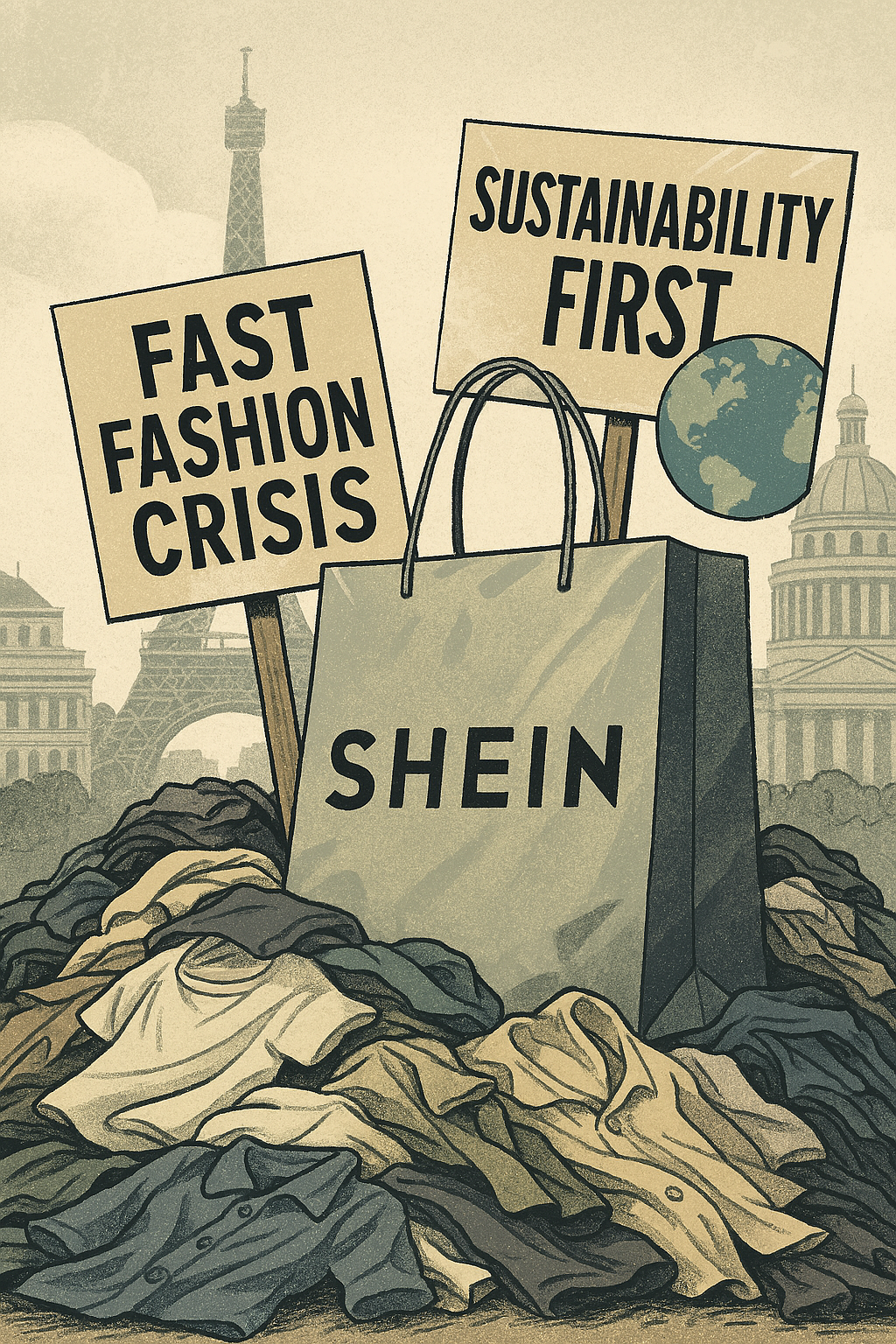
Chinese fast-fashion giant Shein faces regulatory heat in Europe—from data privacy fines to consumer protection scrutiny. This blog explores the latest developments, controversies, and future outlook.
Table of Contents
The global fast fashion industry is experiencing unprecedented regulatory scrutiny, with Shein emerging as a focal point in European Union enforcement actions. In 2025, France’s data protection authority imposed a substantial financial penalty on the e-commerce platform, raising critical questions about digital privacy compliance and sustainable business practices in the fashion sector.
This comprehensive analysis examines the regulatory landscape surrounding Shein, evaluates the implications of recent enforcement actions, and explores the broader impact on international e-commerce operations. The article draws from official regulatory documents, industry data, and verified legal frameworks to provide factual insights into these developments.
Understanding the CNIL Enforcement Action Against Shein
The French data protection authority, Commission Nationale de l’Informatique et des Libertés (CNIL), announced a €150 million financial penalty against Shein in 2025. This enforcement action represents one of the largest individual fines issued under the European Union’s data protection framework since its implementation.
The regulatory decision centered on specific violations related to online tracking technologies. CNIL investigators determined that Shein’s digital platform deployed advertising cookies on user devices without obtaining proper consent mechanisms. The investigation revealed that tracking technologies remained active even when users selected options to decline data collection.
According to the official CNIL decision, the violations included multiple compliance failures. The platform did not provide adequate information about tracking practices to users. The consent mechanisms implemented by Shein lacked the clarity and specificity required under current regulations. Additionally, the opt-out procedures available to users proved insufficient to prevent continued data collection.
The enforcement action follows a detailed investigation process that examined Shein’s digital infrastructure and user consent workflows. CNIL technical experts analyzed the platform’s cookie deployment mechanisms, reviewed consent interface designs, and evaluated the effectiveness of user control options. The investigation findings indicated systematic compliance deficiencies rather than isolated technical errors.
Shein has publicly announced its intention to challenge the regulatory decision through available appeal procedures. Company representatives have characterized the penalty amount as disproportionate to the alleged violations. The appeal process will allow Shein to present additional evidence and legal arguments before French administrative courts.
Legal Framework: GDPR Cookie Consent Requirements
The General Data Protection Regulation (GDPR) establishes specific requirements for online tracking technologies across the European Union. Understanding these legal standards provides context for evaluating the CNIL enforcement action.
Under GDPR Article 4(11), consent must meet defined criteria to be considered valid. The regulation requires that consent be freely given, specific, informed, and unambiguous. These four elements form the foundation of lawful data processing activities throughout the EU.
For online tracking technologies specifically, the ePrivacy Directive (Directive 2002/58/EC) provides additional requirements. This directive mandates that website operators obtain prior consent before placing cookies or similar technologies on user devices. The only exceptions apply to cookies that are strictly necessary for service delivery requested by the user.
The European Data Protection Board (EDPB) has issued detailed guidance on cookie consent implementation. Guidelines 05/2020 clarify that consent interfaces must present acceptance and rejection options with equal prominence. Pre-ticked boxes do not constitute valid consent. Cookie walls that block access to services unless users accept tracking are generally not compliant with the requirement for freely given consent.
Financial penalties under GDPR can reach significant levels. Article 83 establishes that violations of cookie consent requirements can result in fines up to €20 million or four percent of annual worldwide turnover, whichever amount is higher. The CNIL penalty against Shein falls within this authorized range.
The regulatory framework reflects European policy priorities regarding digital privacy and user autonomy. EU institutions have consistently emphasized that individuals must maintain meaningful control over their personal information in online environments. This policy approach distinguishes European data protection law from regulatory frameworks in other global jurisdictions.
Comparative Analysis: Google’s Parallel GDPR Violation
During the same enforcement period, French regulators imposed a separate financial penalty on Google for similar compliance violations. The CNIL assessed a €325 million fine against Google for misleading cookie consent practices, particularly during user account creation processes for Gmail services.
The Google enforcement action shares several characteristics with the Shein case. Both companies deployed tracking technologies without adequate consent mechanisms. Both cases involved consent interfaces that did not provide users with genuine choices about data collection. Both enforcement actions resulted from detailed CNIL investigations that examined technical implementation and user experience design.
However, the cases also present notable differences. The penalty amount imposed on Google exceeded the Shein fine by approximately €175 million. This differential likely reflects factors including the scale of affected users, the scope of data collection activities, and the respective companies’ financial positions. Google’s significantly larger revenue base and market position may have influenced the penalty calculation.
The combined enforcement actions total approximately €475 million in GDPR penalties issued by French authorities. This substantial aggregate amount demonstrates the regulatory priority assigned to cookie consent compliance. European data protection authorities have signaled their willingness to impose material financial consequences for systematic violations.
These parallel cases establish important precedents for e-commerce platforms and digital service providers operating in European markets. The enforcement actions indicate that neither market position nor global brand recognition provides immunity from regulatory scrutiny. Both established technology companies and emerging e-commerce platforms face equivalent compliance obligations under European law.
The enforcement pattern also reveals regulatory methodology. CNIL and other European data protection authorities conduct technical investigations that examine actual platform functionality rather than relying solely on policy documentation. This enforcement approach requires that companies implement effective compliance mechanisms rather than merely publishing privacy policies.
Additional Regulatory Challenges: Marketing Practice Violations
Beyond data protection issues, Shein faces regulatory scrutiny regarding consumer protection and marketing practices in European markets. French authorities have initiated separate enforcement actions targeting the company’s promotional strategies and environmental claims.
French consumer protection authorities imposed a €40 million financial penalty on Shein for deceptive discount practices. The investigation found that the company presented misleading information about price reductions and promotional offers. Specific violations included displaying inflated reference prices to exaggerate discount percentages and failing to maintain advertised prices for required minimum periods.
The consumer protection case reflects French implementation of the Unfair Commercial Practices Directive (2005/29/EC). This EU directive prohibits misleading commercial practices that distort consumer economic behavior. Member states enforce these requirements through national consumer protection agencies with authority to impose administrative penalties.
Shein also received formal notices from European Commission officials regarding potential violations of consumer protection requirements across the EU. The company received a 30-day notice period to address identified compliance deficiencies. Failure to implement corrective measures could result in additional penalties up to six percent of global annual turnover under the Digital Services Act enforcement framework.
The European Commission’s Consumer Protection Cooperation Network identified several specific concerns during its investigation. These included inadequate disclosure of product origin information, unclear terms for return policies, and potentially misleading environmental marketing claims. The investigation process involved coordination among consumer protection authorities from multiple member states.
Environmental marketing claims present particular compliance challenges for fashion retailers. The EU Green Claims Directive proposal aims to establish specific requirements for environmental assertions in advertising. Under these developing rules, companies must substantiate environmental claims with verifiable evidence and avoid vague terminology like “eco-friendly” or “sustainable” without specific supporting data.
France’s Ultra-Fast Fashion Regulatory Initiative
The French government has developed comprehensive legislative proposals targeting ultra-fast fashion business models. These initiatives extend beyond individual company enforcement actions to establish systemic regulatory frameworks for the fashion industry.
The proposed legislation includes specific economic measures designed to discourage ultra-fast fashion consumption patterns. A levy of up to €5 would apply to each ultra-fast fashion item sold in France. The proposal includes escalation provisions that would increase the levy to €10 per item or 50 percent of the retail price by 2030, whichever amount is higher.
Revenue generated from the ultra-fast fashion levy would support sustainable fashion initiatives and textile recycling infrastructure. The French government estimates the measure could generate substantial annual revenue while simultaneously reducing demand for ultra-fast fashion products through price mechanisms.
Additional provisions target influencer marketing practices that promote ultra-fast fashion consumption. The proposal would prohibit certain promotional arrangements between fashion brands and social media influencers. Specific restrictions would apply to campaigns that encourage excessive purchasing behaviors or target youth audiences without adequate consumer protection measures.
The legislative framework also mandates environmental labeling requirements for clothing items. An eco-score system would provide standardized information about the environmental impact of fashion products. The scoring methodology would consider factors including production location, material composition, manufacturing processes, and expected product lifespan.
These French initiatives reflect broader European policy developments regarding sustainable fashion. The European Union’s Strategy for Sustainable and Circular Textiles outlines comprehensive objectives for transforming the fashion industry. Policy priorities include reducing textile waste, improving product durability, and establishing clear environmental performance standards.
The regulatory approach represents a significant shift in government policy toward the fashion sector. Historically, fashion retail operated with limited environmental regulation compared to other industrial sectors. The emerging regulatory framework treats fashion production and consumption as activities with substantial environmental and social externalities requiring government intervention.
Historical Context: Shein’s Business Model and Global Expansion
Shein’s founding in 2008 marked the beginning of what would become a transformative presence in global fashion retail. The company originated as a small online retailer operating from China, initially focusing on wedding dresses and women’s fashion accessories.
The company’s business model differs substantially from traditional fashion retail approaches. Shein operates without physical retail locations, conducting all sales through digital platforms. The company maintains minimal inventory, using data analytics to identify trending styles and rapidly produce small batches for initial market testing.
Shein’s product development cycle operates at unprecedented speed within the fashion industry. The company can design, manufacture, and list new products online within periods as short as seven to ten days. This rapid cycle allows Shein to respond immediately to emerging fashion trends identified through social media analysis and consumer behavior data.
The company’s global expansion occurred primarily during the 2015-2020 period. Shein established operations in over 220 countries and territories, becoming one of the most downloaded shopping applications in numerous markets. Annual revenue growth rates during peak expansion years exceeded 100 percent, with the company reaching valuations above $100 billion according to private market assessments.
Shein’s supply chain strategy relies on a network of manufacturing partners primarily located in the Guangzhou region of China. The company works with thousands of small and medium-sized factories that produce clothing to Shein specifications. This distributed manufacturing network provides flexibility and rapid response capabilities that support the ultra-fast fashion model.
However, the business model has generated controversy since the company’s expansion into Western markets. Labor rights organizations have raised concerns about working conditions in Shein’s supplier factories. Investigations by various media outlets and non-governmental organizations have documented instances of excessive working hours, inadequate safety measures, and below-standard compensation in some supplier facilities.
Intellectual property disputes have also affected Shein’s reputation in creative communities. Independent fashion designers and small brands have filed numerous complaints alleging that Shein copied original designs without permission or compensation. Some cases resulted in legal settlements, while others generated negative publicity even without formal legal resolution.
Financial and Operational Impact of Regulatory Enforcement
The cumulative effect of regulatory enforcement actions presents significant financial and strategic challenges for Shein’s European operations. Analyzing these impacts requires considering both immediate costs and longer-term business implications.
The direct financial impact of the €150 million GDPR penalty represents a substantial cost. While Shein’s exact European revenue figures are not publicly disclosed, industry analysts estimate the company generates several billion dollars in annual sales across European markets. The penalty therefore constitutes a notable percentage of regional revenue, though not an amount that would threaten overall company viability.
The €40 million consumer protection penalty adds to the direct cost burden. Combined with potential additional fines from EU-wide enforcement actions, total regulatory costs could exceed €200 million. These amounts would require adjustments to European operating budgets and could affect profitability projections for the region.
Indirect costs from regulatory enforcement may exceed direct penalty amounts. Implementing compliance improvements requires significant investment in technology infrastructure, legal expertise, and operational processes. Shein will need to redesign cookie consent systems, modify marketing practices, and enhance compliance monitoring capabilities across European operations.
Reputational costs present measurement challenges but carry strategic significance. Negative publicity from regulatory enforcement may influence consumer perception, particularly among privacy-conscious and environmentally-aware demographics. Survey data from European consumer research firms indicates that regulatory violations affect brand perception, with some consumers reporting reduced willingness to purchase from companies facing enforcement actions.
The enforcement actions may also affect Shein’s ability to attract investment and maintain financial partnerships. Some institutional investors incorporate regulatory compliance records into investment criteria. Banking partners may conduct enhanced due diligence on companies facing significant regulatory penalties, potentially affecting credit terms or service availability.
Operational adjustments required for compliance will affect business processes throughout the organization. European operations may require separate consent management systems, modified marketing workflows, and enhanced legal review processes. These operational changes could reduce the efficiency advantages that have characterized Shein’s business model.
Implications for the Broader E-Commerce Sector
The regulatory enforcement actions against Shein provide important signals for other e-commerce platforms operating in European markets. Several key implications emerge from analyzing these cases.
First, the enforcement actions demonstrate that European regulators prioritize substantive compliance over theoretical policy commitments. Companies cannot rely on privacy policy documentation alone to satisfy regulatory requirements. Technical implementation must provide users with genuine control over data collection, and consent mechanisms must function as designed in practice.
Second, the substantial penalty amounts indicate that regulators will impose material financial consequences for systematic violations. The traditional approach of treating regulatory fines as acceptable business costs may no longer be viable in European markets. Companies must allocate sufficient resources to achieve robust compliance rather than planning for occasional enforcement actions.
Third, the parallel investigations by multiple regulatory authorities suggest increasing coordination among European enforcement agencies. The CNIL’s actions on data protection occurred alongside consumer protection investigations by separate French authorities and EU-level scrutiny from the European Commission. This multi-agency approach creates comprehensive regulatory pressure across multiple compliance dimensions simultaneously.
Fourth, the cases establish that market position and brand popularity do not provide regulatory immunity. Shein’s significant market presence and large customer base did not prevent enforcement actions or reduce penalty amounts. Similarly, Google’s dominant market position did not shield the company from substantial fines. All companies operating in European markets face equivalent compliance obligations regardless of size or market share.
Fifth, the enforcement pattern suggests that regulators are focusing particular attention on digital platforms that rely heavily on data collection and targeted advertising. E-commerce companies that use sophisticated tracking technologies and personalized marketing approaches face heightened scrutiny. This regulatory focus reflects policy concerns about the power dynamics between digital platforms and individual users.
For compliance officers and legal teams at e-commerce companies, these developments require reassessment of compliance strategies. Minimum compliance approaches that aim merely to avoid obvious violations may prove insufficient. Instead, companies should implement comprehensive programs that ensure genuine user control and transparent data practices.
Consumer Protection and Privacy Rights in Digital Commerce
The regulatory actions against Shein occur within a broader context of evolving consumer protection standards for digital commerce. Understanding these developments provides perspective on the likely trajectory of future enforcement priorities.
European policy frameworks increasingly emphasize consumer autonomy and informed choice in digital environments. The Digital Services Act, which became applicable to large platforms in 2023, establishes comprehensive obligations for online platforms including enhanced transparency requirements and improved user control mechanisms.
Consumer research indicates growing awareness of privacy issues among European shoppers. Survey data from Eurobarometer studies shows that majorities of consumers across EU member states express concerns about online privacy and desire greater control over personal information. This public sentiment supports regulatory priorities focused on strengthening privacy protections.
However, consumer behavior often diverges from stated privacy preferences. Many consumers continue to use services with questionable privacy practices due to convenience, price advantages, or limited alternatives. This behavior-preference gap complicates assessment of actual consumer harm from privacy violations.
The regulatory approach attempts to address structural power imbalances between platforms and individual users. Individual consumers typically lack the expertise, time, and resources to evaluate complex privacy policies or negotiate more favorable terms. Regulatory enforcement aims to establish baseline standards that protect consumers regardless of their individual sophistication or bargaining power.
Privacy protections also connect to broader consumer welfare considerations. Data collection enables targeted advertising that can provide relevant information to consumers. However, excessive or opaque data collection may manipulate consumer behavior in ways that disadvantage individuals. Regulatory frameworks attempt to balance these competing considerations by requiring transparency and user control.
The enforcement actions against Shein reflect regulatory priorities that extend beyond privacy to encompass comprehensive consumer protection. The consumer protection violations identified by French authorities demonstrate that regulators view misleading marketing practices as serious concerns requiring enforcement action. This comprehensive approach treats digital platforms as subject to all applicable consumer protection requirements, not just data protection rules.
Environmental Accountability in Fast Fashion
The proposed French regulations targeting ultra-fast fashion reflect growing policy attention to the environmental impacts of fashion production and consumption. Understanding these environmental concerns provides context for evaluating the regulatory initiatives.
The fashion industry generates substantial environmental impacts across multiple dimensions. Textile production consumes significant water resources, with estimates suggesting that producing one cotton t-shirt requires approximately 2,700 liters of water. Chemical processing of fabrics contributes to water pollution in manufacturing regions. Transportation of finished products from manufacturing centers to consumer markets generates greenhouse gas emissions.
Ultra-fast fashion business models potentially intensify these environmental impacts. The rapid product cycles characteristic of companies like Shein result in higher volumes of production and shorter product lifespans. When consumers discard clothing after limited use, the environmental costs of production are amortized over fewer wearing occasions, reducing overall resource efficiency.
Textile waste presents particular environmental challenges. The European Environment Agency estimates that EU residents discard approximately 11 kilograms of textiles per person annually. Much of this waste ends up in landfills rather than being recycled or repurposed. Synthetic fabrics, which comprise a large percentage of fast fashion products, do not biodegrade effectively in landfill conditions.
The proposed French eco-score system attempts to provide consumers with standardized environmental information. Similar labeling approaches have been implemented for other product categories including food and appliances. Research on eco-labeling effectiveness shows mixed results, with some studies finding modest effects on consumer behavior while others identify limited impact.
The economic levy approach represents a more direct policy intervention. By increasing the price of ultra-fast fashion items, the policy aims to reduce consumption volumes and shift demand toward more durable products. Economic theory suggests that price increases will reduce quantity demanded, though the magnitude of the effect depends on consumer price sensitivity.
Industry representatives have raised concerns about the potential impacts of proposed regulations on employment and economic activity. Fashion manufacturing and retail support significant employment in some European regions. Regulations that substantially reduce fast fashion sales could affect employment in these sectors, though proponents argue that transition to sustainable fashion could create alternative employment opportunities.
Strategic Options for Shein’s European Operations
Shein faces strategic choices about how to respond to the regulatory challenges in European markets. Several potential approaches merit consideration based on the compliance requirements and market conditions.
One option involves fundamental restructuring of data collection practices to achieve full GDPR compliance. This approach would require redesigning cookie consent mechanisms to provide genuine user choice, implementing robust consent management systems, and potentially reducing reliance on targeted advertising. The strategy prioritizes regulatory compliance over short-term optimization of advertising effectiveness.
A second approach focuses on selective market withdrawal from jurisdictions with particularly stringent regulatory requirements. Some companies facing substantial compliance costs have chosen to cease operations in specific markets rather than implementing costly compliance measures. However, this approach would sacrifice revenue from one of Shein’s most significant regional markets.
A third strategy emphasizes enhanced transparency and consumer communication. Shein could implement comprehensive educational initiatives to explain data practices, provide detailed environmental impact information, and establish mechanisms for consumer feedback. This approach attempts to rebuild trust through transparency rather than merely achieving minimum compliance.
Product strategy adjustments represent another potential response. Shein could reduce the pace of new product introductions, emphasize more durable items, and implement sustainability initiatives in manufacturing processes. These changes would address environmental concerns while potentially differentiating the brand in increasingly competitive markets.
Supply chain transparency initiatives could help address labor practice concerns. Implementing third-party auditing programs, publishing supplier lists, and establishing grievance mechanisms would demonstrate commitment to ethical manufacturing. While not directly responsive to the regulatory violations, these initiatives could improve overall corporate reputation.
Investment in European compliance infrastructure represents a necessary component of any strategy. Shein will need to establish or expand European legal and compliance teams, implement sophisticated technology systems for consent management and marketing review, and create robust monitoring processes. These investments require substantial financial commitments but are essential for sustained European operations.
The company might also engage in regulatory advocacy and policy dialogue. While individual companies cannot directly influence enforcement decisions on existing violations, participation in industry associations and policy discussions could help shape future regulatory developments. This approach requires careful implementation to avoid perception of resisting necessary consumer protections.
Comparative Analysis: Regulatory Approaches Across Jurisdictions
Examining how different global jurisdictions approach e-commerce regulation provides perspective on the European enforcement actions and their significance for international business operations.
The United States employs a more fragmented regulatory approach to data privacy and consumer protection. Federal agencies including the Federal Trade Commission have authority over unfair and deceptive practices, but comprehensive data protection legislation comparable to GDPR does not exist at the federal level. Some states, notably California through the California Consumer Privacy Act, have implemented stronger privacy requirements.
Chinese regulatory authorities have developed increasingly sophisticated frameworks for digital platform governance. The Personal Information Protection Law, which became effective in 2021, establishes data protection requirements with some similarities to GDPR. However, Chinese enforcement priorities and implementation approaches differ substantially from European models.
Other Asian markets present varied regulatory environments. Some jurisdictions have adopted privacy frameworks influenced by European models, while others maintain less comprehensive regulatory structures. This variation affects compliance costs and operational complexity for companies operating across multiple Asian markets.
Latin American countries have increasingly adopted data protection legislation influenced by GDPR principles. Brazil’s Lei Geral de Proteção de Dados (LGPD) established comprehensive privacy requirements similar in structure to European law. However, enforcement capacity and regulatory priorities vary across Latin American jurisdictions.
The European approach to regulation reflects specific policy values and institutional capabilities. EU member states generally emphasize consumer protection and individual rights more strongly than some other major markets. European regulatory agencies possess substantial enforcement resources and authority relative to regulatory bodies in some other jurisdictions.
For multinational companies, this regulatory diversity creates operational challenges. Different compliance requirements across jurisdictions necessitate either implementing the strongest standards globally or maintaining separate operational systems for different markets. The cost-effectiveness of these alternatives depends on factors including the company’s market distribution and technical architecture.
Some observers suggest that European regulations may influence global standards through a phenomenon sometimes termed the “Brussels effect.” According to this theory, multinational companies may adopt European compliance standards globally rather than maintaining separate systems, effectively exporting European regulatory requirements to other jurisdictions.
Future Regulatory Developments and Policy Trends
Several emerging regulatory initiatives and policy trends will likely affect Shein and similar e-commerce platforms in coming years. Understanding these developments provides context for assessing medium-term strategic planning.
The Digital Services Act continues to phase in applicability across different platform types. Very large online platforms became subject to the full requirements in 2023, while other platforms face compliance deadlines in subsequent years. The DSA establishes comprehensive obligations including enhanced content moderation, increased transparency, and improved user protection mechanisms.
The proposed EU Green Claims Directive aims to establish specific requirements for environmental marketing claims. If adopted, the directive would require companies to substantiate environmental assertions with scientific evidence and obtain verification from independent bodies. This framework would directly affect how fashion retailers can market products as sustainable or environmentally friendly.
Extended Producer Responsibility (EPR) schemes for textiles are under development in multiple European countries. These programs would require fashion companies to finance collection and recycling infrastructure for textile waste. EPR costs could substantially affect the economics of ultra-fast fashion business models by internalizing waste management expenses.
Artificial intelligence regulation represents another developing policy area with potential e-commerce implications. The EU AI Act, which reached political agreement in 2023, classifies AI applications by risk level and establishes corresponding regulatory requirements. E-commerce platforms using AI for personalization, pricing, or advertising may face specific compliance obligations.
International coordination on digital regulation appears likely to increase. Organizations including the OECD and G20 are facilitating discussions on digital policy harmonization. While full international standardization seems unlikely in the near term, increased regulatory coordination could reduce compliance complexity for multinational platforms.
Labor standards in fashion supply chains may receive enhanced regulatory attention. Various European policy proposals address human rights due diligence requirements for companies sourcing products from developing countries. These initiatives would formalize corporate obligations to prevent labor rights violations in supply chains.
Consumer protection enforcement appears likely to intensify across multiple dimensions. European authorities have signaled priorities including dark patterns in user interfaces, subscription trap practices, and algorithmic transparency. E-commerce platforms should anticipate continued regulatory scrutiny across a broad range of business practices.
Stakeholder Perspectives on Fast Fashion Regulation
Different stakeholder groups hold varying perspectives on appropriate regulation of fast fashion and e-commerce platforms. Understanding these diverse viewpoints provides context for policy debates and business decision-making.
Consumer advocacy organizations generally support stronger regulation of fast fashion platforms. These groups emphasize concerns about privacy violations, misleading marketing, environmental damage, and labor exploitation. Representatives argue that current market dynamics do not adequately protect consumer interests or internalize social and environmental costs.
Environmental organizations view ultra-fast fashion as incompatible with sustainability objectives. Advocacy groups promote policies including extended producer responsibility, reduced production volumes, and enhanced product durability requirements. Some organizations call for more fundamental changes to fashion consumption patterns rather than incremental improvements to existing business models.
Labor rights organizations focus on working conditions in fashion supply chains. These groups document labor violations in manufacturing facilities and advocate for stronger corporate accountability mechanisms. Policy recommendations typically include mandatory human rights due diligence, supply chain transparency requirements, and effective remedies for affected workers.
Industry associations representing fashion retailers express concerns about regulatory costs and competitive effects. These organizations acknowledge the need for some regulatory standards but caution against approaches they characterize as overly prescriptive or economically damaging. Industry representatives typically prefer self-regulatory initiatives and voluntary standards over mandatory government requirements.
Small and independent fashion designers often support stronger intellectual property protections and design rights. These stakeholders experience direct harm when larger companies copy original designs without compensation. However, views on broader fashion regulation vary within this community based on individual business models and market positions.
Consumer researchers note complexities in consumer behavior regarding fast fashion. While many consumers express environmental and ethical concerns when surveyed, purchasing behavior often prioritizes price and convenience. This behavior-preference gap suggests that effective regulation may need to address structural factors rather than relying solely on consumer choice.
Economic policy analysts debate the efficiency implications of fashion regulation. Some economists argue that internalization of external costs through mechanisms like environmental levies improves overall social welfare. Others raise concerns about potential negative effects on consumer choice and employment in fashion-related industries.
Implementation Challenges for Regulatory Compliance
Implementing effective compliance with European regulatory requirements presents substantial practical challenges for e-commerce platforms. Understanding these implementation obstacles provides realistic perspective on compliance timelines and resource requirements.
Technical implementation of GDPR-compliant consent management systems requires sophisticated engineering capabilities. Platforms must develop or acquire consent management platforms that can handle complex requirements including granular consent options, consent withdrawal mechanisms, and integration with advertising technology systems. These technical projects typically require significant development time and resources.
Marketing practice modifications necessitate changes to established business processes and organizational cultures. Companies accustomed to aggressive promotional strategies must develop new approaches that satisfy consumer protection requirements while maintaining commercial effectiveness. This transition requires training for marketing teams, revised approval processes, and potentially reduced promotional intensity.
Supply chain transparency initiatives face particular complexity in fashion retail. Companies working with thousands of supplier facilities must establish monitoring systems, conduct audits, and maintain documentation of labor practices. The distributed nature of fashion manufacturing makes comprehensive oversight inherently challenging even with substantial resource commitments.
Environmental reporting and eco-labeling require expertise that many fashion retailers have not historically developed. Companies must collect detailed data about product materials, manufacturing processes, and transportation impacts. Converting this information into standardized eco-scores requires methodological expertise and potentially third-party verification.
Cross-border compliance coordination presents organizational challenges for global platforms. European operations may require different systems and processes than other regional markets, necessitating either global standardization or regional customization. Either approach involves tradeoffs between consistency and local optimization.
Regulatory uncertainty complicates compliance planning. When regulations are newly implemented or proposals remain under development, companies face uncertainty about specific requirements and enforcement priorities. This uncertainty can delay compliance investments or result in implementations that require subsequent modification.
Resource constraints affect smaller e-commerce platforms disproportionately. While large companies can allocate substantial compliance budgets, smaller platforms may struggle to afford sophisticated consent management systems, comprehensive legal review, or robust auditing programs. This creates potential competitive effects favoring larger, better-resourced platforms.
The Role of Technology in Privacy Compliance
Technological solutions play essential roles in achieving privacy compliance at scale for e-commerce platforms. Examining available technologies and implementation approaches provides insight into practical compliance mechanisms.
Consent Management Platforms (CMPs) provide specialized tools for implementing GDPR-compliant cookie consent. These systems present consent interfaces to users, record consent choices, communicate preferences to advertising technologies, and maintain consent records for documentation purposes. Commercial CMP providers offer solutions with varying feature sets and pricing models.
Privacy-enhancing technologies (PETs) enable certain data processing activities with reduced privacy risks. Techniques including differential privacy, federated learning, and secure multi-party computation allow platforms to derive insights from user data while limiting exposure of individual information. However, these technologies involve complexity and may reduce analytical capabilities compared to traditional approaches.
Data minimization approaches reduce privacy risks by limiting collection to information necessary for specific purposes. Technical implementations include designing systems that process data locally on user devices rather than transmitting to central servers, using aggregate statistics instead of individual-level data, and implementing automated data deletion after specified retention periods.
Transparency technologies help platforms provide clearer information about data practices. Cookie disclosure tools automatically identify tracking technologies present on websites and generate human-readable descriptions. Data flow mapping tools document how information moves through complex technical systems, supporting both user transparency and internal compliance processes.
Testing and verification tools allow companies to validate consent implementation. Automated scanners can detect cookies or tracking technologies that load before consent is obtained. Consent flow testing tools verify that systems properly respect user choices across various scenarios. These verification capabilities support both initial implementation and ongoing monitoring.
However, technology alone cannot ensure compliance. Legal requirements ultimately depend on substantive user control and business practice decisions, not merely technical implementations. Companies must combine appropriate technologies with governance frameworks, compliance processes, and organizational commitment to privacy principles.
Economic Analysis of Regulatory Intervention
Evaluating the economic effects of fashion regulation requires considering multiple dimensions including consumer welfare, market competition, environmental externalities, and employment impacts.
Consumer welfare effects involve tradeoffs between different consumer interests. Regulations that increase prices through environmental levies or enhanced compliance costs may reduce affordability, particularly affecting price-sensitive consumers. However, regulations that reduce misleading marketing or improve product information may enhance consumer welfare by enabling more informed choices.
Market competition effects depend on how compliance costs scale with company size. If compliance requires substantial fixed investments in technology or expertise, larger platforms may enjoy competitive advantages over smaller entrants. This could reinforce market concentration. Alternatively, if regulations constrain practices that have enabled dominant platforms to achieve market positions, competitive dynamics might shift in favor of smaller or newer companies.
Environmental externalities represent costs imposed on society that market prices do not reflect. Economic theory suggests that policies forcing companies to internalize these external costs improve overall social welfare, even if they increase market prices. The magnitude of welfare improvement depends on accurately measuring environmental impacts and calibrating policy interventions appropriately.
Employment effects present particular complexity in fashion regulation. Reduced demand for ultra-fast fashion could decrease employment in manufacturing and logistics supporting that sector. However, demand shifting toward more durable, higher-quality fashion could create employment opportunities in those segments. The net employment effect depends on elasticities of demand and substitution patterns between different fashion categories.
Innovation incentives may be affected by regulatory frameworks. Stringent environmental requirements could stimulate innovation in sustainable materials, manufacturing processes, and business models. Alternatively, if regulations create substantial compliance burdens, resources devoted to compliance might reduce investment in product innovation.
Distributional effects across geographic regions merit consideration. European regulations primarily affect European operations of global platforms. If companies respond by reducing European market investment while expanding in less regulated markets, this could affect employment and economic activity distribution across regions.
Consumer Behavior and Market Dynamics in Fast Fashion
Understanding consumer behavior in fast fashion markets provides context for evaluating both business models and regulatory interventions. Research on fashion purchasing patterns reveals complex motivations and decision processes.
Price sensitivity represents a primary driver of fast fashion demand. Consumer research consistently finds that low prices rank among the most important factors influencing purchase decisions in mass-market fashion. Shein’s business model exploits this price sensitivity by offering products at price points substantially below traditional fashion retailers.
Social media influence affects fashion purchasing, particularly among younger demographics. Platforms including TikTok and Instagram serve as fashion discovery channels where users encounter new styles and trends. Fast fashion platforms have successfully leveraged social media marketing to drive traffic and sales, often through influencer partnerships and user-generated content campaigns.
The psychological appeal of novelty drives frequent fashion purchases. Behavioral research suggests that consumers experience positive emotions from acquiring new items, independent of whether additional items are functionally necessary. Ultra-fast fashion platforms provide continuous novelty through thousands of new product listings weekly, potentially triggering impulse purchases.
Sustainability concerns influence stated preferences but have more limited effects on actual purchasing behavior. Survey research finds that majorities of consumers express concern about fashion’s environmental impacts and state preferences for sustainable options. However, revealed preference data shows that price and style considerations typically dominate sustainability factors in actual purchase decisions.
Information asymmetries limit consumer ability to evaluate product quality and durability. When viewing fashion items online, consumers have limited information about fabric quality, construction standards, or expected lifespan. This information gap potentially disadvantages durable, higher-quality products relative to inexpensive but less durable alternatives.
Return behavior affects the economics and environmental impacts of online fashion retail. E-commerce fashion purchases experience high return rates, often exceeding 30-40 percent of orders. Returns involve additional environmental costs from reverse logistics and potential waste if returned items cannot be resold. Some ultra-fast fashion platforms subsidize these costs through free return shipping, potentially encouraging over-ordering.
Expert Perspectives on E-Commerce Regulation
Regulatory experts and legal scholars offer varied perspectives on appropriate frameworks for governing e-commerce platforms and fast fashion business models.
Some privacy law scholars emphasize the importance of structural approaches to data protection. These experts argue that consent-based frameworks place unrealistic burdens on individual users to make complex privacy decisions. Alternative approaches might include stronger restrictions on certain data processing activities, required privacy-protective default settings, or regulatory approval requirements for high-risk data uses.
Competition law experts note tensions between privacy regulation and competition policy. Stringent privacy requirements increase compliance costs, potentially creating barriers to entry that benefit established platforms. Some scholars propose integrating competition considerations into privacy enforcement to avoid inadvertently reinforcing market dominance.
Environmental policy experts debate optimal approaches to fashion sustainability. Some favor market-based mechanisms including carbon pricing or environmental levies that allow companies flexibility in how they reduce impacts. Others support prescriptive requirements including production volume restrictions or mandatory material standards, arguing that market mechanisms alone are insufficient to achieve necessary environmental outcomes.
Consumer protection scholars examine how digital platforms may manipulate consumer decision-making through interface design choices. Research on “dark patterns” documents how platform designs can steer users toward choices that benefit companies rather than serving consumer interests. This research supports regulatory attention to interface design and user experience standards.
International law experts address challenges in regulating global digital platforms. When companies operate across numerous jurisdictions, determining appropriate regulatory authority and ensuring enforcement capability present substantial complications. Some scholars propose international coordination mechanisms, while others defend regulatory diversity allowing different jurisdictions to reflect local preferences.
Constitutional and human rights scholars examine relationships between privacy regulation and freedom of expression. Some argue that restricting targeted advertising could limit platforms’ ability to connect advertisers with interested audiences, potentially affecting commercial speech. Others prioritize informational privacy as a human right that justifies substantial regulatory intervention.
Measuring Success: Compliance Metrics and Outcomes
Evaluating whether regulatory interventions achieve intended objectives requires identifying appropriate metrics and assessment frameworks.
For privacy compliance, quantitative metrics might include rates of consent acceptance versus rejection, frequency of consent withdrawal, and levels of user awareness about data practices. However, interpreting these metrics presents challenges. High consent acceptance rates might indicate either user satisfaction with data practices or ineffective consent interfaces that steer users toward acceptance.
Consumer protection outcomes could be assessed through metrics including complaint rates, price transparency measurements, and consumer satisfaction surveys. Reductions in misleading advertising complaints might indicate improved marketing practices, though this metric could also reflect reduced consumer awareness or complaint filing rates rather than substantive improvements.
Environmental impacts of fashion regulation would ideally be measured through physical outcomes including textile waste volumes, water consumption, greenhouse gas emissions, and chemical pollution levels. However, attributing changes in these metrics specifically to regulatory interventions presents methodological challenges given multiple factors affecting environmental outcomes.
Market structure indicators including concentration ratios, entry rates, and price levels provide information about competitive effects of regulation. Increasing concentration might suggest that compliance costs create barriers to entry, while stable or declining concentration could indicate that regulation does not disproportionately burden smaller platforms.
Labor standards improvements in
supply chains could be assessed through metrics including audit findings, worker complaint rates, wage levels, and working hours data. However, measuring actual working conditions in dispersed manufacturing facilities presents substantial practical challenges. Self-reported data from companies may not accurately reflect conditions, while independent monitoring requires significant resources and access.
Economic impact assessments would examine effects on employment, consumer prices, company revenues, and overall market activity. Cost-benefit analyses attempt to quantify both compliance costs and societal benefits from improved practices. However, monetizing environmental and social benefits involves substantial uncertainty and methodological debates.
Behavioral outcomes provide information about whether regulations influence actual consumer and company behavior. Changes in purchasing patterns, product design choices, or business model adaptations indicate that regulations affect real-world decisions rather than merely creating compliance paperwork.
Long-term assessment requires time horizons extending beyond immediate compliance periods. Some regulatory effects may only become apparent years after implementation as companies adjust strategies and market dynamics evolve. This temporal dimension complicates evaluation of newer regulations like the Digital Services Act or proposed fashion sustainability requirements.
Global Brand Management Under Regulatory Scrutiny
Managing a global brand while facing significant regulatory challenges requires sophisticated communication strategies and stakeholder engagement approaches.
Public relations considerations following major fines involve balancing acknowledgment of regulatory concerns with defense of company practices. Excessive defensiveness may appear dismissive of legitimate issues, while overly apologetic stances might encourage additional enforcement actions or civil litigation. Companies typically emphasize commitment to compliance while noting their intention to appeal disproportionate penalties.
Investor relations communications must address financial implications of regulatory actions while maintaining confidence in company prospects. Material fines require disclosure in financial reports and investor updates. Companies emphasize steps being taken to prevent future violations while arguing that compliance investments will strengthen long-term competitive positions.
Customer communications present particular sensitivity. Many consumers may be unaware of regulatory violations or their implications. Proactive communications risk drawing attention to negative information, while avoiding discussion may allow negative narratives to dominate. Companies often opt for targeted communications to engaged users while avoiding broad public campaigns about regulatory issues.
Employee communications serve important internal purposes. Regulatory violations can affect employee morale and perception of company values. Internal communications typically emphasize company commitment to compliance while providing employees with factual information to address questions from personal networks.
Social media dynamics amplify both negative information and company responses. Regulatory news spreads rapidly through social platforms, often with commentary from critics emphasizing negative interpretations. Company social media strategies must balance engagement with risk of amplifying negative discussions.
Brand partnerships may be affected by regulatory controversies. Some partner brands or influencers may choose to distance themselves from companies facing significant enforcement actions, particularly if their personal brands emphasize values including privacy or sustainability. Managing these partnership relationships requires proactive communication and demonstrated commitment to addressing underlying issues.
Technical Deep Dive: Cookie Consent Implementation
Understanding the technical requirements for GDPR-compliant cookie consent provides insight into the complexity of achieving regulatory compliance.
Cookie categorization represents the foundational step in compliant implementation. Websites must identify all cookies and similar technologies deployed on their properties and classify them by purpose. Categories typically include strictly necessary cookies required for basic functionality, preference cookies that remember user settings, statistics cookies for analytics, and marketing cookies for advertising.
Consent interface design must provide users with granular control over cookie categories. GDPR requires that users can accept or reject optional categories independently. Interface designs must present choices with equal prominence, meaning acceptance and rejection options receive similar visual treatment and accessibility.
Technical implementation of consent enforcement presents substantial complexity. When users reject marketing cookies, the consent management system must prevent those cookies from loading. This requires integration between the CMP and all advertising technologies, analytics tools, and third-party services that deploy cookies. Achieving complete enforcement across complex technical ecosystems often reveals integration challenges.
Prior consent requirements mandate that optional cookies cannot load before users provide consent. Technical implementations must ensure that all tracking technologies respect this timing requirement. Common violations involve cookies loading synchronously during initial page load before the consent interface appears or users make selections.
Consent persistence and renewal mechanisms maintain user preferences across browsing sessions. Systems must store consent records, typically using strictly necessary cookies since storing consent preferences is essential for respecting user choices. Consent renewal prompts may be required periodically or when material changes occur to data processing practices.
Cross-domain consent presents additional technical challenges. Many websites operate across multiple domains or subdomains. Maintaining consistent consent states across these properties while respecting user choices requires careful technical architecture. Some CMPs provide cross-domain consent synchronization features.
Consent records documentation serves both user transparency and regulatory accountability purposes. Systems should maintain logs of when consent was obtained, what specific permissions were granted, and how long permissions remain valid. These records support both user requests to review consent history and regulatory inquiries about consent practices.
Alternative Business Models for Sustainable Fashion
Examining alternative business models in fashion retail provides perspective on potential paths forward beyond traditional ultra-fast fashion approaches.
Rental and subscription models allow consumers to access varied wardrobes without ownership of numerous items. Companies including Rent the Runway pioneered this approach for special occasion wear. Some services now offer everyday fashion rentals with subscription pricing. This model reduces per-item production volumes while maintaining consumer access to style variety.
Resale and secondhand platforms have experienced substantial growth. Companies including Depop, Poshmark, and ThredUp facilitate peer-to-peer fashion sales. Traditional retailers increasingly integrate resale offerings alongside new merchandise. The resale market extends product lifespans and reduces demand for new production, though critics note it may also enable continued overconsumption.
Made-to-order manufacturing reduces waste from unsold inventory. Rather than producing items for speculative stock, some brands manufacture only when customers place orders. This approach eliminates waste from overproduction but requires longer delivery times that some consumers find unacceptable.
Slow fashion brands emphasize quality, durability, and timeless design over rapid trend cycles. These companies typically charge higher prices reflecting better materials and construction. The business model appeals to consumers prioritizing quality and longevity over novelty and price, though this remains a market segment rather than mass market approach.
Direct-to-consumer brands reduce costs by eliminating wholesale intermediaries. By selling directly through their own digital platforms, these brands can offer better quality at given price points or maintain profitability with lower prices. However, direct-to-consumer approaches require investment in marketing and customer acquisition.
Vertical integration allows companies to control their entire value chain from design through manufacturing to retail. This approach can improve quality control, supply chain transparency, and sustainability practices. However, vertical integration requires substantial capital investment and operational expertise across multiple business functions.
Local manufacturing represents another alternative to globalized production networks. Producing closer to end markets reduces transportation emissions and can improve labor standards visibility. However, higher labor costs in developed markets typically result in higher retail prices.
Regulatory Enforcement Mechanisms and Procedures
Understanding how European regulatory agencies conduct investigations and impose penalties provides context for the enforcement actions against Shein.
Initial investigations may be triggered by various factors including consumer complaints, media reports, regulatory market scans, or coordination with other enforcement agencies. Data protection authorities conduct ongoing monitoring of digital platforms and may initiate investigations based on observed potential violations.
Investigation procedures typically include document requests requiring companies to provide information about practices, technical systems, and policies. Regulators may request source code, system architecture diagrams, user interface designs, consent implementation specifications, and internal communications about compliance decisions.
On-site inspections allow regulators to directly observe systems and interview personnel. While less common for digital violations than physical inspections in other regulatory contexts, data protection authorities can conduct on-site visits to examine technical infrastructure and compliance processes.
Technical testing forms a critical component of cookie consent investigations. Regulators use both automated scanning tools and manual testing to verify whether consent systems function as required. Testing examines whether cookies load before consent, whether rejection options function properly, and whether systems respect user choices.
Company responses to investigation findings provide opportunities to address concerns before final decisions. Regulators typically share preliminary findings and allow companies to submit responses, provide additional information, or propose corrective measures. These dialogues can affect final penalty amounts or even result in investigation closure without fines.
Penalty calculation methodologies consider multiple factors. GDPR specifies criteria including violation nature and severity, duration, number of affected individuals, intentionality versus negligence, cooperation with authorities, previous violations, and company financial position. Regulators apply these criteria to determine appropriate penalty amounts within authorized ranges.
Appeal procedures allow companies to challenge regulatory decisions before administrative courts. Appeals may address both factual findings and legal interpretations. The appeal process can extend for years before final resolution, during which companies may be required to pay penalties or provide financial guarantees.
The Role of Industry Self-Regulation
Industry self-regulatory initiatives complement government regulation in addressing e-commerce and fashion industry challenges. Evaluating the effectiveness and limitations of self-regulation provides perspective on appropriate regulatory approaches.
Industry codes of conduct establish voluntary standards for business practices. Fashion industry organizations have developed various codes addressing labor standards, environmental practices, and ethical sourcing. However, enforcement mechanisms for voluntary codes typically lack the authority of government regulation.
Certification programs provide independent verification of company practices against defined standards. Examples include Fair Trade certification, organic certification, and various sustainability certifications. These programs can provide consumers with reliable information but depend on rigorous verification processes and meaningful standards.
Multi-stakeholder initiatives bring together companies, civil society organizations, labor representatives, and sometimes government agencies. Examples include the Fair Labor Association and Sustainable Apparel Coalition. These collaborative approaches can develop sophisticated standards but may struggle with enforcement when companies fail to meet commitments.
Technology industry self-regulatory efforts have addressed privacy and advertising practices. Initiatives including the Digital Advertising Alliance created opt-out mechanisms for behavioral advertising. However, critics argue that these industry-led approaches proved insufficient to protect consumer interests, contributing to demand for government regulation.
The effectiveness of self-regulation depends substantially on incentive structures. When companies face strong market incentives to adopt better practices, self-regulation can drive meaningful change. However, when competitive pressures favor cost reduction over improved standards, voluntary initiatives may produce limited results.
Regulatory frameworks increasingly incorporate self-regulatory elements through co-regulatory approaches. Rather than fully prescriptive rules, some regulations establish objectives and allow industry flexibility in achieving them. This approach can encourage innovation while maintaining accountability through government oversight.
Consumer Education and Awareness Strategies
Empowering consumers with information about privacy rights, environmental impacts, and ethical considerations represents an important complement to regulatory enforcement.
Privacy rights education helps consumers understand GDPR protections and how to exercise them. Organizations including consumer protection agencies and privacy advocacy groups provide resources explaining consent rights, data access rights, and complaint procedures. However, the complexity of privacy regulations presents communication challenges.
Environmental impact information allows consumers to make informed choices about fashion purchases. Life cycle assessment tools provide data about water consumption, carbon emissions, and pollution associated with different products. However, translating technical environmental data into accessible consumer information requires careful communication design.
Digital literacy education addresses skills needed to navigate online platforms safely and effectively. Understanding how targeted advertising works, recognizing dark patterns in user interfaces, and evaluating website privacy policies all require sophisticated digital knowledge that many consumers lack.
Label reading and product evaluation skills help consumers assess fashion product quality and durability. Information about fabric composition, care requirements, and construction quality influences product longevity. However, many consumers purchase fashion items without examining this information carefully.
Rights enforcement mechanisms must be accessible for consumer education to translate into practical outcomes. If exercising privacy rights or filing consumer protection complaints requires extensive time and expertise, many consumers will not pursue available remedies despite awareness of their rights.
School curricula increasingly incorporate consumer education and digital citizenship content. Teaching young people about responsible consumption, online privacy, and environmental awareness may influence long-term behavior patterns. However, evidence about the effectiveness of school-based consumer education shows mixed results.
Financial Analysis: Shein’s Market Position and Valuation
Analyzing Shein’s financial position and market valuation provides context for understanding the company’s capacity to absorb regulatory costs and adapt business models.
Private market valuations have placed Shein’s enterprise value above $100 billion according to financial media reports, though exact figures vary depending on timing and sources. These valuations reflect investor assessments of Shein’s growth potential, market position, and profitability prospects. However, private valuations involve greater uncertainty than public market prices.
Revenue growth has been a defining characteristic of Shein’s business trajectory. The company reportedly achieved annual revenue exceeding $20 billion in recent years, with growth rates substantially exceeding fashion industry averages. This rapid growth attracted significant venture capital and private equity investment.
Profitability metrics remain less clear given Shein’s private status and limited financial disclosure. While the company presumably generates positive operating income given its valuation and growth, specific profit margins and net income figures are not publicly reported. E-commerce platforms typically experience pressure on margins from customer acquisition costs and logistics expenses.
Market share in online fashion varies substantially across geographic markets. Shein has achieved leading positions in many markets, particularly among younger demographics. However, market share faces competitive pressure from both traditional fashion retailers expanding digital operations and other online-native fashion platforms.
Capital structure influences the company’s financial flexibility and strategic options. Private company capital structures typically include combinations of equity from various investor groups and debt financing. The specific mix affects how much financial pressure the company faces from investors or creditors.
IPO speculation has surrounded Shein for several years, with periodic media reports suggesting the company may pursue public listing. An initial public offering would provide liquidity for existing investors and potentially facilitate capital raising for expansion. However, regulatory controversies could complicate IPO timing and valuation.
Stakeholder Engagement and Corporate Governance
Examining Shein’s corporate governance structures and stakeholder engagement approaches provides insight into how the company addresses the regulatory and reputational challenges it faces.
Board composition and oversight responsibilities affect how companies prioritize compliance and sustainability issues. Private companies typically maintain less complex governance structures than public companies, though investor representatives usually hold board seats. The expertise and priorities of board members influence strategic decisions about regulatory compliance and corporate responsibility.
Management incentives shape organizational priorities and risk tolerance. If executive compensation emphasizes short-term growth over long-term sustainability or regulatory compliance, this may bias decision-making toward aggressive strategies that generate regulatory violations. Aligning incentives with compliance objectives requires thoughtful compensation design.
Internal compliance functions coordinate regulatory adherence across organizational units. Effective compliance programs include dedicated personnel with appropriate expertise, clear reporting lines to senior management, adequate resources, and integration with operational decision-making. The maturity of Shein’s compliance infrastructure affects its ability to achieve robust regulatory adherence.
Stakeholder advisory groups provide external perspectives on corporate practices. Some companies establish advisory councils including representatives from civil society organizations, labor groups, and academic institutions. These forums can surface concerns before they escalate into regulatory violations or public controversies.
Supply chain engagement presents particular challenges in fashion retail given the complexity of manufacturing networks. Leading fashion companies typically implement supplier codes of conduct, conduct audits, provide training to supplier personnel, and establish grievance mechanisms for workers. However, the effectiveness of these programs varies substantially across companies.
Transparency reporting has become increasingly expected from large corporations. Sustainability reports, human rights disclosures, and diversity metrics provide stakeholders with information about company practices. However, the credibility of self-reported information depends on verification procedures and measurement rigor.
Crisis management capabilities determine how effectively companies respond when violations occur or controversies emerge. Prepared organizations have pre-established response protocols, designated spokespersons, and clear decision-making processes. Effective crisis management cannot prevent reputational damage but can limit its severity and duration.
Academic Research on Fast Fashion and Digital Privacy
Scholarly research across multiple disciplines provides evidence-based perspectives on issues surrounding fast fashion business models and digital privacy practices.
Consumer behavior research examines psychological factors driving fast fashion purchases. Studies identify that social comparison, fear of missing out, and identity expression motivate fashion consumption. Research on impulse buying finds that online shopping environments with continuous new product introductions trigger purchase behaviors that consumers may later regret.
Environmental science research quantifies the ecological impacts of fashion production. Life cycle assessments measure water consumption, energy use, chemical pollution, and greenhouse gas emissions across production stages. Studies consistently find that rapid turnover fast fashion models have higher environmental impacts per wearing occasion than more durable alternatives.
Privacy economics research analyzes the market failures that may justify privacy regulation. Studies demonstrate information asymmetries, externalities, and behavioral biases that prevent privacy markets from efficiently allocating resources. This research provides theoretical foundations for regulatory intervention.
Labor economics research examines working conditions and compensation in global apparel manufacturing. Studies document wage levels, working hours, safety conditions, and labor rights across different manufacturing regions. Research finds substantial variation in labor standards across suppliers and countries.
Marketing research explores the effectiveness of influencer marketing and social media advertising in fashion retail. Studies measure consumer responses to different promotional approaches, influencer characteristics, and platform features. This research reveals how digital marketing shapes consumer behavior and potentially encourages overconsumption.
Computer science research develops privacy-enhancing technologies and evaluates consent interface effectiveness. Studies test different consent interface designs to determine which approaches best inform users and facilitate meaningful choices. Research also develops technical approaches to data processing that reduce privacy risks.
Legal scholarship examines regulatory frameworks and their effectiveness. Comparative analyses evaluate different jurisdictions’ approaches to privacy protection, consumer protection, and environmental regulation. This research identifies best practices and potential improvements to regulatory design.
Long-Term Industry Transformation Scenarios
Examining potential future scenarios for fast fashion and e-commerce industries provides perspective on the long-term implications of current regulatory developments.
One possible scenario involves gradual industry transformation toward sustainable practices. Under this path, regulatory pressure combined with changing consumer preferences drives fashion companies to reduce production volumes, improve product durability, and implement circular economy practices. The ultra-fast fashion model evolves into more sustainable approaches while maintaining digital retail efficiency.
A bifurcation scenario would see markets splitting between value-oriented fast fashion and premium sustainable fashion. Mass-market platforms continue serving price-sensitive consumers with affordable products, while growing sustainable fashion segments capture environmentally-conscious consumers willing to pay premium prices. This scenario reflects existing market segmentation becoming more pronounced.
A regulatory constraint scenario would involve increasingly stringent regulations substantially limiting ultra-fast fashion business models. Production volume caps, strict environmental requirements, and robust labor standards enforcement could make current business models economically unviable. Companies would need to fundamentally restructure operations or exit certain markets.
A technological solution scenario anticipates innovations that enable sustainable fast fashion. Advances in materials science, manufacturing technology, recycling processes, and supply chain transparency could allow rapid product cycles with dramatically reduced environmental and social impacts. This optimistic scenario depends on technological breakthroughs that remain uncertain.
A status quo scenario would see limited substantive change despite regulatory attention. Companies might implement surface-level compliance measures while maintaining core business models. Weak enforcement, regulatory capture, or political opposition to stringent requirements could prevent transformative change.
A consumer-driven transformation scenario would have changing consumer preferences independently driving industry change. If environmental and ethical concerns substantially alter purchasing behavior, market forces would compel companies to adapt regardless of regulatory requirements. However, historical patterns suggest limited consumer willingness to sacrifice convenience and affordability for sustainability.
Conclusion: Navigating the Intersection of Commerce, Privacy, and Sustainability
The regulatory challenges facing Shein represent broader tensions at the intersection of digital commerce, consumer privacy, and environmental sustainability. The €150 million GDPR fine, combined with consumer protection violations and proposed fashion sustainability regulations, illustrates the comprehensive scrutiny that major e-commerce platforms now face in European markets.
For Shein specifically, these developments present both immediate challenges and strategic imperatives. The company must address specific compliance violations through technical improvements, process changes, and enhanced oversight. Beyond reactive compliance, Shein faces questions about the long-term viability of its business model in increasingly regulated environments.
The financial penalties, while substantial, likely remain absorbable given Shein’s revenue scale and market position. However, the reputational implications and operational constraints may prove more significant than direct financial costs. Sustained regulatory scrutiny could affect consumer perception, limit marketing effectiveness, and increase operational complexity.
For the broader e-commerce industry, Shein’s experience provides instructive lessons. European regulators have demonstrated willingness to impose material penalties on even highly successful digital platforms. Privacy compliance, consumer protection, and environmental responsibility have evolved from voluntary corporate responsibility initiatives into enforceable legal obligations. Companies operating in European markets must allocate substantial resources to compliance infrastructure.
For policymakers and regulators, the cases raise questions about regulatory effectiveness and appropriate intervention levels. While enforcement actions impose costs on violating companies, assessing whether regulations achieve intended outcomes for consumers, workers, and environmental protection requires ongoing evaluation. Balancing compliance costs against societal benefits remains challenging.
For consumers, these developments signal enhanced protections in areas including privacy rights, marketing transparency, and access to environmental information. However, regulations may also affect product availability, pricing, and convenience. Consumer welfare effects depend on the balance between protective benefits and any negative impacts on choice and affordability.
The fashion industry stands at an inflection point regarding sustainability and business model evolution. Whether the industry can reconcile consumer demand for affordable, trendy clothing with environmental limits and ethical labor standards remains uncertain. Regulatory frameworks will likely play significant roles in shaping industry transformation trajectories.
Looking forward, several key questions warrant attention. Will regulatory enforcement prove sufficient to drive meaningful business model changes, or will companies implement minimal compliance while maintaining core practices? Can technological innovations enable more sustainable fast fashion, or are fundamental production volume reductions necessary? How will global regulatory approaches evolve, and what implications will regulatory divergence have for international commerce?
The answers to these questions will emerge through ongoing interactions between companies, regulators, consumers, and other stakeholders. Shein’s navigation of current challenges will provide evidence about corporate capacity to adapt to more stringent regulatory environments. Regulatory authorities’ continued enforcement priorities will reveal policy commitments to privacy protection, consumer rights, and environmental sustainability.
Ultimately, the case highlights that successful e-commerce platforms must now achieve excellence across multiple dimensions including technology, customer experience, regulatory compliance, and corporate responsibility. Business models optimized solely for growth and efficiency without adequate attention to privacy, consumer protection, and sustainability face increasing challenges in major markets.
Frequently Asked Questions
What specific GDPR violations led to Shein’s €150 million fine?
The French data protection authority (CNIL) imposed the fine because Shein deployed advertising cookies on user devices without obtaining proper consent. The violations included placing cookies even when users opted out, failing to provide clear information about tracking practices, and not implementing sufficient mechanisms for users to control their data. The consent interface did not meet GDPR requirements for explicit, informed, and unambiguous consent.
How does Shein’s penalty compare to other GDPR enforcement actions?
The €150 million penalty represents one of the larger individual GDPR fines issued to date. For comparison, Google received a €325 million fine from CNIL for similar cookie violations during the same period. The total enforcement value of approximately €475 million between the two cases demonstrates French regulators’ commitment to strict privacy enforcement. Previous notable GDPR fines include actions against Amazon, Meta, and other major technology platforms, with penalties ranging from tens of millions to hundreds of millions of euros.
What is France’s proposed ultra-fast fashion tax, and how would it affect prices?
France has proposed implementing a levy on ultra-fast fashion items starting at €5 per item. The proposal includes escalation provisions that would increase the tax to €10 per item or 50 percent of the retail price by 2030, whichever is higher. This tax aims to discourage consumption of rapidly-produced, short-lifespan clothing items. For a typical Shein product priced at €10, the tax could eventually equal or exceed the base product price, substantially affecting consumer purchasing decisions.
Can Shein continue operating in European markets despite these fines?
Yes, Shein can continue operating in European markets. The fines represent financial penalties for past violations rather than orders to cease operations. However, Shein must implement corrective measures to achieve compliance with GDPR, consumer protection laws, and upcoming sustainability regulations. Failure to address violations could result in additional enforcement actions, escalating fines, or potentially operational restrictions. The company has indicated it will appeal the GDPR fine while working on compliance improvements.
What changes must Shein make to comply with EU regulations?
Shein must redesign its cookie consent mechanisms to provide users with genuine control over tracking technologies, implement transparent marketing practices without misleading discount claims, substantiate any environmental claims with verifiable evidence, and potentially adopt eco-labeling for products sold in the EU. The company may also need to establish enhanced compliance teams in Europe, implement robust supplier monitoring systems, and develop sustainability initiatives that address environmental concerns about its business model.
How do GDPR cookie consent requirements work in practice?
GDPR requires that websites obtain explicit consent before placing optional cookies on user devices. Consent interfaces must present acceptance and rejection options with equal prominence, allow users to accept or reject different cookie categories independently, and not use pre-checked boxes. Technical implementation must ensure that optional cookies do not load before users provide consent. Users must be able to withdraw consent as easily as they provided it. Websites must maintain documentation of consent records to demonstrate compliance.
What is an eco-score for fashion products?
An eco-score is a standardized rating system that communicates the environmental impact of fashion products to consumers. The scoring methodology considers factors including raw material sourcing, manufacturing location and processes, transportation emissions, product durability, and end-of-life disposal options. Similar to energy efficiency labels on appliances, fashion eco-scores aim to help consumers make informed purchasing decisions based on environmental considerations. France’s proposed regulations would make eco-labeling mandatory for fashion items sold in the country.
Are other countries implementing similar regulations on fast fashion?
Several countries and regions are developing regulatory approaches to fast fashion sustainability. The European Union is working on region-wide initiatives through the Strategy for Sustainable and Circular Textiles. Various EU member states beyond France are considering national measures including Extended Producer Responsibility schemes for textiles, which require fashion companies to finance collection and recycling infrastructure. Some jurisdictions are also developing due diligence requirements for supply chain labor standards. However, regulatory approaches vary significantly across different global markets.
About the Author
Nueplanet is a business news analyst specializing in e-commerce regulation, digital privacy, and sustainable business practices. With the years of experience covering technology industry developments, Nueplanet focuses on translating complex regulatory frameworks and corporate strategies into accessible insights for informed readers.
This analysis draws from official regulatory documents, verified financial data, and authoritative industry sources to provide factual, balanced perspectives on business developments. Nueplanet is committed to accurate, transparent reporting that helps readers understand the business implications of regulatory changes and market dynamics.
Expertise Areas: E-commerce regulation, GDPR compliance, consumer protection law, fashion industry analysis, digital platform business models
Sources Policy: All content is based on verified information from official regulatory authorities, company disclosures, authoritative news agencies, and peer-reviewed research. Speculation and unverified claims are clearly identified as such.
Last Updated: September 05,2025 || Published date: September 05, 2025
Helpful Resources
Latest Posts
- Slovakia vs Germany: World Cup Qualifiers Europe Match Report
- Scotland vs Namibia – ICC CWC League 2 Match Report
- Netherlands vs Poland – World Cup Qualifiers Europe Full Match Report
- Barbados Royals vs Amazon Warriors: CPL 2025 Thriller Ends in Last-Over Finish
- Indian Stock Market: Latest Updates, Trends, and Insights
- IB ACIO Exam Date 2025: Complete Guide with Admit Card, Pattern & Updates
Tag
Shein
Related Posts












Post Comment