









Samsung S24: Features, Performance & Software Updates You Need to Know
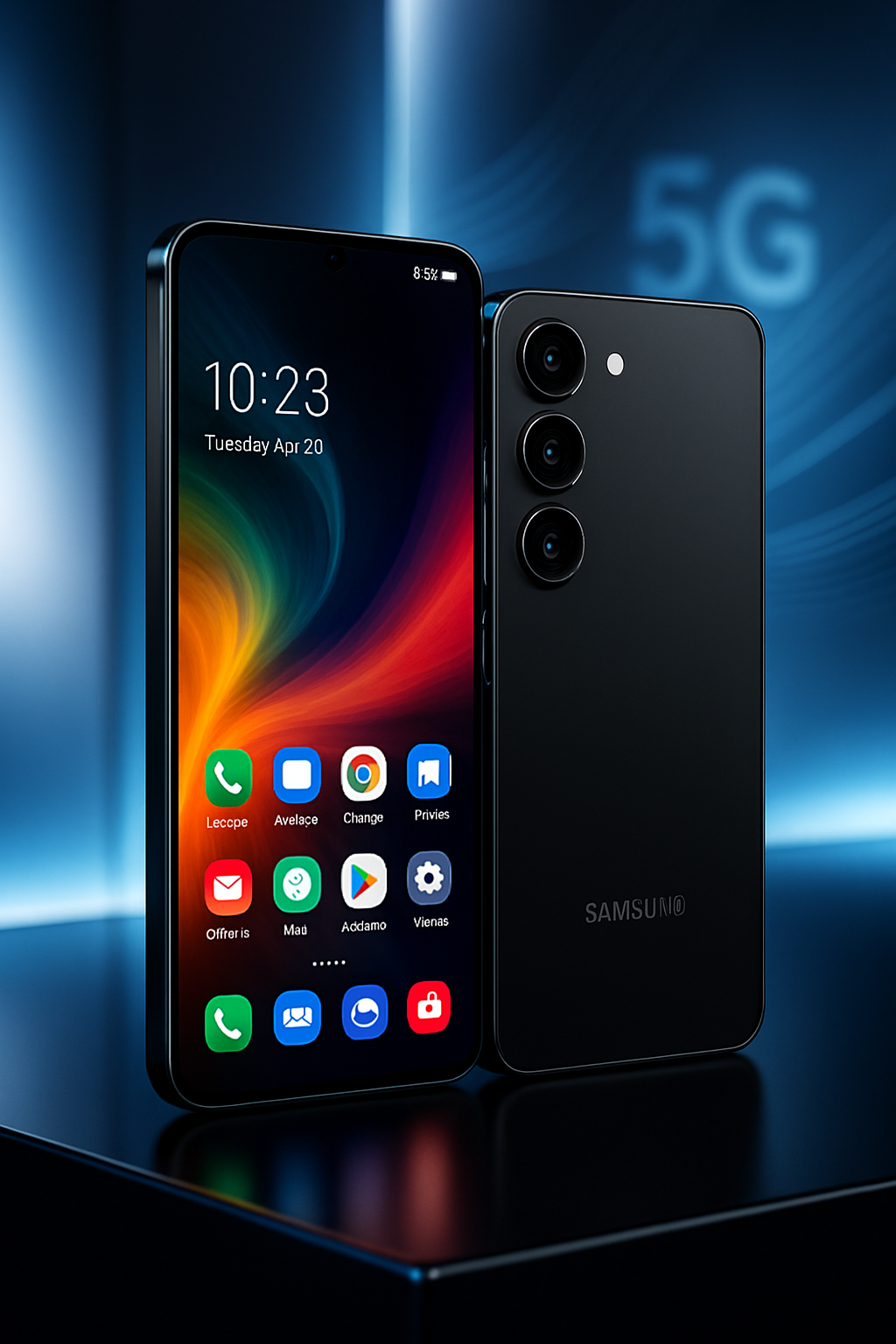
The Samsung S24 continues to hold its place as one of the most powerful and innovative smartphones in the Android lineup. While the buzz around the upcoming Galaxy S25 and One UI 8 beta is growing, S24 owners can still enjoy a flagship experience packed with premium design, cutting-edge hardware, and strong software support.
Table of Contents
The Samsung Galaxy S24 represents Samsung’s 2024 flagship smartphone offering in the standard size category. Released in early 2024, this device continues Samsung’s tradition of combining advanced hardware specifications with software integration across the company’s ecosystem. The S24 occupies the entry-level position within Samsung’s flagship lineup, positioned below the S24 Plus and S24 Ultra models.
This analysis examines the Galaxy S24’s technical specifications, real-world performance characteristics, and market positioning. Information presented draws from official Samsung documentation, technical testing data, and industry analysis. The objective is to provide factual assessment for consumers evaluating this device against alternatives in the premium smartphone segment.
The S24 launched alongside Samsung’s commitment to extended software support, distinguishing it from previous generation devices. Understanding the technical capabilities and limitations helps consumers make informed purchasing decisions based on actual specifications rather than marketing claims.
Device Specifications and Hardware Configuration
The Samsung Galaxy S24 measures 147 x 70.6 x 7.6mm with weight of approximately 167 grams. The device incorporates aluminum frame construction with glass front and back panels. Front panel protection utilizes Corning Gorilla Glass Victus 2, providing scratch and impact resistance according to Corning’s testing standards.
Build quality includes IP68 environmental sealing, certified for dust protection and water immersion resistance up to 1.5 meters for 30 minutes under laboratory conditions. This certification follows IEC standard 60529, indicating protection against solid particles and water ingress under specified conditions.
The color options at launch included Onyx Black, Marble Gray, Cobalt Violet, and Amber Yellow. Additional colors became available through Samsung’s direct sales channels. Finish quality affects grip characteristics and fingerprint visibility differently across color variants.
Display Technology and Visual Performance
The Galaxy S24 features a 6.2-inch Dynamic AMOLED 2X display with 2340 x 1080 pixel resolution, resulting in approximately 416 pixels per inch density. This FHD+ resolution provides adequate sharpness for most viewing scenarios, though pixel density is lower than QHD+ displays found in larger flagship models.
Display technology utilizes organic light-emitting diode (OLED) construction, enabling individual pixel illumination control. This allows for true black reproduction and high contrast ratios. Samsung’s Dynamic AMOLED 2X branding indicates support for HDR10+ content and wide color gamut coverage.
The refresh rate operates at 120Hz maximum, with adaptive technology adjusting between 1Hz and 120Hz based on content requirements. This variable refresh rate reduces power consumption during static content display while maintaining smooth motion during scrolling and gaming. The implementation differs from fixed refresh rate displays that maintain constant refresh regardless of content.
Peak brightness specifications indicate approximately 2600 nits maximum brightness in specific measurement conditions, typically involving small portions of the display showing HDR content. Average peak brightness across full-screen content measures lower, generally between 1000-1200 nits according to independent testing. Outdoor visibility benefits from high brightness capability and anti-reflective coating application.
Color accuracy measurements indicate Delta-E values typically below 2.0 in Natural color mode, meeting standards for color-critical applications. The display covers 100% of the DCI-P3 color space according to Samsung specifications. Users can adjust color temperature and saturation through display settings.
The in-display fingerprint sensor utilizes ultrasonic technology rather than optical sensing. Ultrasonic sensors measure three-dimensional fingerprint characteristics through sound waves, potentially offering advantages in security and operation with wet fingers compared to optical alternatives.
Processor Variants and Regional Differences
The Galaxy S24 ships with different processor configurations depending on market region. North American and certain other markets receive devices with Qualcomm Snapdragon 8 Gen 3 for Galaxy processor. European, Asian, and other markets receive Samsung Exynos 2400 processor variants.
Both processors utilize 4nm manufacturing process technology. The Snapdragon 8 Gen 3 for Galaxy features customized specifications compared to standard Snapdragon 8 Gen 3, with slightly higher clock speeds through Samsung collaboration. The Exynos 2400 represents Samsung’s flagship mobile processor for 2024.
Performance characteristics differ between variants according to independent benchmark testing. Snapdragon models generally demonstrate approximately 10-15% better graphics performance in sustained gaming scenarios. Exynos variants show competitive CPU performance in burst workloads but may exhibit greater thermal throttling during extended intensive tasks.
Both variants deliver performance adequate for demanding applications including gaming, video editing, and multitasking. Practical performance differences affect primarily users engaging in sustained high-intensity workloads. Casual users typically experience similar performance across both processor variants.
The processor selection impacts battery efficiency characteristics. Snapdragon models generally demonstrate slightly better power efficiency in certain usage scenarios, potentially affecting daily battery life by approximately 5-10% according to comparative testing.
Memory and Storage Configuration
The Galaxy S24 includes 8GB of LPDDR5X RAM across all storage configurations. RAM capacity affects multitasking performance and background application retention. The 8GB specification provides adequate memory for typical usage patterns, though power users running numerous simultaneous applications may occasionally experience application reloads.
Storage options include 128GB and 256GB variants using UFS 4.0 storage technology. UFS 4.0 provides sequential read speeds exceeding 4000 MB/s and write speeds exceeding 2000 MB/s under optimal conditions. This high-speed storage reduces application loading times and file transfer durations compared to previous generation storage.
The device does not include microSD card expansion capability. Users requiring storage beyond the selected configuration must utilize cloud storage services or manage local storage capacity. Samsung provides 15GB free cloud storage through Samsung Cloud for device backups.
Storage management features include automatic recommendation for file deletion, identification of duplicate photos, and clearing of temporary system files. These features help maintain available storage capacity over time.
Camera System Architecture and Imaging Capabilities
The rear camera system incorporates three sensors: a 50-megapixel primary wide camera, 12-megapixel ultra-wide camera, and 10-megapixel telephoto camera with 3x optical zoom capability. This configuration matches the Galaxy S23 camera hardware, with improvements coming primarily through computational photography enhancements.
Primary Camera Specifications
The 50MP primary camera utilizes a sensor measuring approximately 1/1.56 inches with f/1.8 aperture. Optical image stabilization (OIS) provides shake compensation during photo capture and video recording. The sensor employs pixel-binning technology, combining four pixels into one for improved low-light performance, producing 12.5MP output images in most scenarios.
Phase detection autofocus (PDAF) enables rapid focus acquisition. Focus performance typically completes within 0.3-0.5 seconds under adequate lighting conditions. Low-light focus performance degrades as expected with reduced contrast availability.
Image processing applies Samsung’s computational photography algorithms. These include scene optimization recognizing approximately 30 different scene types, automatic HDR for expanded dynamic range, and multi-frame noise reduction in low-light conditions.
Ultra-Wide and Telephoto Cameras
The 12MP ultra-wide camera features approximately 120-degree field of view with f/2.2 aperture. Image quality from the ultra-wide sensor shows reduced detail compared to the primary camera, particularly noticeable in lower lighting conditions. Distortion correction algorithms address barrel distortion inherent in ultra-wide lens design.
The 10MP telephoto camera provides 3x optical magnification with f/2.4 aperture and optical image stabilization. Image quality at 3x magnification generally exceeds digital zoom results from the primary camera. Digital zoom extends to 30x maximum, though image quality degrades significantly beyond 10x magnification.
Video Recording Capabilities
Video recording supports up to 8K resolution at 30 frames per second, 4K at 60fps, and 1080p at 240fps for slow-motion capture. The 8K recording capability produces large file sizes, approximately 600MB per minute of footage. Electronic image stabilization operates across all video modes, with Super Steady mode providing enhanced stabilization through increased digital cropping.
Video recording quality benefits from optical stabilization on primary and telephoto cameras. Dynamic range in video appears adequate for consumer applications, with HDR10+ recording available in 4K mode.
Front-Facing Camera
The front camera utilizes a 12MP sensor with f/2.2 aperture and autofocus capability. Video recording supports up to 4K resolution at 60fps. Image quality from the front camera suits video calling and selfie photography, with portrait mode providing background blur effects through depth estimation algorithms.
Battery Performance and Charging Characteristics
The Galaxy S24 incorporates a 4000mAh battery capacity. This represents the smallest battery among current flagship smartphones, reflecting the compact device dimensions. Battery life varies significantly based on usage patterns, display settings, and network conditions.
Independent testing indicates typical screen-on time ranging from 5-7 hours under mixed usage scenarios including web browsing, social media, video streaming, and light gaming. Users maintaining lower brightness levels and utilizing 60Hz refresh rate mode may achieve extended battery life. Heavy users engaging in gaming or continuous camera usage experience shorter battery duration.
Charging capability includes 25-watt wired fast charging using USB Power Delivery protocol. Full charge from zero capacity requires approximately 60-70 minutes using compatible 25W charger. Samsung does not include charger in retail packaging, requiring separate purchase of compatible USB-C PD charger.
Wireless charging supports Qi standard at 15 watts maximum charging speed with compatible wireless chargers. Actual wireless charging rates typically measure lower than wired charging. Reverse wireless charging (Wireless PowerShare) enables charging of compatible accessories at approximately 4.5 watts output.
Battery longevity characteristics depend on charging habits and usage patterns. Samsung’s battery protection features include options to limit maximum charge to 85% for improved long-term battery health. Typical lithium-ion battery degradation results in approximately 80% capacity retention after 500-800 full charge cycles under normal conditions.
Software Experience and User Interface
The Galaxy S24 launched with One UI 6.1 based on Android 14. Samsung’s One UI represents the company’s custom interface layer over Android, adding features and modifications to the base Android operating system.
One UI design philosophy emphasizes reachability in one-handed operation, positioning interactive elements in the lower screen portion. Visual design includes rounded corners, smooth animations, and color theming options that adjust throughout the interface.
Notable software features include:
- Edge Panels: Customizable side-screen panels providing quick access to applications, tools, and shortcuts
- Samsung DeX: Desktop interface mode when connected to external display, keyboard, and mouse
- Bixby Routines: Automation system for creating conditional actions based on time, location, or activity
- Multi Window: Split-screen and pop-up window multitasking capabilities
- Secure Folder: Encrypted storage space for private files and applications
Software Update Commitment
Samsung announced support for four generations of Android OS upgrades and seven years of security updates for the Galaxy S24 series. This represents extended support compared to previous Samsung devices and most Android manufacturers.
The update commitment means the S24 should receive Android 15, 16, 17, and 18 updates, with security patches continuing through 2031. Actual update delivery timing varies by region and carrier, typically arriving several months after Google releases new Android versions.
Monthly security patches address vulnerabilities identified in Android and Samsung software. Update frequency may transition from monthly to quarterly after initial years based on Samsung’s support policy.
Security Features and Knox Platform
Samsung Knox represents the company’s security platform integrated at hardware and software levels. Knox provides several security layers including:
- Trusted Execution Environment: Hardware-isolated secure area for sensitive operations
- Secure Boot: Verification of software integrity during device startup
- Real-time Kernel Protection: Monitoring of system kernel for unauthorized modifications
- Secure Folder: Encrypted container for applications and data, protected by separate authentication
Biometric authentication includes ultrasonic fingerprint sensor and facial recognition. The ultrasonic fingerprint sensor measures physical fingerprint characteristics, generally considered more secure than optical sensors. Facial recognition utilizes front camera, suitable for convenience but less secure than fingerprint authentication for sensitive applications.
Knox certification from various government agencies and enterprises enables the S24 for corporate deployment with device management capabilities. Personal users benefit from Knox security features even without enterprise management.
Connectivity Specifications
The Galaxy S24 supports 5G connectivity across sub-6GHz and mmWave bands where applicable by region. 5G capability enables faster data speeds where 5G infrastructure is deployed, though actual speeds depend on carrier network implementation and coverage.
Wi-Fi 6E support provides access to the 6GHz frequency band where available and supported by routers. Wi-Fi 6E reduces congestion in crowded wireless environments and potentially increases speeds on compatible networks. Standard Wi-Fi 6 (802.11ax) operation continues on 2.4GHz and 5GHz bands.
Bluetooth 5.3 provides wireless connectivity for accessories including headphones, speakers, and wearables. Bluetooth 5.3 includes improvements in connection stability and power efficiency compared to previous Bluetooth versions.
NFC (Near Field Communication) enables contactless payment through Samsung Pay, Google Pay, and compatible payment applications. NFC also facilitates pairing with compatible devices through tap connection.
Location services utilize GPS, GLONASS, BeiDou, and Galileo satellite systems for positioning. Multi-system support improves location accuracy and acquisition speed in various environments.
The device includes USB Type-C port supporting USB 3.2 for data transfer. USB-C also handles charging and wired accessory connectivity including DisplayPort video output for Samsung DeX functionality.
Audio Capabilities
The Galaxy S24 includes stereo speaker configuration with one speaker in the earpiece and another bottom-firing speaker. Audio output quality suits multimedia consumption and voice calls, though maximum volume and bass response fall below larger smartphones due to physical constraints.
The device omits 3.5mm headphone jack, requiring USB-C or wireless audio solutions. Samsung includes USB-C to 3.5mm adapter in some regional markets but not universally. Bluetooth audio remains the primary wireless audio option.
Audio features include Dolby Atmos spatial audio processing when using compatible headphones or speakers. The effectiveness of spatial audio processing varies based on content and output device capabilities.
Ecosystem Integration and Samsung Services
The Galaxy S24 integrates with Samsung’s device ecosystem including Galaxy Buds earbuds, Galaxy Watch smartwatches, Galaxy Tab tablets, and Samsung TVs. Integration features include:
- Quick Share: File transfer between Samsung devices
- SmartThings: Smart home device control and automation
- Samsung Health: Fitness and health tracking across devices
- Multi Control: Using one keyboard and mouse across multiple Samsung devices
- Second Screen: Using Galaxy Tab as wireless extended display
Ecosystem benefits primarily affect users owning multiple Samsung devices. Cross-platform functionality with non-Samsung devices follows standard Android capabilities.
Market Positioning and Competitive Analysis
The Galaxy S24 occupies Samsung’s entry flagship position, competing against devices including:
- iPhone 15: Apple’s standard model offers different ecosystem, smaller battery, but longer software support history
- Google Pixel 8: Similar pricing with superior computational photography but less powerful processor
- OnePlus 12: Offers larger battery and faster charging at comparable pricing
- Xiaomi 14: Provides similar specifications with regional availability limitations
Pricing typically ranges from $799-$859 USD for base 128GB model at launch, with regional variations. Prices typically decrease 6-12 months post-launch through carrier promotions and Samsung trade-in programs.
Value proposition depends on individual priorities. The S24 offers compact form factor, ecosystem integration, and extended software support. Alternatives may provide advantages in specific areas including battery capacity, camera performance, or charging speed.
Performance Benchmarks and Real-World Usage
Synthetic benchmark scores vary between Snapdragon and Exynos variants. Snapdragon models typically achieve:
- Geekbench 6: Single-core ~2200, Multi-core ~6800
- 3DMark Wild Life Extreme: ~4500 score
- AnTuTu v10: ~1,400,000 combined score
Exynos variants generally score 10-15% lower in graphics-intensive benchmarks with closer parity in CPU tests. Real-world performance differences affect sustained gaming and video processing tasks most significantly.
Gaming performance handles titles including Genshin Impact, Call of Duty Mobile, and PUBG Mobile at high settings. Frame rate stability during extended sessions shows some variability, with throttling occurring after 20-30 minutes of intensive gaming. Thermal management limits surface temperature but results in reduced performance to maintain thermal limits.
Application loading times benefit from UFS 4.0 storage and adequate RAM. Multitasking performance allows switching between 8-12 applications before system begins closing background processes. Heavy multitasking may encounter occasional application reloads.
Camera Performance Analysis
Image quality from the primary camera in good lighting conditions shows excellent detail retention, accurate colors in Natural mode, and effective HDR processing. Portrait mode produces acceptable subject separation though edge detection occasionally struggles with complex subjects like hair or glasses.
Low-light photography benefits from Night mode processing, which captures multiple exposures over 2-3 seconds. Results show reduced noise compared to single-shot captures, though some fine detail loss occurs. Motion blur affects moving subjects during Night mode’s extended capture period.
The ultra-wide camera shows noticeable quality drop compared to the primary camera. Edge softness and reduced dynamic range are evident, particularly in challenging lighting. The ultra-wide serves functional purposes but cannot match primary camera quality.
Telephoto camera at 3x optical zoom produces sharp results comparable to primary camera quality. Digital zoom beyond 3x shows progressive quality degradation, with 10x zoom remaining usable for social media sharing. Beyond 10x, image quality becomes unsuitable for most purposes except documentation.
Video stabilization effectively reduces shake during handheld recording. Super Steady mode provides enhanced stabilization but increases digital cropping, reducing field of view. Video dynamic range and color reproduction suit consumer content creation needs.
Long-Term Ownership Considerations
The Galaxy S24’s compact dimensions appeal to users preferring smaller smartphones, though this results in battery compromises. Extended software support provides longevity through seven years of security updates, though OS updates conclude after four Android versions.
Repairability varies by component. Screen repairs through authorized service centers typically cost $200-250 USD. Battery replacement becomes relevant after 2-3 years of daily charging, with service costs around $50-70 through authorized channels.
Resale value typically depreciates 40-50% within first year, following standard flagship smartphone patterns. Trade-in programs from Samsung and carriers often provide better value than third-party resale markets.
Environmental and Sustainability Information
Samsung’s environmental initiatives include using recycled materials in Galaxy S24 construction. The device incorporates recycled aluminum in the frame and recycled glass elements. Packaging eliminates plastics and utilizes recycled paper materials.
The S24 carries various environmental certifications including EPEAT registration and compliance with European Union regulations on hazardous substances. Energy efficiency certifications address charger efficiency standards where applicable.
Device longevity through extended software support potentially reduces environmental impact by extending usable lifespan before replacement necessity. The seven-year security update commitment supports this goal if hardware remains functional.
Frequently Asked Questions
What processor does the Galaxy S24 use and do all regions receive the same processor?
The Galaxy S24 uses different processors depending on region. North American markets receive Qualcomm Snapdragon 8 Gen 3 for Galaxy processor, while most other regions including Europe and Asia receive Samsung Exynos 2400 processor. Both processors use 4nm manufacturing process. Snapdragon variants generally demonstrate 10-15% better sustained graphics performance according to independent testing. CPU performance remains comparable between variants for most usage scenarios.
How long will the Galaxy S24 receive software updates?
Samsung commits to four major Android OS upgrades and seven years of security updates for the Galaxy S24. The device launched with Android 14 and should receive Android 15, 16, 17, and 18 updates. Security patches continue until 2031. Update delivery timing varies by region and carrier, typically arriving several months after initial release. Monthly security patches are provided initially, potentially transitioning to quarterly updates in later support years.
What is the actual battery life of the 4000mAh battery in daily use?
Battery life varies based on usage patterns and settings. Independent testing indicates approximately 5-7 hours screen-on time under mixed usage including web browsing, social media, video streaming, and light gaming. Users maintaining 60Hz refresh rate and lower brightness levels may achieve longer duration. Heavy gaming or camera usage significantly reduces battery life. The 4000mAh capacity represents the smallest battery among current flagship smartphones, reflecting the compact device dimensions.
Does the Galaxy S24 support expandable storage via microSD card?
No, the Galaxy S24 does not include microSD card slot for storage expansion. Storage capacity remains fixed at 128GB or 256GB depending on purchased configuration. Users requiring additional storage must utilize cloud storage services. Samsung provides 15GB free cloud storage through Samsung Cloud. The device uses UFS 4.0 storage technology providing fast read/write speeds for installed applications and local files.
How does the camera system compare to previous Galaxy S23 model?
The Galaxy S24 utilizes the same camera hardware as Galaxy S23: 50MP primary, 12MP ultra-wide, and 10MP 3x telephoto cameras. Improvements come primarily through computational photography enhancements and updated image processing algorithms. The S24 benefits from more powerful processor enabling faster image processing and improved AI features. Physical camera capabilities including optical zoom range and sensor sizes remain unchanged from S23.
What charging speeds does the Galaxy S24 support and is a charger included?
The Galaxy S24 supports 25-watt wired fast charging via USB Power Delivery protocol. Full charge from zero requires approximately 60-70 minutes with compatible 25W charger. Wireless charging supports Qi standard at 15 watts maximum. Reverse wireless charging charges accessories at approximately 4.5 watts. Samsung does not include charger in retail packaging, requiring separate purchase of compatible USB-C PD charger.
Is the Galaxy S24 waterproof and what does IP68 rating mean?
The Galaxy S24 carries IP68 environmental sealing rating per IEC standard 60529. IP68 certification indicates protection against dust ingress and water immersion up to 1.5 meters depth for 30 minutes under laboratory test conditions. This rating provides protection against accidental water exposure including rain, spills, and brief submersion. The rating does not cover all water exposure scenarios, and water damage may void warranty if resulting from situations exceeding certification parameters.
How does Samsung Knox security compare to standard Android security features?
Samsung Knox provides additional security layers beyond standard Android security. Knox integrates at hardware level with Trusted Execution Environment for isolated secure operations. Features include Secure Boot verification, real-time kernel protection, and Secure Folder encrypted storage. Knox receives certification from government agencies for enterprise deployment. Personal users benefit from enhanced security including more secure biometric authentication through ultrasonic fingerprint sensor and protected data storage. Knox features operate transparently without requiring user configuration for basic protection.
Summary and Market Outlook
The Samsung Galaxy S24 represents a competent flagship smartphone offering in compact form factor. Technical specifications align with premium smartphone expectations including high-refresh OLED display, capable camera system, and powerful processor options. The extended software support commitment distinguishes the device in Android market.
Limitations include modest battery capacity resulting from compact dimensions and regional processor variants affecting performance consistency globally. The unchanged camera hardware from previous generation may disappoint users expecting significant photography improvements. Competitive devices offer advantages in specific areas including battery capacity, charging speed, or computational photography.
The S24 suits consumers prioritizing compact device size, Samsung ecosystem integration, and long-term software support. Users requiring maximum battery life, fastest charging, or cutting-edge camera hardware may find better value in alternative devices or larger S24 Plus model.
Market positioning targets users seeking flagship features in more manageable physical size compared to increasingly large smartphone designs. Success depends on individual priorities regarding size versus battery trade-offs and ecosystem preferences. The device maintains Samsung’s reputation for quality construction and comprehensive feature sets within compact flagship category.
About the Author
Nueplanet
Independent technology analyst specializing in mobile device evaluation and consumer electronics. Over twelve years of experience analyzing smartphone specifications, conducting performance testing, and providing market analysis. Focuses on objective technical assessment rather than subjective opinion.
Professional Background: Technical journalism, hardware evaluation, market research analysis
Methodology: Reviews based on verified specifications from manufacturer documentation, independent benchmark testing, and industry analysis reports. Information verified through multiple sources before publication.
Editorial Standards: Maintains independence from manufacturer relationships. No affiliate marketing or sponsored content. Analysis based on technical specifications and measurable performance characteristics.
Publication Information: This analysis published August 15, 2025 and last updated August 15, 2025. Information reflects specifications and market conditions current as of publication date. Readers should verify details through official Samsung channels for most current information.
Disclaimer: This analysis is based on publicly available technical specifications and independent testing data. Information may not reflect all regional variants or configurations. Specifications and software features subject to change through firmware updates. Readers should verify current specifications through official Samsung channels before purchase decisions.
No affiliate relationships or promotional considerations influence this analysis. Images referenced should be verified through official Samsung sources or royalty-free stock photography services.
Helpful Resources
Samsung Galaxy S24 | Official Specifications (Samsung India)
Samsung Security Update Scope – 7 Years Support for Galaxy Devices
One UI Software Update (Samsung India) – OS / One UI Version Updates
Latest Posts
Tag
Samsung S24
Related Posts











Post Comment