






National Doctors Day 2025 in India: Celebrating Our Lifesavers
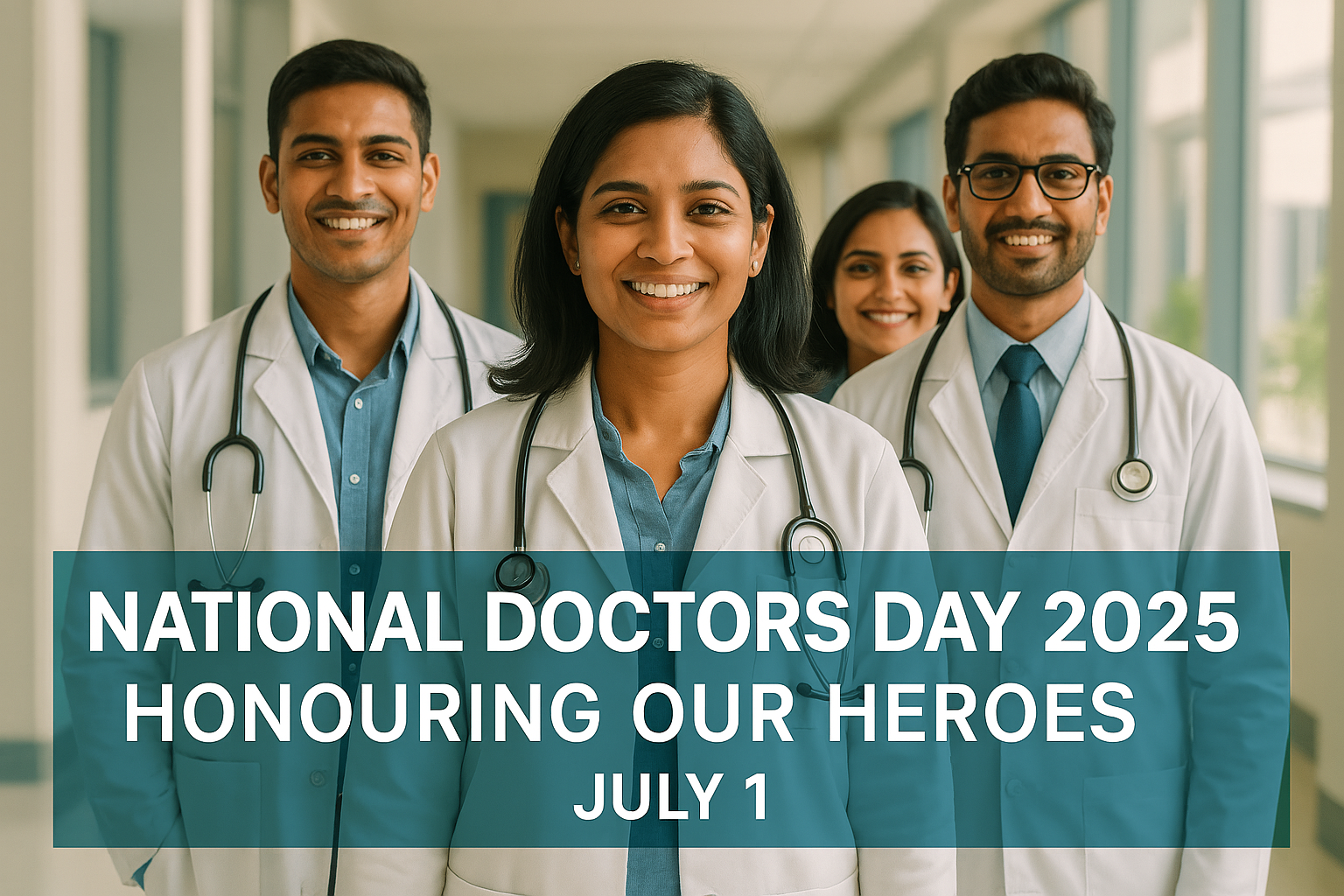
India observes National Doctors Day on July 1 every year to honour its medical heroes. This year, the nation celebrates their sacrifices, compassion, and dedication with the 2025 theme focusing on ethical care.
Table of Contents
Published: July 1, 2025 | Last Updated: July 1, 2025 | Category: National Observances & Healthcare
National Doctors Day represents an important annual observance in India, dedicated to recognizing the contributions of medical professionals to public health and society. Celebrated on July 1st each year, this day honors the legacy of Dr. Bidhan Chandra Roy while acknowledging the work of physicians across the country. This article provides comprehensive information about National Doctors Day 2025, including its historical background, current theme, celebration practices, and significance within India’s healthcare framework.
Official Date and Basic Information
National Doctors Day in India is observed annually on July 1st. This date holds specific historical significance as it marks both the birth anniversary and death anniversary of Dr. Bidhan Chandra Roy, a distinguished physician and former Chief Minister of West Bengal. The observance was officially established by the Government of India in 1991.
For 2025, National Doctors Day falls on Tuesday, July 1st. The day is marked by various programs and activities organized by medical institutions, hospitals, government health departments, and professional medical associations across the country. These events typically focus on recognizing medical professionals’ contributions and raising awareness about healthcare issues.
The observance differs from World Doctors’ Day, which is celebrated on different dates in various countries. India’s specific date reflects the nation’s medical heritage and honors a figure who made significant contributions to both medicine and public administration.
Historical Background and Establishment
The Government of India officially designated July 1st as National Doctors Day in 1991. This decision came after recognition of the need to formally acknowledge the medical profession’s role in maintaining public health and advancing healthcare delivery across the nation.
The selection of July 1st was purposeful, connecting the observance to Dr. Bidhan Chandra Roy’s life dates. Dr. Roy was born on July 1, 1882, and passed away on the same date in 1962. This remarkable coincidence of dates made July 1st symbolically appropriate for honoring medical professionals.
Evolution of the Observance
Since its establishment in 1991, National Doctors Day has evolved in scope and participation. Initially observed primarily within medical institutions, the day now receives broader public recognition. Media coverage, social media campaigns, and government initiatives have expanded awareness beyond the medical community.
The observance has adapted to reflect changing healthcare contexts. Issues such as medical ethics, doctor-patient relationships, healthcare accessibility, and the mental health of medical professionals have become integral to National Doctors Day discussions over the years.
Dr. Bidhan Chandra Roy: Profile and Contributions
Dr. Bidhan Chandra Roy stands as a significant figure in Indian medical history and public administration. His multifaceted career encompassed medical practice, education, political leadership, and infrastructure development.
Educational and Medical Career
Dr. Roy graduated from Calcutta Medical College in 1909 with distinction. He subsequently pursued advanced medical training, developing expertise in multiple specialties including surgery and gynecology. His medical practice in Calcutta served patients across different social and economic backgrounds.
As a medical educator, Dr. Roy influenced numerous students who later became established practitioners. He emphasized both clinical competence and ethical practice in medical training. His contributions to medical education helped shape standards in India during the early-to-mid 20th century.
Political Leadership and Public Service
Dr. Roy served as the second Chief Minister of West Bengal from 1948 until his death in 1962. During this period, he implemented healthcare policies that expanded medical services across the state. His administration focused on establishing medical colleges, hospitals, and public health infrastructure.
His tenure saw the development of several planned cities including Durgapur, Bidhannagar (also known as Salt Lake City), Kalyani, and Ashoknagar. These urban planning initiatives incorporated healthcare facilities as part of comprehensive infrastructure development.
Healthcare Institutions Founded
Dr. Roy was instrumental in establishing several medical institutions that continue to serve communities today. Notable establishments include:
- Chittaranjan Cancer Hospital in Kolkata, providing specialized cancer treatment
- Bidhan Chandra Roy Cancer Hospital, continuing his legacy in oncology care
- Various medical colleges and training facilities across West Bengal
These institutions expanded healthcare capacity and contributed to medical education in the region.
National Recognition
In 1961, Dr. Roy received the Bharat Ratna, India’s highest civilian award, recognizing his contributions to medicine, public health, and governance. This honor reflected his impact across multiple domains of national importance. His legacy continues to influence discussions about the integration of medical expertise with public administration.
Theme for National Doctors Day 2025
The Indian Medical Association (IMA), which coordinates National Doctors Day observances, announces an annual theme to provide focus for the day’s activities and discussions. For 2025, the announced theme is “Ethical Care for All: Honouring Compassionate Healing”.
Theme Components and Interpretation
This theme addresses several dimensions of contemporary medical practice:
Ethical Standards in Medicine: The theme emphasizes maintaining high ethical standards in medical practice. This includes transparency in treatment decisions, informed consent procedures, appropriate billing practices, and adherence to professional conduct codes established by regulatory bodies.
Healthcare Accessibility: The phrase “care for all” highlights ongoing efforts to expand healthcare access across different population segments. This relates to government initiatives, insurance programs, and institutional efforts to serve underserved communities.
Compassionate Patient Care: The theme recognizes the importance of empathy and understanding in doctor-patient interactions. This component addresses the human dimensions of medical care beyond technical competence.
Mental Health Considerations: The theme implicitly acknowledges the emotional and psychological aspects of medical practice, including challenges faced by healthcare providers themselves in maintaining work-life balance and managing professional stress.
Relevance to Current Healthcare Context
The 2025 theme reflects several current issues in Indian healthcare. Medical ethics discussions have gained prominence regarding treatment protocols, patient rights, and professional conduct. Healthcare accessibility remains a priority given disparities between urban and rural areas and across different socioeconomic groups.
The theme also acknowledges lessons from recent healthcare challenges, including the COVID-19 pandemic, which highlighted both the capabilities and stresses experienced by medical professionals. Mental health support for healthcare workers has emerged as an important consideration in medical practice management.
Significance of National Doctors Day
National Doctors Day serves multiple purposes within India’s healthcare ecosystem and broader society.
Recognition of Medical Professionals
The observance provides formal recognition of physicians’ contributions to public health. Medical practice involves extended education periods, continuous learning requirements, irregular working hours, and high-stress situations. The day acknowledges these professional demands and commitments.
According to data from the National Medical Commission, India has approximately 1.3 million registered doctors (as of 2024). These professionals work across diverse settings including government hospitals, private medical facilities, rural health centers, specialty clinics, and research institutions.
Healthcare Awareness
National Doctors Day serves as an opportunity to raise public awareness about health issues. Medical institutions often organize health camps, screening programs, and educational sessions during this period. These activities promote preventive healthcare, disease awareness, and health literacy.
Public health campaigns coordinated with National Doctors Day address issues such as vaccination importance, chronic disease management, maternal and child health, and lifestyle-related health conditions. Media coverage during this period amplifies these health messages to broader audiences.
Medical Education Promotion
The observance highlights medical careers to students considering professional paths. Medical education in India has expanded significantly, with the number of undergraduate medical seats increasing from approximately 51,000 in 2014 to over 100,000 in 2024, according to National Medical Commission data.
National Doctors Day events often include interactions between established physicians and students, providing insights into medical careers. Medical colleges organize special programs that showcase different specializations and career trajectories within medicine.
Policy Discussion Platform
The day provides a platform for discussing healthcare policy issues. Medical associations use this occasion to engage with policymakers regarding challenges facing the healthcare sector. Topics include healthcare infrastructure needs, medical education standards, working conditions for doctors, and healthcare financing mechanisms.
How National Doctors Day is Observed
Celebrations and observances of National Doctors Day take various forms across different institutions and regions.
Hospital and Medical Institution Programs
Hospitals typically organize multiple activities on National Doctors Day:
Recognition Ceremonies: Medical institutions conduct programs honoring senior physicians, particularly those with long service records or notable contributions. Awards may recognize clinical excellence, research achievements, teaching contributions, or community service.
Health Camps: Many hospitals organize free or subsidized health screening camps for communities, particularly targeting underserved populations. These camps may offer general health check-ups, specialized screenings for conditions like diabetes or hypertension, and health education sessions.
Continuing Medical Education: Institutions may organize medical conferences, seminars, or workshops focused on recent developments in various medical fields. These educational programs serve both the observance purpose and ongoing professional development needs.
Patient Interaction Programs: Some facilities organize forums where patients can meet with doctors informally, ask questions about health management, and provide feedback about healthcare experiences.
Government Healthcare Department Activities
Government health departments at central and state levels mark National Doctors Day through various initiatives:
Recognition Programs: Health ministries present awards to doctors working in challenging conditions, particularly those serving in remote or underserved areas. These recognitions highlight contributions to public health programs.
Policy Announcements: Governments sometimes use National Doctors Day to announce healthcare initiatives, infrastructure projects, or policy measures related to medical services or medical education.
Public Health Campaigns: Health departments launch or highlight public health campaigns on this day, leveraging the occasion for health education and awareness.
Medical Association Activities
Organizations like the Indian Medical Association coordinate observances among their members:
Professional Networking: Medical associations organize meetings, conferences, or social gatherings that facilitate networking among practitioners from different specialties and regions.
Public Engagement: Associations may conduct media interactions, public seminars, or community outreach programs to engage with broader audiences about healthcare topics.
Advocacy Initiatives: Professional bodies may highlight issues affecting medical practitioners, such as workplace safety, professional liability concerns, or healthcare system challenges.
Digital and Social Media Observances
Social media has become an important platform for National Doctors Day observances:
Appreciation Messages: Patients and community members share messages of gratitude for healthcare providers through social media platforms. Hashtags like #NationalDoctorsDay trend on platforms including Twitter and Instagram.
Educational Content: Medical professionals and institutions share health information, tips, and educational content through social media channels during this period.
Virtual Events: Particularly following the COVID-19 pandemic, online seminars, webinars, and virtual recognition ceremonies have become common components of National Doctors Day observances.
India’s Doctor-Patient Ratio and Healthcare Context
Understanding National Doctors Day requires context regarding India’s healthcare infrastructure and challenges.
Current Statistics
According to National Health Profile data and National Medical Commission reports, India’s doctor-to-population ratio has been improving but remains below World Health Organization recommendations. As of 2024:
- Registered allopathic doctors: Approximately 1.3 million
- Doctor-to-population ratio: Approximately 1:834 (improved from previous years)
- WHO recommended ratio: 1:1000
- State-wise variations: Significant differences exist between states, with some achieving better ratios while others face shortages
These statistics indicate ongoing progress in medical workforce expansion, though challenges remain in achieving optimal healthcare coverage.
Geographic Distribution Challenges
Healthcare professional distribution shows marked urban-rural disparities. Urban areas, housing approximately 35% of India’s population, have disproportionately higher concentrations of medical professionals. Rural areas face shortages of both general practitioners and specialists.
Government programs aim to address these disparities through various mechanisms:
- Rural service bonding requirements for medical graduates from government institutions
- Financial incentives for doctors serving in remote areas
- Infrastructure development in rural health facilities
- Telemedicine initiatives connecting rural patients with urban specialists
Specialty-wise Distribution
While India has adequate numbers of general practitioners in many areas, specialist availability varies considerably. Certain specialties face particular shortages:
- Anesthesiologists: Critical for surgical services
- Emergency medicine specialists: Important for trauma care
- Radiologists: Essential for diagnostic services
- Pathologists: Necessary for laboratory services
- Mental health professionals: Addressing growing mental health needs
Medical education expansion has focused on increasing specialty training capacity to address these gaps.
Government Initiatives Related to Healthcare Workforce
Several government programs and policies relate to the medical workforce and healthcare delivery, often highlighted during National Doctors Day.
National Medical Commission Reforms
The National Medical Commission (NMC) replaced the Medical Council of India in 2020, bringing significant reforms:
Medical Seat Expansion: Undergraduate medical seats have increased substantially. From approximately 51,000 MBBS seats in 2014, the number exceeded 100,000 by 2024. This expansion aims to address doctor shortage over time.
Curriculum Updates: The NMC has revised medical education curricula to emphasize practical skills, community medicine, and recent medical developments. These changes aim to improve the quality and relevance of medical training.
Regulation Standardization: Efforts to standardize quality across medical colleges through inspection and accreditation processes have intensified under NMC governance.
Ayushman Bharat Program
Launched in 2018, Ayushman Bharat represents India’s largest government health insurance program:
- Coverage: Over 500 million beneficiaries (approximately 40% of population)
- Benefits: Hospitalization coverage up to ₹5 lakh per family annually
- Healthcare Infrastructure: Program includes establishing Health and Wellness Centers for primary care
- Impact on Doctors: Creates demand for medical services and expands employment opportunities
This program has implications for medical practice patterns and healthcare delivery models.
Digital Health Initiatives
The National Digital Health Mission (now Ayushman Bharat Digital Mission) launched in 2020 aims to create digital health infrastructure:
- Unique Health IDs for citizens
- Electronic health records systems
- Digital doctor registries
- Telemedicine frameworks
These initiatives affect how doctors practice and interact with patients, particularly in remote consultations.
COVID-19 Pandemic Impact on Medical Profession
The COVID-19 pandemic significantly affected the medical profession in India, adding new dimensions to National Doctors Day’s significance.
Healthcare Worker Challenges During Pandemic
Medical professionals faced unprecedented challenges during pandemic waves:
Extended Work Hours: Many doctors worked significantly extended shifts during peak periods, with reports of 12-18 hour workdays becoming common in overwhelmed facilities.
Infection Risks: Healthcare workers faced elevated exposure to the virus. The Indian Medical Association reported that over 700 doctors died from COVID-19 during 2020-2021, highlighting the occupational risks.
Resource Constraints: Periods of oxygen shortages, ICU bed limitations, and personal protective equipment scarcity created difficult working conditions and ethical dilemmas.
Mental Health Impact: The combination of high workload, infection risk, patient deaths, and family separation contributed to stress, anxiety, and burnout among medical professionals.
Public Perception Changes
The pandemic altered public perception of medical professionals:
Increased Recognition: Media coverage and public discourse highlighted healthcare workers’ dedication and sacrifices, leading to greater public appreciation.
Community Support: Various community initiatives emerged to support healthcare workers, including food provision, transportation assistance, and accommodation arrangements.
Professional Respect: Post-pandemic surveys have indicated increased respect for medical professionals among the general public.
Systemic Learnings
The pandemic experience generated important insights for healthcare systems:
- Importance of adequate healthcare infrastructure capacity
- Need for emergency preparedness protocols
- Value of telemedicine and digital health platforms
- Significance of mental health support for healthcare workers
- Critical nature of public health communication
These learnings inform ongoing healthcare policy discussions and reforms.
Medical Ethics and Professional Standards
National Doctors Day provides an occasion to emphasize medical ethics and professional conduct standards.
Regulatory Framework
Medical practice in India operates under established regulatory frameworks:
National Medical Commission: Establishes and enforces standards for medical education and practice. The NMC maintains a register of practitioners and handles professional misconduct cases.
State Medical Councils: State-level bodies handle registration and regulatory functions at state levels, coordinating with the national body.
Indian Medical Council (Professional Conduct, Etiquette and Ethics) Regulations: These regulations, updated periodically, provide detailed guidelines for ethical medical practice.
Key Ethical Principles
Medical ethics in India emphasizes several core principles:
Patient Autonomy: Respecting patients’ rights to make informed decisions about their healthcare, including providing adequate information for consent.
Confidentiality: Maintaining privacy of patient information except where legal requirements or public safety concerns necessitate disclosure.
Non-Discrimination: Providing care without discrimination based on religion, caste, economic status, or other factors.
Professional Competence: Maintaining current knowledge and skills through continuing education and practicing within areas of competence.
Appropriate Referral: Referring patients to specialists when cases exceed the practitioner’s expertise or facility capabilities.
Contemporary Ethical Challenges
Modern medical practice faces evolving ethical considerations:
Technology Ethics: Use of artificial intelligence in diagnostics, electronic health records security, and telemedicine protocols raise new ethical questions.
Commercial Pressures: Balancing medical judgment with institutional or commercial pressures requires careful ethical navigation.
Social Media: Professional conduct on social media platforms, patient privacy in digital contexts, and online medical advice present contemporary challenges.
Resource Allocation: Decisions about limited resource allocation during crises or in resource-constrained settings involve complex ethical considerations.
Mental Health of Medical Professionals
The 2025 National Doctors Day theme’s emphasis on compassionate healing includes attention to healthcare providers’ well-being.
Stressors in Medical Practice
Medical professionals face multiple sources of occupational stress:
Work Hours: Long and irregular working hours characterize medical practice, particularly for those in hospital settings or surgical specialties.
Decision Pressure: High-stakes decisions with limited time for deliberation create ongoing psychological pressure.
Emotional Demands: Regular exposure to suffering, death, and emotionally charged situations takes psychological toll.
Administrative Burden: Increasing documentation requirements, insurance procedures, and regulatory compliance add to workload.
Litigation Concerns: Fear of legal action affects practice patterns and contributes to stress levels.
Burnout and Mental Health Concerns
Studies of Indian medical professionals have documented significant mental health challenges:
- Research published in Indian Journal of Psychological Medicine indicates burnout prevalence of 40-50% among doctors in high-pressure specialties
- Depression and anxiety rates among medical professionals exceed general population averages
- Suicide rates among physicians have raised concerns, though comprehensive national data remains limited
These statistics highlight the need for mental health support systems within the medical profession.
Support Initiatives
Various initiatives address mental health needs of medical professionals:
Institutional Programs: Some hospitals have established counseling services, stress management workshops, and peer support groups for staff.
Professional Association Efforts: Medical associations increasingly recognize mental health as a professional issue, organizing programs and resources for members.
Work-Life Balance Policies: Progressive institutions implement policies regarding work hours, leave provisions, and schedule flexibility to support better work-life balance.
Awareness Campaigns: Efforts to destigmatize mental health issues within the medical community encourage practitioners to seek help when needed.
Comparison: National Doctors Day Across Different Countries
Understanding how different nations observe doctors’ days provides international context.
World Doctors’ Day Variations
Different countries observe doctors’ days on various dates with different historical origins:
United States: March 30th commemorates the first use of general anesthesia by Dr. Crawford Long in 1842.
Iran: August 23rd honors Avicenna (Ibn Sina), the renowned Persian physician.
Brazil: October 18th recognizes Saint Luke the Evangelist, considered the patron saint of physicians.
Cuba: December 3rd marks the birth anniversary of Carlos Finlay, who discovered the mosquito transmission of yellow fever.
Vietnam: February 27th commemorates the establishment of Vietnam Medical Association.
India’s Distinctive Approach
India’s National Doctors Day differs from international observances in several ways:
Historical Figure Focus: The day specifically honors Dr. Bidhan Chandra Roy, connecting national medical identity with a particular historical figure.
Dual Professional Recognition: The coincidental celebration of Chartered Accountants Day on July 1st creates a unique dual professional observance in India.
Regional Variations: India’s diverse regions add local cultural elements to observances while maintaining the core national significance.
Integration with Healthcare Awareness: Indian observances often combine professional recognition with public health education campaigns.
Women in Indian Medicine
National Doctors Day provides an opportunity to recognize women’s contributions to Indian medicine.
Historical Pioneers
Women have played significant roles in Indian medical history:
Anandibai Joshi: First Indian woman to obtain a medical degree (MD from Women’s Medical College of Pennsylvania, 1886).
Kadambini Ganguly: First Indian woman to practice medicine in India (1884).
Muthulakshmi Reddy: First woman legislator in India, physician, and social reformer.
These pioneers overcame significant social and institutional barriers to establish women’s presence in Indian medicine.
Current Representation
Women’s representation in Indian medicine has increased substantially:
- Medical college admissions show near gender parity in many institutions
- Women constitute approximately 30-35% of registered doctors nationwide
- Representation varies by specialty, with higher percentages in pediatrics, obstetrics, and dermatology
- Leadership positions in medical institutions show lower female representation despite increasing overall numbers
Ongoing Challenges
Women medical professionals face specific challenges:
Work-Life Balance: Managing demanding medical careers with family responsibilities presents particular challenges in traditional social contexts.
Safety Concerns: Security issues, particularly regarding night shifts, affect career choices and specialty selection.
Career Progression: Gender gaps persist in senior positions, research leadership, and specialty recognition.
Various initiatives by medical associations and institutions aim to address these challenges through mentorship programs, flexible working arrangements, and safety measures.
Medical Tourism and India’s Healthcare Reputation
India’s medical sector extends beyond domestic healthcare to include significant international medical tourism.
Medical Tourism Statistics
India has emerged as a major destination for medical tourism:
- Estimated annual medical tourists: 500,000-600,000 patients
- Medical tourism revenue: Approximately $5-6 billion annually
- Growth rate: 15-20% annual growth in recent years
- Popular treatments: Cardiac surgery, orthopedic procedures, cosmetic surgery, dental care, and alternative medicine
These figures reflect international confidence in Indian medical expertise and infrastructure.
Factors Attracting Medical Tourism
Several factors drive medical tourism to India:
Cost Effectiveness: Medical procedures cost significantly less than in Western countries while maintaining quality standards. For example, cardiac bypass surgery may cost 10-15% of US prices.
Quality Healthcare: Many Indian hospitals have international accreditations (JCI, NABH) ensuring quality standards.
English Proficiency: Widespread English use among medical professionals facilitates communication with international patients.
Comprehensive Services: Integration of modern medicine with traditional systems like Ayurveda offers diverse treatment options.
Tourism Opportunities: Patients can combine medical treatment with tourism experiences.
Impact on Domestic Healthcare
Medical tourism’s growth raises questions about resource allocation:
Positive Aspects: Brings foreign exchange, creates employment, drives quality improvements, and enhances India’s global medical reputation.
Concerns: Questions about whether medical tourism diverts resources from domestic healthcare needs require policy attention.
National Doctors Day discussions sometimes address balancing medical tourism development with domestic healthcare priorities.
Traditional Medicine Integration
India’s healthcare system includes integration of traditional and modern medical systems.
AYUSH Systems
The AYUSH ministry oversees traditional medicine systems:
- Ayurveda: Ancient Indian medical system
- Yoga and Naturopathy: Therapeutic practices
- Unani: Traditional medicine system
- Siddha: Tamil traditional medicine
- Homoeopathy: Alternative medical system
These systems have separate educational institutions, regulatory bodies, and practice frameworks.
Integration Efforts
Recent years have seen increased integration efforts:
Co-location: Some facilities offer both modern and traditional medicine services.
Cross-referral: Protocols for patient referral between different systems have been developed.
Research: Studies examining traditional medicine efficacy using modern research methodologies have increased.
Bridge Courses: The National Medical Commission proposed bridge courses allowing AYUSH practitioners to practice certain aspects of modern medicine, though this remains controversial.
Debates and Challenges
Integration efforts involve ongoing debates:
Evidence Standards: Different systems have varying approaches to evidence and validation.
Scope of Practice: Defining appropriate practice boundaries for different systems requires careful consideration.
Quality Control: Ensuring quality standards across different medical systems presents regulatory challenges.
National Doctors Day in the broader sense recognizes contributions across different medical systems, though the July 1st observance specifically honors modern medicine traditions.
Medical Education Structure in India
Understanding medical education provides context for appreciating physicians’ training and qualifications.
Undergraduate Medical Education
MBBS (Bachelor of Medicine, Bachelor of Surgery) represents the primary medical degree:
Duration: 5.5 years (4.5 years academic + 1 year internship)
Curriculum: Covers pre-clinical sciences (anatomy, physiology, biochemistry), para-clinical subjects (pharmacology, pathology, microbiology), and clinical subjects (medicine, surgery, pediatrics, obstetrics, etc.)
Admissions: Through National Eligibility cum Entrance Test (NEET-UG), conducted by National Testing Agency
Institutions: Over 700 medical colleges across India (government and private)
Postgraduate Medical Education
After MBBS, doctors can pursue specialization:
MD/MS Degrees: 3-year postgraduate programs in various specialties
Diploma Courses: 2-year programs in specific areas
Admissions: Through NEET-PG examination
Super-specialty Training: Further specialization through DM/MCh programs (3 years)
Continuing Medical Education
Medical practice requires ongoing learning:
Mandatory CME: Medical councils require doctors to complete continuing medical education credits
Conferences and Workshops: Professional associations organize regular educational programs
Journal Reading: Staying current with medical literature remains essential
Online Learning: Digital platforms increasingly provide medical education resources
Doctor-Patient Relationship Evolution
The nature of doctor-patient relationships has evolved over time, influenced by various factors.
Traditional Paternalistic Model
Historically, medical practice followed a paternalistic approach where doctors made decisions with limited patient input. This model assumed doctors knew what was best for patients and patients trusted medical authority without question.
Contemporary Shared Decision-Making
Modern medical ethics emphasizes shared decision-making:
Informed Consent: Patients receive comprehensive information about conditions, treatment options, risks, and benefits before making decisions.
Patient Autonomy: Recognition of patients’ rights to make their own healthcare decisions, even when doctors might recommend differently.
Communication Skills: Medical education increasingly emphasizes communication training for practitioners.
Factors Influencing Relationship Dynamics
Several factors affect modern doctor-patient relationships:
Information Access: Internet access allows patients to research conditions and treatments, changing information asymmetry.
Time Constraints: Busy practice schedules may limit consultation time, affecting relationship development.
Healthcare Costs: Financial considerations and insurance requirements add complexity to medical interactions.
Legal Environment: Increased litigation awareness affects how doctors communicate and document care.
Cultural Factors: India’s diverse cultural contexts require sensitivity to different communication styles and health beliefs.
Healthcare Financing and Access
Healthcare access relates closely to financing mechanisms, affecting how medical services reach different population segments.
Healthcare Expenditure Patterns
India’s healthcare financing shows particular characteristics:
Out-of-Pocket Spending: Approximately 55-60% of healthcare expenditure comes from direct patient payments, one of the highest rates globally.
Government Spending: Public healthcare spending represents about 1.3% of GDP, lower than many comparable countries.
Insurance Coverage: Health insurance coverage has expanded but remains incomplete, with significant population segments lacking adequate coverage.
Government Health Schemes
Multiple government programs aim to improve healthcare access:
Ayushman Bharat: As mentioned previously, covers hospitalization for approximately 500 million people.
Rashtriya Swasthya Bima Yojana (RSBY): Earlier scheme for BPL families, now largely merged with Ayushman Bharat.
State Health Schemes: Various states operate their own health insurance or services programs.
Employee Coverage: Government employees and organized sector workers have separate insurance schemes (CGHS, ESI).
Private Healthcare Sector
Private healthcare providers deliver a significant portion of medical services:
- Approximately 70% of outpatient care occurs in private sector
- Private hospitals range from small clinics to large corporate chains
- Quality varies considerably across different private providers
- Cost concerns make private care inaccessible for many population segments
National Doctors Day discussions often address questions of healthcare access, affordability, and quality across different delivery models.
Technology in Modern Medical Practice
Technological advances continue reshaping medical practice in India.
Telemedicine Expansion
Telemedicine adoption accelerated particularly during COVID-19:
Regulatory Framework: Telemedicine Practice Guidelines issued by the Board of Governors (now NMC) provide practice standards.
Applications: Telemedicine serves for consultations, follow-ups, chronic disease management, and specialist access in remote areas.
Platforms: Multiple platforms (eSanjeevani, private platforms) facilitate telemedicine consultations.
Limitations: Issues include digital divide, examination limitations, and prescription regulations.
Artificial Intelligence Applications
AI technologies are entering Indian healthcare:
Diagnostic Support: AI assists in radiology image interpretation, pathology analysis, and disease prediction.
Administrative Efficiency: AI applications help with appointment scheduling, resource allocation, and workflow optimization.
Research Applications: Machine learning aids drug discovery and epidemiological research.
Challenges: Data privacy, algorithm bias, and integration with existing systems require ongoing attention.
Electronic Health Records
Digital health record systems are expanding:
Ayushman Bharat Digital Mission: Creating national digital health infrastructure including electronic health records.
Hospital Systems: Many hospitals have implemented electronic medical record systems.
Benefits: Improved record keeping, reduced duplication, better continuity of care, and research facilitation.
Challenges: Interoperability between systems, data security, and implementation costs remain concerns.
Rural Healthcare Challenges
Despite progress, rural healthcare delivery faces ongoing challenges that relate to doctor distribution and practice.
Infrastructure Limitations
Rural health infrastructure shows gaps:
Primary Health Centers: While widespread, many operate below optimal capacity with equipment and staff shortages.
Community Health Centers: These secondary-level facilities often lack specialists as intended in the national health policy framework.
Emergency Services: Ambulance services and emergency care capacity remain inadequate in many rural areas.
Doctor Retention Issues
Retaining doctors in rural postings presents difficulties:
Professional Isolation: Limited peer interaction and learning opportunities in rural settings.
Family Considerations: Spouses’ career opportunities and children’s education access affect location decisions.
Infrastructure: Basic amenities including housing, electricity, and internet connectivity may be inadequate.
Security Concerns: Personal security issues, particularly for women practitioners, affect willingness to serve in remote areas.
Innovative Solutions
Various approaches attempt to address rural healthcare challenges:
Mobile Health Units: Vehicles equipped with basic diagnostic equipment and medications visit remote villages.
Hub-and-Spoke Models: Connect primary health centers with district hospitals through telemedicine and referral protocols.
Incentive Programs: Financial bonuses, rural service weightage for postgraduate admissions, and other incentives encourage rural service.
Task Shifting: Training mid-level healthcare workers to perform certain functions under doctor supervision extends reach.
Frequently Asked Questions About National Doctors Day
Q1: When is National Doctors Day celebrated in India and why was July 1st chosen?
National Doctors Day in India is celebrated annually on July 1st. This specific date was chosen because it marks both the birth anniversary and death anniversary of Dr. Bidhan Chandra Roy, an eminent physician and former Chief Minister of West Bengal. Dr. Roy was born on July 1, 1882, and passed away on the same date in 1962. The Government of India officially designated July 1st as National Doctors Day in 1991 to honor Dr. Roy’s contributions to medicine and public health while recognizing all medical professionals’ service to society.
Q2: What is the theme for National Doctors Day 2025?
The Indian Medical Association has announced the theme for National Doctors Day 2025 as “Ethical Care for All: Honouring Compassionate Healing”. This theme emphasizes several key aspects of modern medical practice including maintaining high ethical standards in patient care, ensuring healthcare accessibility across different population segments, recognizing the importance of empathy in doctor-patient relationships, and acknowledging the mental health and well-being of healthcare providers themselves. The theme reflects current priorities in India’s healthcare sector regarding quality, ethics, and compassionate care delivery.
Q3: Who was Dr. Bidhan Chandra Roy and what were his major contributions?
Dr. Bidhan Chandra Roy was a distinguished physician, educator, and statesman. He graduated from Calcutta Medical College in 1909 and practiced medicine while also pursuing political leadership. As West Bengal’s Chief Minister from 1948 to 1962, he implemented significant healthcare policies and infrastructure development. His contributions include establishing Chittaranjan Cancer Hospital and other medical institutions, planning modern cities like Durgapur and Bidhannagar with integrated healthcare facilities, mentoring numerous medical students, and advancing medical education standards. He received the Bharat Ratna, India’s highest civilian honor, in 1961 for his exceptional contributions to medicine and public service.
Q4: How do hospitals and medical institutions typically observe National Doctors Day?
Medical institutions observe National Doctors Day through various activities. Common observances include organizing free health check-up camps for underserved communities, conducting recognition ceremonies honoring senior doctors and medical staff with awards for excellence in clinical care, teaching, or research, arranging continuing medical education programs such as seminars and workshops on current medical topics, facilitating patient interaction programs where communities can engage with healthcare providers, and coordinating blood donation drives and health awareness campaigns. Government health departments may announce policy initiatives or recognize doctors serving in challenging locations. The specific activities vary by institution size, resources, and regional context.
Q5: What is India’s current doctor-to-population ratio and how does it compare to international standards?
As of 2024, India has approximately 1.3 million registered allopathic doctors, resulting in a doctor-to-population ratio of roughly 1:834. This represents improvement from previous years and approaches the World Health Organization’s recommended ratio of 1:1000. However, significant state-wise variations exist, with some states achieving better ratios while others face shortages. The distribution also shows marked urban-rural disparities, with urban areas having disproport
ionately higher doctor concentrations compared to rural areas that house approximately 65% of India’s population. The National Medical Commission’s expansion of medical education, with MBBS seats increasing from about 51,000 in 2014 to over 100,000 by 2024, aims to further improve these ratios over time.
Q6: How has the COVID-19 pandemic affected the significance of National Doctors Day?
The COVID-19 pandemic significantly heightened awareness of medical professionals’ contributions and sacrifices. During pandemic waves, doctors faced extended working hours, elevated infection risks, resource constraints, and intense psychological pressure. The Indian Medical Association reported over 700 doctor deaths from COVID-19 during 2020-2021, illustrating the occupational risks healthcare workers faced. The pandemic experience led to increased public recognition of medical professionals’ dedication, community support initiatives for healthcare workers, and greater emphasis on issues like mental health support for medical practitioners and healthcare infrastructure adequacy. Post-pandemic National Doctors Day observances often include specific recognition of healthcare workers’ pandemic service and discussions about systemic lessons learned.
Q7: What is the difference between India’s National Doctors Day and World Doctors’ Day observed in other countries?
India celebrates National Doctors Day on July 1st specifically to honor Dr. Bidhan Chandra Roy and recognize Indian medical professionals’ contributions. Different countries observe doctors’ days on various dates with different historical origins. The United States observes Doctors’ Day on March 30th, commemorating the first use of general anesthesia. Iran celebrates on August 23rd honoring Avicenna, Brazil on October 18th recognizing Saint Luke, and other nations have their own dates and historical connections. India’s observance uniquely combines national medical heritage with recognition of a specific historical figure who contributed to both medicine and public administration. The themes and activities also reflect India’s specific healthcare context and challenges.
Q8: What are the main challenges facing medical professionals in India currently?
Medical professionals in India face multiple challenges including workload pressure from high patient volumes and inadequate doctor-to-population ratios in many areas, geographic maldistribution with rural areas facing persistent doctor shortages, work-life balance difficulties due to long and irregular hours particularly in hospital settings, mental health concerns with studies indicating burnout prevalence of 40-50% in high-pressure specialties, medico-legal anxieties regarding potential litigation affecting practice patterns, administrative burden from increasing documentation and regulatory requirements, and infrastructure limitations particularly in government health facilities. Additionally, issues around professional autonomy, adequate compensation especially in public sector positions, and workplace security particularly for women practitioners require ongoing attention from policymakers and institutions.
Medical Research in India
Medical research represents an important dimension of healthcare advancement, though National Doctors Day primarily focuses on clinical practice.
Research Infrastructure
India has established medical research infrastructure through various institutions:
Indian Council of Medical Research (ICMR): The apex body for biomedical research in India, coordinating and funding research activities across the country.
AIIMS and Premier Institutions: All India Institute of Medical Sciences and other premier medical institutions conduct significant research alongside clinical care and education.
Private Research: Pharmaceutical companies and private healthcare institutions increasingly invest in medical research.
International Collaborations: Indian researchers participate in global research initiatives and clinical trials.
Research Challenges
Medical research in India faces certain constraints:
Funding Limitations: Research funding as percentage of GDP remains lower than many countries with advanced medical research programs.
Infrastructure Gaps: Not all medical institutions have adequate laboratory facilities, equipment, or research support staff.
Publication Pressure: Emphasis on publication quantity sometimes affects research quality.
Clinical Trial Regulations: While necessary for patient protection, regulatory requirements affect the ease of conducting clinical research.
Notable Research Contributions
Indian medical researchers have made significant contributions:
- Vaccine development including rotavirus vaccine and COVID-19 vaccines
- Tuberculosis research given India’s high disease burden
- Tropical disease studies relevant to regional health challenges
- Cost-effective medical technology innovations
- Traditional medicine research examining Ayurvedic and other system efficacies
National Doctors Day sometimes highlights research achievements alongside clinical care contributions.
Medical Practice Specializations
Indian medicine encompasses numerous specializations, reflecting healthcare’s complexity and diversity.
Major Specialty Categories
Medical specializations fall into broad categories:
Surgical Specialties: General surgery, orthopedics, neurosurgery, cardiothoracic surgery, plastic surgery, and various other surgical disciplines.
Medical Specialties: Internal medicine, cardiology, neurology, gastroenterology, nephrology, pulmonology, and other organ system specialties.
Diagnostic Specialties: Radiology, pathology, microbiology providing diagnostic services.
Support Specialties: Anesthesiology, emergency medicine enabling other specialties’ work.
Community Medicine: Public health, preventive medicine, epidemiology addressing population health.
Allied Specialties: Dermatology, psychiatry, pediatrics, obstetrics and gynecology serving specific populations or conditions.
Emerging Specialties
New specializations continue developing:
Palliative Care: Focusing on quality of life for patients with serious illnesses gains recognition.
Geriatric Medicine: Addressing elderly population’s specific needs becomes increasingly important given demographic changes.
Sports Medicine: Growing interest in fitness and athletics creates demand for sports medicine specialists.
Medical Genetics: Advances in genomics create new specialty areas.
Clinical Informatics: Integration of information technology with medicine creates new career paths.
Specialty Selection Factors
Doctors choose specializations based on various factors:
- Personal interest and aptitude for particular medical areas
- Lifestyle considerations including work hours and emergency call requirements
- Income potential varying considerably across specialties
- Availability of training positions in competitive fields
- Future career opportunities and scope of practice
National Doctors Day recognizes contributions across all specialties, acknowledging diverse roles within healthcare.
International Medical Graduates and India
Indian medical graduates practice globally, while foreign medical graduates also contribute to Indian healthcare.
Indian Doctors Abroad
Significant numbers of Indian medical graduates practice internationally:
Popular Destinations: United States, United Kingdom, Australia, Canada, and Gulf countries host large numbers of Indian doctors.
Licensing Requirements: Each country has specific medical licensing examinations (USMLE in USA, PLAB in UK, AMC in Australia) that graduates must pass.
Contributions: Indian doctors hold prominent positions in healthcare systems worldwide, with some achieving leadership roles in major institutions.
Motivations: Factors driving international migration include better compensation, advanced training opportunities, research facilities, and quality of life considerations.
Brain Drain Concerns
Medical professional emigration raises concerns:
Investment Loss: Public investment in medical education results in trained professionals serving other countries.
Workforce Shortage: Emigration contributes to doctor shortages, particularly in specialized fields.
Rural Impact: Doctors who might otherwise serve underserved areas opt for international opportunities.
Policy Discussions: Debates continue about measures to retain medical talent while respecting individual career choices.
Foreign Medical Graduates in India
The situation also includes foreign medical graduates:
Screening Test: Foreign Medical Graduate Examination (FMGE) required for foreign degree holders to practice in India.
Pass Rates: FMGE pass rates remain relatively low, raising questions about foreign medical education quality.
Student Numbers: Thousands of Indian students pursue medical education abroad annually, primarily in countries like China, Russia, Ukraine, Philippines, and Caribbean nations, due to limited domestic seats and high competition.
Regulatory Scrutiny: Concerns about quality of some foreign medical institutions lead to periodic regulatory reviews.
Doctor-Patient Communication Challenges
Effective communication forms a crucial component of quality medical care, yet faces various challenges.
Language Barriers
India’s linguistic diversity creates communication challenges:
Multiple Languages: Over 22 scheduled languages and hundreds of dialects mean doctors and patients may not share common languages.
Medical Terminology: Complex medical terms require translation into terms patients understand.
Regional Variations: Doctor mobility means practitioners may work in regions where local language differs from their native tongue.
Solutions: Some institutions employ translators, use visual aids, or provide multilingual information materials.
Health Literacy Variations
Patient health literacy varies considerably:
Educational Disparities: Literacy rates vary across regions and demographic groups, affecting health communication.
Medical Knowledge: Understanding of body functions, disease processes, and treatment mechanisms varies.
Communication Approaches: Doctors must adapt explanations to patients’ comprehension levels without being condescending.
Written Materials: Prescription instructions, discharge summaries, and health education materials must accommodate varying literacy levels.
Cultural Sensitivity
Cultural factors influence medical communication:
Health Beliefs: Traditional beliefs about disease causation and treatment may differ from biomedical models.
Gender Considerations: Some cultural contexts affect opposite-gender doctor-patient interactions.
Decision-Making: Family involvement in medical decisions varies across cultural contexts.
Dietary Advice: Treatment recommendations must consider cultural dietary practices and restrictions.
Effective cross-cultural communication requires awareness and adaptability from medical professionals.
Medical Professional Organizations
Various professional organizations represent and support medical practitioners in India.
Indian Medical Association
The Indian Medical Association (IMA) represents a major professional body:
Membership: Over 300,000 members across India make it one of the largest medical organizations.
Functions: Provides continuing education, professional networking, ethical guidance, advocacy on healthcare policies, and member support services.
Structure: National organization with state and local branches across the country.
National Doctors Day Role: IMA plays a key role in coordinating National Doctors Day observances and announcing annual themes.
Specialty-Specific Associations
Numerous specialty societies serve specific medical fields:
- Association of Physicians of India
- Indian Orthopaedic Association
- Cardiological Society of India
- Indian Academy of Pediatrics
- Indian Psychiatric Society
- Numerous other specialty and subspecialty associations
These organizations provide specialty-specific education, research collaboration, and professional development opportunities.
Resident Doctors Associations
Medical residents have separate organizational representation:
Institution-Based Associations: Most teaching hospitals have resident doctors associations representing trainees’ interests.
Issues Addressed: Working conditions, stipend levels, hostel facilities, safety concerns, and training quality.
Advocacy: These associations sometimes engage in advocacy regarding resident welfare and training standards.
State Medical Councils
State medical councils serve regulatory functions:
Registration: Maintain registers of medical practitioners licensed to practice in respective states.
Ethical Oversight: Handle complaints regarding professional misconduct.
Coordination: Work with National Medical Commission on regulatory matters.
Public Health Doctors and Community Medicine
While clinical practice receives primary attention during National Doctors Day, public health physicians play crucial roles.
Public Health Infrastructure
Public health doctors work in various settings:
Government Health Services: District health offices, state health departments, and central health ministry employ public health specialists.
Disease Control Programs: National programs for tuberculosis, HIV/AIDS, malaria, and other diseases require public health expertise.
Maternal and Child Health: Programs like Reproductive and Child Health utilize public health physicians.
Epidemiology: Disease surveillance and outbreak investigation involve public health doctors.
Community Medicine Specialty
Community medicine represents a distinct medical specialty:
Training: MD in Community Medicine provides specialized public health training.
Scope: Encompasses epidemiology, health administration, health education, environmental health, and occupational health.
Career Paths: Academic positions, government health services, NGOs, and international health organizations employ community medicine specialists.
Challenges: Community medicine faces recruitment challenges compared to clinical specialties due to perception and compensation factors.
Preventive Care Emphasis
Public health doctors emphasize disease prevention:
Vaccination Programs: Immunization initiatives preventing infectious diseases.
Screening Programs: Early detection programs for conditions like diabetes, hypertension, and cancers.
Health Education: Community awareness campaigns about nutrition, sanitation, and healthy behaviors.
Policy Advocacy: Evidence-based recommendations for health policies and programs.
National Doctors Day appropriately recognizes public health physicians’ contributions alongside clinical practitioners.
Medical Negligence and Legal Framework
The legal aspects of medical practice affect doctor-patient relationships and professional practice patterns.
Consumer Protection Act Application
Medical services fall under consumer protection jurisdiction:
Consumer Forums: Patients can file complaints in district, state, or national consumer forums.
Timeframes: Cases should be decided within specified timeframes, though actual resolution often takes longer.
Compensation: Forums can award compensation for medical negligence or service deficiencies.
Appeals: Decisions can be appealed to higher consumer forums and eventually to Supreme Court.
Defining Medical Negligence
Legal standards for medical negligence have evolved:
Bolam Test: Courts often reference this principle that doctors should meet standards accepted by reasonable medical practitioners.
Informed Consent: Failure to obtain proper informed consent can constitute negligence.
Documentation: Inadequate medical records can disadvantage doctors in legal proceedings.
Honest Mistake vs. Negligence: Courts distinguish between unfortunate outcomes despite proper care and actual negligence.
Impact on Medical Practice
Medicolegal concerns affect practice patterns:
Defensive Medicine: Doctors may order unnecessary tests or procedures to protect against potential litigation.
Specialty Choices: Fear of litigation influences specialty selection, with students avoiding higher-risk specialties.
Doctor-Patient Trust: Legal concerns can negatively affect relationship dynamics and communication openness.
Insurance: Professional indemnity insurance becomes necessary, adding to practice costs.
Proposed Reforms
Various stakeholders suggest legal framework modifications:
Medical Courts: Proposals for specialized courts with medical expertise to handle cases.
Alternative Dispute Resolution: Mediation mechanisms for faster, less adversarial resolution.
Reasonable Compensation: Caps on compensation amounts to reduce frivolous litigation.
Protection for Emergency Care: Legal protection for doctors providing emergency treatment in good faith.
These legal dimensions form part of broader discussions about medical practice environment during National Doctors Day and throughout the year.
Medical Education Reforms
Ongoing reforms in medical education affect future doctor preparation and practice.
Competency-Based Medical Education
The National Medical Commission has introduced competency-based curriculum:
Learning Outcomes: Defines specific competencies students must achieve rather than just content coverage.
Early Clinical Exposure: Students interact with patients earlier in training.
Integrated Teaching: Reduces compartmentalization between subjects.
Assessment Changes: Focuses on competency demonstration through various methods beyond traditional examinations.
Implementation Challenges: Requires faculty training, infrastructure adaptation, and assessment system changes.
Foundation Course
A foundation course has been introduced at entry level:
Duration: Initial months of medical school before core medical subjects begin.
Content: Covers language skills, basic science concepts, ethics, and professional development.
Rationale: Bridges gap between school and medical college, addresses diverse student backgrounds.
Adaptation Period: Allows students to adjust to medical education demands.
Community Postings
Medical education increasingly emphasizes community experience:
Rural Exposure: Mandatory rural postings during training.
Primary Healthcare Experience: Students work in primary health centers and community settings.
Public Health Understanding: Exposure to population health issues beyond clinical medicine.
Career Influence: Some evidence suggests rural exposure influences career choices toward underserved area service.
Technology Integration
Medical education incorporates technological tools:
Simulation Training: High-fidelity simulators for practicing procedures.
Online Learning: Digital platforms supplement traditional teaching.
Virtual Patients: Computer-based case scenarios for clinical reasoning development.
Digital Anatomy: 3D visualization tools for anatomy education.
These educational reforms aim to better prepare doctors for contemporary practice challenges.
Private Medical Practice Dynamics
While government hospitals employ many doctors, private practice remains a significant component of healthcare delivery.
Practice Models
Private medical practice takes various forms:
Solo Practice: Individual doctors establish their own clinics.
Group Practice: Multiple doctors share facilities and administrative costs.
Hospital Employment: Corporate hospitals employ doctors on salary or contract basis.
Consulting Arrangements: Senior doctors consult at multiple facilities.
Hybrid Models: Doctors combine government employment with private practice where permitted.
Economic Considerations
Private practice involves financial factors:
Setup Costs: Establishing clinics requires significant initial investment in premises, equipment, and licensing.
Operational Expenses: Rent, staff salaries, supplies, equipment maintenance, and utilities create ongoing costs.
Income Variability: Practice income varies based on specialty, location, reputation, and patient volume.
Insurance: Professional indemnity insurance, property insurance, and other coverages add to costs.
Taxation: Private practitioners manage tax obligations including income tax and GST where applicable.
Ethical Considerations in Private Practice
Private practice raises specific ethical considerations:
Commercial Pressures: Balancing income needs with appropriate care recommendations.
Unnecessary Procedures: Avoiding interventions driven by financial rather than medical considerations.
Referral Ethics: Ensuring referrals serve patient interests rather than financial arrangements.
Pricing Transparency: Communicating costs clearly before providing services.
Quality Standards: Maintaining quality despite competitive pressures and cost constraints.
Professional associations and regulatory bodies provide ethical guidelines for private practitioners.
Occupational Health and Safety for Doctors
Medical professionals face occupational health and safety risks requiring attention.
Infectious Disease Risks
Healthcare workers face elevated infection exposure:
Bloodborne Pathogens: Hepatitis B, hepatitis C, and HIV transmission risks through needle sticks and other exposures.
Airborne Diseases: Tuberculosis, COVID-19, and other respiratory infections.
Prevention Measures: Vaccination programs, personal protective equipment, post-exposure prophylaxis protocols, and infection control training.
Surveillance: Occupational exposure reporting and monitoring systems.
Physical Risks
Medical work involves physical hazards:
Musculoskeletal Issues: Long hours standing during surgeries, patient lifting, and repetitive motions.
Radiation Exposure: Doctors using fluoroscopy, CT scans, and other imaging modalities face radiation exposure.
Chemical Hazards: Exposure to sterilizing agents, anesthetic gases, and chemotherapy drugs.
Protective Measures: Ergonomic equipment, radiation safety protocols, proper handling procedures, and regular monitoring.
Violence and Workplace Safety
Healthcare workers increasingly face violence:
Patient/Family Violence: Assault or threats from patients or relatives, particularly during emergencies or when outcomes are unfavorable.
Statistics: Studies indicate significant percentages of doctors experience workplace violence during careers.
Impact: Physical injury, psychological trauma, and effects on professional morale and career decisions.
Preventive Measures: Security personnel, panic buttons, staff training, legal protections through specific legislation, and institutional policies.
Psychological Occupational Hazards
Mental health risks constitute important occupational concerns:
Burnout: Emotional exhaustion, depersonalization, and reduced personal accomplishment.
Compassion Fatigue: Diminished capacity for empathy due to repeated exposure to trauma.
Secondary Trauma: Psychological impact from patients’ traumatic experiences.
Support Needs: Counseling services, peer support, stress management training, and organizational culture changes.
National Doctors Day provides opportunity to highlight occupational health needs of medical professionals.
Conclusion and Key Takeaways
National Doctors Day 2025, observed on July 1st, serves multiple important functions within India’s healthcare landscape. The day honors Dr. Bidhan Chandra Roy’s legacy while recognizing the contributions of medical professionals across diverse specialties, practice settings, and regions.
The 2025 theme “Ethical Care for All: Honouring Compassionate Healing” emphasizes crucial dimensions of contemporary medical practice including ethical standards, healthcare accessibility, compassionate care, and attention to healthcare providers’ well-being. These themes reflect ongoing priorities in India’s healthcare sector.
Understanding National Doctors Day requires context regarding India’s healthcare system, including doctor-population ratios that continue improving but show geographic disparities, medical education expansion through increased seats and curriculum reforms, challenges faced by medical professionals including workload pressures and mental health concerns, and evolving dynamics in doctor-patient relationships affected by information access, legal frameworks, and communication factors.
The observance takes various forms including hospital recognition programs, government health department initiatives, medical association activities, and social media engagement. These celebrations provide opportunities for public appreciation of medical professionals while also highlighting healthcare system challenges and needs.
Looking forward, Indian healthcare faces opportunities and challenges including expanding medical education capacity to improve doctor availability, addressing rural healthcare access through various innovative approaches, integrating technology including telemedicine and artificial intelligence in appropriate ways, maintaining ethical standards amid commercial pressures and resource constraints, supporting medical professionals’ mental health and well-being, and continuing efforts to make quality healthcare accessible across different population segments.
National Doctors Day 2025 appropriately recognizes both individual physicians’ dedication and the systemic factors that enable or constrain quality healthcare delivery. Citizens can observe the day by expressing appreciation to healthcare providers, participating in health awareness activities, supporting policies that strengthen healthcare systems, and recognizing that quality healthcare requires sustained commitment from medical professionals, policymakers, institutions, and society broadly.
About the Author
Nueplanet is a professional content writer focused on healthcare topics, national observances, and public information. With commitment to factual accuracy and verification, Nueplanet produces content based on official government sources, medical institutions, regulatory bodies, and established research.
The writing approach prioritizes clear communication of complex healthcare information for general audiences while maintaining technical accuracy. Content undergoes thorough fact-checking against authoritative sources including the National Medical Commission, Indian Medical Association, Ministry of Health and Family Welfare, and peer-reviewed medical literature.
Nueplanet believes in providing readers with reliable, well-researched information that helps them understand healthcare systems, medical professionals’ roles, and health-related observances within India’s context. Each article includes clear sourcing, publication dates, and update records ensuring readers access current, verified information.
For questions about sources or content verification, readers may refer to official websites of the National Medical Commission (www.nmc.org.in), Indian Medical Association (www.ima-india.org), and Ministry of Health and Family Welfare (www.mohfw.gov.in) cited throughout this article.
Primary Sources Referenced:
- National Medical Commission (regulatory body for medical education and practice)
- Indian Medical Association (professional medical association)
- Ministry of Health and Family Welfare, Government of India
- National Health Profile statistical reports
- Medical education policy documents and circulars
- Historical records regarding Dr. Bidhan Chandra Roy
- Published research on doctor-patient ratios and healthcare access
- COVID-19 pandemic healthcare impact studies
Disclaimer: This article provides general information about National Doctors Day 2025 based on established observance patterns, official sources, and current healthcare context. Specific celebration activities, programs, and initiatives vary by institution and region. Readers seeking information about particular institutions’ National Doctors Day programs should contact those institutions directly. Healthcare statistics and policy information reflect data available as of the publication date and may be subject to updates.
Helpful Resources
Latest Posts
- Severe Rainfall Alert Issued Across India: IMD Predicts Intense Monsoon Spell
- ICAI CA Final Result May 2025: Expected Date, Pass Percentage, and How to Check
- Karnataka PUC 2 Exam 3 Results 2025: All You Need to Know
- Wiaan Mulder’s Unbeaten Century Anchors South Africa Against West Indies
- Boeing 787 Dreamliner Crash: A Deep Dive into Safety Concerns and Corporate Accountabilit
Related Posts






Post Comment