








Microsoft Xbox Division Layoffs 2025: What It Means and How Tech Professionals Can Respond
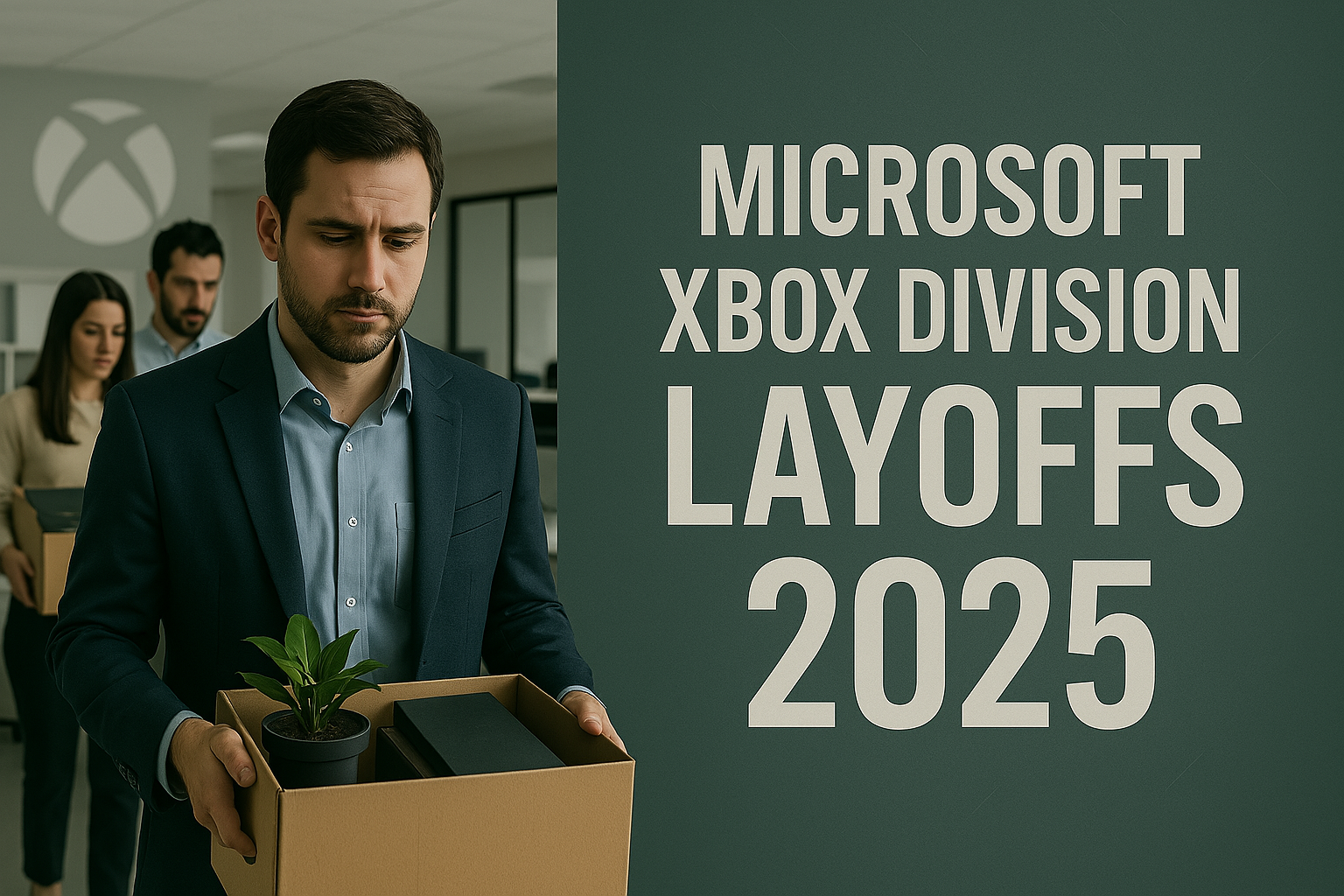
Microsoft has announced another round of Xbox Division layoffs in June 2025 amid AI and cost-cutting strategies. Learn what this means, which teams are affected, and how tech workers can respond and upskill.
Table of Contents
Introduction to Microsoft’s Gaming Division Adjustments
Microsoft Corporation has implemented organizational restructuring within its Xbox gaming division during 2024 and 2025, affecting multiple operational areas including game development studios, hardware engineering teams, and regional sales operations. These workforce adjustments follow the company’s $69 billion acquisition of Activision Blizzard, which completed in October 2023 and represented the largest transaction in video gaming industry history.
The restructuring activities reflect broader trends in the technology sector where companies are optimizing operational structures, integrating acquired businesses, and reallocating resources toward strategic priorities including artificial intelligence and cloud computing. Understanding these organizational changes requires examination of the acquisition’s integration requirements, market dynamics affecting the gaming industry, and Microsoft’s long-term strategy for its entertainment and gaming businesses.
This analysis provides factual information about the workforce adjustments, their timing and scope, strategic context, and implications for Microsoft’s gaming operations. The content draws from official company statements, financial disclosures, and verified business reporting to present an accurate assessment of these organizational developments.
Background: Activision Blizzard Acquisition Context
Transaction Overview and Completion
Microsoft announced its intention to acquire Activision Blizzard in January 2022 for $68.7 billion, representing approximately $95 per share. The transaction faced extensive regulatory review across multiple jurisdictions including the United States, European Union, and United Kingdom. After addressing regulatory concerns and receiving necessary approvals, the acquisition completed on October 13, 2023.
The acquisition brought major gaming franchises under Microsoft’s ownership including Call of Duty, World of Warcraft, Overwatch, Diablo, Candy Crush, and numerous other intellectual properties. Activision Blizzard employed approximately 13,000 people at the time of acquisition completion, adding substantially to Microsoft’s existing gaming workforce of roughly 22,000 employees across Xbox Game Studios and related operations.
The scale of this transaction necessitated comprehensive integration planning to address overlapping functions, consolidate operational structures, and achieve anticipated synergies. Microsoft communicated expectations for operational efficiencies resulting from the combination, though specific workforce adjustment projections were not disclosed publicly at the transaction announcement.
Gaming Industry Competitive Landscape
The video gaming industry has experienced significant growth over the past decade, with global revenue exceeding $180 billion annually according to industry research firms. The market encompasses multiple segments including console gaming, PC gaming, mobile gaming, and emerging cloud gaming services. Major competitors include Sony Interactive Entertainment (PlayStation), Nintendo, Tencent, NetEase, Electronic Arts, and numerous independent developers.
Microsoft’s gaming strategy emphasizes its Xbox Game Pass subscription service, which provides access to a catalog of games for a recurring monthly fee. As of 2024, the service had accumulated over 34 million subscribers, representing a key metric for Microsoft’s gaming business performance. The company views Game Pass as a platform for delivering content across multiple devices including consoles, PCs, and mobile devices through cloud streaming.
The competitive environment has intensified with increased investment in gaming by technology companies including Amazon, Google, Apple, and Netflix. These entrants leverage existing customer relationships, distribution platforms, and technical infrastructure to establish gaming offerings. This competitive dynamic influences strategic decisions by established gaming companies regarding resource allocation, content development, and platform strategies.
Timeline of Workforce Adjustments
January 2024 Restructuring Activities
In January 2024, Microsoft announced workforce reductions affecting approximately 1,900 positions across its gaming division. The company stated these adjustments related to post-acquisition integration efforts and operational consolidation following the Activision Blizzard transaction. The reductions affected employees across multiple entities including Xbox, ZeniMax Media (parent company of Bethesda Softworks, acquired by Microsoft in 2021), and Activision Blizzard.
Phil Spencer, CEO of Microsoft Gaming, communicated the restructuring through an internal memorandum that was subsequently reported by business media outlets. The communication emphasized continued investment in Microsoft’s gaming business and commitment to delivering content for players. The company provided affected employees with severance packages, healthcare continuation benefits, and career transition support services according to standard practices.
The January 2024 adjustments represented approximately 8% of Microsoft’s combined gaming workforce following the Activision Blizzard acquisition. The company characterized these reductions as necessary steps to eliminate redundant roles and streamline operational structures across the expanded organization.
May 2024 Studio Closures
In May 2024, Microsoft announced the closure of four game development studios within its portfolio: Arkane Austin, Tango Gameworks, Alpha Dog Games, and Roundhouse Studios. These closures resulted in workforce reductions affecting several hundred employees across the studios. The decision generated significant discussion within the gaming industry given the studios’ histories and previous game releases.
Arkane Austin, based in Texas, had developed the game Redfall, which released in 2023 to mixed critical reception. Tango Gameworks, located in Japan, was known for the Hi-Fi Rush game that released in 2023 and received positive reviews. Alpha Dog Games, based in Canada, focused on mobile game development. Roundhouse Studios, also based in the United States, had worked on various projects within Microsoft’s portfolio.
Matt Booty, President of Game Content and Studios at Microsoft, communicated the studio closure decisions to employees and subsequently to the broader gaming community through official channels. The company stated that these decisions aligned with prioritization of resources toward projects and teams with the strongest potential to contribute to long-term business objectives and player experiences.
September 2024 Sales Organization Restructuring
During September 2024, Microsoft implemented restructuring within its Xbox sales and marketing organizations, with particular impact on European regional teams. The adjustments affected positions in Central and Eastern Europe, with workforce reductions in multiple country offices. The company stated these organizational changes reflected evolving go-to-market strategies and digital distribution emphasis.
The gaming industry has experienced shifts in distribution models with increasing importance of digital downloads, subscription services, and direct-to-consumer channels compared to traditional retail distribution. These market changes influence organizational requirements for sales and marketing functions, affecting position needs and skill requirements.
Microsoft’s communications regarding the September 2024 adjustments emphasized continued commitment to serving customers globally while adapting operational structures to current market realities and business model evolution. The company maintained regional presence in key markets while consolidating certain functions and reducing position counts in specific locations.
2025 Ongoing Organizational Optimization
Throughout 2025, Microsoft has continued implementing organizational adjustments within its gaming division as part of ongoing integration and optimization efforts. These activities have included position eliminations across various functional areas, consolidation of development teams, and reallocation of resources toward priority projects and strategic initiatives.
The company has not disclosed comprehensive workforce reduction figures for 2025 activities, though business media reports have indicated continued adjustments affecting hundreds of positions. Microsoft’s public communications have emphasized that organizational optimization remains ongoing as the company works to fully integrate Activision Blizzard operations and position its gaming business for long-term success.
Industry observers note that large-scale acquisitions typically require multi-year integration periods to achieve full operational consolidation and realize anticipated synergies. The ongoing nature of Microsoft’s organizational adjustments aligns with patterns observed in other major technology sector acquisitions and post-merger integration processes.
Affected Areas and Functions
Game Development Studios
Workforce adjustments have impacted multiple game development studios within Microsoft’s portfolio. Beyond the complete studio closures announced in May 2024, other development teams have experienced position reductions and organizational restructuring. Studios affected by adjustments include entities within the Bethesda organization (acquired through the 2021 ZeniMax Media purchase) and various Xbox Game Studios teams.
The nature of game development involves project-based work cycles where team composition varies across a game’s development lifecycle. Position adjustments in development studios may reflect project completions, strategic decisions to discontinue certain projects, or reallocation of personnel toward different initiatives. Microsoft has not provided comprehensive studio-by-studio details regarding specific position changes.
Industry analysts note that game development has experienced broader workforce volatility across the sector, with multiple companies implementing position reductions during 2023 and 2024. Factors contributing to industry-wide adjustments include economic conditions affecting consumer spending, changes in player preferences, and costs associated with developing increasingly complex games requiring larger teams and longer development timelines.
Hardware Engineering and Operations
The Xbox hardware division, responsible for console development, manufacturing coordination, and supply chain management, has experienced organizational changes as part of the broader restructuring activities. The division’s work encompasses next-generation console development, current hardware lifecycle management, and accessories development including controllers and peripherals.
Microsoft has confirmed continued investment in Xbox hardware with plans for future console generations, though specific development timelines and technical specifications have not been publicly disclosed. The company’s hardware strategy includes considerations of manufacturing efficiency, component sourcing, cost optimization, and coordination with semiconductor partners including AMD, which provides custom processors for Xbox consoles.
Supply chain dynamics have affected the gaming hardware industry with semiconductor availability constraints, manufacturing cost fluctuations, and logistics challenges impacting operational planning. These external factors influence organizational requirements and resource allocation decisions within hardware-focused divisions.
Sales, Marketing, and Regional Operations
Microsoft’s gaming sales and marketing organizations have experienced significant restructuring, particularly in international markets. The adjustments reflect evolving distribution models where digital sales through online storefronts and subscription services have gained share relative to physical retail distribution requiring traditional sales force structures.
Regional market offices that historically supported retail partnerships, local marketing campaigns, and distributor relationships have been reorganized as Microsoft emphasizes direct digital relationships with customers. The shift reduces requirements for certain regionally-based positions while potentially increasing needs for digital marketing, data analytics, and customer relationship management capabilities.
The company maintains global presence for its gaming business with operations in major markets across North America, Europe, Asia-Pacific, and Latin America. Organizational adjustments have not eliminated Microsoft’s international presence but have modified operational structures and position counts within regional offices.
Support Functions and Corporate Services
Administrative and support functions including human resources, finance, legal, facilities management, and information technology have experienced position reductions as part of integration-related consolidation. Following the Activision Blizzard acquisition, Microsoft identified opportunities to eliminate duplicative support functions and leverage shared services across the combined organization.
The integration of Activision Blizzard’s support organizations into Microsoft’s existing corporate infrastructure enables economies of scale and reduces redundant positions. This consolidation follows typical patterns in large acquisitions where support function rationalization represents an area for achieving cost synergies and operational efficiencies.
Microsoft’s overall corporate support infrastructure serves multiple business segments including its cloud computing (Azure), productivity software (Office/Microsoft 365), personal computing, and gaming divisions. Shared service models allow distribution of support function costs across business units while reducing overall position requirements compared to maintaining separate support organizations for each division.
Strategic Rationale and Business Context
Post-Acquisition Integration Requirements
Large-scale corporate acquisitions necessitate comprehensive integration efforts to consolidate operations, eliminate redundancies, and realize anticipated benefits. The Activision Blizzard transaction more than doubled Microsoft’s gaming workforce and required integration across all functional areas including game development, publishing operations, technology infrastructure, and administrative functions.
Integration planning typically identifies areas where acquired and acquiring companies maintain overlapping capabilities that can be consolidated. In Microsoft’s case, both companies operated game development studios, publishing operations, sales organizations, and support functions that presented opportunities for streamlining following the transaction’s completion.
Management consulting research indicates that acquisitions of this scale require multi-year integration timelines to fully consolidate operations and achieve projected synergies. Microsoft’s phased approach to organizational adjustments aligns with best practices for large transaction integration, implementing changes systematically rather than attempting comprehensive restructuring immediately upon transaction completion.
Financial Performance and Operational Efficiency
Microsoft’s gaming business reported revenue of $15.5 billion in fiscal year 2023 (ending June 30, 2023), representing approximately 7% of the company’s total revenue. Following the Activision Blizzard acquisition’s October 2023 completion, gaming revenue for fiscal year 2024 increased substantially given the inclusion of Activision Blizzard’s financial results for the majority of the fiscal year.
In its fiscal year 2024 financial results, Microsoft reported gaming revenue of approximately $21.5 billion, reflecting growth from the Activision Blizzard addition. However, the company has emphasized the importance of operational efficiency and profitability improvement across its gaming business. Workforce optimization represents one component of efforts to improve operating margins and financial returns from gaming operations.
Technology sector investors have increasingly emphasized profitability metrics, operating efficiency, and return on investment over revenue growth as primary evaluation criteria. This shift in investor priorities influences management decisions regarding operational structure, cost management, and resource allocation across business divisions including gaming.
Resource Allocation Toward Strategic Priorities
Microsoft has identified artificial intelligence, cloud computing, and subscription services as key strategic priorities across its business portfolio. Within gaming, these priorities manifest through initiatives including cloud gaming infrastructure development, AI applications in game development and player experiences, and growth of the Xbox Game Pass subscription service.
Resource reallocation from areas deemed less strategic toward high-priority initiatives represents a rationale for organizational restructuring. Positions and investments in traditional areas may be reduced to fund increased commitment to emerging opportunities and technologies expected to drive future growth and competitive differentiation.
The company’s overall research and development spending has increased in recent years, reaching over $27 billion in fiscal year 2024. Within gaming, R&D investments focus on next-generation console development, cloud gaming technology, game development tools and engines, and artificial intelligence applications across various gaming-related use cases.
Impact on Game Development and Content Pipeline
Studio Portfolio and Development Capacity
Following the workforce adjustments and studio closures, Microsoft maintains a substantial game development portfolio through Xbox Game Studios, Bethesda Softworks (under ZeniMax Media), and Activision Blizzard entities. The combined studio network includes well-known developers such as 343 Industries (Halo franchise), The Coalition (Gears of War franchise), Mojang Studios (Minecraft), id Software (Doom, Quake), Blizzard Entertainment (World of Warcraft, Overwatch), and Infinity Ward (Call of Duty), among numerous others.
The organizational changes have not eliminated Microsoft’s game development capabilities but have adjusted studio composition and resource allocation across the portfolio. The company continues investing in content development for its platforms and services, with multiple announced projects in various stages of development across its studio network.
Industry analysts note that modern game development for major titles requires substantial investment and development periods often spanning three to five years or longer. Studios maintain projects at various development stages, creating ongoing content pipelines designed to deliver regular game releases supporting platform engagement and subscription service value propositions.
Publishing Strategy and Platform Approach
Microsoft has evolved its publishing and platform strategy to emphasize availability of its content across multiple platforms beyond exclusively Xbox consoles. The company has released certain games on competing console platforms including PlayStation and Nintendo Switch, representing a shift from traditional console exclusive strategies.
This multiplatform approach aims to maximize revenue potential from game releases by accessing larger player bases across the gaming market. While some titles remain exclusive to Xbox platforms and PC to drive ecosystem differentiation, Microsoft has indicated willingness to make strategic decisions on a title-by-title basis regarding platform availability.
The evolution of publishing strategy reflects industry trends where subscription services, digital distribution, and cross-platform play have reduced emphasis on hardware-exclusive content as a competitive differentiation factor. Microsoft’s primary strategic focus centers on its Game Pass service, cloud gaming capabilities, and overall platform ecosystem rather than exclusively on console hardware market share.
Content Commitment and Release Schedule
Microsoft has publicly committed to continuing major franchise development including Call of Duty, Halo, Gears of War, Forza, The Elder Scrolls, Fallout, and numerous other properties within its expanded portfolio. The company maintains that organizational adjustments do not diminish content development commitments or result in cancellation of announced projects.
For the Call of Duty franchise specifically, Microsoft has made contractual commitments to Sony Interactive Entertainment regarding continued availability on PlayStation platforms for a period extending at least ten years following the acquisition completion. These commitments formed part of regulatory approval processes for the Activision Blizzard transaction.
The gaming industry’s content pipeline visibility varies significantly, with some titles announced years before release while others are revealed closer to launch. Microsoft maintains undisclosed projects across its studio network in addition to publicly announced games. The company’s content strategy balances ongoing franchise installments with new intellectual property development across various genres and formats.
Artificial Intelligence Integration in Gaming Operations
AI Applications in Game Development
Microsoft has emphasized artificial intelligence as a transformational technology across its business operations, including gaming. Within game development, AI applications encompass content creation tools, procedural generation systems, non-player character behavior, quality assurance testing, and development workflow optimization.
The company’s Azure cloud computing platform provides AI and machine learning services that game developers can leverage for various applications. Microsoft has invested in tools and platforms designed to make AI capabilities accessible to development teams, potentially improving development efficiency and enabling new types of gameplay experiences.
Industry-wide adoption of AI in game development remains in relatively early stages, with companies exploring applications across various development processes. Potential efficiency improvements from AI tools could affect long-term workforce requirements and skill composition within development teams, though the magnitude and timeline of such effects remain uncertain.
Cloud Gaming and Infrastructure
Microsoft’s cloud gaming service, delivered through Xbox Game Pass Ultimate subscription tier, enables game streaming to various devices including phones, tablets, and computers without requiring specialized gaming hardware. The service relies on Azure cloud infrastructure hosting Xbox console hardware in data centers to deliver gameplay experiences through streaming technology.
Cloud gaming represents a strategic initiative requiring substantial infrastructure investment and ongoing operational costs. Microsoft’s competitive positioning in cloud gaming leverages its existing Azure infrastructure and expertise in operating large-scale cloud services. The company competes with other cloud gaming offerings including NVIDIA GeForce Now, Sony PlayStation Plus cloud streaming, and Amazon Luna.
Market adoption of cloud gaming has grown but remains smaller than traditional local gaming on consoles and PCs. Factors affecting adoption include internet connection requirements, streaming quality considerations, and game library availability. Microsoft continues investing in the technology with expectations for long-term growth in cloud-based gaming consumption.
AI-Enhanced Player Experiences
Beyond game development applications, artificial intelligence may enhance player-facing features including personalized content recommendations, adaptive difficulty systems, improved matchmaking in multiplayer games, and enhanced accessibility features. Microsoft has discussed AI potential across gaming experiences while noting that implementation requires careful consideration of player preferences and experience quality.
Xbox Game Pass utilizes recommendation algorithms to surface relevant content to subscribers based on playing patterns and preferences. These systems employ machine learning techniques to improve content discovery and engagement with the service’s game catalog. Ongoing refinement of recommendation systems represents an area for continued AI application within Microsoft’s gaming services.
The broader technology industry’s AI advancement, particularly in areas such as large language models and generative AI, creates opportunities for novel gaming applications. Companies are exploring uses including more natural non-player character interactions, dynamic content generation, and AI-assisted creative tools. The timeline and impact of these emerging applications remain areas of active development and experimentation.
Financial Performance and Business Metrics
Gaming Revenue and Growth
Microsoft’s fiscal year 2024 (ended June 30, 2024) included the first full reporting periods with Activision Blizzard financial results consolidated into the company’s overall performance. The gaming segment, reported within Microsoft’s “More Personal Computing” business unit, showed significant revenue growth driven primarily by the Activision Blizzard addition.
For fiscal year 2024, Microsoft reported gaming revenue of approximately $21.5 billion compared to $15.5 billion in fiscal year 2023, representing growth of approximately 39%. The growth primarily reflected the Activision Blizzard acquisition contribution rather than organic growth from pre-existing Xbox business. Adjusting for the acquisition impact, underlying Xbox business growth remained modest.
Content and services revenue within gaming showed strong performance, driven by Xbox Game Pass subscriptions, first-party game sales, and third-party content sold through Xbox platforms. Hardware revenue experienced variability based on console lifecycle factors and market conditions. The addition of Activision Blizzard’s substantial content revenue, including Call of Duty, World of Warcraft subscriptions, and Candy Crush in-app purchases, significantly expanded Microsoft’s gaming business composition.
Profitability and Operating Margins
Microsoft has not disclosed specific operating profit or margin figures for its gaming business as a standalone segment. The company reports gaming within its More Personal Computing division, which also includes Windows operating system revenue, Surface hardware, and search advertising business. This reporting structure limits visibility into gaming-specific profitability metrics.
Industry analysis suggests that console gaming businesses historically operate at modest operating margins compared to other technology sector businesses, with hardware sales potentially operating at low or negative margins while software and services generate higher profitability. The addition of Activision Blizzard’s higher-margin content businesses may improve overall gaming segment profitability for Microsoft.
Workforce reductions and operational efficiency initiatives aim to improve operating margins through cost management. The magnitude of margin improvement resulting from restructuring activities depends on multiple factors including revenue performance, ongoing investment requirements, and cost structure following integration completion. Microsoft has indicated that gaming business optimization remains an ongoing priority.
Xbox Game Pass Subscriber Metrics
Xbox Game Pass subscriber counts represent a key metric for Microsoft’s gaming strategy given the service’s centrality to the company’s business model. As of publicly disclosed figures, the service had accumulated over 34 million subscribers, though Microsoft has provided limited detailed updates on subscription trends in recent reporting periods.
Subscriber growth rates have moderated from earlier rapid expansion periods, raising questions about the service’s long-term subscriber potential and monetization adequacy. Microsoft continues adding content to the service, including Activision Blizzard titles, to maintain and enhance subscriber value propositions. However, the company faces ongoing considerations regarding content investment costs relative to subscription revenue generation.
The subscription services model in gaming remains relatively new compared to established subscription businesses in other entertainment sectors such as video streaming. Industry participants continue evaluating optimal pricing structures, content investment levels, and service feature sets to maximize subscriber acquisition, retention, and lifetime value metrics.
Industry Context and Competitive Dynamics
Technology Sector Workforce Trends
Microsoft’s gaming workforce adjustments occur within a broader context of technology sector workforce reductions during 2023 and 2024. Multiple large technology companies implemented significant position eliminations during this period, including companies such as Meta Platforms, Amazon, Alphabet, and numerous others across the industry.
Factors contributing to technology sector workforce reductions include normalization from pandemic-era hiring surges, economic uncertainty affecting growth projections, increased emphasis on operating efficiency and profitability, and strategic resource reallocation toward emerging priorities such as artificial intelligence. These sector-wide dynamics influenced decision-making at multiple companies beyond Microsoft specifically.
The gaming industry experienced workforce reductions across numerous companies during this period, affecting major publishers, independent developers, and technology companies with gaming divisions. Industry employment trends reflected broader economic factors, shifts in consumer spending patterns, and company-specific strategic adjustments following periods of significant hiring expansion.
Gaming Industry Consolidation Trends
The Activision Blizzard acquisition represents part of broader consolidation trends in the gaming industry where larger companies acquire development studios, publishers, and technology providers. Other significant transactions during recent years included Microsoft’s acquisition of ZeniMax Media for $7.5 billion in 2021, Sony’s acquisition of Bungie for $3.6 billion in 2022, and Take-Two Interactive’s acquisition of Zynga for $12.7 billion in 2022.
Consolidation dynamics reflect multiple factors including public market valuations of gaming companies, strategic objectives of technology companies seeking gaming content and capabilities, and independent developers’ seeking resources and distribution advantages through acquisition by larger entities. The trend has raised regulatory scrutiny regarding market concentration and competitive effects.
Workforce implications of industry consolidation include integration-related position reductions as overlapping functions are consolidated, potential career opportunities through expanded resources at acquired companies, and reduced number of independent employers within the industry affecting labor market dynamics. These effects vary significantly across specific transactions and companies involved.
Competitive Positioning Assessment
Microsoft’s competitive position in gaming spans multiple dimensions including console hardware market share, digital storefront competition, subscription service differentiation, and content portfolio strength. The company competes with Sony PlayStation as the primary direct console competitor, while facing different competitive dynamics in PC gaming, mobile gaming, and cloud gaming segments.
Console hardware market share has historically favored Sony PlayStation over Xbox, with Sony’s PlayStation 5 outselling Microsoft’s Xbox Series X|S consoles in global sales. However, Microsoft’s strategic emphasis has shifted somewhat away from hardware market share toward total platform engagement, subscription services growth, and content reach across multiple devices and platforms.
The Activision Blizzard acquisition strengthened Microsoft’s content portfolio significantly, adding several of the industry’s most successful franchises and substantial mobile gaming capabilities through King Digital Entertainment (Candy Crush developer). This content strengthening addresses a historical competitive gap where Sony and other competitors maintained strong first-party content advantages.
Employment Impact and Workforce Considerations
Affected Employee Support and Benefits
Microsoft has communicated that affected employees receive severance packages, healthcare continuation benefits, career transition services, and other support resources. Specific severance terms vary based on factors including location, role tenure, and position level, with the company indicating compliance with applicable employment laws and company policies across jurisdictions.
Career transition services typically include resume preparation assistance, job search support, interview coaching, and access to job placement resources. Microsoft has indicated partnership with external career services firms to provide these support functions. The company has also communicated internal job placement priority for affected employees seeking positions in other Microsoft divisions or functions.
Stock option treatment for affected employees follows standard practices where vesting schedules may be accelerated for unvested equity grants based on circumstances and company policies. Healthcare continuation options typically include COBRA coverage in the United States allowing employees to maintain insurance coverage for specified periods, with similar benefits provided through applicable programs in other countries.
Gaming Industry Career Implications
Workforce reductions at Microsoft and other gaming companies affect career dynamics for gaming industry professionals. The increased number of available experienced professionals creates more competitive hiring environments while potentially benefiting companies seeking to add talent. Industry-wide workforce adjustments have raised concerns about job security and career stability within gaming professions.
Gaming professionals possess specialized skills applicable across technology, entertainment, and creative industries. Experience in areas such as software development, game design, graphics programming, user experience design, and project management translates to opportunities beyond gaming-specific roles. Some affected professionals may transition to adjacent industries or pursue entrepreneurial ventures.
The gaming industry maintains continued hiring for specific roles and skillsets even during periods of overall workforce contraction. Areas such as artificial intelligence, cloud infrastructure, mobile development, and live service operations show ongoing demand. Career success increasingly requires adaptability, continuous skill development, and willingness to consider diverse opportunities across gaming and related sectors.
Geographic and Regional Impacts
Workforce adjustments have affected Microsoft gaming employees across multiple geographic locations with particularly notable impacts in areas hosting major studio or office concentrations. Locations affected by restructuring include regions in the United States, Europe, and other international markets where Microsoft maintains gaming operations.
The closure of specific studios resulted in concentrated impacts on local gaming industry communities. For example, the closure of Arkane Austin affected the gaming industry ecosystem in Austin, Texas, while Tango Gameworks’ closure impacted Tokyo’s gaming development community. These studio closures eliminate local employment options and may influence talent migration patterns.
Regional gaming industry health depends on multiple employers providing diverse opportunities for specialized professionals. Areas with robust gaming industry presence including strong concentrations of developers, publishers, and related companies generally demonstrate better capacity to absorb workforce from individual company adjustments through opportunities at other local employers.
Technology Sector Implications and Analysis
Integration Success Factors
The success of Microsoft’s Activision Blizzard integration will be evaluated based on multiple factors including financial performance against acquisition assumptions, content pipeline quality and release execution, subscriber growth for Xbox Game Pass, operational efficiency achievement, and employee retention of key talent. These outcomes will emerge over multi-year timeframes following transaction completion.
Large acquisition integration involves substantial complexity with risks including cultural conflicts, talent retention challenges, operational disruption, and failure to achieve anticipated synergies. Microsoft’s prior acquisition experience, including LinkedIn, GitHub, and ZeniMax Media, provides institutional knowledge for integration planning and execution, though each transaction presents unique circumstances and challenges.
Industry observers and investors will monitor gaming business performance indicators for evidence of integration success or challenges. Key metrics include revenue growth rates, profitability trends, subscriber adoption, content release cadence, and competitive positioning changes. Microsoft has incentives to demonstrate acquisition value creation to support valuation of its substantial investment and justify strategic rationale to stakeholders.
Strategic Vision and Long-term Direction
Microsoft’s gaming strategy emphasizes creating an ecosystem of content, services, and experiences accessible across devices and platforms. This vision de-emphasizes console-exclusive content as a primary competitive factor in favor of broader content reach, subscription service value, and cloud-based accessibility. The approach reflects evolving gaming industry dynamics and consumer behavior patterns.
The company’s substantial investment in gaming, including the Activision Blizzard acquisition and continued content development commitments, indicates conviction in gaming’s importance to Microsoft’s overall business portfolio and future growth opportunities. Gaming provides consumer relationships, subscription revenue streams, and applications for Microsoft’s cloud and artificial intelligence capabilities.
Long-term strategic direction includes continued evolution of gaming business models, potential expansion of subscription service scope, integration of emerging technologies including artificial intelligence and cloud streaming, and maintenance of strong content pipelines through internal development and potential future acquisitions or partnerships. Execution against this strategic vision will determine gaming’s contribution to Microsoft’s corporate performance.
Investor and Market Perspectives
Microsoft’s stock performance and overall market valuation reflect multiple business segments including cloud computing, productivity software, personal computing, and gaming. Gaming represents approximately 10-12% of company revenue, indicating meaningful but not dominant contribution to overall financial performance. Investor assessments focus significantly on higher-growth, higher-margin businesses such as Azure cloud services and Microsoft 365.
The Activision Blizzard acquisition received mixed investor reactions, with some viewing the content addition and strategic positioning positively while others questioned the valuation paid and integration risks. Stock performance since acquisition completion reflects overall technology sector dynamics, Microsoft’s financial results across all businesses, and macroeconomic conditions rather than gaming-specific factors exclusively.
Analyst coverage of Microsoft’s gaming business emphasizes importance of demonstrating strong returns on the substantial capital deployed in acquisitions, growing subscriber bases and engagement metrics, and maintaining healthy profitability margins. Workforce optimization initiatives generally receive positive reception from investors focused on operating efficiency and cost management, though with recognition of potential talent and execution risks from significant organizational changes.
Future Outlook and Considerations
Gaming Market Evolution
The global gaming market continues experiencing growth with projections for total revenue to reach approximately $200-220 billion by 2026 across console, PC, mobile, and cloud gaming segments according to industry research firms. Growth drivers include expanding player populations in emerging markets, increasing engagement from existing players, and new monetization models including subscriptions and in-game purchases.
Market dynamics continue evolving with shifts including rising mobile gaming importance, subscription service adoption, free-to-play business models proliferation, and cloud gaming emergence. These changes affect strategic positioning requirements for gaming companies and influence investment priorities, content strategies, and platform decisions. Microsoft’s positioning reflects adaptation to these market evolution patterns.
Competitive dynamics will intensify as technology companies, traditional gaming publishers, and emerging entrants vie for player attention, engagement, and spending. Success in this competitive environment requires strong content pipelines, effective platform ecosystems, technical innovation, and operational efficiency. Microsoft’s capabilities and resources position the company as a significant industry participant, though competitive outcomes remain uncertain.
Organizational Stability and Cultural Integration
Following substantial workforce adjustments and ongoing integration activities, Microsoft faces challenges in maintaining organizational stability, preserving important institutional knowledge, and integrating distinct corporate cultures from acquired entities. The company’s ability to retain key talent, maintain employee engagement, and foster productive working environments will affect operational effectiveness and long-term success.
Cultural integration between Microsoft’s existing gaming operations, Bethesda Softworks (acquired 2021), and Activision Blizzard (acquired 2023) requires sustained attention given different organizational histories, development philosophies, and operational approaches. Successful integration creates opportunities for knowledge sharing, best practice adoption, and collaborative innovation. Unsuccessful integration risks talent loss, reduced morale, and operational inefficiency.
Organizational stability concerns affect employee retention decisions, hiring effectiveness for new positions, and overall operational continuity. Companies experiencing significant workforce adjustments may face challenges in maintaining institutional capabilities and consistent execution. Microsoft’s management of these factors will influence gaming business performance in subsequent periods.
Content Pipeline and Release Execution
Microsoft’s gaming success depends substantially on consistent delivery of high-quality content that drives platform engagement, subscription value, and player satisfaction. The company’s expanded studio portfolio following acquisitions provides increased content development capacity and franchise diversity. However, successful game development requires strong execution, creative innovation, and appropriate resource allocation.
Game development carries inherent risks including project delays, quality issues, shifting market preferences, and competitive dynamics. Even well-funded studios with experienced teams face challenges in delivering successful titles consistently. Microsoft’s content pipeline includes numerous announced projects with varying development status, and execution quality will significantly impact business outcomes.
The company has indicated commitment to both continuing major established franchises and developing new intellectual properties. This balanced approach aims to leverage known brands’ market awareness and player affinity while creating potential future franchises. The success of this content strategy will become evident through actual game releases, critical reception, and commercial performance in coming years.
Conclusion
Microsoft’s workforce restructuring within its Xbox gaming division during 2024 and 2025 reflects the company’s efforts to integrate the Activision Blizzard acquisition, optimize operational structures, and position its gaming business for long-term strategic objectives. The adjustments have affected thousands of employees across game development, hardware engineering, sales, marketing, and support functions.
These organizational changes occur within broader contexts including technology sector workforce trends, gaming industry consolidation dynamics, and Microsoft’s strategic priorities emphasizing artificial intelligence, cloud computing, and subscription services. The company maintains that restructuring activities support continued investment in gaming content, platform development, and ecosystem expansion despite workforce reductions.
Financial performance of Microsoft’s gaming business has shown growth driven primarily by the Activision Blizzard acquisition, with revenue reaching approximately $21.5 billion in fiscal year 2024. The company’s strategic emphasis on Xbox Game Pass subscription service, multiplatform content distribution, and cloud gaming capabilities represents its vision for gaming’s future direction and competitive positioning.
The impacts of workforce adjustments extend to affected employees navigating career transitions, regional gaming industry communities experiencing studio closures or position reductions, and broader industry considerations regarding employment stability and career paths in gaming professions. Microsoft has provided support resources to affected employees including severance, benefits, and career transition services.
Future developments will reveal the effectiveness of Microsoft’s integration efforts, the success of its gaming strategy execution, and the sustainability of its competitive positioning. Key factors to monitor include content pipeline quality and release execution, Xbox Game Pass subscriber trends and engagement metrics, profitability achievement and margin improvement, and organizational stability following substantial restructuring activities.
The gaming industry continues evolving with technological advancement, changing business models, and intensifying competition creating both opportunities and challenges for participants. Microsoft’s substantial investments, expanded content portfolio, and technical capabilities position the company as a major industry player, though ultimate outcomes depend on execution quality and market dynamics in coming years.
About the Author
Nueplanet
Technology Industry Analyst
Nueplanet specializes in analyzing business developments in the technology sector with particular focus on corporate strategy, organizational changes, and industry trends. With the years of experience covering major technology companies, Nueplanet provides fact-based analysis supported by official company disclosures, financial data, and verified industry research.
This analysis examines Microsoft’s Xbox division workforce restructuring based on official company statements, financial reports, and verified business reporting. The content maintains factual accuracy and balanced perspective without promotional intent or investment recommendations. All information presented reflects publicly available data as of the publication date.
Published: June 26, 2025
Last Updated: June 26, 2025
Commitment to Accuracy: This publication maintains editorial independence and bases all analysis on official company documents, verified financial disclosures, and authoritative business news sources. Information is presented for educational purposes without investment advice or promotional objectives.
Frequently Asked Questions
1. When did Microsoft complete the Activision Blizzard acquisition?
Microsoft completed its acquisition of Activision Blizzard on October 13, 2023, after extensive regulatory review processes across multiple jurisdictions.
The transaction valued Activision Blizzard at approximately $68.7 billion, or $95 per share, representing the largest acquisition in video gaming industry history. The transaction received final regulatory approval from the United Kingdom’s Competition and Markets Authority in October 2023 following modifications to address cloud gaming market concerns.
The completion brought major gaming franchises including Call of Duty, World of Warcraft, Overwatch, Diablo, and Candy Crush under Microsoft’s ownership alongside approximately 13,000 Activision Blizzard employees joining Microsoft’s existing gaming workforce.
2. How many positions have been eliminated in Microsoft’s gaming division since the acquisition?
Microsoft announced workforce reductions affecting approximately 1,900 gaming division positions in
January 2024, representing approximately 8% of the combined gaming workforce following the Activision Blizzard acquisition. Additional reductions occurred through studio closures announced in May 2024 affecting Arkane Austin, Tango Gameworks, Alpha Dog Games, and Roundhouse Studios, eliminating several hundred positions.
Further restructuring activities continued through September 2024 and into 2025, affecting sales organizations and various operational areas. While Microsoft has not disclosed comprehensive totals for all 2024-2025 adjustments, business media estimates suggest several thousand positions have been affected across the restructuring period.
The company characterizes these adjustments as necessary integration activities and operational optimization following the substantial acquisition.
3. What severance benefits are affected Microsoft gaming employees receiving?
According to company communications and standard Microsoft practices, affected employees receive severance packages that typically include minimum 60 days of salary continuation, with extended periods based on tenure and position level.
Benefits packages also include healthcare coverage continuation for specified periods through programs such as COBRA in the United States or equivalent benefits in international locations. Career transition services are provided including resume preparation assistance, job search support, interview coaching, and access to job placement resources through partnerships with external career services firms.
Affected employees receive priority consideration for open positions within other Microsoft divisions. Treatment of unvested stock options follows company policies with potential acceleration of vesting schedules under certain circumstances. Specific severance terms vary by jurisdiction based on applicable employment laws and individual circumstances.
4. Which game studios have been closed or significantly restructured?
Microsoft announced permanent closures of four game development studios in May 2024: Arkane Austin (Texas), known for games including Prey and Redfall; Tango Gameworks (Tokyo), developer of Hi-Fi Rush and
The Evil Within series; Alpha Dog Games (Nova Scotia), focused on mobile game development; and Roundhouse Studios (Wisconsin), which worked on various projects within Microsoft’s portfolio. Beyond complete closures, other studios have experienced workforce reductions and organizational restructuring including entities within the Bethesda Softworks network and various Xbox Game Studios teams.
Studios such as 343 Industries (Halo), The Coalition (Gears of War), and others within Microsoft’s portfolio have undergone position adjustments as part of broader organizational optimization, though these studios continue operating with modified team structures and resource allocations.
5. How has Microsoft’s gaming revenue performed following the Activision Blizzard acquisition?
Microsoft’s gaming revenue increased substantially in fiscal year 2024 (ended June 30, 2024) driven primarily by the Activision Blizzard acquisition contribution. Gaming revenue reached approximately $21.5 billion in fiscal 2024 compared to $15.5 billion in fiscal 2023, representing growth of approximately 39%.
The growth reflected the addition of Activision Blizzard’s revenue from major franchises including Call of Duty, World of Warcraft, Candy Crush, and other properties. Adjusting for the acquisition impact, organic growth from pre-existing Xbox business remained modest. Content and services revenue showed strength driven by Xbox Game Pass subscriptions, first-party game sales, and third-party content distribution. Hardware revenue experienced variability based on console lifecycle factors and market demand.
Microsoft reports gaming within its More Personal Computing segment alongside Windows, Surface, and search advertising businesses, limiting detailed visibility into gaming-specific profitability metrics.
6. What is Microsoft’s strategy for Xbox Game Pass and subscription services?
Xbox Game Pass represents a central strategic priority for Microsoft’s gaming business, providing subscribers access to a catalog of games for recurring monthly fees. The service had accumulated over 34 million subscribers as of disclosed figures, though Microsoft provides limited frequent updates on subscription trends.
The company continues adding content to the service, including titles from Activision Blizzard following the acquisition completion, to maintain and enhance subscriber value propositions. Microsoft offers multiple subscription tiers including Game Pass Core, Game Pass Standard, Game Pass for Console, Game Pass for PC, and Game Pass Ultimate, which includes cloud gaming capabilities.
The strategy emphasizes content accessibility across devices including Xbox consoles, Windows PCs, and mobile devices through cloud streaming. Microsoft faces ongoing considerations regarding content investment costs relative to subscription revenue generation and optimal pricing structures for sustainable business model economics.
7. Will Microsoft continue developing Xbox console hardware?
Microsoft has confirmed continued commitment to Xbox console hardware development with plans for future generation consoles. The company is partnering with semiconductor manufacturer AMD to develop custom processors for next-generation Xbox hardware, continuing the relationship established in previous console generations. While specific technical specifications, features, and release timelines have not been publicly disclosed, Microsoft has indicated that hardware innovation remains part of its gaming strategy.
The company views console hardware as one component of a broader gaming ecosystem that also includes PC gaming, cloud streaming, and content availability across multiple platforms. Xbox Series X and Xbox Series S represent the current generation consoles released in November 2020, with typical console generation lifecycles spanning seven to eight years suggesting potential next-generation hardware timeframes in the latter half of the 2020s decade.
8. How do these workforce changes compare to other technology companies?
Microsoft’s gaming workforce restructuring occurs within broader technology sector trends where multiple major companies implemented significant position reductions during 2023 and 2024.
Meta Platforms eliminated over 20,000 positions across multiple restructuring rounds during this period. Amazon reduced its workforce by more than 27,000 positions including substantial cuts in its devices and services divisions. Alphabet, Google’s parent company, announced workforce reductions exceeding 12,000 positions.
The gaming industry specifically experienced workforce volatility across numerous companies including Electronic Arts, Epic Games, Unity Technologies, and multiple smaller developers and publishers. Factors contributing to sector-wide adjustments included normalization from pandemic-era hiring surges, economic uncertainty affecting growth projections, increased emphasis on operational efficiency, and strategic resource reallocation toward priorities such as artificial intelligence.
Microsoft’s gaming adjustments align with these broader industry patterns while also reflecting specific integration requirements from the Activision Blizzard acquisition.
9. What artificial intelligence applications is Microsoft implementing in gaming?
Microsoft is exploring and implementing artificial intelligence across multiple gaming-related areas. In game development, AI applications include procedural content generation, automated quality assurance and bug detection, development workflow optimization, and creation assistance tools for developers.
Player-facing applications include personalized content recommendations within Xbox Game Pass, adaptive difficulty systems, improved matchmaking algorithms for multiplayer games, and enhanced accessibility features. Azure cloud platform provides AI and machine learning services that game developers can utilize for various applications including intelligent non-player character behavior, natural language processing for chat and voice features, and data analytics for player behavior understanding.
Microsoft has discussed potential future applications including more sophisticated AI-driven interactions and generative content capabilities, though implementation timelines and specific features remain in development. The company’s broader investment in artificial intelligence, including partnerships with OpenAI, may create opportunities for gaming applications as technologies mature.
10. What is Microsoft’s multiplatform strategy for Xbox games?
Microsoft has evolved its publishing strategy to include selective availability of certain games on competing console platforms beyond exclusively Xbox consoles. The company has released some titles on Nintendo Switch and PlayStation consoles, representing a departure from traditional console-exclusive content strategies.
This multiplatform approach aims to maximize revenue potential by accessing broader player populations across the gaming market. Microsoft makes platform availability decisions on a title-by-title basis considering factors including franchise strength, development costs, and strategic ecosystem objectives. Certain high-profile franchises remain exclusive to Xbox consoles and Windows PCs to maintain platform differentiation, while other titles receive multiplatform releases.
For Call of Duty specifically, Microsoft made contractual commitments to Sony Interactive Entertainment during regulatory review processes to maintain PlayStation availability for at least ten years following the Activision Blizzard acquisition completion.
The strategy emphasizes Xbox Game Pass as the primary differentiator rather than hardware-exclusive content as the sole competitive factor.
11. How has the acquisition affected competition in the gaming industry?
The Activision Blizzard acquisition substantially increased Microsoft’s competitive positioning in gaming by adding major franchises, mobile gaming capabilities through King Digital Entertainment, and substantial development resources.
The transaction raised regulatory scrutiny regarding market concentration, competitive effects, and potential disadvantages for competing platform holders. Regulatory authorities in the United States, European Union, and United Kingdom evaluated competitive impacts before approving the transaction with certain conditions.
Sony Interactive Entertainment, Microsoft’s primary console competitor, expressed concerns about potential competitive disadvantages particularly regarding Call of Duty availability on PlayStation platforms. Microsoft addressed these concerns through contractual commitments ensuring continued PlayStation availability for major franchises.
The acquisition strengthens Microsoft’s position in mobile gaming, where the company previously lacked significant presence, and provides valuable intellectual property portfolio diversification. Long-term competitive effects will depend on Microsoft’s execution of integration, content development quality, and strategic decisions regarding platform availability and pricing.
12. What career opportunities exist for affected gaming industry professionals?
Gaming industry professionals possess specialized skills applicable across technology, entertainment, creative industries, and adjacent sectors. Technical skills including software development, graphics programming, game engine expertise, cloud infrastructure, and data analytics transfer to opportunities beyond gaming-specific roles.
Companies actively hiring gaming talent include Epic Games (Fortnite, Unreal Engine development), Unity Technologies (game engine and development tools), Electronic Arts (multiple franchise development), Ubisoft (international studio network), and independent developers across various specializations. Technology companies expanding gaming initiatives include Amazon (Amazon Games, Luna cloud gaming), Netflix (mobile gaming division), Apple (Apple Arcade), and various others.
Emerging opportunities exist in areas such as artificial intelligence applied to gaming, virtual and augmented reality development, blockchain gaming applications, and cloud gaming infrastructure. Geographic considerations affect opportunity availability, with major gaming industry hubs including Los Angeles, Seattle, Austin, Montreal, London, Tokyo, Seoul, and various other cities maintaining concentrated employer presence. Career success increasingly requires adaptability, continuous skill development, and openness to diverse opportunities across gaming and related technology sectors.
13. What are the financial implications of the acquisition for Microsoft shareholders?
The $68.7 billion Activision Blizzard acquisition represents substantial capital deployment affecting Microsoft’s balance sheet, cash flow allocation, and strategic resource availability. Microsoft financed the acquisition through a combination of cash reserves and debt issuance, with the company maintaining strong financial position given substantial cash generation from cloud computing and productivity software businesses.
The acquisition’s financial success depends on achieving revenue growth, operational synergies, subscriber additions to Xbox Game Pass, and profitability improvement over multi-year timeframes. Initial financial impacts include revenue growth from Activision Blizzard results consolidation, though integration costs and restructuring expenses affect near-term profitability.
Investor assessments focus on Microsoft’s ability to generate attractive returns on invested capital, demonstrating acquisition value creation relative to the purchase price paid. Stock market reactions have varied with some investors viewing gaming strategy positively while others question valuation and integration risks. Microsoft’s overall stock performance reflects multiple business segments including higher-growth cloud computing and AI businesses that represent larger portions of company valuation.
14. How does cloud gaming fit into Microsoft’s strategy?
Cloud gaming represents a strategic initiative enabling game streaming to various devices without requiring specialized gaming hardware, delivered through Xbox Game Pass Ultimate subscription tier.
The service utilizes Microsoft’s Azure cloud infrastructure with Xbox console hardware deployed in data centers to provide streaming gameplay experiences. Microsoft views cloud gaming as expanding addressable market by enabling gaming on devices including smartphones, tablets, and lower-specification computers that cannot run games locally. The technology requires substantial infrastructure investment and ongoing operational costs with uncertain timeline for profitability achievement. Competitive positioning leverages Microsoft’s existing Azure capabilities and cloud expertise.
Market adoption of cloud gaming remains relatively modest compared to traditional local gaming, with factors including internet connection requirements, streaming quality considerations, and game library availability affecting adoption rates. Microsoft continues investing in technology improvements including latency reduction, visual quality enhancement, and expanded device support.
The company positions cloud gaming as complementary to traditional console and PC gaming rather than complete replacement, expecting gradual adoption increases as technology improves and connectivity infrastructure expands.
15. What metrics should stakeholders monitor to evaluate Microsoft’s gaming performance?
Stakeholders should monitor multiple performance indicators across financial, operational, and strategic dimensions. Financial metrics include gaming segment revenue growth rates (organic and acquisition-driven), operating profit and margin trends (when disclosed), profit per employee calculations, and return on invested capital for the gaming business.
Subscription metrics include Xbox Game Pass subscriber counts, subscriber growth rates, average revenue per subscriber, and churn rates. Engagement indicators include monthly active users across Xbox platforms, gameplay hours, attachment rates (games per user), and digital content sales. Content performance metrics include first-party game release cadence, critical reception scores, commercial performance of major releases, and franchise health indicators.
Competitive positioning data includes console market share trends, digital storefront transaction volumes, cloud gaming adoption rates, and comparative analysis against Sony PlayStation and Nintendo platforms. Organizational health indicators include employee retention rates, developer productivity metrics, talent acquisition success, and cultural integration progress.
Comprehensive monitoring across these categories enables balanced assessment of gaming strategy effectiveness and business trajectory.
Sources and References:
This analysis incorporates information from Microsoft’s official financial reports, SEC filings, earnings presentations, and public statements. Gaming industry data reflects research from established industry analysis firms and verified business reporting. Financial metrics represent publicly disclosed information through official company channels.
All workforce adjustment details derive from official Microsoft communications and verified business media reporting. Market analysis incorporates data from authoritative industry research organizations.
Disclaimer:
This content provides factual analysis and information for educational purposes regarding Microsoft’s gaming division organizational changes. It does not constitute investment advice, financial recommendations, career counseling, or employment guidance. Readers should consult appropriate professionals for specific decisions regarding investments, career planning, or business strategies.
While information accuracy is maintained to the highest standards, business conditions, organizational structures, and financial results may change following publication.
The author maintains editorial independence without promotional relationships or financial interests in companies discussed.
Helpful Resources
Microsoft Learn: https://learn.microsoft.com
LinkedIn Learning: https://www.linkedin.com/learning
Coursera for Cloud & AI: https://coursera.org
Unreal & Unity Courses: https://learn.unity.com | https://unrealengine.com/en-US/onlinelearning
OpenAI Developer Platform: https://platform.openai.com
Job Market Insights: https://layoffs.fyi
Latest Posts
- Ceasefire Between Iran and Israel: A Fragile Truce in the Midst of a Tense Geopolitical Climate
- SSC Stenographer 2025 Application Window Closes Today – Last Chance to Apply for 1,590 Posts
- Maharashtra FYJC Admission 2025: Complete Guide to CAP Round 1, Merit List, and Admission Process
- Amazon launches home diagnostic services in 6 cities through app
Related Posts








Post Comment