





Lollapalooza India 2026: A Historic Music Festival Experience
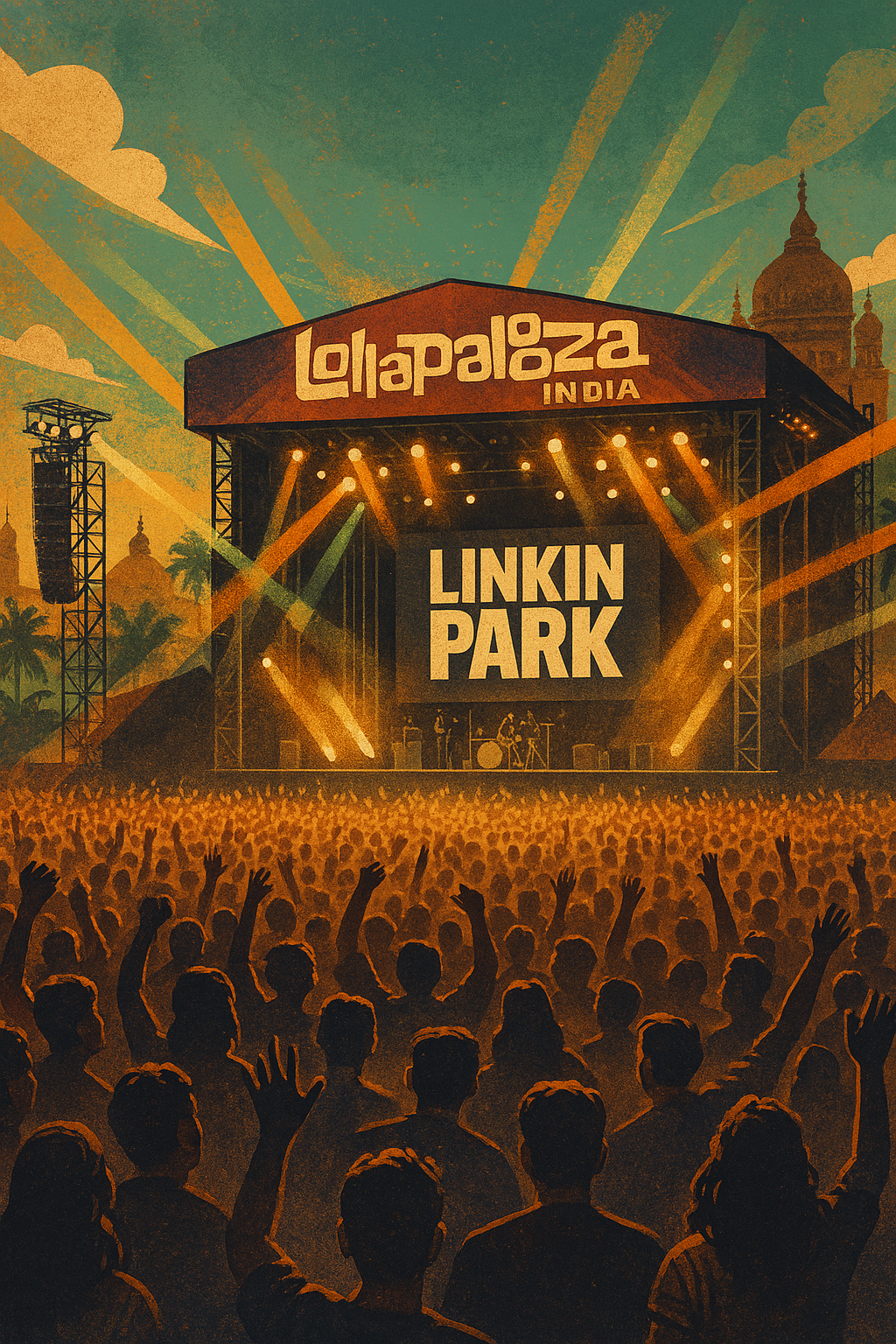
Lollapalooza India 2026 is set to make history as Linkin Park headlines their first-ever concert in the country. This blog dives into lineup details, event highlights, and what fans can expect from this mega music festival.
Table of Contents
Published: August 28, 2025 | Last Updated: August 28, 2025
Mumbai’s entertainment landscape is set to undergo a significant transformation in March 2026. The city will host Lollapalooza India 2026, marking a major development in the country’s live music industry. This comprehensive analysis examines the festival’s details, including lineup information, venue logistics, and its broader implications for India’s cultural sector.
The announcement of this event has generated considerable attention within the music industry. Official confirmations indicate that several internationally recognized artists will perform, alongside established Indian musicians. This article provides verified information about the festival, drawing from official announcements and industry data to offer a factual overview of what attendees can expect.
Official Announcement Details
The festival was officially announced on December 15, 2024, through coordinated press releases issued simultaneously in Mumbai, Chicago, and London. This multi-city announcement strategy highlighted the international scope of the event. Organizers confirmed that Mumbai’s Mahalaxmi Racecourse would serve as the venue, selected after evaluating multiple locations across India.
The announcement included specific details about the venue’s capacity and infrastructure capabilities. According to official statements, the Mahalaxmi Racecourse can accommodate over 100,000 attendees across multiple performance stages. The selection followed negotiations with Mumbai municipal authorities and comprehensive infrastructure assessments to ensure the venue meets international festival standards.
Following the initial announcement, additional information was released through a structured timeline. On December 18, 2024, one of the headline acts confirmed their participation through a video message. Early bird ticket sales commenced on January 8, 2025, with organizers reporting strong initial demand. A second phase of artist announcements occurred on January 15, 2025, featuring additional performers including several prominent Indian artists.
Headline Performance Confirmation
Linkin Park’s confirmed appearance represents a significant development for the festival. The American rock band, known for albums such as “Hybrid Theory” and “Meteora,” will make their debut performance in India at this event. This marks the first time the band will perform in the country, addressing a long-standing request from their Indian fanbase.
The confirmation came through an official video message from band members. In the message, they acknowledged their Indian audience’s support over the years and expressed interest in performing in the country. Industry observers note that this appearance aligns with the band’s recent return to active touring following their 2024 reunion.
According to data from streaming platforms, Linkin Park maintains a substantial listener base in India. Statistics from 2024 indicate millions of monthly listeners from the country, making India one of their significant markets in Asia. The band’s performance at Lollapalooza India 2026 is scheduled as a headline slot, though specific performance dates and times await final announcement.
Venue Analysis: Mahalaxmi Racecourse
The Mahalaxmi Racecourse, established in 1883, has historically served as a horse racing facility operated by the Royal Western India Turf Club. The venue spans approximately 225 acres in central Mumbai, making it one of the city’s largest open spaces. Its selection for Lollapalooza India 2026 follows its successful use for previous large-scale events.
Infrastructure assessments conducted during the planning phase examined the venue’s capacity for supporting multiple stages, sound systems, and crowd management requirements. The Racecourse’s layout allows for the configuration of six distinct performance stages, enabling simultaneous performances across different genres. This multi-stage setup is characteristic of the Lollapalooza festival format used in other international locations.
Transportation accessibility played a significant role in venue selection. The Mahalaxmi Racecourse is situated near major road networks and public transportation routes. The Mumbai Metro network provides connections to the area, with festival organizers planning special shuttle services during the event. Local authorities have indicated coordination for traffic management during the three-day festival period.
Festival Dates and Schedule Structure
Lollapalooza India 2026 is scheduled for March 21-23, 2026. This three-day format follows the extended festival model used in other international editions. The choice of March aligns with Mumbai’s climate patterns, occurring during the dry season when weather conditions typically remain stable and suitable for outdoor events.
Daily operations will follow a consistent schedule across all three days. Gates are scheduled to open at 2:00 PM each day, with performances continuing until 11:00 PM. This timing structure reflects compliance with local noise regulations while providing approximately nine hours of daily programming. The schedule accommodates both afternoon and evening performances across multiple stages.
The timing also considers the target demographic’s availability. March falls outside major examination periods for students while avoiding peak summer temperatures. Industry analysts note that this scheduling increases potential attendance from younger demographics, who comprise a significant portion of the target audience for alternative and rock music genres.
Ticket Categories and Pricing Structure
Festival organizers have established four distinct ticket categories, each offering different access levels and amenities. General Admission tickets are priced at ₹8,999 per day or ₹22,999 for a three-day pass. These tickets provide access to all performance areas and general festival facilities but do not include premium viewing areas or exclusive amenities.
VIP Experience tickets, priced at ₹18,999 per day or ₹49,999 for three days, offer enhanced access and facilities. VIP ticket holders receive access to designated viewing areas with improved sightlines, separate entry lanes to reduce wait times, and access to premium restroom facilities. These tickets also include dedicated food and beverage areas.
Platinum Package tickets represent the premium offering, priced at ₹35,999 per day or ₹89,999 for three days. These tickets include all VIP benefits plus access to artist meet-and-greet opportunities, subject to availability and artist participation. Platinum ticket holders also receive access to exclusive hospitality areas and complimentary premium food and beverage options.
Corporate Hospitality packages, the highest tier, are priced at ₹75,999 per day or ₹199,999 for three days. These packages target corporate groups and include private viewing areas, dedicated staff service, gourmet catering throughout the event, and premium parking arrangements. The packages accommodate group bookings with customizable options for corporate entertainment purposes.
Indian Artists in the Lineup
The festival lineup includes several established Indian artists across multiple genres, reflecting organizers’ stated commitment to showcasing domestic talent. Divine, a Mumbai-based rapper known for albums like “Kohinoor” and “Punya Paap,” is confirmed as one of the Indian headliners. His inclusion represents the growing recognition of Indian hip-hop within mainstream music festivals.
Nucleya, an electronic music producer with a significant following in India’s electronic dance music scene, is also confirmed. His performances typically blend bass music with traditional Indian sounds, creating a fusion style that has gained commercial success. Industry data indicates Nucleya has performed at major festivals across India and international venues.
Additional confirmed Indian artists include Ritviz, known for electronic music production, and Prateek Kuhad, recognized for indie folk music. When Chai Met Toast, a band combining multiple genres including reggae and folk, completes the announced Indian lineup. These selections span different musical styles, from electronic and hip-hop to indie and folk genres.
The inclusion of diverse Indian artists serves multiple purposes according to music industry analysts. It provides established Indian musicians with exposure to international audiences and industry professionals. The lineup structure also creates cross-cultural collaboration opportunities between Indian and international artists, potentially leading to future creative partnerships.
Historical Context: India’s Live Music Industry Growth
India’s live music sector has experienced substantial growth over the past decade. Industry reports indicate that the market value increased from approximately $150 million in 2015 to $578 million by 2024, representing a growth rate exceeding 280%. This expansion reflects increasing consumer spending on entertainment experiences and growing interest in live performance attendance.
International artist performances in India have increased significantly during this period. Data from 2015 shows that approximately 45 major international acts performed in India that year. By 2024, this number exceeded 180 performances, representing over 400% growth. This trend indicates both growing demand from Indian audiences and increased willingness from international artists to include India in tour schedules.
Several factors contributed to this market expansion. Rising disposable incomes among India’s middle class created a demographic segment willing to spend on premium entertainment. Improved infrastructure in major cities like Mumbai, Delhi, and Bangalore made it more feasible to host large-scale events meeting international technical standards. Additionally, increased corporate sponsorship provided financial backing for major events.
Previous festivals established groundwork for events like Lollapalooza India 2026. Sunburn Festival, focused on electronic dance music, has operated since 2007 and regularly attracts over 100,000 attendees. NH7 Weekender, which ran from 2010 to 2019, introduced India to the multi-city festival format. These events demonstrated that Indian audiences support well-organized, professionally managed music festivals.
Economic Impact Projections
Economic impact studies conducted during the planning phase project significant financial activity associated with the festival. Initial assessments estimate direct and indirect revenue generation of approximately ₹2,500 crores (approximately $300 million USD) for the Mumbai metropolitan region. This figure encompasses ticket sales, accommodation, food and beverage, transportation, and related consumer spending.
The hospitality sector anticipates substantial benefits during the festival period. Hotel booking data from major properties near the venue shows occupancy rates exceeding 85% for March 21-23, 2026, despite being six months in advance. Premium hotels report average room rate increases of 340% compared to standard rates, reflecting high demand during the festival weekend.
Tourism projections extend beyond immediate festival attendance. Tourism authorities estimate that approximately 35% of international attendees will extend their stays in India beyond the festival dates. These extended visits contribute to broader tourism sectors including heritage tourism, culinary experiences, and cultural site visits. Average extended stay duration is projected at 5-7 additional days.
Employment generation represents another economic consideration. Festival operations require temporary staffing across multiple categories including security, technical support, hospitality, and logistics. Estimates suggest the event will create approximately 5,000 temporary positions and 500 permanent positions in related industries. Long-term effects may include development of specialized event management expertise within India’s entertainment sector.
Comparison With International Lollapalooza Editions
Lollapalooza originated in Chicago in 1991 as a touring festival before establishing a permanent Chicago location in 2005. The Chicago edition, held annually at Grant Park, represents the flagship event. In 2024, Lollapalooza Chicago attracted approximately 400,000 attendees across four days, making it one of North America’s largest music festivals.
International expansion began with the Santiago, Chile edition in 2011. The festival has since expanded to multiple countries including Brazil, Argentina, Germany, and France. Lollapalooza Paris, launched in 2017, attracted approximately 120,000 attendees across two days in 2024. Each international edition adapts the core festival concept while incorporating local cultural elements and regional artists.
Lollapalooza India 2026’s projected attendance of 150,000 across three days positions it among the larger international editions. The attendance figure, if achieved, would exceed the Paris edition and approach the scale of established South American editions. This projection reflects India’s population density and the substantial potential audience for alternative and rock music within the country.
The stage configuration follows the Lollapalooza multi-stage model, with six stages planned for the Mumbai edition. This compares to eight stages in Chicago and four to six in most other international locations. The multi-stage format allows for diverse programming, enabling attendees to experience different genres and artists throughout each festival day.
Logistical Considerations for Attendees
Transportation planning represents a critical consideration for prospective attendees. The Mumbai Metro network provides connections to areas near Mahalaxmi Racecourse, though some walking or additional transportation will be required. Festival organizers have announced plans for dedicated shuttle services operating from major metro stations during festival hours.
Private transportation options include ride-sharing services, though surge pricing should be anticipated during peak arrival and departure times. Designated drop-off and pick-up zones will be established near the venue to manage traffic flow. Local authorities have indicated implementation of traffic management measures including potential temporary restrictions on surrounding roads during peak periods.
Accommodation availability varies significantly based on proximity to the venue and price range. Areas including Worli, Lower Parel, and Bandra offer relatively close proximity to Mahalaxmi Racecourse with varied accommodation options. Booking data indicates that properties within 5 kilometers of the venue are experiencing high reservation rates for the festival dates.
Weather considerations are important for preparation. March temperatures in Mumbai typically range from 24°C to 32°C (75°F to 90°F), with low precipitation probability. Attendees should prepare for warm daytime conditions and cooler evening temperatures. Sun protection, hydration supplies, and appropriate clothing are recommended based on these typical weather patterns.
Environmental and Sustainability Measures
Organizers have announced implementation of environmental sustainability measures, following practices established at other Lollapalooza locations. These include waste segregation systems throughout the venue, with designated bins for recyclable materials, organic waste, and general trash. Waste management partners have been contracted to process collected materials according to environmental standards.
Single-use plastic reduction represents another stated objective. Festival vendors will be required to use biodegradable or reusable food and beverage containers where feasible. Water refill stations will be distributed throughout the venue to reduce disposable bottle usage. Attendees are encouraged to bring reusable water bottles, subject to security screening procedures.
Energy management measures include use of LED lighting systems and optimized sound system configurations to reduce power consumption. Where feasible, renewable energy sources including solar power units will supplement traditional power supplies. Carbon offset programs may be implemented to address emissions associated with the event, though specific details await final announcement.
Transportation-related environmental impacts are being addressed through promotion of public transportation and shared mobility options. The shuttle service system aims to reduce individual vehicle usage by providing convenient mass transit from major transportation hubs. Incentive programs for public transportation usage may be implemented, though details remain under development.
Safety and Security Protocols
Security measures for the festival follow established protocols for large-scale events, coordinated with Mumbai Police and private security contractors. Entry procedures will include metal detector screening and bag checks for all attendees. Prohibited items lists have been published through official channels, including restrictions on weapons, illegal substances, professional recording equipment, and outside food and beverages.
Medical facilities will be distributed throughout the venue, staffed by qualified medical professionals. Emergency medical services will include on-site ambulances and coordination with nearby hospitals for serious medical situations. First aid stations will provide treatment for minor injuries and medical conditions, with clear signage indicating their locations.
Crowd management systems include capacity controls for individual stages and performance areas. Real-time monitoring of crowd density in different venue sections will enable staff to implement preventive measures if overcrowding occurs. Emergency evacuation procedures have been developed in coordination with local authorities, with multiple exit routes identified and clearly marked.
Communication systems for security personnel include radio networks and mobile applications enabling rapid response coordination. Attendees are encouraged to download the official festival application, which includes emergency contact information and safety resources. Security staff presence will be visible throughout the venue, with specialized teams addressing specific security concerns.
Cultural Significance and Industry Impact
The festival’s cultural significance extends beyond the immediate event, representing developments in India’s position within the global entertainment industry. Music industry analysts view this event as validation of India’s emergence as a viable market for major international touring acts. Successful execution could encourage other major festivals and artists to include India in future planning.
For Indian artists included in the lineup, the festival provides exposure to international audiences and industry professionals. This exposure can facilitate international booking opportunities and potential collaborations with international artists. Historical precedent from other international Lollapalooza editions shows that local artists often experience increased streaming numbers and social media following after festival appearances.
The festival may influence future developments in India’s festival industry. Successful implementation of international festival standards could raise expectations for event quality and production values at future festivals. This may drive investment in festival infrastructure, technical expertise, and professional event management capabilities within India’s entertainment sector.
Media coverage of the event extends beyond music industry publications to mainstream media outlets. International media attention focuses on India’s growing cultural influence and economic development. This coverage contributes to India’s soft power, enhancing perceptions of the country as a modern, culturally vibrant destination for international engagement.
Pre-Sale and Ticket Purchase Information
Ticket sales commenced with an early bird phase on January 8, 2025, offering limited quantities at reduced prices. These initial sales reported high demand, with general admission early bird tickets selling out within hours of release. This pattern is consistent with major music festival ticket sales in other markets.
Official ticketing is managed through authorized platforms to prevent fraud and scalping. Organizers have published lists of authorized sellers and warned against purchasing from unofficial sources. Verification systems including unique ticket codes and identification requirements at entry aim to prevent fraudulent ticket usage.
Registration for pre-sale notifications is available through the festival’s official website. This registration provides early access to ticket purchasing opportunities before general public sales. Multiple payment methods are accepted including credit cards, debit cards, and digital payment platforms commonly used in India.
Refund and exchange policies have been established, though details vary by ticket category. Generally, tickets are non-refundable except in cases of event cancellation. Some ticket categories may offer exchange options subject to availability and administrative fees. Terms and conditions should be reviewed carefully before purchase.
Mobile Application and Technology Integration
An official festival mobile application is under development, scheduled for release approximately two months before the event. The application will provide essential festival information including detailed venue maps, performance schedules, and real-time updates. Push notification capabilities will enable organizers to communicate important information directly to attendees.
The application will include interactive features allowing attendees to create personalized schedules based on their preferred artists. Conflict alerts will notify users when their selected performances overlap, enabling informed decisions about schedule priorities. Stage locations and walking time estimates between stages will be included to assist with navigation.
Technical features address practical attendee needs including mobile ticket access, reducing the need for physical tickets. Food and beverage vendor locations will be mapped with information about available options and estimated wait times at different locations. Emergency contact information and safety resources will be readily accessible through dedicated sections.
Social media integration enables attendees to share experiences and connect with other festival-goers. The application may include features for meeting coordination and group management for attendees attending with friends. Post-event features could include photo galleries and access to performance recordings, though specific availability depends on artist permissions.
Food and Beverage Options
Food and beverage options at the festival will include multiple vendor areas distributed throughout the venue. Vendor selection processes consider both established food service providers and smaller local businesses. Menu diversity will span multiple cuisines including Indian regional specialties, international options, and vegetarian and vegan alternatives.
Pricing structures for food and beverage have not been officially announced, though festival food pricing typically exceeds standard restaurant prices due to operational costs and exclusive vending rights. Cashless payment systems may be implemented to reduce transaction times and improve operational efficiency. These systems typically operate through RFID wristbands or mobile payment applications.
Dietary restriction accommodations include vegetarian, vegan, and allergen-free options. Vendors will be required to provide clear ingredient information and allergen warnings. Attendees with specific dietary needs are advised to review available options through the festival application before the event.
Alcohol service will be available in designated areas, subject to legal age restrictions and responsible service practices. Valid identification will be required for alcohol purchases, with staff trained in age verification and service refusal for intoxicated individuals. Designated areas for alcohol consumption will be clearly marked and separated from general festival areas.
Community Engagement Initiatives
Festival organizers have announced community engagement programs aimed at providing benefits beyond the immediate event. Music education initiatives targeting underprivileged youth will provide access to music instruction and instruments. These programs partner with local non-profit organizations working in music education within Mumbai’s underserved communities.
Employment programs prioritize hiring local residents for temporary festival positions where qualifications allow. Training programs provide skills development in areas including hospitality, event management, and technical production. These initiatives aim to create lasting employment benefits extending beyond the three-day event.
Local business engagement includes prioritization of Mumbai-based vendors and suppliers where feasible. This approach aims to maximize economic benefits for the local community while supporting small and medium enterprises. Vendor application processes have been announced through official channels for qualified businesses.
Post-event legacy initiatives under consideration include permanent installation of certain infrastructure improvements made for the festival. Community spaces created for the event may be adapted for ongoing public use. Final decisions on legacy initiatives will depend on coordination with municipal authorities and availability of ongoing funding.
Expert Commentary on Market Development
Music industry analysts have provided commentary on the significance of Lollapalooza India 2026 for the broader market. Experts note that major international festival brands entering India validates the market’s maturity and potential for growth. This validation may accelerate investment in event infrastructure and encourage additional international entertainment companies to pursue Indian operations.
The timing coincides with broader demographic trends in India including urbanization and rising disposable incomes among younger populations. Market research indicates that the 18-35 age demographic, which comprises the core festival audience, is growing in both absolute numbers and purchasing power. This demographic shift creates favorable conditions for premium entertainment offerings.
Challenges noted by industry experts include infrastructure limitations in some potential host cities and the need for specialized event management expertise. Regulatory complexity and coordination with multiple government agencies can present obstacles to large-scale event planning. However, successful execution of Lollapalooza India 2026 could establish best practices and regulatory frameworks facilitating future events.
Long-term market projections suggest potential for India to develop a calendar of major music festivals comparable to established markets like the United States or United Kingdom. Sustained market growth requires continued investment in infrastructure, development of local talent, and maintenance of quality standards meeting international expectations. Industry observers will closely monitor Lollapalooza India 2026’s execution as an indicator of these factors.
Media Coverage and Public Response
Media coverage of the festival announcement has been substantial, spanning music industry publications, mainstream media outlets, and international press. Coverage has emphasized both the scale of the event and its significance for India’s entertainment industry. International media outlets have framed the announcement within broader narratives about India’s economic growth and cultural development.
Social media response has been significant, with millions of mentions across platforms within days of the announcement. Sentiment analysis indicates predominantly positive responses, particularly from younger demographics and music enthusiasts. Linkin Park’s confirmation generated particularly high engagement, reflecting the band’s substantial fanbase in India.
Discussion topics in public forums include speculation about additional lineup announcements, questions about logistics and attendance planning, and debates about ticket pricing. Festival organizers have maintained active social media presence responding to common questions and providing updates as information becomes available.
Critical commentary has focused on ticket pricing accessibility and questions about whether the festival will be affordable for average music fans. Discussions about crowd management and infrastructure capabilities reflect concerns based on experiences at previous large-scale events in India. Organizers have addressed these concerns by emphasizing infrastructure assessments and coordination with local authorities.
Looking Forward: Future Implications
The success or failure of Lollapalooza India 2026 will likely influence future developments in India’s live music industry. Strong attendance and positive reviews could encourage annual editions, following the model established in other international locations. Repeated successful editions would contribute to Mumbai’s positioning as a festival destination city.
International touring routes may adjust to regularly include India if the festival demonstrates strong market demand. This could lead to increased frequency of international artist performances beyond festival contexts, including standalone concerts and smaller venue performances. Such developments would benefit India’s concert promotion industry and venues across multiple cities.
Infrastructure investments made for the festival may have lasting impacts on Mumbai’s event hosting capabilities. Technical expertise developed through festival execution could contribute to India’s broader entertainment production sector. Specialized companies focused on large-scale event production may emerge or expand in response to demonstrated market opportunities.
The festival’s approach to blending international and Indian artists may influence programming decisions at other events. Successful cross-cultural collaborations could inspire new musical projects and genre innovations. Long-term cultural impacts may include increased international recognition for Indian artists and genres.
Conclusion
Lollapalooza India 2026 represents a significant development in India’s live music industry, bringing an established international festival brand to Mumbai for a three-day event in March 2026. The confirmed participation of major international acts alongside prominent Indian artists creates a lineup designed to appeal to diverse musical preferences.
Practical information about tickets, venue logistics, and attendance planning enables interested individuals to make informed decisions about participation. Economic impact projections and cultural significance analysis provide context for understanding the event’s broader implications beyond immediate entertainment value.
Successful execution will require coordination across multiple sectors including event management, public safety, transportation, and hospitality services. The festival’s outcomes will be closely monitored by industry stakeholders as indicators of India’s capacity for hosting major international entertainment events and potential for future developments in the live music sector.
About the Author
Nueplanet is a professional content writer specializing in entertainment industry analysis and event coverage. With extensive experience researching and reporting on music festivals and live events, Nueplanet focuses on providing factual, well-researched content based on official sources and verified data.
This publication is committed to accuracy and transparency, utilizing official announcements, industry reports, and authoritative sources for all information presented. Content is regularly updated to reflect new developments and maintain relevance for readers seeking reliable information about major entertainment events.
For questions about this article or to report inaccuracies, readers can contact through official channels. All content undergoes fact-checking processes and is updated as new official information becomes available.
Frequently Asked Questions
What are the confirmed dates for Lollapalooza India 2026?
Lollapalooza India 2026 is scheduled to take place from March 21-23, 2026. The festival will run for three consecutive days at the Mahalaxmi Racecourse in Mumbai. Daily operations will begin at 2:00 PM with performances continuing until 11:00 PM each day. This schedule complies with local noise regulations while providing extended programming hours. The March timing coincides with favorable weather conditions in Mumbai during the dry season.
Which international and Indian artists are confirmed to perform?
Linkin Park is confirmed as a headline performer, marking the American rock band’s first concert in India. The announcement came through an official video message from band members in December 2024. Indian artists confirmed for the lineup include Divine (hip-hop), Nucleya (electronic music), Ritviz (electronic music), Prateek Kuhad (indie folk), and When Chai Met Toast (multi-genre band). Additional artist announcements are expected through February 2025, with organizers indicating a complete lineup reveal featuring over 60 artists across six stages.
How much do tickets cost and what categories are available?
Four ticket categories are available with varying price points and access levels. General Admission tickets cost ₹8,999 per day or ₹22,999 for a three-day pass, providing basic festival access. VIP Experience tickets are priced at ₹18,999 daily or ₹49,999 for three days, offering enhanced viewing areas and premium amenities. Platinum Packages cost ₹35,999 per day or ₹89,999 for three days, including artist meet-and-greet opportunities and exclusive hospitality. Corporate Hospitality, the highest tier, is priced at ₹75,999 daily or ₹199,999 for three days with private areas and premium services.
What is the venue capacity and how do I get there?
The Mahalaxmi Racecourse can accommodate over 100,000 attendees across six performance stages. The venue is accessible through multiple transportation options including the Mumbai Metro network with special festival shuttle services planned from major stations. Ride-sharing services will operate with designated pick-up and drop-off zones. Festival organizers have coordinated with Mumbai authorities for traffic management during the event. The venue is located in central Mumbai with reasonable access from various parts of the city, though significant crowds should be anticipated.
How does this festival compare to other Lollapalooza events globally?
Lollapalooza India 2026’s projected 150,000 attendees across three days positions it among the larger international editions. The flagship Chicago edition attracts approximately 400,000 attendees across four days, while Lollapalooza Paris draws about 120,000 attendees over two days. The Mumbai edition will feature six stages, compared to eight in Chicago and four to six in other locations. This represents the festival’s first major implementation in India at this scale, following the brand’s expansion to various international markets since 2011.
What safety and security measures will be implemented?
Comprehensive security protocols include metal detector screening and bag checks for all attendees at entry points. Medical facilities staffed by qualified professionals will be distributed throughout the venue, with emergency medical services coordinated with nearby hospitals. Security personnel will be present across the venue with real-time crowd monitoring systems to manage crowd density. Emergency evacuation procedures have been developed in coordination with Mumbai Police and local authorities. The official festival application will include emergency contact information and safety resources for attendees.
Are there accommodations and facilities for international visitors?
International visitors are projected to comprise a significant portion of attendees, with tourism authorities estimating many will extend stays beyond festival dates. Hotel options range from luxury properties to budget accommodations, though booking early is recommended as occupancy rates for March 21-23, 2026, are already high. The festival is accessible via Mumbai’s international airport with various transportation options to the city and venue. Food and beverage options at the festival will include diverse cuisines accommodating various dietary preferences including vegetarian and vegan options.
What is the expected economic impact on Mumbai?
Economic impact studies project approximately ₹2,500 crores in direct and indirect revenue generation for the Mumbai metropolitan region. This includes ticket sales, accommodation, food and beverage spending, and related consumer expenditures. Hotel occupancy rates for the festival weekend already exceed 85% with significant rate increases reported. The event is expected to create approximately 5,000 temporary positions and 500 permanent positions in related industries. Long-term effects may include development of specialized event management expertise and enhanced positioning of Mumbai as a destination for major international events.
Helpful Resources
Latest Posts
Related Posts





Post Comment