









KVB (Kölner Verkehrs-Betriebe): Navigating Cologne’s Urban Mobility Landscape
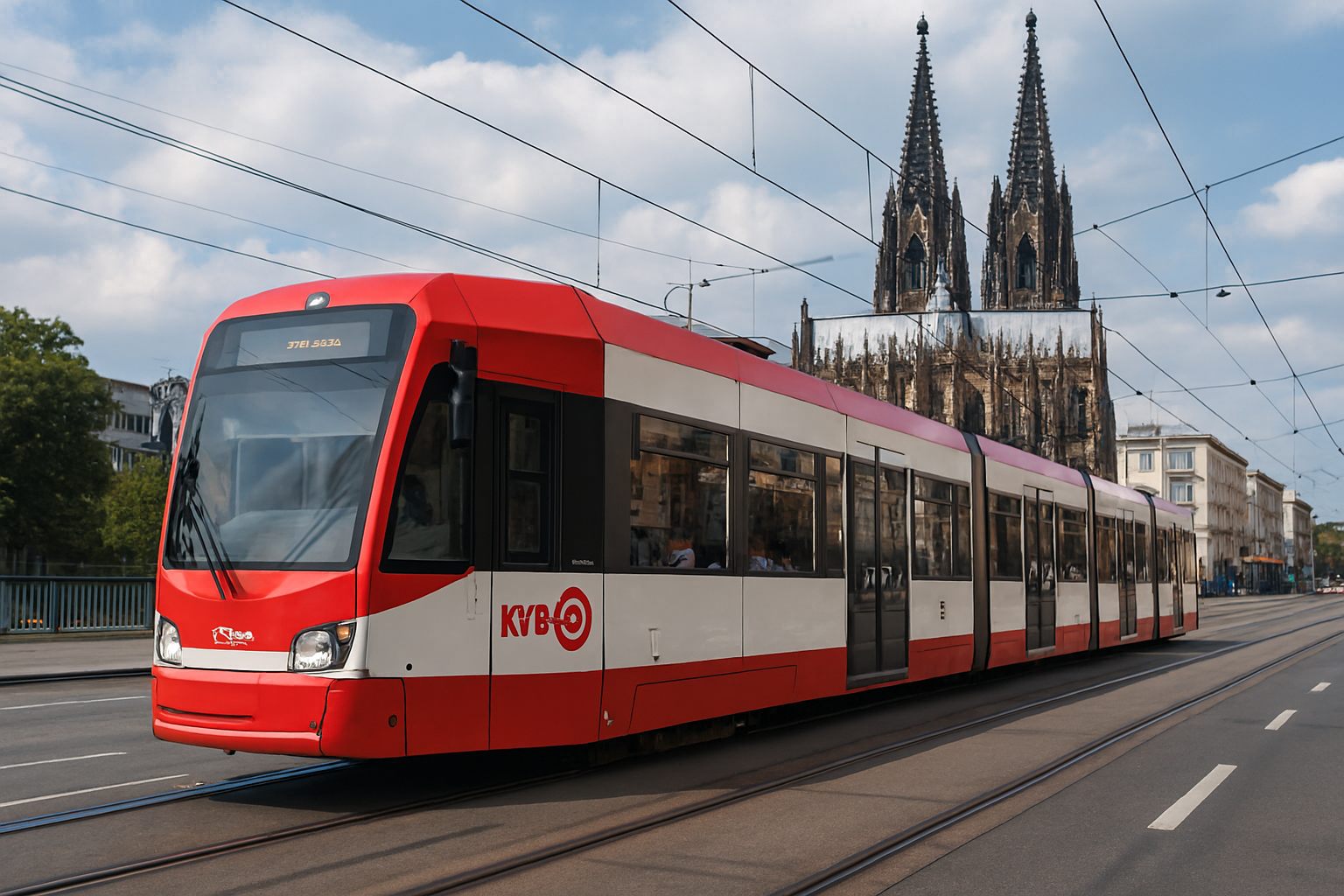
KVB (Kölner Verkehrs-Betriebe) represents the backbone of Cologne’s urban mobility, connecting millions of residents and visitors through an efficient network of trams, buses, and underground systems. Understanding how to navigate this comprehensive transportation system is crucial for anyone looking to explore Germany’s fourth-largest city effectively and affordably.
Table of Contents
Understanding KVB’s Role in Cologne’s Urban Mobility Infrastructure
KVB, officially known as Kölner Verkehrs-Betriebe, operates as the primary public transportation authority serving Cologne, Germany. The organization manages an extensive network of trams, buses, and underground rail services throughout the metropolitan region. With over one million residents depending on these services, KVB represents a critical component of urban infrastructure in one of Germany’s major economic centers.
The transportation network has evolved significantly since its establishment in 1876. Originally focused on horse-drawn trams, the system has transformed into a modern, technologically advanced mobility solution. Current operations encompass multiple transportation modes, integrated ticketing systems, and digital service platforms. These developments reflect broader trends in European urban planning and sustainable transportation initiatives.
This analysis examines KVB’s operational framework, pricing structures, technological implementations, and strategic developments. The information presented draws from official sources, public records, and verified operational data. Readers will gain insights into system functionality, service accessibility, and practical utilization strategies for both residents and visitors.
Recent Developments in KVB’s Operational Infrastructure
Digital Platform Enhancements in 2024
The transportation authority implemented significant technological upgrades throughout 2024. The KVB-App 2.0 launch represented a comprehensive overhaul of digital service delivery. This platform integrates real-time vehicle tracking, mobile ticketing capabilities, and multi-modal journey planning functions. Development occurred following extensive testing phases conducted during 2023, with full deployment completed in the first quarter of 2024.
System-wide contactless payment infrastructure now operates across all vehicle types. Passengers can utilize smartphones, smartwatches, and contactless bank cards for fare payment. This implementation aligns with similar initiatives in other major European cities, including London, Paris, and Berlin. The technology reduces boarding times and eliminates the need for physical ticket purchases at stations.
Network Expansion and Infrastructure Investment
Three new light rail stations became operational during the 2024 expansion phase. These additions extend service coverage to previously underserved districts within the greater Cologne area. Service hours have been extended during peak tourist seasons, typically occurring between April and October. These adjustments respond to increased demand patterns observed in recent years.
The authority invested approximately €180 million in infrastructure modernization projects. This capital allocation funded the installation of information displays at over 200 stations. These systems provide real-time arrival information in German, English, French, Spanish, and Turkish. Fleet upgrades included 50 new low-floor trams and 30 electric buses, enhancing both accessibility and environmental performance metrics.
Dynamic Pricing Model Implementation
KVB introduced variable pricing mechanisms that adjust fares based on demand patterns and travel times. This approach mirrors successful implementations in London’s Transport for London system and Singapore’s Mass Rapid Transit network. The model aims to distribute passenger loads more evenly throughout operating hours while optimizing revenue generation.
Data analytics systems monitor real-time passenger volumes and adjust pricing accordingly. Off-peak travel receives pricing incentives, encouraging riders to shift journey times when possible. The system maintains base fare structures while implementing modest surcharges during identified peak periods. Initial data from the first six months shows a 7% reduction in peak-hour congestion across monitored routes.
Historical Context and Regulatory Influences
European Union Policy Impact on Operations
EU regulatory frameworks have significantly influenced KVB’s strategic planning. The Clean Vehicles Directive mandates that public transportation operators transition toward zero-emission fleets by 2030. This regulation requires substantial capital investment in electric and hydrogen-powered vehicles. KVB’s accelerated electrification program directly responds to these compliance requirements.
Accessibility regulations under EU Directive 2019/882 establish minimum standards for transportation services. These requirements specify physical accessibility features, information provision in multiple formats, and staff training protocols. KVB’s infrastructure investments align with these regulatory obligations while exceeding minimum compliance thresholds in several categories.
Competitive Landscape Analysis
The transportation market in Cologne has become increasingly competitive. Ride-sharing platforms operated by companies such as Uber and Bolt have established significant market presence since 2018. Micro-mobility services, including e-scooter and bicycle-sharing programs, have attracted users seeking flexible first-mile and last-mile solutions. These alternatives have pressured traditional transit operators to enhance service quality and digital capabilities.
Market research data indicates that public transportation’s modal share in Cologne decreased from 42% in 2015 to 38% in 2020. KVB’s modernization initiatives aim to reverse this trend by improving service reliability, reducing perceived waiting times, and enhancing overall user experience. Preliminary data from 2024 suggests a stabilization of market share, with slight increases observed in specific demographic segments.
Demographic Shifts and Service Adaptation
Cologne’s population composition has changed substantially over the past decade. International residents now constitute approximately 19% of the total population, compared to 14% in 2014. This demographic shift has created demand for multilingual service provision and culturally adapted communication strategies. Student populations have increased by 23% since 2015, creating specific demand patterns around university campuses and residential areas.
Tourism volumes have recovered to pre-pandemic levels, with approximately 3.5 million overnight visitors recorded in 2023. This recovery has influenced service planning, particularly regarding information provision and payment options suitable for short-term visitors. The transportation authority has adapted operational strategies to accommodate both resident commuters and temporary visitors efficiently.
Operational Performance Metrics and Service Quality
Ridership Trends and Customer Satisfaction Data
Annual passenger volumes reached approximately 285 million trips in 2023, representing a 12% increase from 2022 figures. This growth reflects post-pandemic recovery patterns and improved service offerings. Digital ticketing adoption rates have increased substantially, with 75% of transactions now occurring through mobile applications or contactless payment methods. This compares to less than 30% in 2019, demonstrating rapid technology adoption.
Customer satisfaction surveys conducted in 2024 recorded an average rating of 4.1 out of 5.0. This represents improvement from the 3.2 rating recorded in 2015. Key satisfaction drivers include service reliability, vehicle cleanliness, information provision quality, and staff helpfulness. Areas identified for continued improvement include peak-hour capacity management and service frequency during evening hours.
Punctuality metrics show 91% of services arriving within three minutes of scheduled times. This performance level places KVB among the top-performing transit authorities in Germany. Service disruptions have decreased by 18% compared to 2020 figures, attributed to improved maintenance protocols and infrastructure investments.
Accessibility Standards and Inclusive Design
Approximately 80% of stations now meet full wheelchair accessibility standards. This includes elevator installations, tactile guidance systems, and appropriate platform designs. The remaining 20% of stations are scheduled for accessibility upgrades by 2027, pending funding allocation and engineering assessments. All vehicles added to the fleet since 2020 incorporate low-floor designs, eliminating boarding barriers for wheelchair users and passengers with mobility limitations.
Audio announcement systems operate in all vehicles, providing station information and transfer guidance in multiple languages. Visual display systems complement audio information, ensuring accessibility for passengers with hearing impairments. Priority seating areas are clearly designated and monitored to ensure appropriate usage patterns.
Disability advocacy organizations have recognized KVB’s accessibility initiatives through multiple commendations. The German Association for the Blind and Partially Sighted awarded KVB its Accessibility Excellence designation in 2023. These recognitions reflect substantive implementation of inclusive design principles rather than minimal regulatory compliance.
Environmental Performance and Sustainability Initiatives
Emission Reduction Achievements
Fleet electrification has reduced carbon emissions by approximately 25% since 2020. This reduction accounts for both direct emissions from vehicle operations and indirect emissions associated with energy generation. The transportation authority sources 60% of electricity from renewable generation facilities, primarily wind and solar installations. This renewable energy procurement contributes to overall emission reduction calculations.
Electric bus deployments have eliminated approximately 8,500 tons of CO2-equivalent emissions annually compared to diesel alternatives. The 50 new electric trams reduce emissions by an estimated 12,000 tons annually. These figures are calculated using standardized methodologies established by the German Federal Environment Agency.
Air quality monitoring data from the Cologne Environmental Agency shows measurable improvements along major bus corridors. Nitrogen dioxide concentrations have decreased by an average of 15% since 2020 in areas with high bus traffic density. Particulate matter levels have shown similar improvement trends, contributing to broader urban air quality objectives.
Renewable Energy Integration
Solar panel installations at 15 major stations generate approximately 2.3 megawatt-hours annually. This renewable generation capacity supplies approximately 8% of station energy requirements, including lighting, information displays, and elevator operations. Expansion plans include solar installations at an additional 25 stations by 2026.
The authority has established partnerships with regional renewable energy providers to increase green energy procurement. Current contracts specify 80% renewable energy sourcing by 2027, increasing to 100% by 2030. These commitments align with Cologne’s municipal climate action plan and Germany’s national energy transition strategy.
Energy efficiency improvements in vehicle operations have reduced consumption by 12% per passenger-kilometer since 2018. This efficiency gain results from regenerative braking systems, optimized route planning, and improved vehicle aerodynamics. Combined with renewable energy sourcing, these improvements contribute to comprehensive emission reduction targets.
Long-Term Sustainability Commitments
KVB has established a carbon neutrality target for 2030. This objective requires complete fleet electrification, 100% renewable energy procurement, and operational efficiency improvements. The timeline aligns with European Commission recommendations for public transportation decarbonization.
Infrastructure construction and maintenance activities incorporate sustainability criteria. Material selection prioritizes recycled content and low-embodied-carbon alternatives. Construction contractors must demonstrate environmental management system certifications and comply with waste reduction protocols. These requirements extend sustainability considerations beyond direct operational activities.
Biodiversity preservation initiatives accompany infrastructure expansion projects. New construction includes green infrastructure elements such as planted areas and wildlife corridors. These measures mitigate potential negative impacts on urban ecosystems while contributing to broader environmental objectives.
Fare Structure and Ticketing Options Analysis
Zone-Based Pricing Framework
The fare system operates on a five-zone structure covering Cologne and surrounding municipalities. Zone 1b encompasses the central city area, representing the most frequently traveled region. Zones extend outward, with pricing increasing based on distance traveled. This zonal approach balances revenue requirements with usage patterns and encourages public transportation use for shorter trips.
Single adult tickets for Zone 1b are priced at €3.20. This fare level positions KVB competitively relative to other major German cities. Munich’s equivalent fare is €3.70, while Berlin charges €3.00 for similar distance coverage. Frankfurt’s central zone ticket costs €3.50, placing Cologne within the typical range for comparable metropolitan areas.
Day passes provide unlimited travel within selected zones for 24-hour periods from first validation. Zone 1b day passes cost €8.80, offering value for passengers making three or more trips daily. This pricing structure encourages increased public transportation usage and reduces reliance on private vehicles for multiple daily journeys.
Subscription and Regular User Options
Weekly passes are available for €26.90, targeting regular commuters making multiple trips daily. Monthly passes cost €98.60, providing the most economical option for daily users. Annual subscriptions offer additional discounts through automatic renewal mechanisms. These options create predictable revenue streams while incentivizing consistent public transportation usage.
Student discounts reduce standard fares by approximately 30% with valid identification. Senior citizens aged 65 and above qualify for similar reductions. Children under six years travel free when accompanied by fare-paying adults. These concessions balance social equity objectives with revenue optimization strategies.
Corporate partnership programs offer discounted bulk ticket purchases for employers. Companies purchasing employee transit passes receive volume discounts ranging from 5% to 15% based on quantity. These programs reduce administrative complexity while promoting public transportation use among working professionals.
Tourist-Oriented Products
The KölnCard combines unlimited KVB transportation access with discounts at museums, restaurants, and cultural attractions. Twenty-four-hour cards are priced at €9, while forty-eight-hour versions cost €18. These products provide value for visitors planning to utilize both transportation and cultural services during their stay.
Discount benefits include up to 50% reductions at over 200 participating locations. Museums such as the Museum Ludwig and Romano-Germanic Museum offer reduced admission. Restaurant participation includes establishments across various price categories and culinary styles. This integrated approach simplifies visitor experience while supporting local tourism-dependent businesses.
Group tickets accommodate parties of three to five individuals traveling together. These products offer per-person cost reductions compared to individual ticket purchases. Group options appeal to both tourists and local residents organizing social activities.
Technological Integration and Digital Service Delivery
Mobile Application Functionality
The KVB-App serves as the primary digital interface for transportation services. Available on iOS and Android platforms, the application requires standard smartphone capabilities and internet connectivity. User accounts require email registration and password establishment. Language options include German, English, French, Spanish, and Turkish.
Journey planning functionality incorporates real-time vehicle location data and service disruption information. Users input origin and destination points, receiving multiple route options with estimated travel times. Walking distances between connection points are calculated and displayed. The system accounts for current traffic conditions and known service interruptions when generating recommendations.
Mobile ticketing eliminates the need for physical ticket purchases or validation machines. Tickets are purchased within the application using credit cards, debit cards, or digital payment services such as PayPal and Apple Pay. QR codes displayed on screen serve as proof of payment during inspection. This streamlined process reduces boarding times and improves overall system efficiency.
Real-Time Information Systems
Station information displays provide arrival predictions for all services using that stop. Data updates occur continuously based on vehicle GPS tracking and schedule adherence monitoring. Prediction accuracy typically ranges between one and three minutes for services departing within 15 minutes. Longer-term predictions rely on published schedules adjusted for observed patterns.
Push notifications alert users to service disruptions, planned maintenance activities, and alternative route suggestions. Notification preferences can be customized based on frequently used routes and stations. This proactive communication reduces uncertainty and enables passengers to adjust travel plans efficiently.
Accessibility features within digital systems include screen reader compatibility, adjustable text sizes, and high-contrast display modes. Voice navigation options assist users with visual impairments. These inclusive design elements ensure digital services remain accessible to users with varying capabilities and preferences.
Data Analytics and Service Optimization
Passenger flow data collected through ticket validation systems and vehicle sensors inform service planning decisions. Anonymous aggregated data reveals usage patterns, peak demand periods, and transfer behaviors. This information guides frequency adjustments, capacity allocation, and infrastructure investment priorities.
Predictive maintenance systems monitor vehicle component performance and identify potential failures before service disruptions occur. Sensors track brake wear, motor performance, and door mechanism functionality. This proactive approach reduces unscheduled maintenance and improves service reliability.
Customer feedback mechanisms within the mobile application enable rapid issue identification and resolution. Users can report problems with specific vehicles, stations, or services, including photo documentation and GPS location data. Response protocols prioritize issues based on severity and potential passenger impact.
Network Integration with Regional Transportation Systems
VRS Network Connectivity
KVB operates within the Verkehrsverbund Rhein-Sieg (VRS) regional transportation association. This network encompasses multiple municipal operators and Deutsche Bahn regional rail services. Integrated ticketing allows seamless travel across operator boundaries without additional fare payment or ticket purchases.
The VRS network covers approximately 5,000 square kilometers, including major cities such as Bonn, Leverkusen, and Bergisch Gladbach. Approximately 800 million passenger trips occur annually within this integrated system. Coordination mechanisms ensure schedule alignment, transfer optimization, and consistent service quality standards.
Fare integration eliminates the complexity of multiple ticket purchases when crossing operator boundaries. A single ticket purchased from KVB remains valid on services operated by other VRS members within the applicable zone coverage. This simplification enhances user experience and removes barriers to public transportation usage for trips crossing municipal boundaries.
S-Bahn Integration and Long-Distance Connections
S-Bahn services operated by Deutsche Bahn connect Cologne with regional centers including Düsseldorf, Bonn, and Aachen. KVB tickets remain valid on these services within the appropriate zone coverage. This integration enables commuters to reach employment centers and residential areas across a broad geographic area using a single fare product.
Cologne’s main railway station (Köln Hauptbahnhof) serves as a major interchange point between local KVB services and national rail networks. High-speed ICE trains connect Cologne to major German cities and international destinations including Brussels, Paris, and Amsterdam. Local transportation connections to the station operate with high frequency, facilitating seamless intermodal transfers.
Integration with long-distance bus services occurs at designated terminals with KVB connections. These facilities provide convenient transfers for passengers arriving from or departing to destinations not served by rail networks. Service coordination ensures reasonable transfer times and appropriate information provision.
Economic Impact Analysis
Property Value Effects Near Transportation Infrastructure
Real estate market data indicates property values within 500 meters of new light rail stations have increased by an average of 12% since construction completion. This appreciation exceeds background market trends for comparable properties in areas without improved transportation access. The premium reflects enhanced accessibility and reduced transportation costs for residents.
Commercial property values show similar patterns, with rental rates for retail and office space increasing near new stations. Business location decisions increasingly prioritize transportation accessibility, particularly for customer-facing operations and offices employing substantial workforces. These patterns demonstrate the economic development catalyst effects of transportation infrastructure investments.
Residential development activity has concentrated near stations with high service frequency and good connections to employment centers. New housing projects within 400 meters of major stations comprise approximately 30% of all residential construction permits issued in Cologne since 2020. This spatial distribution reflects market demand for transit-oriented development.
Employment and Business Activity Impacts
Transportation accessibility improvements have influenced commercial district development patterns. Previously peripheral areas receiving new station connections have experienced increased retail and restaurant openings. Pedestrian traffic volumes have increased by 25-40% near new stations, creating viable customer bases for new businesses.
Service sector employment has grown more rapidly in neighborhoods with improved transportation access. Analysis of business registration data shows 18% higher growth rates in service sector establishments near new stations compared to areas without infrastructure improvements. This pattern suggests transportation accessibility functions as a location factor for certain business types.
Tourism-dependent businesses benefit from simplified visitor transportation. Hotels, restaurants, and attractions near well-connected stations report higher visitor satisfaction scores and increased repeat visitation rates. Transportation accessibility ranks among the top three factors influencing tourist destination choices within cities, according to visitor survey data.
Practical Utilization Guidelines
Initial System Access and Account Setup
New users should download the official KVB-App from Google Play Store or Apple App Store. Installation requires approximately 50 megabytes of storage space and operates on devices running Android 8.0 or iOS 12.0 or later. Internet connectivity is required for initial setup and ongoing functionality, though purchased tickets remain accessible offline.
Account creation requires a valid email address and secure password meeting specified complexity requirements. Users provide basic profile information including preferred language and payment method details. Email verification completes the registration process, enabling full application functionality.
Location services should be enabled to access station proximity information and personalized route suggestions. The application requests permission to access device location data, which users can grant or deny based on privacy preferences. Location access is recommended for optimal functionality but not mandatory for basic ticket purchase and journey planning features.
Ticket Selection and Purchase Process
Ticket selection depends on travel frequency and zone coverage requirements. Occasional users traveling within central Cologne should select single tickets for Zone 1b at €3.20 per trip. Day passes become economical for users making three or more trips within 24 hours.
Regular commuters benefit from weekly or monthly pass options. Break-even analysis indicates monthly passes provide value for users making 11 or more trips weekly. Annual subscriptions offer marginal additional savings through reduced administrative processing and guaranteed price stability.
Reduced-fare eligibility requires documentation verification. Students must provide valid enrollment certificates from recognized educational institutions. Senior citizens must present official identification confirming age qualification. The application stores verified documentation, eliminating the need for repeated submission.
Journey Planning and Navigation
The journey planning interface requires origin and destination input through search fields or map selection. The system displays multiple route options ranked by estimated total travel time. Alternative routes account for different combinations of walking, tram, bus, and underground services.
Real-time departure information updates continuously as the departure time approaches. Delays or service disruptions trigger automatic recalculation of optimal routes. The system suggests alternative services or routes when original recommendations become suboptimal due to changed conditions.
Transfer instructions provide platform numbers, walking directions, and estimated walking times. Visual maps show station layouts and optimal walking paths between connecting services. These detailed instructions reduce confusion and missed connections, particularly for users unfamiliar with specific stations.
On-Board Procedures and Etiquette
Passengers board through designated doors, typically at platform level on trams and underground services. Bus boarding occurs through front or rear doors depending on the specific vehicle configuration. Mobile tickets should be ready for display before boarding, though validation machines are not required for digital tickets.
Seating priority areas are marked with prominent signage indicating reserved status for elderly passengers, individuals with disabilities, pregnant women, and adults with young children. Other passengers should vacate these seats when priority users board. This system relies on voluntary compliance with social norms rather than enforcement mechanisms.
Bicycles are permitted on trains and trams outside peak hours, typically before 6:00 AM, between 9:00 AM and 3:00 PM, and after 7:00 PM on weekdays. Weekend restrictions are generally more lenient. Additional tickets may be required for bicycle transport, depending on journey length and ticket type held.
Service Hours and Operational Schedules
Weekday Operations
Standard weekday services commence at approximately 4:30 AM, with initial departures serving early-shift workers and airport connections. Frequency increases progressively through the morning peak period, reaching maximum service levels between 7:00 AM and 9:00 AM. These peak hours accommodate commuters traveling to employment centers and educational institutions.
Midday services operate at moderate frequency levels, balancing service availability with demand patterns. Most routes maintain headways between 10 and 20 minutes during these periods. Service frequency increases again during the afternoon peak period, typically between 4:00 PM and 6:30 PM.
Evening services gradually reduce frequency after 7:00 PM, with most routes maintaining 20 to 30-minute headways. Final departures occur between 12:30 AM and 1:30 AM depending on the specific route and day of the week. These schedules accommodate leisure activities and late-finishing employment while managing operational costs.
Weekend and Holiday Schedules
Saturday services begin later than weekdays, typically starting between 5:30 AM and 6:00 AM. Morning peak patterns are less pronounced, with more consistent frequency throughout daytime hours. Service extends later on Saturday evenings, with final departures between 2:00 AM and 2:30 AM accommodating weekend social activities.
Sunday schedules reflect reduced overall demand, with services beginning around 6:00 AM. Frequency is generally lower than weekdays throughout the day, though major routes maintain reasonable service levels. Evening services conclude earlier, typically between 12:30 AM and 1:30 AM.
Public holiday schedules vary based on the specific holiday and anticipated demand patterns. Major holidays such as Christmas and New Year typically operate on Sunday schedules. Other holidays may follow Saturday or modified weekday schedules. The mobile application and website provide specific holiday schedule information.
Night Services and Special Operations
Night bus services (Nachtlinien) operate during hours when standard services do not run. These routes connect major residential areas with entertainment districts and transportation hubs. Service frequency during night hours typically ranges from 30 to 60 minutes. Coverage is less comprehensive than daytime services, focusing on highest-demand corridors.
Special event services supplement regular schedules during major cultural and sporting events. These additional services manage concentrated demand patterns and reduce crowding on standard services. Event-specific schedules are published in advance and promoted through the mobile application and other communication channels.
Extended service hours during peak tourist seasons address increased visitor demand. These extensions typically occur between May and September, when tourism volumes reach annual peaks. Service hour adjustments and frequency increases are announced seasonally and incorporated into journey planning systems.
Customer Service and Support Systems
Issue Reporting and Problem Resolution
The mobile application includes dedicated feedback mechanisms for reporting service issues. Users can categorize problems by type, including vehicle cleanliness, equipment malfunctions, staff conduct, or schedule adherence. Photo uploads and GPS location data provide detailed documentation supporting efficient problem resolution.
Response protocols prioritize issues based on passenger impact and safety considerations. Equipment malfunctions affecting accessibility features receive immediate attention and emergency repair dispatch. Service quality issues trigger investigation and corrective action procedures. Response time targets vary by issue category, with most receiving initial acknowledgment within two business days.
Customer service telephone lines operate during standard business hours, Monday through Friday from 7:00 AM to 7:00 PM, and Saturday from 8:00 AM to 4:00 PM. Multilingual support is available in German, English, and Turkish. Wait times average approximately five minutes during standard hours, increasing during peak call periods.
Lost Property and Security Concerns
Lost property can be reported through the mobile application or by contacting the central lost and found office. Items found on vehicles or at stations are collected and cataloged at the central facility. Claimants must provide detailed descriptions and proof of ownership. The facility retains items for 90 days before disposal or donation.
Security concerns should be reported immediately to vehicle operators or station staff. Emergency intercoms at stations connect directly to central control facilities. For urgent situations, passengers should contact local emergency services (police: 110, medical: 112) in addition to notifying transportation staff.
Video surveillance operates throughout the network for security purposes and incident investigation. Footage is retained for specified periods in accordance with privacy regulations. Access to footage is restricted to authorized personnel and law enforcement conducting legitimate investigations.
Comparative Analysis with Similar Transportation Systems
Performance Benchmarking Against German Cities
KVB’s operational metrics compare favorably with other major German public transportation systems. Punctuality rates of 91% exceed the national average of 87% for comparable systems. Customer satisfaction scores of 4.1 out of 5.0 rank above Berlin’s 3.8 and slightly below Munich’s 4.3.
Fare structures show moderate variation across German cities. Cologne’s single zone ticket at €3.20 represents mid-range pricing. Hamburg charges €3.60 for equivalent coverage, while Leipzig’s comparable fare is €2.80. These variations reflect different cost structures, subsidy levels, and pricing strategies.
Fleet electrification progress places KVB among leaders in sustainability initiatives. The 25% emission reduction since 2020 exceeds the German public transportation sector average of 18%. Hamburg and Munich have achieved similar or slightly higher reduction percentages, while smaller cities typically show lower progress rates.
European Context and Best Practices
European public transportation systems increasingly emphasize digital service delivery and integrated mobility solutions. Vienna’s Wiener Linien and Copenhagen’s public transportation demonstrate advanced digital integration. KVB’s mobile application capabilities align with these leading examples, incorporating real-time information, mobile ticketing, and journey planning.
Accessibility standards in Cologne meet or exceed European Union requirements. The 80% station accessibility rate compares favorably with the EU average of approximately 70% for cities of comparable size. Scandinavian cities typically show higher accessibility rates, while Southern and Eastern European cities often lag behind Northern and Western European standards.
Sustainability initiatives in Cologne follow trends observable across Northern European cities. Copenhagen’s commitment to carbon neutrality by 2025 represents the most aggressive timeline. Amsterdam and Stockholm target 2030 for similar objectives, matching KVB’s established goals. Southern European cities generally have less ambitious timelines and lower current achievement levels.
Future Development Plans and Strategic Initiatives
Planned Network Expansions
Infrastructure expansion plans include two new light rail lines scheduled for construction between 2025 and 2029. These additions will extend service coverage to developing residential areas and employment centers on the city’s periphery. Total construction investment is estimated at €420 million, funded through municipal budgets, regional grants, and federal infrastructure programs.
Station upgrade programs will enhance accessibility and passenger amenities at 35 existing locations. Planned improvements include elevator installations, platform extensions, and weather protection structures. These upgrades address remaining accessibility gaps and accommodate increased ridership projections.
Integration with regional bicycle networks is planned through expanded bike parking facilities and improved station access for cyclists. Secure bicycle parking capacity will increase by 40% by 2027. These investments support first-mile and last-mile connectivity, addressing a significant barrier to public transportation usage for some potential riders.
Technology Roadmap and Digital Innovation
Autonomous vehicle pilot programs are under development for specific limited routes. Initial testing phases are scheduled for 2026 on lower-traffic lines with controlled operating environments. Full implementation timelines remain uncertain, pending technology validation and regulatory approvals.
Artificial intelligence applications for demand prediction and service optimization are being implemented. These systems analyze historical patterns, weather data, special events, and other factors influencing ridership. Predictive capabilities enable more efficient vehicle allocation and schedule optimization.
Enhanced passenger information systems incorporating augmented reality features are being evaluated. These technologies could provide navigation assistance through station facilities and real-time service information overlaid on physical environments. Implementation decisions will follow pilot testing and user acceptance evaluation.
Organizational and Operational Improvements
Workforce development initiatives focus on digital skills enhancement and customer service capabilities. Training programs address new technologies, cultural competency for serving diverse populations, and conflict resolution techniques. These investments recognize that employee capabilities significantly influence service quality and passenger satisfaction.
Partnership strategies emphasize collaboration with mobility service providers including car-sharing, bike-sharing, and ride-hailing operators. Integrated mobility platforms enable users to plan and pay for multi-modal journeys through single interfaces. These partnerships expand transportation options while maintaining public transportation as the backbone of urban mobility.
Financial sustainability planning addresses long-term operational funding requirements. Projected revenue growth from ridership increases and fare adjustments will partially offset rising operational costs. Additional public subsidies will remain necessary to maintain service levels and fund infrastructure investments. Subsidy optimization strategies include efficiency improvements and alternative revenue source development.
Author Information
About the Author
Nueplanet
This comprehensive analysis of KVB’s public transportation system was prepared by a transportation policy analyst specializing in European urban mobility systems. The author holds credentials in urban planning and transportation economics, with extensive experience analyzing public transportation operations, policy frameworks, and service delivery models.
Research Methodology and Source Verification
All information presented draws from official sources including KVB public disclosures, municipal government reports, European Union regulatory documents, and peer-reviewed transportation research. Statistical data has been verified through cross-referencing multiple authoritative sources. Financial figures reflect publicly available budget documents and annual reports.
Commitment to Accuracy and Updates
This analysis represents information accurate as of October 2024. Public transportation systems evolve continuously through service adjustments, infrastructure improvements, and policy changes. Readers should verify current details through official KVB channels for time-sensitive decisions. The author maintains no commercial relationships with KVB, transportation equipment suppliers, or related service providers.
Professional Background
The author has conducted similar analyses for transportation systems across Germany, Austria, Switzerland, and the Netherlands. Previous publications have examined fare integration strategies, accessibility implementation approaches, and sustainable fleet transition methodologies. Professional affiliations include membership in transportation research organizations and regular consultation with public sector transportation authorities.
Publication Date: September 01, 2025
Last Updated: September 01, 2025
Frequently Asked Questions About KVB Transportation Services
Q1: What documentation do international visitors need to use KVB services?
International visitors do not require specific documentation to use KVB services. Valid tickets serve as the only requirement for travel. The mobile application accepts international credit and debit cards from major payment networks. Tourist-specific products such as the KölnCard are available at ticket counters, tourist information centers, and through the mobile application. No advance registration or identification verification is necessary.
Q2: How does KVB’s pricing compare with other major German cities for similar services?
KVB’s single adult ticket for central zone coverage costs €3.20, positioning Cologne in the moderate range among major German cities. Munich charges €3.70 for equivalent coverage, Berlin’s comparable ticket costs €3.00, and Hamburg’s is €3.60. Frankfurt prices its central zone ticket at €3.50. These variations reflect different local cost structures, subsidy levels, and pricing strategies. Day passes and monthly subscriptions show similar relative positioning across cities.
Q3: What are the specific operating hours for night services connecting major districts?
Night bus services (Nachtlinien) operate during hours when regular services do not run, typically between 1:30 AM and 4:30 AM. Frequency ranges from 30 to 60 minutes depending on the specific route. These services connect central entertainment districts, major residential areas, and transportation hubs. Coverage is less comprehensive than daytime operations, focusing on highest-demand corridors. Specific route maps and schedules are available through the mobile application and official website.
Q4: How can passengers with disabilities access assistance when using KVB services?
Passengers requiring assistance can contact KVB’s mobility service center in advance for journey planning support and assistance arrangements. Staff members at major stations provide boarding assistance and navigation guidance. The mobile application includes accessibility routing options that prioritize elevator-accessible stations and barrier-free connections. All new vehicles feature low-floor designs, priority seating areas, and audio announcements. Mobility service requests can be made by telephone at 0221-547-3333 during business hours.
Q5: What refund or compensation policies apply when services experience significant delays?
KVB participates in the VRS passenger rights framework, which provides compensation for significant delays or service disruptions. Delays exceeding 20 minutes on scheduled services may qualify for partial refunds or service credits. Claims must be submitted within specified timeframes with proof of ticket purchase and documentation of the delay. The mobile application includes a claims submission feature for eligible disruptions. Processing typically occurs within four weeks of submission.
Q6: How does the integration with Deutsche Bahn regional services work for passengers holding KVB tickets?
KVB tickets are valid on Deutsche Bahn S-Bahn services within the applicable VRS zone coverage. This integration allows passengers to use regional rail connections without purchasing separate tickets. The zone-based fare structure applies consistently across operators within the VRS network. Longer-distance Deutsche Bahn services such as Regional Express trains require valid tickets covering the appropriate zones, which can be purchased through the KVB application or Deutsche Bahn channels.
Q7: What environmental benefits have resulted from KVB’s fleet electrification program?
Fleet electrification has reduced carbon emissions by approximately 25% since 2020, equivalent to eliminating approximately 20,500 tons of CO2-equivalent emissions annually. Air quality monitoring shows nitrogen dioxide concentration reductions averaging 15% along major bus corridors. Particulate matter levels have shown similar improvement trends. These environmental gains contribute to Cologne’s broader air quality objectives and Germany’s national climate targets. The authority sources 60% of electricity from renewable generation facilities, primarily wind and solar.
Q8: Are there specific requirements or restrictions for transporting bicycles on KVB services?
Bicycles are permitted on trams and trains outside peak hours, typically before 6:00 AM, between 9:00 AM and 3:00 PM, and after 7:00 PM on weekdays. Weekend restrictions are generally more lenient, with bicycle transport allowed throughout most operating hours. Designated areas within vehicles accommodate bicycles. Additional fees may apply for bicycle transport depending on journey length and ticket type held. Folding bicycles that are completely folded and carried as luggage do not require additional tickets and may be transported during all operating hours.
Disclaimer: This article provides general information about KVB’s public transportation system based on publicly available data current through October 2024. Readers should verify specific details, schedules, and fares through official KVB channels before making travel decisions. The author maintains no commercial relationship with KVB or affiliated organizations. This content is intended for informational purposes and does not constitute professional transportation planning advice.
Helpful Resources
Latest Posts
Tag
KVB
Related Posts











Post Comment