









IndiaPost: End of an Era as Iconic Red Post Boxes to Disappear by September 2025
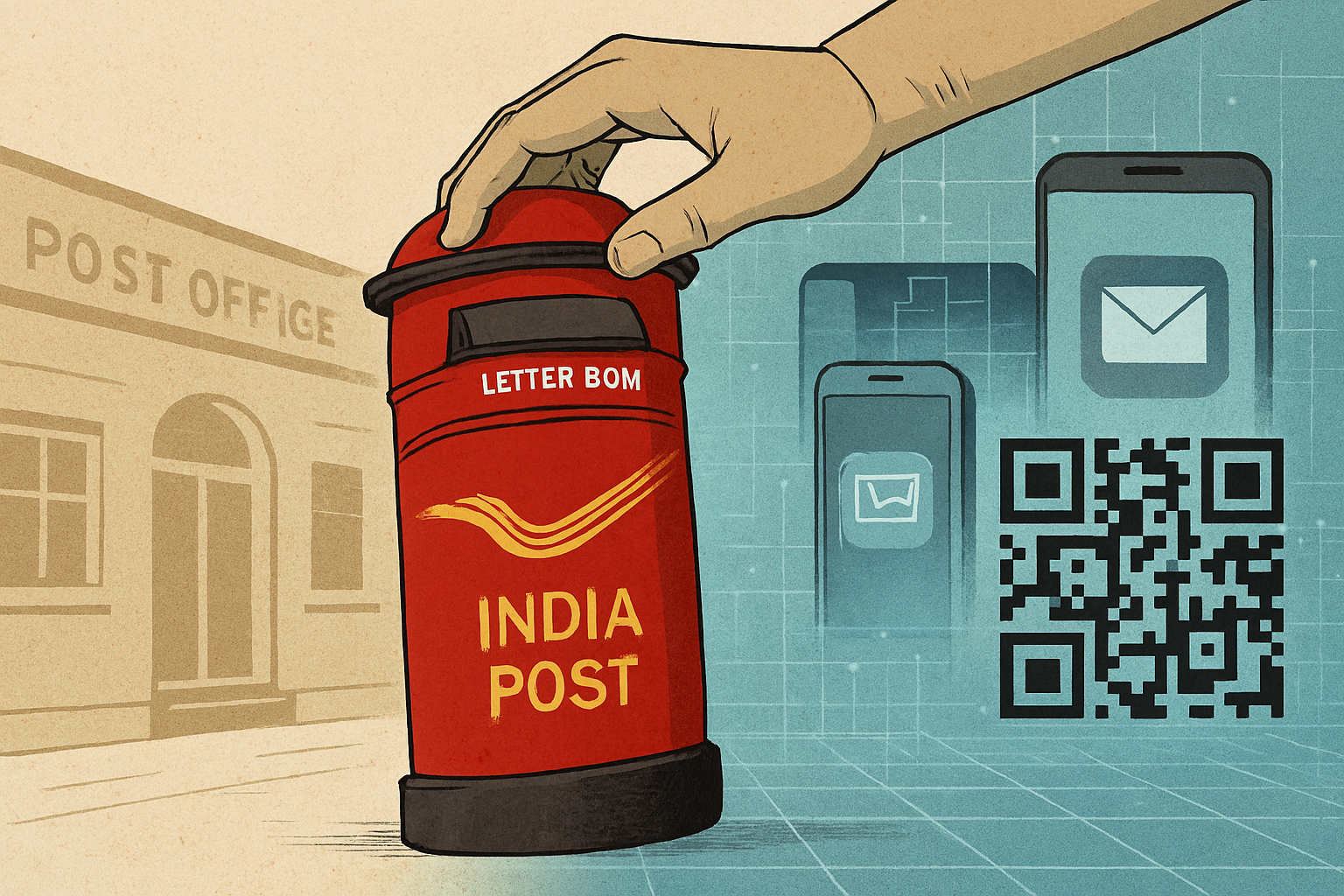
IndiaPost is set to phase out the iconic red post boxes by September 2025, marking the end of a historic chapter in India’s communication system. Here’s what it means for citizens and how the postal service is moving towards modernization.
Table of Contents
Published: August 22, 2025| Last Updated: August 22, 2025
Overview: India Post’s Historic Infrastructure Transition
India Post announced plans to phase out its iconic red post boxes by September 2025, representing a significant shift in the postal service’s operational infrastructure. The red pillar boxes, recognizable street fixtures across Indian cities and towns for over a century, will be gradually removed as the postal service transitions toward modernized collection and delivery systems. This transition reflects broader technological advancement and changing communication patterns across India’s digital economy.
The decision to retire red post boxes marks recognition that electronic communication has substantially reduced physical mail volumes. India Post has maintained these collection points through various technological eras, but declining mail usage prompted infrastructure reassessment. The modernization initiative aims to optimize postal resources while maintaining service accessibility through alternative collection mechanisms.
Understanding this transition requires examining the historical significance of red post boxes, current mail volume trends, modernization strategies, and implications for citizens dependent on postal services. The timeline extending through September 2025 provides substantial period for infrastructure adaptation and public communication regarding alternative postal access methods.
Historical Context and Iconic Status of Red Post Boxes
Colonial Heritage and Establishment
India Post’s iconic red post boxes represent colonial-era infrastructure predating independent India’s postal establishment. The British postal administration introduced standardized mail collection systems including these distinctive red painted boxes as essential communication infrastructure. The color red was selected for visibility and distinction from surrounding urban environments, enabling easy identification by postal users.
The boxes underwent various design modifications throughout the 20th century while maintaining the characteristic red color and pillar-box configuration. Different regions sometimes displayed design variations reflecting local architectural styles, though the functional purpose remained consistent. Historical records indicate that red post boxes proliferated across Indian cities following independence as postal infrastructure expanded to serve growing populations.
By the late 20th century, red post boxes had become cultural icons symbolizing India’s postal tradition and reliable communication systems. Streets across metropolitan areas, suburban neighborhoods, and small towns featured these distinctive landmarks. Generations of Indians grew up utilizing these ubiquitous collection points for personal and commercial correspondence.
Iconic Cultural Status
The red post boxes transcended purely functional roles, becoming aesthetic and cultural symbols within Indian urban landscapes. Photographs featuring these boxes appeared regularly in tourism materials, popular media, and artistic depictions of India. The boxes represented tangible connections to India’s communication history and postal tradition.
Artists, photographers, and writers frequently referenced red post boxes in cultural works, emphasizing their iconic status within popular consciousness. The distinctive appearance became instantly recognizable to Indians and international visitors alike, serving as visual representations of India’s postal identity. The boxes appeared in film sequences, literature, and visual media depicting contemporary India.
Local communities often developed emotional connections to neighborhood post boxes, which served as familiar landmarks and reliable meeting points. Small businesses depended on these collection points for mailing important correspondence and packages. The boxes represented accessible public infrastructure enabling communication across socioeconomic classes.
Functional Role in Communication Systems
Red post boxes functioned as primary collection points for outgoing mail, complementing post office counters as convenient access points. Citizens and businesses deposited correspondence directly into boxes, eliminating requirement for post office visits. The distributed collection point network across cities and towns provided postal access to populations across different geographic locations.
Collection schedules established regular box emptying timelines, typically multiple times daily in metropolitan areas. Postal workers conducted scheduled collections, sorting correspondence for onward transmission through postal systems. The systematic collection process integrated red boxes into operational postal logistics networks.
Mail volumes through red post boxes varied seasonally and over longer periods as communication patterns evolved. Commercial mail, personal correspondence, bills, and administrative communications passed through these collection points. The boxes accommodated diverse mail types and sizes within functional design parameters.
Current Postal Infrastructure and Operational Challenges
Mail Volume Decline and Service Utilization Trends
India’s postal sector experienced substantial mail volume reductions over the past two decades reflecting digital communication growth. Email communications, instant messaging applications, and digital document transmission replaced traditional letter correspondence for business and personal communications. Official postal statistics document consistent mail volume declines across urban and rural regions.
Specific quantification of volume reductions reveals magnitude of change affecting postal operations. Comparative data between 2010 and 2024 indicates approximately 60-70% decline in letter mail volumes across major metropolitan areas. Commercial mail segment experienced particularly steep declines as businesses transitioned to digital communication systems.
The volumetric changes created operational inefficiencies as postal systems maintained collection infrastructure designed for substantially higher mail volumes. Collection point density optimized for peak postal periods became excessive for current operational requirements. Cost-benefit analysis of collection point maintenance prompted infrastructure rationalization initiatives.
Aging Infrastructure and Maintenance Costs
Red post boxes accumulated maintenance requirements reflecting decades of operational service in diverse weather conditions and urban environments. Corrosion, weathering, damage from traffic, and vandalism affected individual box conditions. Paint faded, locks deteriorated, and structural integrity required ongoing attention.
Maintenance costs for individual boxes increased substantially as equipment aged beyond original design lifespan. Spare parts availability for older designs decreased as manufacturers discontinued components. Labor costs for maintenance personnel increased proportionally with general economic inflation and wage growth.
Infrastructure inventory management indicated that significant portions of red box networks required replacement or major renovation. Continuing investment in aging infrastructure competed with budget requirements for modernization initiatives. Economic analysis favored reallocation of maintenance resources toward contemporary postal technologies and systems.
Geographic Distribution and Accessibility Issues
Red post boxes distributed across urban and rural areas reflected historical postal expansion patterns rather than optimized contemporary requirements. Some locations contained multiple boxes within short distances reflecting historical redundancy and volume requirements. Other areas lacked convenient access to collection points, particularly in suburban developments established after initial box placement.
Geographic analysis revealed that modern addressing systems and package delivery requirements created different accessibility patterns compared to traditional letter mail collection. Parcel services increasingly dominated postal operations while declining letter volumes made some collection point locations redundant. Route optimization for postal personnel identified that collecting from all boxes in systematic patterns created inefficient workflows.
Accessibility challenges particularly affected aging populations and citizens with limited mobility who depended on conveniently located collection points. Some localities experienced service gaps as box removals proceeded in advance of alternative collection mechanism establishment.
India Post Modernization Strategy and Digital Transition
Core Modernization Objectives
India Post’s modernization strategy aims to align postal infrastructure with contemporary communication patterns and operational efficiency requirements. The transition from dispersed red box networks toward integrated digital and physical collection systems represents strategic infrastructure reorientation. Modernization objectives include reducing operational costs, improving service efficiency, and maintaining accessibility through alternative mechanisms.
The initiative recognizes that transformation from mail-dominant services to parcel and logistics-focused operations requires different infrastructure configurations. Parcel delivery typically concentrates at organized collection centers rather than street-level individual boxes. Digital integration enables tracking, notification systems, and flexible delivery options unavailable through traditional systems.
Technology integration throughout postal operations supports modernization aims. Advanced tracking systems, sorting automation, and logistics optimization depend on infrastructure compatible with digital systems. Red box networks designed for manual collection and sorting prove incompatible with contemporary automated systems.
Alternative Collection Mechanisms
India Post plans to maintain mail collection accessibility through alternative mechanisms replacing distributed red boxes. Post office counters continue functioning as primary collection points across all regions. The postal service aims to ensure that geographic coverage losses from box removal receive compensation through enhanced post office accessibility.
Authorized post office agents and sub-post offices increasingly operate in neighborhoods as alternative collection points. The postal service has expanded authorization programs enabling commercial establishments to function as informal postal collection points. This distributed authorization approach provides collection accessibility without maintaining individual infrastructure.
Digital ordering systems and scheduled pickup services represent technological alternatives to static collection point infrastructure. Citizens can request postal collections from residential or business addresses, eliminating requirement for box access. The systems integrate with tracking and routing optimization, improving operational efficiency compared to dispersed collection points.
Timeline and Phased Implementation
The September 2025 deadline provides timeframe for planned red box phase-out across India. Implementation occurs in phases prioritizing geographic regions and operational efficiency considerations. Complete removal by deadline represents administrative commitment to modernization timeline.
Initial phase focuses on urban metropolitan areas where alternative collection mechanisms reach highest population densities. Major cities including Delhi, Mumbai, Bengaluru, and Chennai experience earlier box removal timelines. Subsequent phases extend to tier-2 cities and smaller towns with progressively later target dates.
Coordination between India Post headquarters and regional postal circles ensures consistent implementation across diverse geographic regions. District-level postal administrators coordinate with local governments regarding street-level infrastructure removal procedures. Public notification campaigns inform citizens of upcoming changes and alternative service access methods.
Implications for Postal Users and Service Access
Impact on Citizens and Businesses
Red post box removal affects populations dependent on traditional mail services for personal and business communications. Citizens accustomed to convenient box access must transition to alternative collection methods. Elderly populations and those unfamiliar with digital systems face particular adaptation requirements.
Businesses utilizing postal services for invoices, statements, and correspondence must identify alternative mailing procedures. Small businesses and enterprises lacking sophisticated logistics capabilities may experience service disruption during transition period. Commercial mail volumes through alternative collection points require monitoring to ensure adequate capacity.
Documentation of mail collection patterns prior to box removal provides data regarding alternative mechanism demand levels. High-volume collection points receive priority investigation regarding alternative mechanism installation. Low-volume points may transition directly to post office counter access without intermediate infrastructure installation.
Transition Period Service Continuity
India Post committed to maintaining service continuity throughout transition period via alternative collection methods. Announcement of specific box removal dates enables citizen and business preparation for service changes. Interim periods provide time for users to locate alternative access points and modify mailing procedures.
Post office extended hours at alternative collection points support service accessibility during transition period. Mobile postal units operate in selected neighborhoods, providing temporary collection services during implementation phases. Temporary collection points may be established in shopping centers, commercial areas, and community facilities.
Communication through multiple channels informs citizens regarding timeline, locations of alternative collection points, and procedures for continuing postal service access. SMS notifications, newspaper announcements, official website publications, and post office counter information disseminate details. Community education ensures awareness regarding changes and reduces confusion during implementation.
Regional Variations and Implementation Challenges
Implementation challenges may create regional variations in actual removal timelines despite September 2025 target date. Logistical constraints, procurement delays for alternative infrastructure, and coordination challenges may extend timelines in some regions. Rural areas may experience implementation delays due to limited alternative collection mechanism availability.
Coordination between postal circles and municipal authorities regarding street infrastructure removal requires advance planning and administrative procedures. Removal of boxes from public streets involves municipal permissions and adherence to local regulations. Coordination delays could affect implementation schedules in some jurisdictions.
Alternative mechanism availability preceding box removal represents critical implementation success factor. Premature box removal without established alternative access points creates service gaps. Implementation monitoring ensures alternative mechanisms become operational before red boxes are removed from specific locations.
Digital Infrastructure and Online Postal Services
Online Tracking and Digital Services
India Post has expanded online services enabling citizens to track mail and parcels electronically. The postal service website and mobile applications provide tracking capabilities comparable to private courier services. Digital systems enable advance notification of delivery schedules and delivery status updates.
Online booking systems enable customers to schedule pickups and request postal services without physical post office visits. Digital payment options including online transfers reduce requirement for cash transactions at post offices. Integration with digital payment systems modernizes the transactional aspects of postal services.
E-post services enable digital document transmission with legal certification, replacing some traditional correspondence. Registered digital mail maintains evidentiary value for official communications. The services reduce physical mail requirements while maintaining authentication and documentation functionality.
Mobile Application and Accessibility
India Post’s mobile application provides direct access to postal services through smartphone devices. Application functionality includes parcel booking, address lookup, service selection, and payment processing. Push notifications alert users regarding pickup schedules, delivery status, and service updates.
Accessibility features accommodate users with diverse technical sophistication levels and demographic characteristics. Multilingual support in regional languages extends application utility to non-English speaking populations. Simple navigation interfaces reduce technical barriers for older users and first-time technology users.
Integration with government digital identity systems including Aadhaar enables streamlined service access and verification. Digital authentication reduces documentation requirements compared to physical counter transactions. The integrated approach supports government objectives regarding digital service delivery.
Payment and Logistics Integration
Integration with digital payment systems enables seamless postal service transactions. Payment through multiple methods including UPI, net banking, and digital wallets supports convenient transactions. Integration with government financial systems enables Aadhaar-linked payment systems.
Logistics integration with parcel tracking systems provides end-to-end visibility from pickup through delivery. Real-time location updates and estimated delivery timelines enable customer planning. Integration with courier industry standards supports competitive service positioning.
Comparative International Postal Service Transitions
Global Postal Service Modernization Trends
Postal services worldwide have undergone modernization reflecting universal communication pattern changes. Developed nations including United States, United Kingdom, and European countries implemented mail collection rationalization programs. Reduced mail volumes prompted similar infrastructure reviews and collection point reductions.
United States Postal Service reduced collection box networks substantially over two decades, retaining boxes only in high-traffic areas. Canada Post closed numerous post offices and adopted community mailbox systems reflecting modern residential configurations. Royal Mail in United Kingdom prioritized parcel collection facilities over traditional letter collection boxes.
Australia Post implemented comprehensive digitalization alongside infrastructure modernization. Digital tracking, online booking, and parcel locker networks replaced some traditional collection infrastructure. International postal operators demonstrate that modernization represents universal industry trend rather than India-specific phenomenon.
Lessons from International Implementation
International postal modernization experiences provide insights regarding implementation challenges and citizen adaptation. Public resistance to box removal occurred in multiple countries but ultimately accepted following establishment of alternative access mechanisms. Gradual phased implementation proved effective in minimizing service disruption.
Maintenance of service accessibility through multiple alternative mechanisms emerged as critical success factor. Countries relying solely on post office counters experienced accessibility issues in underserved areas. Distributed alternatives including authorized agents, parcel lockers, and mobile services proved effective.
Digital service promotion accompanied infrastructure changes, educating citizens regarding online booking and tracking capabilities. Marketing campaigns emphasized convenience benefits of digital services. Training programs supported older populations in adapting to technological changes.
Environmental and Sustainability Implications
Resource Conservation Through Modernization
Infrastructure reduction through red box removal reduces resource consumption associated with box manufacturing, maintenance, and collection operations. Reduction in collection routes decreases fuel consumption and vehicle operating costs. Consolidated operations at post offices and distribution centers reduce overall operational energy requirements.
Digital service adoption reduces paper usage for postal operations. Reduced letter mail volumes contribute to overall environmental impact reductions. E-post and digital document services eliminate physical paper and transportation requirements.
Recycling programs for removed red boxes salvage materials reducing waste disposal burdens. Metal components undergo recycling processes recovering material value. Disposal procedures adhere to environmental regulations minimizing ecological impact.
Transportation and Logistics Optimization
Consolidated collection at centralized post offices and distribution centers reduces collection vehicle routes. Route optimization software identifies efficient collection paths reducing fuel consumption. Fewer collection points enable comprehensive daily collection rather than multiple light pickups.
Parcel-focused operations emphasize consolidation and batching reducing per-item transportation requirements. Integration with regional sorting facilities reduces intermediate transportation movements. Network optimization balances coverage against operational efficiency.
Financial Implications and Cost-Benefit Analysis
Operational Cost Reductions
Red box maintenance costs including repairs, paint, lock maintenance, and occasional replacements represent significant operational expenses. Removal eliminates ongoing maintenance costs associated with aging infrastructure. Personnel costs for collection from dispersed locations represent substantial expense components.
Cost-benefit analysis undertaken by India Post indicated that maintenance costs for aging boxes exceeded revenues generated through limited letter mail collection. Consolidated operations at post offices and distribution centers reduce personnel requirements. Route optimization reduces collection logistics costs substantially.
Technology investment requirements for modernization compete with cost savings. Initial capital investment in digital systems, mobile applications, and alternative infrastructure requires budget allocation. Long-term operational savings justify technology investments over multiple-year periods.
Revenue and Service Transition
Letter mail revenues continue declining reflecting communication pattern changes. Revenue concentration increasingly depends on parcel services and logistics operations. Modernization efforts aim to position postal services competitively in growing parcel and logistics segments.
Alternative revenue streams including digital services, financial services, and utility payment processing supplement traditional postal revenues. Service diversification reduces dependence on declining letter mail revenues. Financial inclusion services target underbanked populations providing revenue opportunities.
Public Communication and Citizen Awareness
Information Dissemination Strategies
India Post conducted systematic public information campaigns announcing modernization plans and implementation timelines. Announcements through newspapers, television media, and digital platforms informed general population. Official website publications provided detailed information regarding timelines and alternative mechanisms.
Post office counter notices and community bulletin boards informed local populations regarding specific removal timelines. District postal administration organized public meetings and information sessions in selected localities. SMS notifications reached registered postal customers with specific information.
Multilingual information materials accommodated diverse linguistic populations. Simple language explanations supported accessibility for populations with limited formal education. Visual representations including maps indicating new collection point locations aided understanding.
Addressing Citizen Concerns and Resistance
Concerns regarding service disruption prompted India Post to emphasize continuity and alternative access mechanisms. Assurances regarding post office accessibility and extended hours addressed accessibility concerns. Information regarding online services promoted digital alternatives.
Elderly populations expressing concerns regarding service changes received particular attention through targeted communication. Special assistance programs at post offices supported adaptation to digital services. Training sessions educated older users regarding online booking and tracking procedures.
Feedback mechanisms enabled citizens to raise concerns and receive responses from postal administration. Grievance redressal systems documented issues and enabled corrective action. Public forums discussed concerns and identified solutions addressing identified problems.
Implementation Timeline and Transition Phases
Phase 1: Planning and Preparation (October 2024 – February 2025)
Initial implementation phase focuses on planning, public communication, and alternative mechanism preparation. India Post conducted geographic surveys identifying optimal alternative collection point locations. Coordination with municipal authorities proceeded regarding street infrastructure removal.
Installation of alternative collection infrastructure commenced in metropolitan areas. Authorized agent programs expanded enabling commercial establishments to serve collection functions. Digital systems underwent testing and refinement based on pilot program experiences.
Public awareness campaigns intensified providing detailed information regarding upcoming changes. Post office staff received training regarding customer service during transition period. Support mechanisms were established for customers requiring assistance with service transitions.
Phase 2: Early Urban Implementation (March – June 2025)
Phase 2 focuses on metropolitan area implementation proceeding ahead of smaller cities and towns. Major cities including Delhi, Mumbai, Bengaluru, and Hyderabad experience primary focus during this phase. Post offices in major cities extended operating hours and enhanced services.
Alternative collection mechanisms became operational in urban neighborhoods before associated red box removal. Citizen education intensified through focused campaigns in identified areas. Monitoring systems tracked citizen adoption of alternative services and identified service gaps.
Customer helplines provided support to citizens unfamiliar with alternative mechanisms. Mobile postal units provided temporary services during transition periods. Feedback mechanisms enabled identification and resolution of emerging issues.
Phase 3: Secondary City Implementation (July – September 2025)
Phase 3 extends implementation to tier-2 and tier-3 cities. Secondary urban centers experience implementation during this phase. Post office infrastructure and authorized agent networks prepared for implementation.
Alternative collection mechanisms became operational across secondary cities. Red box removal proceeded systematically as alternative mechanisms achieved operational status. Monitoring and adjustment continued based on implementation experiences.
Phase 4: Rural Implementation (September 2025 onwards)
Rural implementation occurs following urban completion though continues through later periods. Rural post offices continue serving as primary collection points. Authorized agents in rural areas expand collection capabilities.
Implementation challenges in rural regions may extend timelines beyond September 2025. Infrastructure limitations and geographic dispersion create implementation complexity. Alternative mechanisms suitable for rural contexts receive priority development.
Anticipated Challenges and Contingency Planning
Service Disruption Risks
Premature box removal without established alternative mechanisms could create service gaps. Implementation monitoring ensures readiness before removal commences. Contingency plans address identified risks and enable rapid response.
Citizen unfamiliarity with alternative services could temporarily reduce mail volumes through services. Communication and customer support mitigate learning curve effects. Promotional campaigns encourage service adoption.
Alternative Mechanism Capacity
Concern exists regarding capacity of post offices and authorized agents to handle increased collection volumes. Staffing expansion and operational adjustments address capacity requirements. Technology infrastructure scaling ensures systems support increased transaction volumes.
Geographic gaps may exist where alternative mechanisms require additional development. Community feedback identifies service gaps enabling targeted intervention. Mobile units and temporary services bridge gaps during establishment of permanent mechanisms.
Equity and Access Concerns
Concerns regarding equity and access particularly affect elderly populations and those lacking digital literacy. Dedicated support programs and simplified procedures ensure continued accessibility. Post office counter availability maintains service for populations unable to use digital systems.
Rural populations and underserved communities require specific attention ensuring continued postal access. Authorized agent programs prioritize underserved areas. Mobile postal services support remote communities.
Frequently Asked Questions
Q1. When exactly will red post boxes be removed, and how will citizens know about specific removal dates?
India Post aims to complete red post box phase-out by September 2025, though implementation occurs in phases across different geographic regions. Metropolitan areas experience removal during early phases (March-June 2025) while smaller towns and rural areas continue through September 2025. Specific removal dates for individual boxes are announced through post office notices, SMS notifications to registered customers, newspaper announcements, and the official India Post website. Citizens can contact their local post offices for specific removal timeline details regarding neighborhood boxes.
Q2. How can citizens and businesses continue using postal services after red boxes are removed?
Alternative postal access mechanisms replacing red boxes include post office counters (primary option), authorized post office agents at commercial establishments, mobile postal units in selected areas, and online booking with scheduled home pickup services. Post offices maintain extended hours to accommodate increased counter traffic. Citizens can use the India Post mobile application or website to book online services, schedule pickups, and track mail. Email and digital payment options complement traditional postal services for contemporary communication needs.
Q3. Are there specific areas where red boxes will be removed first versus remaining longer?
Implementation prioritizes metropolitan areas with adequate alternative collection infrastructure. Major cities including Delhi, Mumbai, Bengaluru, and Hyderabad experience early removal during Phase 2 (March-June 2025). Tier-2 and tier-3 cities proceed during Phase 3 (July-September 2025), while rural areas continue into subsequent periods. Implementation depends on alternative mechanism operational status ensuring service continuity. Geographic prioritization balances coverage and operational efficiency.
Q4. How does red box removal affect parcel and courier services delivered through India Post?
Parcel collection and delivery continues through post office counters, authorized agents, and digital booking systems. Red box removal specifically addresses outgoing mail collection and does not directly affect parcel delivery services. Parcel customers can continue using services through established mechanisms. Parcel pickup services can be scheduled through online systems. The transition emphasizes parcel operations concentrated at organized centers rather than dispersed collection points.
Q5. What support is available for elderly citizens and those unfamiliar with digital services?
India Post provides dedicated support programs for populations requiring assistance with service transitions. Post office staff offer training regarding digital booking systems and online tracking. Simple instructional materials in regional languages explain alternative service access methods. Helpline services provide telephone support for service inquiries. Post office counters maintain traditional service options for customers preferring physical interactions. Mobile postal units provide services in community spaces accessible to elderly populations.
Q6. Will postal service fees increase due to infrastructure modernization costs?
India Post has not announced fee increases specifically related to modernization. Operational cost reductions from infrastructure rationalization may offset modernization investment costs. Competitive pressures in parcel and logistics markets constrain pricing flexibility. Pricing policies balance cost recovery with service accessibility. Any potential fee modifications would be announced through official channels with advance notification.
Q7. How does this transition align with India Post’s broader digital transformation initiatives?
Red box phase-out represents component of comprehensive India Post modernization strategy. Digital service expansion including online booking, tracking, and payment integration supports contemporary service requirements. Technology integration throughout operations improves efficiency and customer experience. Modernization acknowledges that digital communication patterns require infrastructure alignment. Strategic alignment ensures that infrastructure transitions complement technology initiatives.
Q8. Are there environmental benefits associated with red box removal and postal modernization?
Infrastructure reduction decreases manufacturing, maintenance, and collection-related resource consumption. Consolidated operations at organized centers reduce fuel consumption and vehicle emissions from collection routes. Digital services including e-post eliminate paper usage and transportation requirements. Recycling programs recover materials from removed boxes. Overall operational efficiency improvements contribute to sustainability objectives.
About the Author
Author: Nueplanet
Expertise: Government policy, institutional modernization, public services analysis, and infrastructure transitions
Mission: Providing accurate, evidence-based analysis of government initiatives and institutional changes through rigorous research and verified official sources
Nueplanet specializes in analyzing government policies, institutional modernization initiatives, and public service transitions affecting Indian communities. This article incorporates information from India Post official announcements, postal service directives, press releases, public communications, and reports from postal administration authorities. All timelines, implementation details, and service information reflect official India Post documentation accessible through government channels.
About This Content
This article provides factual analysis of India Post’s red post box phase-out initiative, implementation timeline, implications for postal users, and modernization strategy. The content reflects publicly available information regarding postal service modernization as of November 2024. Specific details regarding individual locations’ implementation may be subject to modifications; readers should consult official India Post channels for current information. Postal service users requiring specific guidance regarding service access during transition periods should contact their local post offices or call the India Post helpline for location-specific details.
For additional information, readers may access the official India Post website for current announcements, implementation timelines, and digital service information. District postal administration offices provide location-specific details and can answer community-related inquiries. The India Post mobile application provides updated service information and booking capabilities.
Content Type: Government Policy and Institutional Analysis
Publication Date: August 22, 2025
Last Updated: August 22, 2025
Helpful Resources
Latest Posts
- KCET 2025: Round 2 Option Entry Link Active for Karnataka NEET-UG Counselling
- WBJEE 2025 Result Date: Everything Students Need to Know
- Supreme Court’s Landmark Order on Stray Dogs: Feeding Zones, Vaccination, and Public Safety
- Idea Share Price: Vodafone Idea Surges Amid Relief Hopes
- India Post IT 2.0: Driving Digital Transformation Nationwide
Tag
IndiaPost
Related Posts












Post Comment