






Extreme Rainfall Alert: Mumbai Faces Unprecedented Weather Warnings
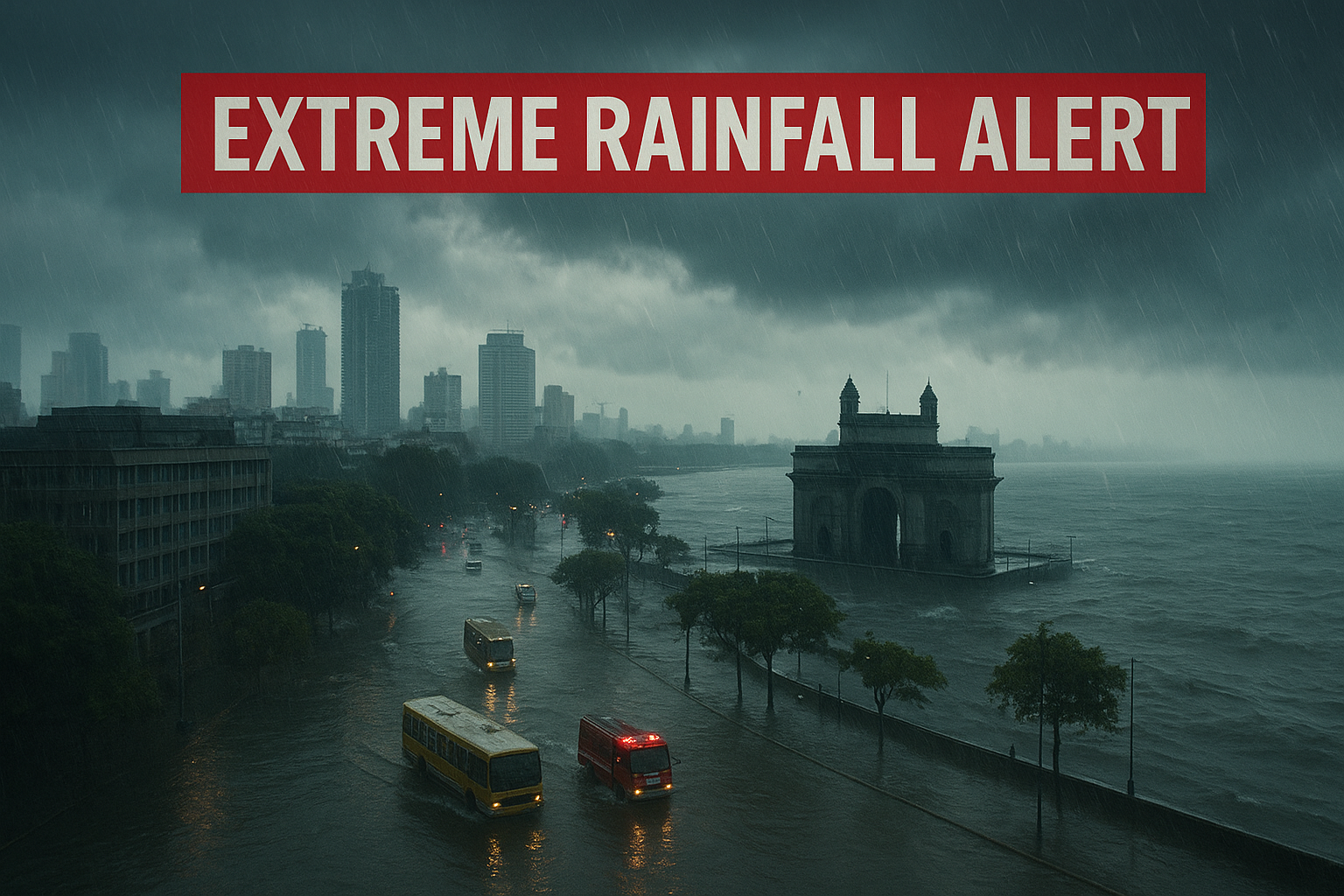
Mumbai authorities issue an extreme rainfall alert as forecasts predict up to 900 mm of rainfall. Citizens are urged to remain cautious and follow official advisories.
Table of Contents
The India Meteorological Department (IMD) has issued critical extreme rainfall alerts for Mumbai, Maharashtra’s capital city. These warnings indicate potential precipitation levels that could significantly impact the city’s infrastructure and daily operations. This comprehensive analysis examines the meteorological conditions, infrastructure challenges, and safety protocols essential for navigating this weather event.
Mumbai, home to approximately 12 million residents, faces recurring challenges during the monsoon season. The current alerts represent a significant escalation from typical seasonal patterns, requiring coordinated response efforts from multiple government agencies and heightened awareness among residents.
Understanding the Meteorological Situation
Classification of Extreme Rainfall Events
Extreme rainfall in Mumbai is classified based on precipitation measurements within specific timeframes. The IMD categorizes rainfall as extreme when accumulation exceeds 200-300 millimeters within a 24-hour period. Current forecasts suggest certain areas may receive up to 900 millimeters of rainfall, representing nearly four times the standard threshold for extreme weather classification.
The IMD employs advanced meteorological technology to monitor and predict weather patterns. These systems include Doppler radar technology, satellite imaging, and numerical weather prediction models. The integration of multiple data sources enables meteorologists to identify potentially severe weather systems several days in advance, providing critical preparation time for emergency services and residents.
Mumbai’s geographical location along the Arabian Sea coastline contributes to its vulnerability during monsoon season. Warm ocean surface temperatures facilitate atmospheric moisture accumulation, while the Western Ghats mountain range creates orographic lifting effects that intensify precipitation over metropolitan areas.
Current Weather Patterns and Contributing Factors
The 2025 monsoon season has demonstrated exceptional intensity across Maharashtra. On a single day in August 2025, Mumbai recorded 177 millimeters of rainfall within a 6-8 hour period, resulting in waterlogging across 14 localities. This concentration of precipitation within short timeframes illustrates the nature of contemporary extreme weather events.
Several atmospheric mechanisms contribute to intense rainfall episodes. The positioning of the monsoon trough influences rainfall distribution patterns across western India. When aligned favorably over the region, this system facilitates sustained moisture transport from the Arabian Sea toward land areas.
Low-pressure systems and cyclonic circulations intensify monsoon flows, concentrating rainfall over specific geographic zones. Sea surface temperature variations affect evaporation rates, influencing the amount of atmospheric moisture available for precipitation. The Western Ghats create mechanical forcing of air masses upward, triggering condensation and rainfall on the windward slopes.
Climate Change and Rainfall Patterns
Temperature Increases and Weather Intensification
Climate scientists have documented connections between rising global temperatures and changes in monsoon system behavior. Mumbai has experienced an increase in extreme weather frequency over recent years, with traditional monsoon patterns becoming less predictable.
The relationship between climate change and extreme rainfall involves multiple interconnected processes. Atmospheric moisture-holding capacity increases approximately 7% for each degree of warming. This physical relationship means that when conditions favor precipitation, rainfall intensity can be greater than in cooler atmospheric conditions.
Enhanced temperature contrasts between land and ocean surfaces can intensify monsoon circulation patterns. Climate change also influences upper-level atmospheric wind patterns, potentially causing weather systems to remain stationary over specific regions for extended periods rather than moving quickly through an area.
Long-Term Precipitation Trends
Historical meteorological data reveals shifts in Mumbai’s rainfall distribution patterns. While annual precipitation totals may show relative stability, the distribution has become increasingly concentrated into fewer, more intense events. This shift presents challenges for urban drainage infrastructure designed to handle more gradual water absorption rates.
Future climate projections indicate these trends may continue and potentially intensify. Climate models suggest Mumbai could experience more frequent extreme rainfall events, with traditional “once-in-a-century” flood scenarios occurring with greater regularity.
Urban Infrastructure and Drainage Challenges
Drainage System Limitations
Mumbai’s rapid urban development has fundamentally altered the city’s hydrological characteristics. Extensive concrete construction has reduced natural water absorption capacity, increasing surface runoff during rainfall events.
The Brihanmumbai Municipal Corporation (BMC) initially reduced dewatering pumps from 482 to 417 units, facing criticism following severe waterlogging during the season’s first heavy rainfall. Subsequently, four contractors received penalties for failing to activate mini pumping stations as required.
The city’s drainage infrastructure confronts multiple operational challenges. Many drainage systems were designed for lower rainfall intensities and cannot accommodate current extreme precipitation volumes. Maintenance issues, including blocked drains and inadequate cleaning, reduce effective drainage capacity during critical periods.
Mumbai’s coastal location adds complexity to drainage operations. High tides can prevent effective drainage, exacerbating waterlogging when high tide periods coincide with heavy rainfall events. Unauthorized construction over drainage channels restricts water flow and reduces overall system effectiveness.
Impact of Reduced Green Spaces
The progressive reduction of vegetated areas throughout Mumbai has significantly impacted natural water absorption capacity. Parks, gardens, and vacant lots that previously absorbed rainfall have been replaced by impermeable surfaces, directing more water into strained drainage systems.
Urban planning professionals increasingly recognize the importance of sustainable development practices incorporating natural water management solutions. Permeable pavements, vegetated roofs, and constructed wetlands can help restore portions of Mumbai’s natural water absorption capacity. These approaches represent long-term investments in urban resilience.
Alert Systems and Emergency Response
Warning Technologies and Communication
Mumbai has enhanced its early warning systems to provide comprehensive rainfall alerts to residents and authorities. These systems integrate multiple data sources to deliver accurate, timely information about developing weather conditions.
Authorities utilize multiple communication channels including SMS services, mobile applications, social media platforms, and traditional media outlets to disseminate critical weather information. Advanced systems provide location-specific alerts, enabling residents to receive information relevant to their specific neighborhoods.
Alerts are distributed in multiple languages to ensure broad accessibility across Mumbai’s diverse population. Continuous monitoring enables authorities to update alerts as conditions change, providing dynamic information about rainfall intensity and duration.
Coordinated Emergency Protocols
Mumbai’s emergency response system involves coordination between multiple agencies, including the BMC, state disaster management authorities, and central government agencies. This coordinated approach ensures comprehensive coverage and efficient resource allocation during crisis situations.
Emergency equipment, including pumping systems and rescue boats, are strategically positioned throughout the city before extreme weather events. Authorities maintain updated evacuation plans for vulnerable areas, with designated shelter locations and transportation arrangements prepared in advance.
Centralized command centers coordinate response efforts and maintain communication between different agencies and departments. This organizational structure facilitates rapid decision-making and resource deployment during emergency situations.
Immediate Impacts of Extreme Rainfall
Transportation Network Disruptions
Extreme rainfall events create cascading impacts throughout Mumbai’s transportation infrastructure. Persistent heavy rains have disrupted Mumbai’s transport and education sectors, prompting school closures and affecting flight operations during red alert periods.
Mumbai’s suburban railway network, which transports millions of passengers daily, experiences significant disruptions during extreme rainfall. Waterlogged tracks can force service suspensions, affecting commuters and disrupting economic activity. Railway authorities implement safety protocols that prioritize passenger safety over service continuity during severe weather.
Major highways and arterial roads become impassable during intense rainfall, creating traffic congestion and preventing emergency service access to affected areas. Mumbai’s international airport frequently experiences flight delays and cancellations during extreme weather, affecting thousands of passengers and cargo operations.
Economic Consequences
The economic impact of extreme rainfall extends beyond immediate infrastructure damage. Mumbai serves as India’s financial capital, and weather-related disruptions can have implications for national economic activity.
Commercial establishments face closures, reduced productivity, and supply chain disruptions during extreme weather events. Financial markets may be affected when transportation disruptions prevent market participants from reaching financial districts. Mumbai’s major port facilities may suspend operations during severe weather, affecting import and export activities.
Public Health and Safety Concerns
Extreme rainfall events create multiple public health challenges requiring coordinated medical and emergency response efforts. Standing water and compromised sanitation systems increase risks of water-borne diseases and vector-borne illnesses.
Waterlogged areas create electrocution risks from damaged electrical infrastructure. Flooded roads can prevent ambulances and medical personnel from reaching patients requiring urgent care. Between August 16-19, 2025, extremely heavy rainfall caused severe flooding in Mumbai, resulting in at least three fatalities and two missing persons, underscoring the serious human costs associated with extreme weather events.
Flood Management Infrastructure
Technological Solutions
Mumbai has implemented numerous technological solutions to improve flood management capabilities and reduce vulnerability to extreme rainfall events. Smart pumping systems with automated controls can respond rapidly to changing water levels, maximizing drainage efficiency during critical periods.
Sensor networks throughout the city provide continuous data about water levels, rainfall intensity, and drainage system performance. This real-time monitoring enables operators to make informed decisions about resource deployment and system adjustments.
Machine learning algorithms analyze historical patterns and current conditions to predict flood risks and optimize response strategies. These predictive capabilities help authorities anticipate problems before they develop into crises.
Structural Improvements
The BMC has identified 453 flood-prone locations, addressing 369 areas with plans to tackle the remaining 55 locations in a phased manner. This systematic approach prioritizes areas based on risk assessment and available resources.
Ongoing projects focus on expanding and upgrading stormwater drainage systems to handle higher rainfall volumes. Construction of detention basins and retention ponds provides temporary storage for excess rainwater during peak flow periods.
Coastal protection measures, including seawalls and tidal barriers, help prevent storm surge impacts during coincident high tide and heavy rainfall events. These structural investments represent long-term commitments to urban resilience.
Community-Based Initiatives
Local communities have organized volunteer groups trained in emergency response and evacuation procedures. These neighborhood response teams provide immediate assistance during crisis situations, complementing official emergency services.
Educational initiatives help residents understand flood risks and appropriate safety measures during extreme weather events. Public awareness programs cover topics including evacuation procedures, emergency preparedness, and safe behavior during flooding.
Mobile applications enable residents to report flooding conditions, creating real-time situational awareness for emergency responders. This crowdsourced information supplements official monitoring systems and helps identify emerging problems quickly.
Safety Measures for Residents
Pre-Event Preparation
Proactive preparation significantly reduces risks and improves outcomes during extreme rainfall events. Residents should maintain comprehensive emergency preparedness plans tailored to Mumbai’s specific challenges.
Emergency supply kits should include sufficient water (minimum three days per person), non-perishable food items, battery-powered radio, flashlights, first aid supplies, essential medications, and important documents stored in waterproof containers. These supplies should be assembled before the monsoon season and checked regularly for expiration dates and functionality.
Communication planning involves maintaining updated contact lists including family members, neighbors, local emergency services, and utility companies. Mobile devices should be fully charged before weather events, and backup power sources considered for extended outages.
Property protection measures include clearing gutters and drains around residences, securing outdoor furniture and equipment, and identifying safe areas within homes for sheltering during severe weather. These preventive actions reduce property damage risk and improve overall safety.
During-Event Safety Protocols
Movement restrictions are essential during extreme rainfall events. Residents should avoid unnecessary travel, and if travel is essential, use main roads while avoiding known flood-prone areas. Journey planning should account for potential delays and alternative routes.
Electrical safety requires turning off electricity in flooded areas to prevent electrocution risks. Never touch electrical equipment with wet hands or while standing in water. These precautions prevent serious injuries and fatalities.
Water safety is critical during flooding. Never attempt to walk or drive through flooded streets. Moving water as shallow as six inches can knock adults off their feet, while two feet of water can float vehicles. These seemingly shallow depths pose serious dangers.
Information management involves monitoring official weather updates and emergency announcements through reliable sources including the IMD, BMC, and established news organizations. Avoid unverified information from social media sources that may spread inaccurate or outdated information.
Post-Event Recovery
Damage assessment should document property damage with photographs for insurance purposes, but personal safety must be prioritized over property concerns. Entering damaged structures carries risks from unstable conditions and electrical hazards.
Health precautions include awareness of contaminated floodwater risks and seeking medical attention for any injuries or exposure to potentially contaminated water. Floodwater can contain sewage, chemicals, and other hazardous materials.
Utility restoration should wait for official clearance before restoring electrical service to flooded areas. Qualified professionals should inspect electrical systems before reactivation to ensure safety and prevent further damage.
Long-Term Resilience Strategies
Sustainable Urban Development
Mumbai’s long-term resilience requires fundamental changes in urban development practices that prioritize climate adaptation and environmental sustainability. Green infrastructure integration incorporates natural water management solutions into urban planning, including vegetated roofs, permeable surfaces, and constructed wetlands.
Zoning modifications can restrict development in flood-prone areas and require climate-resilient building standards for new construction. These regulatory approaches guide development patterns toward more sustainable outcomes.
Transit-oriented development concentrates growth around public transportation hubs, reducing car dependency and creating more resilient communities. This approach supports both climate adaptation and mitigation objectives.
Institutional Frameworks
Integrated planning coordinates development decisions between municipal, state, and central government agencies to ensure consistent climate resilience priorities. This coordination prevents conflicting policies and ensures efficient resource allocation.
Building code updates implement construction standards that require climate-resilient design features and flood-resistant building techniques. These regulations ensure new development contributes to overall urban resilience rather than increasing vulnerability.
Insurance and financial mechanisms develop comprehensive disaster insurance programs and financial incentives for climate-resilient development. These economic tools encourage private investment in resilience measures.
Regional Cooperation
Metropolitan coordination involves working with surrounding municipalities to address regional drainage and development issues that affect Mumbai’s flood vulnerability. Water management challenges extend beyond municipal boundaries, requiring regional approaches.
International collaboration enables learning from other coastal megacities facing similar climate challenges, including Amsterdam, Venice, and Miami. These knowledge-sharing arrangements facilitate technology transfer and best practice adoption.
Research and development support ongoing investigation into climate adaptation technologies and urban resilience strategies. Continued innovation is essential for addressing evolving challenges.
Economic and Social Dimensions
Financial Impact
The economic costs of extreme rainfall events extend beyond immediate damage assessment. Direct costs include infrastructure damage, emergency response expenses, and immediate business losses. These tangible impacts are relatively straightforward to quantify.
Indirect costs encompass transportation disruptions, productivity losses, and supply chain interruptions. These economic effects ripple through the economy, affecting sectors not directly impacted by flooding.
Long-term economic effects include changes in property values, insurance costs, and business location decisions. Repeated extreme weather events can influence investment patterns and urban development trajectories.
Social Equity Considerations
Extreme rainfall events disproportionately affect Mumbai’s most vulnerable populations, highlighting important social equity considerations in disaster preparedness and response. Low-income communities often reside in flood-prone areas with limited infrastructure and evacuation options.
Economic resilience varies significantly across different population segments. Limited financial resources reduce recovery capacity and increase long-term vulnerability to repeated weather events. These disparities require targeted interventions.
Access to information varies by language, technology access, and education levels. Language barriers and limited technology access can prevent vulnerable populations from receiving critical weather alerts and safety information, necessitating multi-channel communication strategies.
Frequently Asked Questions
What defines extreme rainfall in Mumbai according to IMD standards?
The India Meteorological Department classifies extreme rainfall as precipitation exceeding 200-300 millimeters within a 24-hour period. Current alerts indicate potential accumulations reaching 900 millimeters in certain areas, significantly exceeding normal extreme weather thresholds. This classification system helps authorities and residents understand the severity of expected weather conditions and appropriate response measures.
Which areas of Mumbai face highest flood risk during extreme rainfall?
Traditional flood-prone areas include low-lying neighborhoods such as Hindmata, Sion, Wadala, King’s Circle, Matunga, and Kurla. New flooding zones have emerged in central Mumbai, including areas near Mantralaya and Metro Cinema. Coastal areas face additional risks from storm surge and high tides that can prevent effective drainage. Vulnerability depends on elevation, proximity to drainage channels, local infrastructure quality, and tidal influences.
What emergency resources are available during extreme rainfall events?
Mumbai maintains comprehensive emergency response systems including strategically positioned rescue teams, emergency shelters, medical facilities, and communication centers. The BMC has procured emergency flood recovery vehicles worth ₹9 crores to tackle monsoon challenges. The BMC maintains 417 dewatering pumps across the city to remain operational throughout the monsoon season. Residents can access emergency services through dedicated helplines, mobile applications, and local emergency response teams.
How do extreme rainfall events affect Mumbai’s transportation systems?
Extreme rainfall severely impacts all transportation modes. Local train services may suspend operations due to waterlogged tracks, affecting millions of daily commuters. Road transportation faces closures of major highways and arterial roads. Aviation services experience delays and cancellations. During extreme weather events, authorities recommend avoiding all non-essential travel. Some elevated rail sections may continue limited operations depending on conditions.
What technological systems does IMD use for rainfall prediction?
The IMD utilizes sophisticated meteorological technology including Doppler weather radar, satellite imagery, numerical weather prediction models, and automated weather stations. The accuracy of extreme rainfall forecasts has improved significantly, with 24-48 hour predictions generally showing high reliability for major weather events. However, precise timing and geographic distribution remain challenging to predict exactly. Multiple data sources and computer models are incorporated to provide the most accurate possible predictions.
What are the most critical safety precautions during extreme rainfall?
Critical safety precautions include avoiding all unnecessary travel, never walking or driving through flooded streets, turning off electricity in flooded areas, and monitoring official weather updates from reliable sources. Emergency supply kits should include water, food, medications, and essential documents. Communication plans should be established with family members. Moving water as shallow as six inches can knock adults off their feet, making any flooded street dangerous.
What long-term infrastructure improvements is Mumbai implementing?
Mumbai is implementing comprehensive infrastructure improvements including enhanced stormwater drainage systems, smart pumping stations with automated controls, retention basins, and coastal protection measures. The BMC identified 453 flood-prone spots, addressing 369 locations with plans to tackle remaining areas in phases. Future plans include green infrastructure integration, climate-resilient building standards, early warning system enhancements, and regional coordination with neighboring municipalities.
How has climate change affected Mumbai’s rainfall patterns?
Climate scientists have documented connections between rising global temperatures and monsoon system intensification. Historical data shows that while annual precipitation totals may remain relatively stable, distribution has become increasingly concentrated into fewer, more intense events. This shift creates significant challenges for urban drainage systems designed for more gradual water absorption. Increasingly heavy rains in Mumbai have claimed more than 400 lives in the last decade.
Conclusion: Coordinated Preparedness and Response
Mumbai’s confrontation with extreme rainfall alerts represents both an immediate challenge and an opportunity for enhanced urban resilience. The city’s response to unprecedented weather conditions demonstrates the effectiveness of combining advanced technology, comprehensive planning, and community engagement to address climate-related challenges.
Current extreme rainfall alerts serve as important indicators of changing climate patterns affecting urban environments. Success in managing these events requires sustained commitment from government agencies, private sector partners, and individual residents. The integration of smart technology, improved infrastructure, and community-based preparedness creates multiple layers of protection for lives and property.
Moving forward, Mumbai’s experience with extreme rainfall management provides valuable insights for other cities facing similar climate challenges. The combination of immediate response capabilities and long-term adaptation strategies creates a comprehensive approach to urban climate resilience applicable to coastal metropolitan areas worldwide.
Proactive preparedness and adaptive management continue to be essential as climate change influences monsoon patterns and extreme weather frequency. Mumbai’s ongoing commitment to innovation, collaboration, and resilience building ensures the city remains prepared to face future extreme rainfall events effectively.
Residents should stay connected with official weather updates through IMD Mumbai, BMC emergency services, and local emergency management agencies for current information about extreme rainfall conditions and safety recommendations.
About the Author
Nueplanet is a professional news content writer specializing in environmental and meteorological topics. With a commitment to accuracy and verified information, Nueplanet draws from official government sources, meteorological departments, and authoritative agencies to provide readers with reliable, fact-based content. All articles undergo thorough verification to ensure accuracy and relevance.
Published: August 20, 2025
Last Updated: August 20, 2025
Note: This article is based on official data from the India Meteorological Department (IMD), Brihanmumbai Municipal Corporation (BMC), and other verified governmental sources. For real-time updates, please refer to official channels.
Helpful Resources
Latest Posts
- IgniteTech CEO Eric Vaughan Still Stands by Layoffs Over AI Resistance
- Bihar Weather: Latest Updates and Forecast for August 2025
- Asia Cup 2025 India Squad: Key Players, Selection Drama & What to Expect
- ChatGPT Go: Affordable AI Subscription Launches in India at ₹399
- Rekha Gupta: Delhi CM Slapped at Public Meet, Attacker Caught – Latest Updates
Related Posts









Post Comment