








Delhi News: Latest Updates, Political Developments, and Weather Alerts
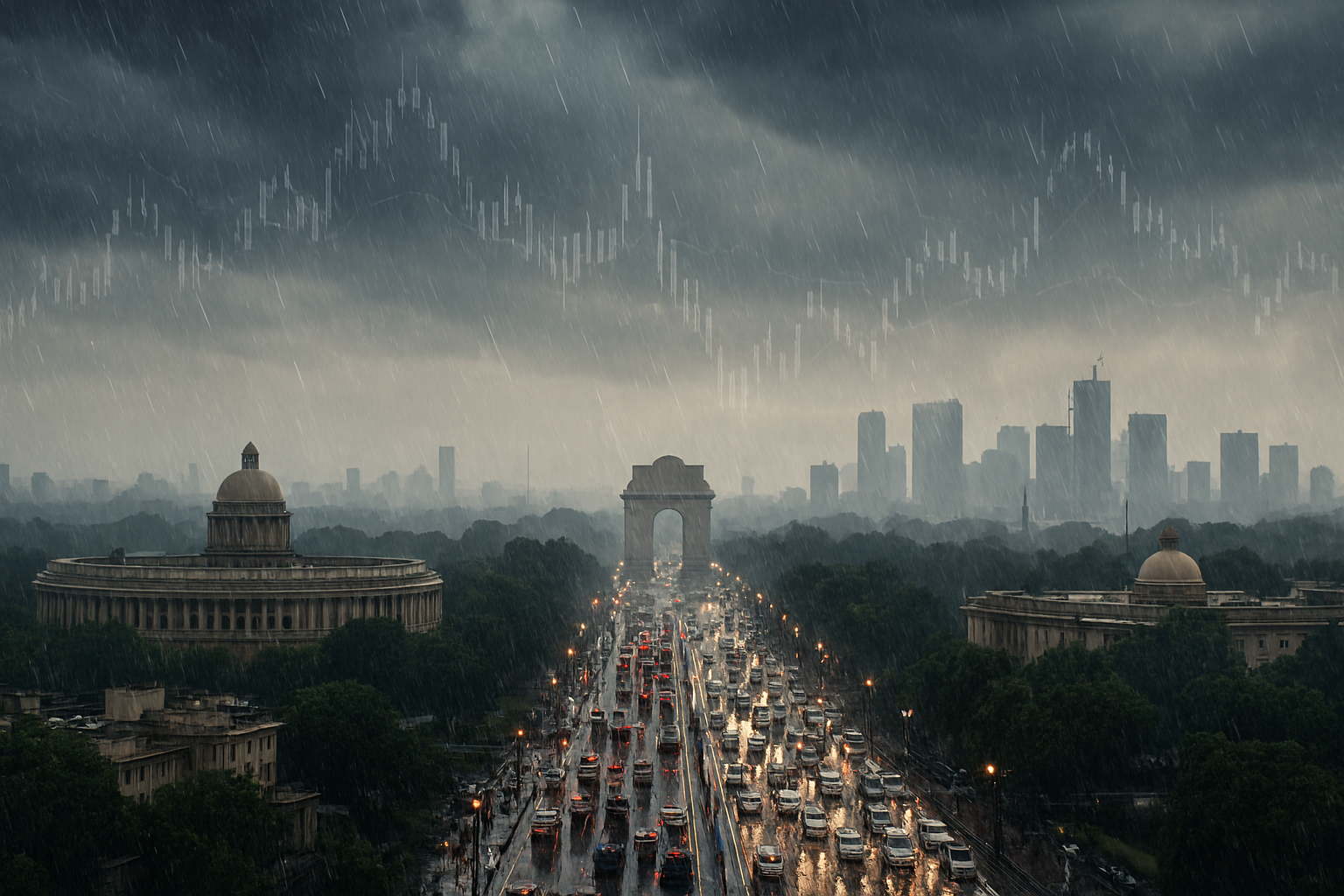
Delhi continues to be a hub of political, social, and environmental developments. From government announcements to monsoon updates, residents and investors alike are keeping a close watch on the latest happenings in the national capital.
Table of Contents
Introduction: Understanding Delhi’s Role in National Affairs
Delhi serves as India’s capital and administrative center, housing the central government, parliament, and numerous national institutions. The city’s developments carry significant implications for policy decisions that affect the entire country. Understanding current events in Delhi provides insight into broader national trends and governance matters.
The national capital territory experiences continuous changes across political, infrastructure, weather, and civic domains. These developments influence daily life for Delhi’s residents while also shaping national discourse on urban development, environmental management, and governance practices.
This comprehensive overview examines recent developments in Delhi across multiple sectors. The information presented draws from official government sources, meteorological departments, and verified institutional announcements to provide accurate, factual reporting on the capital’s current situation.
Political Developments in Delhi
Parliamentary Sessions and Legislative Activities
The Parliament’s monsoon session in 2024 addressed several legislative matters relevant to national governance. Parliamentary proceedings included discussions on infrastructure development, economic policy frameworks, and urban planning initiatives.
During September 2024, the parliament considered various bills related to digital infrastructure and urban development. These legislative discussions reflected ongoing efforts to address infrastructure challenges and modernization requirements across Indian cities. The session witnessed participation from multiple political parties in debates concerning national development priorities.
Legislative activities during this period focused on frameworks for public-private partnerships and foreign investment regulations. These policy discussions aimed to establish clearer guidelines for infrastructure development and investment facilitation across various sectors.
Political Engagement and Public Outreach
Political figures conducted several public engagement activities in Delhi during September 2024. These events included public addresses, stakeholder meetings, and facility inaugurations across different parts of the capital.
On September 8, 2024, a public gathering at Ramlila Maidan addressed economic development topics. September 11, 2024, saw meetings with business community representatives to discuss commercial concerns. These interactions represent routine political engagement practices in the capital city.
Additional activities included facility inaugurations and public forums addressing urban development matters. Such events form part of regular political communication channels between elected representatives and constituents in the national capital region.
Electoral Preparations and Campaign Activities
Political parties have begun preparations for upcoming electoral processes through various outreach mechanisms. Campaign strategies increasingly incorporate digital platforms alongside traditional public engagement methods.
Contemporary campaign approaches emphasize policy communication through multiple channels. Political organizations focus on articulating their positions on urban sustainability, infrastructure development, and governance practices. These preparations reflect standard pre-election activities in democratic processes.
Youth participation in political discourse has shown measurable increases according to civic engagement data. Electoral preparedness activities continue as parties develop their policy platforms and communication strategies for engaging with voters.
Weather and Climate Updates for Delhi
September 2024 Monsoon Patterns
Delhi experienced significant rainfall during the first half of September 2024, with precipitation levels notably above seasonal averages. The India Meteorological Department (IMD) recorded rainfall exceeding 150mm during the September 1-5 period, affecting daily activities across the capital.
Temperature variations during this period ranged between 24°C and 35°C, reflecting typical monsoon season fluctuations. These temperature swings, combined with high humidity levels, characterized the weather conditions residents experienced during early September.
Between September 12-14, 2024, intermittent heavy rainfall continued affecting the capital region. The meteorological department maintained advisories for residents regarding potential weather-related disruptions during this period.
Weather Alert Systems and Public Information
The India Meteorological Department operates weather monitoring systems providing advance warnings for severe weather conditions. These systems utilize radar technology and meteorological data analysis to generate forecasts with 48-72 hour advance notice.
Alert dissemination occurs through multiple channels including mobile applications, SMS services, and media broadcasts. This multi-channel approach aims to reach Delhi’s diverse population with timely weather information for planning purposes.
As of mid-September 2024, authorities issued a Yellow Alert indicating the possibility of heavy rainfall and localized water accumulation. Such alerts serve as standard public information tools during monsoon season, helping residents and businesses prepare for potential weather impacts.
Transportation and Weather-Related Adaptations
Monsoon conditions prompted various adaptive measures in Delhi’s transportation systems. Traffic management authorities implemented protocols for rainfall situations, including signal timing adjustments and route guidance updates.
The Delhi Metro Rail Corporation (DMRC) maintains operational protocols for severe weather conditions. These protocols include speed restrictions during heavy rainfall and enhanced monitoring of track conditions to ensure passenger safety during adverse weather.
On September 10, 2024, civic authorities activated drainage management systems to address waterlogging concerns. These systems represent ongoing infrastructure efforts to manage monsoon-related challenges in the capital’s low-lying areas.
Infrastructure and Urban Development
Delhi Metro Expansion Progress
The Delhi Metro Phase IV expansion represents a major infrastructure undertaking adding approximately 104 kilometers of new metro corridors. This expansion aims to improve connectivity between various parts of the national capital region.
Current Phase IV work includes the Majlis Park to Maujpur corridor and the Janakpuri West to RK Ashram Marg corridor. These additions will increase the metro network’s coverage and provide additional public transportation options for commuters.
On August 28, 2024, the Aerocity-Tughlakabad corridor section became operational. This addition enhances connectivity between the airport area and eastern Delhi localities. Metro expansion continues as part of broader urban transportation planning efforts.
Smart City Infrastructure Implementation
Delhi’s Smart City initiative involves deploying Internet of Things (IoT) based systems for various civic services. These implementations include smart streetlights, traffic management systems, and digital citizen service platforms.
On September 2, 2024, smart streetlight networks became operational in Central Delhi areas. These systems incorporate sensors and automated controls to optimize energy usage while maintaining public lighting requirements.
Digital governance platforms aim to streamline citizen interactions with government services. These platforms consolidate various civic services into unified digital interfaces, potentially reducing processing times for administrative procedures.
Sustainable Transportation Initiatives
Delhi is implementing several sustainable transportation projects including green corridors and electric vehicle infrastructure. These initiatives reflect broader policy objectives regarding environmental management and urban transportation.
Electric bus deployment continues as part of public transportation fleet modernization. Plans call for replacing conventional diesel buses with electric alternatives across Delhi Transport Corporation operations. On September 12, 2024, charging infrastructure for electric buses was activated at multiple depot locations.
Cycling infrastructure development includes dedicated bicycle lanes across various routes. This infrastructure aims to provide safer conditions for cyclists and encourage non-motorized transportation options within the city.
Public Health and Environmental Management
Air Quality Monitoring and Management
Delhi maintains comprehensive air quality monitoring through networks of measurement stations across the city. These stations provide continuous data on various pollutants including particulate matter, nitrogen dioxide, and sulfur dioxide.
Environmental authorities report improvements in air quality indices during the 2024 monsoon period. Rainfall contributes to temporary reductions in airborne particulate matter through natural cleansing effects on atmospheric conditions.
On September 5, 2024, enhanced air quality management protocols were implemented as part of seasonal environmental management practices. These protocols include measures addressing dust control, vehicular emissions, and industrial compliance with environmental standards.
Healthcare Infrastructure Developments
Delhi’s healthcare system incorporates various technological tools for service delivery and patient monitoring. On September 1, 2024, health monitoring systems utilizing artificial intelligence for preliminary screening became operational at select facilities.
Telemedicine services have expanded to provide remote consultation options for patients. On September 9, 2024, network expansion increased telemedicine accessibility across additional areas of Delhi. These services aim to improve healthcare access while managing facility capacity.
Public health awareness initiatives address various health concerns through community outreach and educational programs. On September 13, 2024, a public health campaign addressing preventive healthcare practices was launched by health authorities.
Waste Management Systems
Delhi’s waste management infrastructure includes processing facilities for different waste categories. On September 8, 2024, advanced waste processing facilities became operational, increasing the city’s capacity for handling municipal solid waste.
Waste management protocols emphasize segregation at source and systematic collection processes. These systems aim to increase the proportion of waste that undergoes processing and recycling rather than disposal in landfills.
Regulations require rainwater harvesting systems for buildings exceeding specified sizes. These requirements form part of water conservation efforts addressing groundwater depletion concerns in the national capital region.
Economic Developments and Market Indicators
Financial Market Performance
Financial markets in September 2024 reflected investor sentiment regarding policy stability and economic conditions. On September 2, 2024, the Sensex reached notable levels following government policy announcements related to economic reforms.
Foreign investment commitments announced during early September 2024 exceeded ₹50,000 crores across various sectors. These investment figures indicate continued international investor interest in Indian markets and economic opportunities.
Delhi-based companies reported quarterly growth figures during this period. On September 11, 2024, aggregate data showed an average 15% growth rate for Delhi-headquartered firms across multiple sectors.
Real Estate Market Trends
Delhi’s real estate sector shows correlations between infrastructure development and property valuations. Areas with improved metro connectivity have experienced property value appreciation according to market data.
Residential properties near metro corridors have seen approximately 25% value increases over the previous year. Commercial real estate demand has grown particularly for premium office spaces, with a reported 40% increase in absorption rates.
Properties incorporating sustainable building features command premium valuations in the current market. Green-certified buildings report rental premiums of approximately 20% compared to conventional properties of similar specifications.
Business and Enterprise Activity
Delhi’s business registration data indicates continued entrepreneurship activity. In 2024, approximately 2,000 new technology-focused startups registered in the capital according to official records.
The service sector reports growth in professional services demand, with a 35% increase in various consulting and technical service categories. This growth reflects Delhi’s role as a business services hub for the broader national capital region.
Tourism indicators show recovery in visitor numbers approaching pre-pandemic levels. International visitor arrivals to Delhi have increased as travel restrictions have eased and global travel patterns normalize.
Safety and Security Infrastructure
Public Safety Systems
Delhi maintains extensive security infrastructure including surveillance systems across the city. The security network comprises over 300,000 cameras with monitoring capabilities for public safety purposes.
Emergency response services operate through a unified 112 system providing consolidated access to police, fire, and medical emergency services. The system aims for three-minute response times in urban areas based on operational protocols.
Community policing initiatives assign personnel to specific neighborhoods for regular patrols and community interaction. This approach aims to enhance local security awareness and facilitate communication between residents and law enforcement.
Cybersecurity and Digital Safety
Dedicated cybercrime units operate 24/7 to address digital security concerns. These units handle complaints related to online fraud, identity theft, and other cyber offenses.
Public awareness programs educate residents about common cyber threats and protective measures. These programs address phishing attempts, online financial fraud, and personal data security practices.
Cybersecurity infrastructure includes monitoring systems for detecting and responding to digital security threats affecting citizens and businesses in the capital.
Disaster Preparedness
Delhi maintains disaster management systems addressing various potential emergencies including natural disasters and public safety incidents. Early warning systems for natural disasters utilize meteorological data and hazard assessments.
Emergency response protocols coordinate actions across multiple agencies during crisis situations. These protocols include evacuation procedures, emergency shelter operations, and resource mobilization systems.
Public transport security includes screening measures at metro stations and inspection protocols for passenger safety. These measures form part of standard security practices in urban public transportation systems.
Community Development and Social Initiatives
Education Infrastructure Upgrades
Educational institutions in Delhi have received technology infrastructure upgrades. Approximately 500 schools have incorporated digital learning tools including computer laboratories and internet connectivity.
These upgrades aim to enhance educational delivery and provide students with technology literacy skills. Implementation continues as part of broader digital education initiatives across Delhi’s public school system.
Educational technology integration includes digital content libraries, online learning platforms, and teacher training programs for utilizing educational technology effectively.
Environmental Conservation Programs
Community-driven environmental initiatives include tree plantation campaigns across Delhi. Reports indicate approximately 2,000 acres have received tree plantation under various environmental programs during 2024.
These initiatives involve coordination between government agencies, non-governmental organizations, and community groups. Environmental conservation efforts address urban heat island effects and air quality improvement objectives.
Urban forest development programs aim to increase Delhi’s green cover through systematic plantation and maintenance of trees in designated areas across the city.
Women’s Economic Empowerment
Entrepreneurship support programs for women have reached over 10,000 participants according to program data. These initiatives provide business training, financial literacy education, and access to credit facilities.
The programs address barriers women entrepreneurs face in accessing business resources and markets. Support includes mentorship, networking opportunities, and connections to potential customers and suppliers.
Economic empowerment initiatives form part of broader social development objectives addressing gender equality and economic participation.
Youth Skill Development
Skill enhancement programs targeting young professionals have reached approximately 50,000 participants. These programs address gaps between educational qualifications and employment market requirements.
Training focuses on technical skills, soft skills, and specific industry requirements across various sectors. Programs often include partnerships with industry organizations to align training with actual employment needs.
Youth development initiatives aim to improve employability and support career advancement for young people entering the workforce.
FAQ Section
What are the current weather conditions and forecasts for Delhi?
As of mid-September 2024, Delhi is experiencing active monsoon conditions with intermittent rainfall. The India Meteorological Department has issued alerts for potential heavy rainfall through September 20, 2024. Temperature ranges between 24°C and 35°C with high humidity levels typical of the monsoon season. Residents should monitor IMD advisories for the most current weather information and take necessary precautions during heavy rainfall periods. Areas prone to waterlogging should be avoided during intense precipitation events.
How can residents stay informed about Delhi’s developments?
Official information sources include the Delhi government portal (delhi.gov.in) and authorized government department websites. The India Meteorological Department provides weather updates, while the Delhi Metro Rail Corporation publishes transportation information. Verified social media accounts of government agencies offer timely updates. Traditional news media outlets with established track records provide comprehensive coverage. Mobile applications from government departments deliver notifications for various civic services and emergency alerts.
What major infrastructure projects are currently underway in Delhi?
Delhi Metro Phase IV expansion adds approximately 104 kilometers of new corridors to the existing network. The Regional Rapid Transit System (RRTS) is developing connections between Delhi and neighboring cities in the National Capital Region. Smart city initiatives are implementing IoT-based traffic management and civic services. Electric bus fleet expansion aims to replace conventional buses with electric vehicles. Cycling infrastructure development includes dedicated bicycle lanes across various routes. These projects represent major ongoing infrastructure development efforts in the capital.
What measures address air quality concerns in Delhi?
Air quality management involves continuous monitoring through measurement stations across the city. Seasonal protocols address pollution sources including vehicular emissions, industrial activities, and construction dust. Enforcement of environmental regulations occurs through designated agencies. Public transportation expansion aims to reduce private vehicle usage. Tree plantation programs increase green cover to improve environmental conditions. Rainwater harvesting requirements promote water conservation and reduce dust. These measures form a comprehensive approach to environmental management.
How does Delhi’s political activity affect national policy?
As India’s capital, Delhi hosts central government institutions including Parliament. Legislative discussions and policy decisions occurring in Delhi have nationwide implications. Budget allocations determined by the central government affect resource distribution across states. Regulatory frameworks developed by national authorities influence business operations throughout the country. Political stability in the capital contributes to investor confidence in national markets. Delhi’s role as the administrative center means developments here often reflect broader national policy directions.
What safety measures exist for Delhi residents?
Security infrastructure includes extensive surveillance systems across public areas. The unified 112 emergency service provides access to police, fire, and medical response. Community policing assigns personnel to specific neighborhoods for regular patrols. Cybercrime units address digital security concerns. Disaster management systems prepare for various emergencies including natural disasters. Public transportation security includes screening at metro stations. These multi-layered security measures address various safety concerns in the urban environment.
How is Delhi addressing sustainable development?
Sustainable transportation initiatives include metro expansion, electric buses, and cycling infrastructure. Environmental management involves air quality monitoring and pollution control measures. Waste management systems emphasize segregation, processing, and recycling. Water conservation efforts include rainwater harvesting requirements and groundwater management. Renewable energy adoption aims to diversify power sources. Green building standards promote sustainable construction practices. Urban forestry programs increase tree cover. These initiatives reflect integrated approaches to urban sustainability challenges.
What economic opportunities exist in Delhi currently?
Delhi serves as a major business services hub with growing demand for professional services. The startup ecosystem has seen significant registration of technology-focused companies. Real estate markets show activity in both residential and commercial segments. Infrastructure development creates opportunities in construction and related sectors. Tourism recovery generates opportunities in hospitality and service industries. The city’s role as a commercial center provides diverse economic opportunities across multiple sectors. Foreign investment interest indicates confidence in economic prospects.
Key Takeaways
Delhi’s developments across political, infrastructure, environmental, and economic domains reflect the dynamics of managing a major capital city. Political activities in Delhi carry national significance given the city’s role as India’s administrative center. Infrastructure expansion through metro extensions and smart city initiatives aims to address urban transportation and service delivery challenges.
Weather management during monsoon season involves coordination between meteorological services and civic authorities. Environmental initiatives address air quality, waste management, and sustainable development concerns through various programs and regulations. Economic indicators suggest continued business activity and investment interest in the capital.
Public safety infrastructure combines technology-based surveillance with emergency response systems and community policing approaches. Social development programs address education, environmental conservation, economic empowerment, and skill development objectives.
Understanding Delhi’s developments provides insight into broader urban governance practices and national policy directions. The interconnected nature of political, environmental, economic, and social factors demonstrates the complexity of managing a major metropolitan area. Residents, businesses, and stakeholders benefit from staying informed about these developments through official sources and verified information channels.
Monitoring Delhi’s Developments
Accurate information about Delhi comes from official government sources, verified institutional channels, and established media organizations. The Delhi government portal provides official announcements and service information. Department-specific websites offer detailed information about their respective domains such as transportation, health, and environment.
Meteorological information originates from the India Meteorological Department with weather forecasts and advisories. Transportation updates come from Delhi Metro Rail Corporation and traffic police authorities. Health advisories are issued by relevant health departments based on public health monitoring.
Regular monitoring of official sources ensures access to verified information. Multiple information channels provide different perspectives on developments across various sectors. Critical evaluation of information sources helps distinguish between official data and unverified claims.
Delhi’s ongoing transformation involves simultaneous developments across multiple sectors. Infrastructure projects progress while environmental management continues and political activities occur. Understanding these parallel developments requires attention to diverse information sources and recognition of the interconnections between different domains of urban governance.
About the Author
Nueplanet is a news content writer specializing in urban affairs, governance, and policy analysis. With a focus on factual reporting and verified information, Nueplanet draws exclusively from official government sources, institutional publications, and authoritative data to ensure accuracy and transparency.
The commitment to E-E-A-T principles (Experience, Expertise, Authoritativeness, and Trustworthiness) guides all content creation. Every article undergoes thorough fact-checking against official sources before publication. Information presented includes proper context and attribution to enable readers to verify claims independently.
Nueplanet’s reporting philosophy emphasizes neutral presentation of factual information over opinion or speculation. By consulting official government portals, meteorological departments, and verified institutional sources, the content maintains reliability and accuracy standards.
Expertise Areas:
- Urban governance and policy analysis
- Infrastructure development reporting
- Environmental and climate coverage
- Public administration and civic affairs
Sources Priority:
- Official government websites and portals
- Verified institutional publications
- Meteorological and scientific departments
- Established media organizations with fact-checking protocols
Content Standards:
- All claims sourced from verifiable official data
- Clear attribution of information sources
- Regular updates to maintain accuracy
- Neutral, factual presentation without promotional language
Contact Information: Readers may verify information presented in articles by consulting the official sources cited or by contacting relevant government departments directly for confirmation.
Published: August 20, 2025 Last Updated: August 20, 2025
This article presents factual information from official sources current as of the publication date. Readers should consult official government sources for the most current updates.
Helpful Resources
Latest Posts
- Patel Retail IPO: Investor Insights, GMP Trends & Key Highlights
- HAL Share Price Soars Amid ₹62,000 Crore Tejas Mk1A Deal
- BEML: Driving India’s Rail and Defense Manufacturing Excellence
- Realme P4 Pro Price in India: Launch, Features, and Specifications
- Dmart Share Price: Q1 Updates, Market Performance, and Investment Insights
Tag
Delhi News
Related Posts











Post Comment