









BSE Share Price: Market Trends and Outlook Amid Regulatory Changes

BSE share price is in focus as SEBI considers extending equity derivatives tenure to curb speculative losses. Investors are closely tracking how this regulatory shift could impact market volumes and long-term stability.
Table of Contents
Published: August 21, 2025
Last Updated: August 21, 2025
Introduction: Understanding BSE Limited’s Current Market Position
BSE Limited, operating as Bombay Stock Exchange, represents one of India’s critical financial market infrastructure entities. The company’s stock performance has attracted significant attention from market participants during 2025. This analysis examines the exchange’s financial results, regulatory environment, and market dynamics based on official disclosures and exchange filings.
The stock exchange operates in a highly regulated environment overseen by the Securities and Exchange Board of India (SEBI). Recent regulatory modifications affecting derivatives trading schedules have created new operational parameters for exchanges. Understanding these changes provides context for evaluating BSE’s business model and market positioning.
This article presents factual information about BSE Limited’s financial performance, regulatory developments, and market data. All information is derived from official sources including exchange filings, regulatory announcements, and verified market data.
Financial Performance: Reviewing BSE Limited’s Recent Results
Quarterly Financial Highlights
BSE Limited reported its financial results for the quarter ended March 2025 through official stock exchange filings. According to these disclosures, the company’s consolidated net profit reached ₹494.42 crores for Q4 FY2024-25. This represented a year-on-year increase compared to ₹107.08 crores reported in Q4 FY2023-24.
Revenue from operations for the same quarter was reported at ₹846.64 crores, compared to ₹483.96 crores in the corresponding quarter of the previous year. These figures are extracted from the company’s official quarterly results filed with stock exchanges.
The exchange’s business model encompasses multiple revenue streams. These include transaction fees from equity trading, derivatives market operations, listing fees from companies, and technology services provided to market participants.
Annual Financial Overview
For the full fiscal year, BSE Limited’s financial statements show total revenue of ₹3,443 crores and net profit of ₹1,596 crores. The company’s market capitalization stood at approximately ₹83,679 crores based on exchange data.
Revenue growth across recent quarters shows the following trajectory according to filed quarterly results:
- Q1 FY2023-24: ₹386 crores
- Q2 FY2023-24: ₹483 crores
- Q3 FY2023-24: ₹629 crores
- Q4 FY2023-24: ₹484 crores
- Q1 FY2024-25: ₹632 crores
- Q2 FY2024-25: ₹795 crores
- Q3 FY2024-25: ₹1,070 crores
- Q4 FY2024-25: ₹847 crores
These figures indicate fluctuations in quarterly performance. Revenue streams are influenced by trading volumes, market volatility, listing activity, and other operational factors.
Financial Ratio Analysis
The company’s price-to-book ratio was reported at approximately 18.9 times based on current market price and book value per share. This valuation metric indicates how the market values the company relative to its net asset value.
Profitability margins have shown variation across quarters. Net profit margin for Q4 FY2024-25 was approximately 58.4%, calculated from reported revenue and profit figures. These margins reflect the exchange’s cost structure and operational efficiency.
Return on equity and return on assets are important metrics for evaluating financial performance. These ratios can be calculated from the company’s balance sheet and income statement data available in annual reports.
Regulatory Framework: SEBI’s Derivatives Market Reforms
Overview of September 2025 Changes
The Securities and Exchange Board of India implemented new regulations affecting derivatives contract expiry schedules. According to SEBI circular SEBI/HO/MRD/MRD-PoD-1/P/CIR/2024/78 dated July 2024, standardized expiry days were established for equity derivatives across Indian exchanges.
Under these regulations, National Stock Exchange (NSE) was assigned Tuesday as the expiry day for its equity derivatives contracts. BSE was assigned Thursday as the expiry day for its equity derivatives contracts. These rules apply to new contracts introduced from September 2025 onward.
Existing contracts that were trading before September 2025 continued with their original expiry schedules. The regulatory framework aimed to standardize market practices and reduce overlap in derivatives expiries across different exchanges.
Regulatory Objectives and Market Impact
SEBI’s stated objectives for these changes included creating more orderly market conditions and reducing concentrated expiry-day volatility. The regulator sought to distribute derivatives expiry events across different weekdays rather than concentrating them on a single day.
The differentiated schedule between NSE and BSE creates distinct trading patterns for each exchange. Market participants who trade derivatives on both platforms now need to track different expiry cycles for each exchange’s contracts.
Trading volumes in derivatives markets can be influenced by various factors including expiry schedules, contract specifications, and trader preferences. The impact of schedule changes on volumes typically becomes evident over several quarters of trading activity.
Comparison with Global Practices
International derivatives markets follow various expiry scheduling practices. Some markets concentrate expiries on specific days, while others distribute them across the week. India’s approach of assigning different days to different exchanges represents one particular regulatory framework.
Monthly expiry patterns are common in equity index derivatives globally. Weekly expiry contracts are also available in some markets. The frequency and timing of expiries affect market liquidity patterns and trader behavior.
Market Performance: Analyzing BSE Stock Price Movements
Recent Price Trends
BSE Limited’s stock was trading near ₹2,240 in early September 2025 based on exchange data. The stock has experienced significant price movements during the calendar year. According to exchange records, the 52-week high reached ₹7,588 while establishing a wide trading range.
Price movements in 2025 showed an increase from year-end 2024 levels. Exchange data indicates the stock gained approximately 38% during the year based on closing price comparisons. Such movements reflect various factors including company performance, sector trends, and market conditions.
Trading volumes in BSE stock fluctuate based on market interest and corporate announcements. Average daily trading volumes can be tracked through exchange volume reports. Institutional holding patterns are disclosed through shareholding pattern filings.
Technical Indicators
Technical analysis involves studying price charts and identifying support and resistance levels. Based on chart patterns, support zones were identified around ₹2,000 to ₹2,100 price levels. These levels represent price points where buying interest historically emerged.
Moving averages, relative strength indicators, and other technical tools are used by market participants for analysis. The 50-day and 200-day moving averages provide insights into short-term and long-term price trends respectively.
Volume-weighted average price (VWAP) is another metric tracked by traders. This measure combines price and volume data to identify average trading levels. Breakout patterns and consolidation phases can be observed through chart analysis.
Comparative Sector Performance
The financial services sector in India includes stock exchanges, brokers, depositories, and other market infrastructure entities. Comparative performance analysis shows how BSE stock performed relative to sector peers and broader market indices.
The S&P BSE Sensex and NSE Nifty 50 serve as benchmark indices for the Indian equity market. BSE’s stock performance can be compared against these indices to understand relative returns. Sector-specific indices like BSE Finance also provide relevant comparison benchmarks.
Market capitalization changes reflect both stock price movements and corporate actions such as bonus issues or stock splits. BSE’s market cap growth of 63.1% year-on-year indicates substantial investor interest based on exchange data.
Business Model Analysis: Revenue Streams and Operations
Equity Trading Operations
BSE operates a cash equity trading platform where shares of listed companies are bought and sold. Transaction fees are charged to brokers based on trading value. This segment contributes to the exchange’s revenue base.
The number of listed companies on BSE exceeds 5,000 according to exchange data. Market capitalization of all listed entities determines the overall market size. Listing fees are charged to companies for maintaining their listing status.
Trading technology infrastructure requires continuous investment. The exchange’s trading systems handle millions of orders daily. System uptime and latency are critical performance parameters for exchange operations.
Derivatives Market Segment
BSE offers derivatives contracts including index futures, index options, stock futures, and stock options. Trading in these instruments generates transaction fees based on contract turnover. Derivatives trading volumes can exceed cash market volumes.
Regulatory position limits apply to derivatives contracts to prevent excessive concentration. These limits are set by SEBI and reviewed periodically. Margin requirements ensure adequate risk coverage for derivatives positions.
Market making arrangements help maintain liquidity in derivatives contracts. The exchange appoints market makers for specific contracts who are obligated to provide continuous bid-ask quotes. This enhances market quality and trading efficiency.
SME Platform Operations
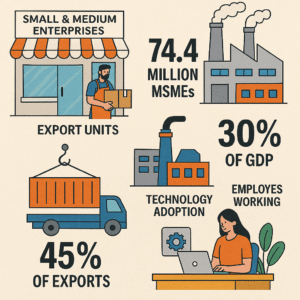
BSE operates a specialized platform for small and medium enterprises (SMEs) to raise capital. This SME segment allows smaller companies to access public markets with relaxed listing requirements. The platform charges listing fees and transaction fees.
Companies listed on the SME platform have lower paid-up capital requirements compared to the main board. Post-listing trading occurs in a separate segment with specific trading rules. Some SME listings eventually migrate to the main board.
The SME platform contributes to financial inclusion by providing capital access to smaller businesses. Trading volumes on this platform are generally lower than the main market. Investor participation includes retail and institutional categories.
Technology and Data Services
BSE provides market data feeds to brokers, traders, and financial information vendors. These data services generate subscription-based revenue. Real-time and historical market data products are offered at different price points.
Technology services include providing trading connectivity, testing environments, and other infrastructure services to market participants. The exchange also offers cloud-based solutions for back-office operations.
Indices calculation and maintenance is another service area. BSE operates numerous indices tracking different market segments. Index licensing fees are earned when these indices are used as underlying for derivatives or investment products.
Competitive Landscape: Exchange Market Dynamics
Market Share Considerations
In India’s equity market, trading volumes are distributed between BSE and NSE. NSE commands the larger share of cash equity trading volumes according to exchange statistics. BSE maintains significant presence in listings with over 5,000 listed companies.
Market share in derivatives is heavily concentrated. NSE’s derivatives segment handles the bulk of equity derivatives trading in India. BSE’s derivatives market share is comparatively smaller but the exchange continues operating this segment.
Competition between exchanges occurs across multiple dimensions including technology, pricing, product offerings, and service quality. Both exchanges are regulated entities operating under SEBI oversight.
Differentiation Strategies
Exchanges differentiate through specialized platforms and services. BSE’s SME platform represents one such differentiated offering. The exchange has also launched specific products for mutual fund trading and other asset classes.
Technology capabilities influence exchange competitiveness. Trading system speed, reliability, and capacity are important factors. Surveillance systems for market monitoring and risk management also constitute critical infrastructure.
Pricing structures vary between exchanges. Transaction charges, regulatory fees, and other levies affect the total cost of trading. Exchanges may adjust their fee structures to remain competitive.
Regulatory Environment for Exchanges
Stock exchanges in India require recognition from SEBI to operate. The Securities Contracts (Regulation) Act, 1956 provides the legal framework. Exchanges must comply with extensive regulatory requirements covering governance, operations, and risk management.
Corporate governance norms for exchanges include board composition requirements and independent director provisions. Public interest directors are mandated on exchange boards. Regulatory oversight committees monitor compliance.
Demutualization separated exchange ownership from trading rights. BSE and NSE are both demutualized entities with diversified shareholding. Strategic investors in exchanges are subject to SEBI approval and holding limits.
Macroeconomic Context: Market Environment Factors
Indian Capital Markets Overview
India’s capital markets have grown substantially over recent decades. Total market capitalization of listed companies exceeds $4 trillion according to exchange data. The number of demat accounts has increased significantly, indicating broader retail participation.
Foreign institutional investors (FIIs) and foreign portfolio investors (FPIs) are significant market participants. Regulatory frameworks govern foreign investment in Indian securities. FPI inflows and outflows affect market liquidity and price movements.
Domestic institutional investors including mutual funds, insurance companies, and pension funds represent another major category. Systematic investment plans (SIPs) have driven consistent mutual fund inflows. Institutional ownership levels vary across companies and sectors.
Economic Growth and Market Correlation
India’s GDP growth trajectory influences corporate earnings and market valuations. Economic indicators such as industrial production, services activity, and consumption patterns affect listed company performance. Central bank monetary policy impacts interest rates and liquidity conditions.
Inflation trends influence both economic policy and market sentiment. The Reserve Bank of India’s inflation targeting framework aims for price stability. Interest rate movements affect equity valuations through discount rate mechanisms.
Global economic conditions and geopolitical factors create external influences. India’s economy has linkages with global trade, capital flows, and commodity markets. Exchange rate movements between the rupee and major currencies affect various sectors differently.
Policy and Regulatory Developments
Government initiatives for financial inclusion expand market participation. Programs promoting digital payments and banking access have secondary effects on capital markets. Tax policies including capital gains treatment affect investor behavior.
SEBI regularly updates regulations governing securities markets. Recent years have seen reforms in areas such as corporate governance, disclosure requirements, and market infrastructure. These regulatory changes affect exchange operations and market participants.
Pension sector reforms and insurance penetration growth create long-term investor pools. Retirement savings channeled through pension funds represent stable capital for markets. Insurance companies deploy funds in equity and debt markets within regulatory limits.
Risk Factors: Evaluating Operational and Market Risks
Regulatory Risk
Stock exchanges operate in a heavily regulated environment. Changes in regulations can affect business operations and revenue streams. The recent derivatives expiry rule changes exemplify regulatory modifications that impact exchange operations.
Compliance costs for exchanges include technology investments, surveillance systems, and regulatory reporting. Non-compliance can result in penalties or operational restrictions. Maintaining regulatory approval is essential for continued operations.
Policy changes affecting market structure or trading practices can alter competitive dynamics. Regulatory decisions on matters such as market timings, product approvals, or fee structures have business implications.
Business and Revenue Risk
Exchange revenues depend on trading volumes and market activity. Declining volumes due to market conditions, tax changes, or competitive factors can reduce revenue. The derivatives segment historically contributed significantly to exchange revenues.
Concentration risk exists when revenue is heavily dependent on specific segments or products. Diversification across equity, derivatives, SME, and technology services helps mitigate this risk. New product development requires regulatory approvals and market acceptance.
Technology obsolescence risk requires continuous infrastructure investment. Trading systems must handle increasing volumes and speed requirements. Cybersecurity threats pose operational and reputational risks for exchanges.
Market Risk Factors
Broader equity market downturns affect trading volumes and investor participation. Bear markets typically see reduced trading activity compared to bull markets. Market volatility can increase during periods of uncertainty.
Systemic risks in the financial system can impact all market participants. Credit events, liquidity crises, or operational failures affecting major participants create contagion concerns. Exchange risk management frameworks aim to contain such risks.
Competition from alternative trading platforms or technological disruption represents strategic risks. International regulatory trends toward increased competition and transparent pricing may influence Indian market structure over time.
Valuation Considerations: Assessing Investment Metrics
Traditional Valuation Metrics
Price-to-earnings (P/E) ratio compares stock price to earnings per share. BSE’s P/E ratio can be calculated using current market price and reported earnings. Historical P/E ranges provide context for current valuation levels.
Price-to-book (P/B) ratio compares market price to book value per share. A P/B of 18.9 indicates the market values the company at a significant premium to book value. This reflects expectations of future profitability and intangible value.
Enterprise value to EBITDA (EV/EBITDA) is another metric used for valuation. This ratio considers the company’s debt and cash positions. Exchange businesses typically have low debt levels and generate strong cash flows.
Growth and Profitability Metrics
Revenue growth rates indicate business expansion. Quarterly revenue growth has shown variability based on market conditions. Sustained revenue growth requires volume increases or new revenue streams.
Profit margins indicate operational efficiency. High profit margins in exchange businesses reflect the scalability of technology infrastructure. Operating leverage allows incremental revenue to flow substantially to profits.
Return on equity (ROE) measures profitability relative to shareholder equity. High ROE indicates efficient capital utilization. Return on assets (ROA) measures profitability relative to total assets employed.
Comparative Valuation
Comparing valuation multiples with sector peers provides relative context. Other listed exchanges globally trade at varying valuation multiples. Differences reflect growth prospects, market positions, and regulatory environments.
Historical valuation ranges for BSE stock show periods of higher and lower multiples. Market cycles, company performance, and sector sentiment influence these variations. Long-term valuation trends can indicate market perception changes.
Technology and Innovation: Infrastructure Development
Trading System Architecture
Modern exchanges operate sophisticated trading systems handling millions of orders. Order matching algorithms ensure fair price discovery and efficient execution. System latency measured in microseconds affects competitive positioning.
Trading system capacity planning requires anticipating peak volumes. Systems must handle normal trading days and exceptional volume spikes. Disaster recovery and business continuity planning ensure operational resilience.
Market data dissemination systems provide real-time price and trade information. Low-latency data feeds serve algorithmic and high-frequency traders. Retail investors access delayed or consolidated data through various channels.
Surveillance and Risk Management
Market surveillance systems monitor trading activity for irregularities. Pattern recognition algorithms identify potential market manipulation or insider trading. Alert systems flag suspicious activities for investigation.
Risk management systems calculate margin requirements for derivatives positions. Real-time position monitoring ensures participants maintain adequate margins. Circuit breakers and price bands help control excessive volatility.
Clearing and settlement systems ensure trade finality. Exchanges work with clearing corporations to manage counterparty risk. Settlement cycles have shortened over time with T+1 settlement now implemented in Indian markets.
Future Technology Trends
Blockchain and distributed ledger technology are being explored for market infrastructure applications. Potential uses include settlement systems, securities depository, and corporate action processing. Pilot projects are underway in various jurisdictions.
Artificial intelligence and machine learning applications in surveillance and risk management are developing. These technologies can enhance pattern detection and anomaly identification. Regulatory technology (RegTech) helps automate compliance processes.
Cloud computing adoption offers scalability and cost benefits. Exchanges are evaluating cloud infrastructure for various applications. Data security and regulatory requirements influence cloud adoption decisions.
Investment Perspectives: Analytical Considerations
Long-term Sector Outlook
India’s capital markets are expected to grow with the economy. Increasing household financial savings and pension fund growth support long-term demand. Market depth and liquidity improvements attract international participants.
Financial market infrastructure companies benefit from market growth without direct credit risk. As essential market utilities, exchanges have relatively stable business models. Regulatory barriers to entry provide existing players with protected positions.
Digitalization of financial services expands market access. Mobile trading apps and online brokerage platforms have democratized market participation. Younger demographics show increasing interest in equity investment.
Factors Influencing Stock Performance
Company-specific factors include financial results, new product launches, and market share changes. Quarterly earnings announcements often trigger stock price movements. Management commentary on outlook influences investor expectations.
Sector-wide factors affect all exchanges and brokers. Regulatory changes, tax policy modifications, and market structure reforms impact the entire sector. Investor sentiment toward financial services affects valuation multiples.
Macroeconomic conditions influence investor risk appetite. Economic growth optimism supports market participation and trading volumes. Conversely, recession concerns can dampen activity and affect exchange revenues.
Analytical Tools and Resources
Company annual reports provide comprehensive financial and operational information. Management discussion and analysis sections offer insights into strategy and outlook. Corporate governance reports detail board composition and key committees.
Exchange websites publish trading statistics, listing information, and operational data. SEBI website contains regulatory circulars and policy documents. These official sources provide verified information for analysis.
Financial databases aggregate company data, stock prices, and analytical metrics. Regulatory filings include shareholding patterns, related party transactions, and material events. Analyst reports from research firms offer third-party perspectives.
Market Structure Developments: Evolution and Trends
Regulatory Evolution in Indian Markets
Indian securities markets have undergone significant regulatory development since the 1990s. SEBI’s establishment in 1992 brought professional regulation. Key reforms included demutualization, electronic trading, and derivatives introduction.
Screen-based trading replaced open outcry systems. Dematerialization of securities eliminated physical certificates. Rolling settlement replaced account period settlement, improving market efficiency.
Corporate governance reforms enhanced investor protection. Disclosure requirements, audit committee mandates, and independent director norms improved transparency. Insider trading regulations and takeover codes protect minority shareholder interests.
International Comparison
Global exchanges operate in diverse regulatory and market structures. Some countries have multiple competing exchanges while others have consolidated markets. Regulatory approaches range from self-regulation to government oversight.
Exchange consolidation has occurred globally through mergers and acquisitions. Technology platforms are sometimes shared across exchanges. Cross-border linkages enable international trading and capital flows.
Competition from alternative trading systems challenges traditional exchanges. Dark pools and electronic communication networks fragment liquidity in some markets. Regulatory responses to market structure changes vary by jurisdiction.
Future Market Structure Considerations
Ongoing discussions about market structure include topics such as tick sizes, maker-taker pricing, and market fragmentation. These debates affect exchange economics and market quality. Regulatory authorities balance innovation with investor protection.
Consolidation possibilities exist among market infrastructure entities. Vertical integration of exchanges, clearing, and depository functions can create efficiencies. Regulatory approvals and competition concerns influence such developments.
Conclusion: Summarizing Key Observations
BSE Limited operates as a significant component of India’s financial market infrastructure. The company’s recent financial results showed substantial year-on-year growth in both revenue and profitability for Q4 FY2024-25. These results reflect trading activity levels and operational performance during the period.
Regulatory changes implemented in September 2025 modified derivatives expiry schedules. BSE received Thursday as its designated expiry day under the new framework. The business implications of these changes will emerge through subsequent quarterly results and trading volume data.
The stock’s price performance in 2025 showed significant gains based on exchange data. Market capitalization increased substantially year-on-year. Various factors including financial results, regulatory developments, and sector trends influenced stock performance.
Investment decisions require comprehensive analysis of financial data, business prospects, and risk factors. Exchanges operate in a regulated environment with specific operational and competitive dynamics. Market participants should base decisions on verified information from official sources and professional financial advice.
Frequently Asked Questions (FAQs)
What financial results did BSE Limited report for Q4 FY2024-25?
BSE Limited reported consolidated net profit of ₹494.42 crores for Q4 FY2024-25 compared to ₹107.08 crores in Q4 FY2023-24, according to official exchange filings. Revenue from operations reached ₹846.64 crores versus ₹483.96 crores in the year-ago quarter. These figures reflect year-on-year growth in both revenue and profitability metrics.
The company’s full-year revenue stood at ₹3,443 crores with net profit of ₹1,596 crores. Market capitalization was approximately ₹83,679 crores based on exchange data. Financial performance is influenced by trading volumes, market conditions, and operational efficiency factors.
What are SEBI’s new derivatives expiry rules implemented in September 2025?
SEBI implemented standardized expiry day schedules for equity derivatives through its circular dated July 2024. Under these rules, NSE was assigned Tuesday as the expiry day while BSE received Thursday for equity derivative contracts. These changes apply to new contracts introduced from September 2025 onward.
Existing contracts trading before September 2025 continued with their original schedules. The regulatory objective was to standardize market practices and distribute expiry events across weekdays. This represents a significant modification to derivatives market structure in India.
How has BSE’s stock price performed in 2025?
BSE Limited’s stock showed an increase of approximately 38% during 2025 based on exchange closing price data. The stock was trading near ₹2,240 in early September 2025. The 52-week high reached ₹7,588 according to exchange records, indicating substantial intraday and intraweek volatility.
Market capitalization grew by 63.1% year-on-year reflecting both price appreciation and investor interest. Stock performance is influenced by company financial results, sector trends, regulatory developments, and broader market conditions. Trading volumes vary based on market activity and corporate announcements.
What are BSE Limited’s main revenue sources?
BSE operates multiple business segments generating revenue from different sources. Transaction fees from equity trading in the cash market constitute one revenue stream. Derivatives market operations including futures and options trading generate transaction-based fees.
Listing fees are charged to companies for initial listings and annual listing maintenance. The SME platform for small and medium enterprises provides another revenue source. Technology and data services including market data subscriptions contribute to overall revenues.
The diversification across segments helps reduce dependence on any single revenue source. Trading volumes and market activity levels directly influence transaction-based revenues.
How does BSE compare with NSE in the Indian exchange market?
NSE commands a larger share of equity cash market trading volumes according to exchange statistics. In derivatives markets, NSE handles the majority of equity derivatives trading in India. BSE maintains a significant presence in listings with over 5,000 listed companies compared to NSE’s listing count.
Both exchanges are regulated by SEBI and operate under similar regulatory frameworks. Competition occurs across technology, pricing, product offerings, and service quality. The recent derivatives expiry day assignments create differentiated schedules between the two exchanges.
Market participants can trade on both exchanges through their broker accounts. Price discovery occurs across both platforms with arbitrage mechanisms linking prices.
What risks should investors consider regarding BSE Limited stock?
Regulatory risk exists as exchanges operate in a heavily regulated environment. Changes in regulations, such as the recent derivatives expiry modifications, can affect business operations and revenue streams. Compliance requirements involve significant technology and operational investments.
Business risk includes dependence on trading volumes which fluctuate with market conditions. Revenue concentration in specific segments creates exposure to regulatory or competitive changes affecting those segments. Technology obsolescence requires continuous infrastructure investment.
Market risk factors include broader equity market downturns affecting trading activity. Competition from other exchanges or alternative trading platforms represents strategic risk. Investors should evaluate these factors alongside financial analysis when making investment decisions.
What is BSE Limited’s current market valuation?
BSE Limited has a market capitalization of approximately ₹83,679 crores based on current stock price and outstanding shares. The price-to-book ratio stands at approximately 18.9 times, indicating the market values the company at a substantial premium to book value.
Price-to-earnings ratios and other valuation multiples can be calculated using current market price and reported financial metrics. Valuation levels reflect market expectations regarding future growth, profitability, and competitive positioning. Historical valuation ranges provide context for current levels.
Comparative valuation analysis with sector peers and international exchanges offers additional perspective. Valuation metrics should be considered alongside financial performance, growth prospects, and risk factors.
What technology infrastructure does BSE operate?
BSE operates electronic trading systems that handle equity and derivatives trading. The exchange’s trading platform processes millions of orders daily with order matching algorithms ensuring efficient price discovery. System capacity and speed are critical performance parameters.
Market data dissemination systems provide real-time price and trade information to market participants. Surveillance systems monitor trading activity for irregularities and potential market manipulation. Risk management systems calculate margin requirements for derivatives positions.
The exchange continues investing in technology upgrades including potential adoption of newer technologies like blockchain and artificial intelligence for specific applications. Disaster recovery systems ensure business continuity during disruptions.
About the Author
Financial Content Analyst of Nueplanet
This analysis has been prepared by a financial content research team specializing in Indian capital markets and market infrastructure entities. Content is based on official company filings, regulatory announcements, exchange data, and verified public sources.
Our commitment is to provide factual, accurate, and transparent financial information. All data and statistics presented are sourced from official channels including stock exchange filings, SEBI circulars, company annual reports, and regulatory databases. We maintain independence in our analysis and do not provide investment recommendations.
Transparency Note: This article is intended for informational purposes only. Readers should conduct their own research and consult qualified financial advisors before making investment decisions. Past performance does not guarantee future results. Market conditions and company circumstances can change materially.
Sources and Verification:
- Company quarterly and annual financial statements filed with stock exchanges
- SEBI regulatory circulars and official notifications
- BSE Limited corporate announcements and disclosures
- Exchange trading data and market statistics
- Official government economic data releases
Content Standards: All content is fact-checked against official sources. Statements about company performance are based on filed financial reports. Regulatory information references official SEBI circulars. Market data is sourced from exchange records. This approach ensures accuracy and reliability of information presented.
About This Publication
Our goal is to provide factual, well-researched financial content to help readers understand market developments and company performance. We are committed to sourcing information from official and authoritative channels including regulatory filings, exchange data, and government releases.
Content verification is a priority. Statistics, financial data, and regulatory information are cross-checked against primary sources. We cite specific documents and data sources where applicable. Our editorial process emphasizes accuracy, transparency, and independence.
Readers should understand that financial markets involve risks and past performance does not indicate future results. This content is educational and informational in nature. Investment decisions should be based on individual circumstances, risk tolerance, and professional financial advice.
Editorial Standards:
- All financial data verified against official company filings
- Regulatory information sourced from SEBI and government releases
- Market statistics from exchange databases
- No promotional or sponsored content
- Clear distinction between factual reporting and analytical commentary
- Regular content updates to maintain accuracy
Disclaimer: This article is for informational and educational purposes only. It does not constitute investment advice, financial advice, trading advice, or any other advice. The information provided is based on publicly available sources and official filings as of the publication date. Readers should conduct independent research and consult qualified financial professionals before making investment decisions.
Helpful Resources
Conclusion
The BSE share price remains a key indicator of India’s financial market strength. While SEBI’s regulatory reforms may introduce short-term uncertainty, they also pave the way for a more stable and investor-friendly trading environment. For long-term investors, BSE continues to stand as a strong contender in India’s evolving capital market landscape.
Latest Posts
- Exide Share Price: Market Outlook and Key Growth Drivers
- Airtel Recharge Plan: Entry-Level Shakeup & What It Means for You
- Shreeji Shipping Global IPO GMP: Day 2 Updates and Subscription Status
- Railtel Share Price: Fresh Contract Wins Boost Market Sentiment
- Gem Aromatics IPO: Day 2 Updates and Subscription Status
Tag
BSE Share Price
Related Posts












Post Comment