









Apple Event 2025: What to Expect from Apple’s Latest Launch
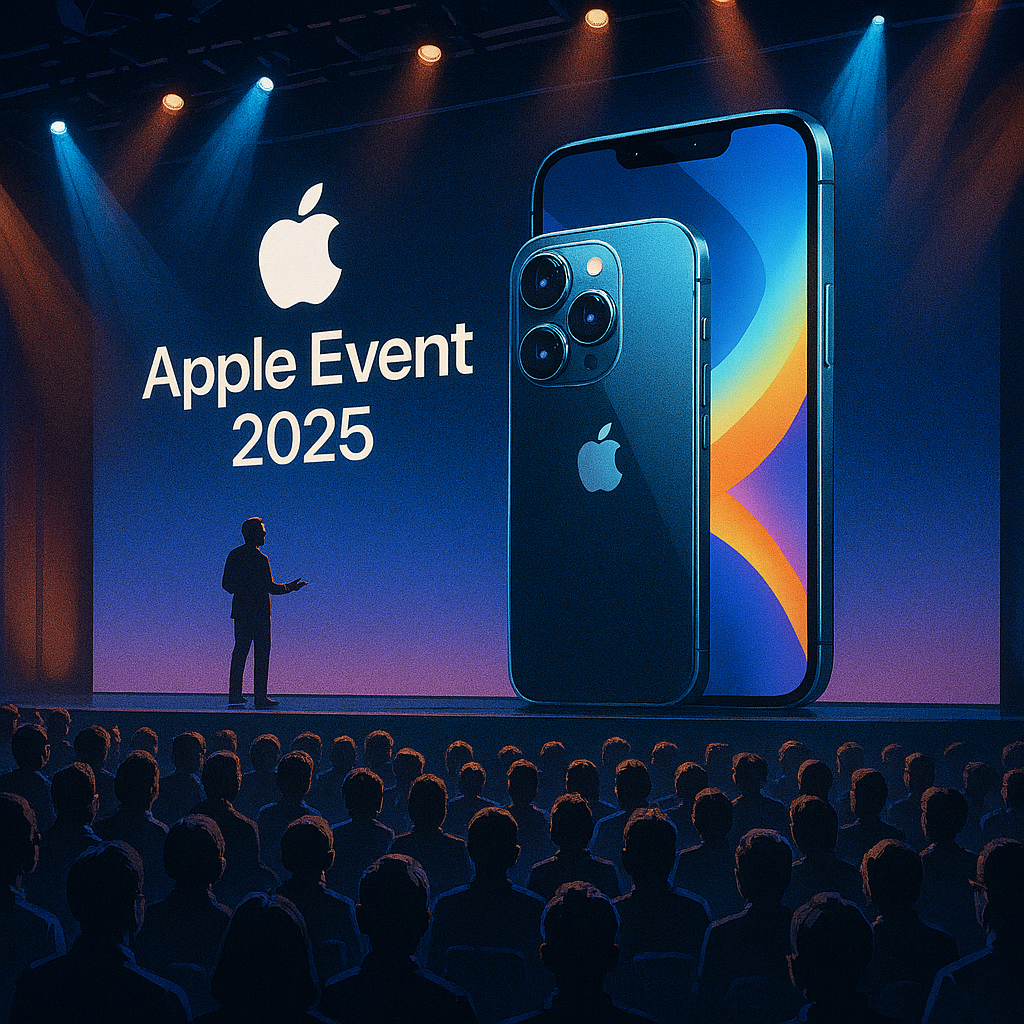
Apple continues to dominate the tech world with groundbreaking innovations. The Apple Event 2025 promises exciting announcements, including the anticipated iPhone 17.
Table of Contents
Apple Inc. has scheduled its annual product unveiling event for September 9, 2025, generating significant attention across the global technology sector. The event is expected to feature announcements regarding the company’s upcoming hardware and software releases, including the anticipated iPhone 17 series and iOS 19 operating system updates. Industry analysts and market observers are closely monitoring the event for insights into Apple’s strategic direction and product development priorities.
The September event represents a critical juncture for Apple’s fiscal year performance and competitive positioning in the smartphone market. According to industry data, Apple maintains approximately 18-20% of the global smartphone market share, competing directly with Samsung, Xiaomi, and other major manufacturers. The company’s product announcements traditionally influence consumer purchasing patterns, supply chain dynamics, and broader technology industry trends.
This comprehensive analysis examines the expected product announcements, technological developments, market context, competitive landscape, and potential business implications of the Apple Event 2025. The assessment draws on publicly available information from Apple’s official communications, industry analyst reports, and historical product launch data.
Historical Context of Apple Product Launch Events
Apple’s approach to product launches has evolved significantly since the company introduced the original iPhone in 2007. The annual September events have become focal points for the technology industry, generating substantial media coverage and consumer interest worldwide.
Evolution of Apple’s Product Launch Strategy
Apple established its current product launch cadence over multiple decades of operations. The company typically conducts major events in September for iPhone releases and spring events for additional product categories. This predictable schedule enables supply chain partners to coordinate production and allows retail channels to prepare for product availability.
Historical data indicates Apple’s September events consistently generate significant market impact. Following the iPhone 6 launch in 2014, Apple reported record quarterly revenue of $74.6 billion. The iPhone X introduction in 2017 drove the company’s market capitalization above $900 billion. These events demonstrate the substantial business implications of Apple’s product announcements.
The format of Apple events has transformed from modest press gatherings to elaborately produced presentations. Recent events have featured pre-recorded presentations broadcast globally, enabling simultaneous viewing across multiple time zones. This approach maximizes audience reach while maintaining production quality and message consistency.
Market Impact of Previous Launch Events
Apple’s product announcements influence multiple dimensions of the technology market. Supplier companies typically experience stock price movements based on anticipated component orders. Competitor manufacturers adjust product release timing and pricing strategies in response to Apple’s offerings. Retail channels modify inventory planning and promotional activities around Apple product launches.
The financial impact of successful launches extends throughout Apple’s fiscal quarters. The company’s revenue concentration in the iPhone product line means successful smartphone launches significantly affect quarterly financial performance. According to Apple’s SEC filings, iPhone sales have historically represented 50-60% of total company revenue during peak quarters.
Consumer behavior patterns demonstrate the sustained demand for Apple products during launch periods. Retail locations frequently experience lines of customers on release dates, while online ordering systems process substantial transaction volumes. This consistent demand reflects Apple’s brand loyalty and market positioning effectiveness.
Expected iPhone 17 Series Specifications and Features
The iPhone 17 series represents Apple’s anticipated flagship smartphone product for 2025. Industry analysts have published predictions regarding expected specifications, features, and positioning based on supply chain information and historical product development patterns.
Hardware Specifications and Technical Improvements
Reports from semiconductor industry sources suggest the iPhone 17 will incorporate Apple’s next-generation A19 processor chip. This system-on-chip is expected to utilize advanced 3-nanometer manufacturing processes, potentially offering improved processing efficiency and reduced power consumption compared to previous generations. Manufacturing partnerships with Taiwan Semiconductor Manufacturing Company (TSMC) enable these technological advancements.
Camera system enhancements represent a consistent focus area for iPhone development. Industry analysts predict the iPhone 17 Pro models may feature upgraded sensor technology and computational photography capabilities. Potential improvements include enhanced low-light performance, increased optical zoom capabilities, and advanced image processing algorithms. These developments address consumer demand for improved smartphone photography capabilities.
Battery technology represents another expected improvement area. Supply chain reports indicate Apple may incorporate higher energy density battery cells in the iPhone 17 series. Combined with processor efficiency improvements, these changes could extend device operating time between charges. Battery life consistently ranks among top consumer priorities in smartphone purchasing decisions.
Display technology may see incremental improvements with potential adoption of more efficient OLED panels. Some analyst reports suggest certain models might feature ProMotion display technology with adaptive refresh rates up to 120Hz. These specifications would align with Apple’s historical pattern of differentiating Pro model features from standard offerings.
Design Language and Physical Characteristics
Apple’s design philosophy traditionally emphasizes minimalist aesthetics and premium material selection. The iPhone 17 series is expected to continue this approach with potential refinements to chassis design and material composition. Industry speculation suggests possible incorporation of recycled materials as part of Apple’s environmental sustainability initiatives.
Physical dimensions and weight represent important considerations for consumer acceptance. Historical trends show Apple balancing screen size increases with device portability. The iPhone 17 series will likely maintain multiple size options to address varying consumer preferences, continuing the product segmentation strategy established in recent years.
Color options and finish quality serve as important differentiation factors in premium smartphone markets. Apple has historically offered multiple color variants for each iPhone generation, with Pro models featuring distinct finish options. Material choices typically include aerospace-grade aluminum for standard models and stainless steel or titanium for Pro variants.
Software Integration and iOS 19 Features
The iPhone 17 will launch with iOS 19, Apple’s next major operating system release. Software features represent crucial elements of the overall user experience and device capability. Apple’s vertical integration strategy enables tight hardware-software optimization not available to competitors using third-party operating systems.
Expected iOS 19 features may include enhanced artificial intelligence capabilities for improved voice recognition, predictive text input, and automated task management. Machine learning functionality enables personalized user experiences while maintaining Apple’s stated commitment to user privacy and on-device data processing.
Security and privacy features continue representing key differentiators for Apple’s platform. iOS 19 may introduce additional privacy controls, security protocols, and data protection measures. These capabilities address growing consumer concerns about digital privacy and data security in an increasingly connected technology environment.
Cross-device integration represents a core element of Apple’s ecosystem strategy. iOS 19 is expected to offer enhanced continuity features enabling seamless transitions between iPhone, iPad, Mac, and Apple Watch devices. This integration creates switching costs that reinforce customer retention within Apple’s product ecosystem.
iOS 19 Operating System: Expected Features and Capabilities
The iOS 19 operating system update represents a significant software release affecting hundreds of millions of existing iPhone users globally. Operating system updates provide Apple with opportunities to introduce new capabilities without hardware purchases, extending device useful life and improving user satisfaction.
User Interface Enhancements and Design Changes
Apple’s user interface design philosophy emphasizes simplicity, consistency, and intuitive interaction patterns. iOS 19 may introduce refinements to the existing interface design language while maintaining familiar interaction paradigms. Evolutionary rather than revolutionary changes typically characterize iOS updates, preserving user familiarity while incorporating improvements.
Customization options represent an area where iOS has historically offered less flexibility than competing platforms. iOS 19 might introduce additional personalization capabilities while maintaining Apple’s design standards. Widget functionality, home screen layout options, and control center configurations could see expanded customization possibilities.
Accessibility features consistently receive attention in iOS updates, reflecting Apple’s commitment to inclusive design. iOS 19 may incorporate additional assistive technologies supporting users with various accessibility requirements. These features demonstrate social responsibility while expanding addressable market segments.
Privacy and Security Framework Updates
Apple has positioned privacy as a core competitive differentiator, contrasting its approach with ad-supported business models of some competitors. iOS 19 is expected to introduce additional privacy controls and transparency features. These capabilities may include enhanced tracking prevention, improved permission management, and increased visibility into data collection practices.
Security architecture improvements typically accompany major iOS releases. Potential enhancements might include strengthened encryption protocols, improved secure enclave functionality, and additional biometric authentication options. These technical measures protect user data while maintaining system usability.
App Store review policies and privacy requirements influence the broader application ecosystem. iOS 19 may introduce additional requirements for third-party applications regarding data handling, permission requests, and privacy disclosures. These policies affect millions of applications and developers participating in Apple’s platform.
Artificial Intelligence and Machine Learning Integration
On-device machine learning represents a strategic focus area for Apple, enabling intelligent features while maintaining privacy commitments. iOS 19 may expand AI capabilities across various system functions including photography, voice interaction, predictive text input, and automated task management.
Computational photography features utilize machine learning algorithms to enhance image quality, enable advanced editing capabilities, and provide intelligent scene recognition. These features improve user-generated content quality without requiring technical photography knowledge.
Voice assistant capabilities through Siri represent another AI integration area. iOS 19 might introduce improved natural language understanding, enhanced contextual awareness, and expanded third-party integration capabilities. These improvements address competitive pressure from alternative voice assistant platforms.
Additional Product Category Updates Expected at Apple Event 2025
Beyond iPhone announcements, the Apple Event 2025 may feature updates to additional product categories within the company’s hardware portfolio. These announcements provide insights into Apple’s broader product strategy and market positioning across multiple device categories.
Mac Product Line Considerations
Apple’s transition to custom silicon processors across the Mac product line represents a multi-year strategic initiative. The Apple Event 2025 might include announcements regarding Mac models incorporating next-generation Apple Silicon processors. These updates would continue the performance and efficiency improvements demonstrated in initial Apple Silicon releases.
MacBook Pro models targeting professional users represent important revenue sources within the Mac category. Potential updates might include enhanced processing capabilities, improved display technology, and increased memory configurations. These specifications address demanding professional workflows in creative industries, software development, and technical applications.
The Mac product category contributes approximately 10% of Apple’s total revenue according to recent financial disclosures. While smaller than iPhone revenue, Mac sales represent an important component of Apple’s ecosystem strategy and serve crucial professional user segments.
iPad Portfolio Developments
The iPad product line spans multiple price points and use cases, from education-focused base models to professional-grade iPad Pro variants. The September event might include updates to iPad Air or entry-level iPad models, refreshing these products with current-generation processors and updated specifications.
Apple has positioned the iPad as a versatile computing device suitable for content consumption, creative work, and productivity applications. Software enhancements in iPadOS support this positioning with features like split-screen multitasking, Apple Pencil integration, and keyboard support.
Tablet market dynamics show declining overall unit sales in recent years, with Apple maintaining leading market position despite broader market contraction. iPad strategy focuses on premium positioning and ecosystem integration rather than volume market share pursuit.
Apple Watch and Wearables Category
The Apple Watch represents Apple’s most successful new product category introduction since the iPad. Wearables, Home, and Accessories category revenue exceeded $41 billion in Apple’s fiscal 2023, demonstrating substantial market acceptance.
Potential Apple Watch updates might include enhanced health monitoring capabilities, improved battery performance, and design refinements. Health features have become central to Apple Watch positioning, with capabilities including heart rate monitoring, ECG functionality, and fall detection.
Regulatory considerations affect health-related feature introduction, particularly for capabilities making medical claims. Apple navigates FDA approval processes and international regulatory requirements when introducing health monitoring features.
Competitive Landscape Analysis: Apple vs. Samsung vs. Emerging Players
Apple operates in highly competitive technology markets characterized by rapid innovation cycles and evolving consumer preferences. Understanding competitive dynamics provides context for evaluating Apple Event 2025 announcements and their market implications.
Samsung’s Market Position and Product Strategy
Samsung Electronics represents Apple’s primary global competitor in premium smartphone markets. The Korean manufacturer maintains vertical integration advantages through semiconductor manufacturing, display production, and component supply capabilities.
Samsung’s Galaxy S series competes directly with iPhone in premium market segments, while the Galaxy Z series foldable devices represent differentiated form factor innovation. Samsung’s diversified product portfolio spans wider price ranges than Apple’s focused premium positioning.
Market share data from IDC and Counterpoint Research consistently shows Samsung and Apple as the two leading smartphone manufacturers globally. Regional variations exist, with Apple maintaining stronger position in developed markets while Samsung achieves broader presence across diverse economic regions.
Chinese Manufacturers’ Growing Capabilities
Companies including Xiaomi, OPPO, and Vivo have expanded capabilities significantly in recent years. These manufacturers offer competitive specifications at lower price points, particularly in Asian markets. Technological capabilities have improved substantially, narrowing gaps with premium offerings.
Huawei’s reduced international presence following U.S. trade restrictions reshaped competitive dynamics in several markets. This situation created opportunities for other Chinese manufacturers while affecting global market share distributions.
Chinese manufacturers’ domestic market success provides scale advantages supporting research and development investments. Growing capabilities in camera technology, display quality, and processing performance challenge previous technical advantages of premium brands.
Platform Competition: iOS vs. Android Ecosystem
The broader competitive dynamic exists between Apple’s iOS platform and Google’s Android operating system. This platform competition encompasses hardware specifications, software capabilities, developer ecosystems, and user experience philosophies.
iOS maintains advantages in application revenue generation, with developers typically earning higher revenues on Apple’s platform compared to Android. This economic dynamic attracts developer attention and often results in iOS-first development priorities for new applications.
Android’s open licensing model enables manufacturer diversity and broader price range coverage. This approach generates larger total user base while fragmenting the platform across multiple device manufacturers and Android versions.
Switching costs between platforms create customer retention advantages for both ecosystems. Investment in platform-specific applications, cloud services, and accessories creates friction for platform migration.
Financial Performance Context and Business Implications
Apple’s financial performance provides important context for understanding the significance of product launch events. The company’s market capitalization exceeds $3 trillion as of 2025, making it among the world’s most valuable publicly traded corporations.
Revenue Composition and Product Category Performance
Apple’s most recent annual financial results show total revenue exceeding $380 billion with net income above $95 billion. These figures demonstrate the substantial scale of Apple’s operations and the financial significance of successful product launches.
iPhone revenue represents the largest single category, contributing approximately 50% of total company revenue. This concentration means iPhone product cycles significantly influence quarterly financial performance and investor sentiment.
Services revenue has grown to exceed $85 billion annually, representing Apple’s fastest-growing major category. This segment includes App Store revenues, Apple Music subscriptions, iCloud storage, Apple TV+, and other digital services. Services revenue growth reduces iPhone revenue concentration and provides recurring revenue streams.
Gross Margin Analysis and Profitability Metrics
Apple maintains industry-leading gross margins, typically ranging between 42-44% for overall operations. These margins reflect premium pricing, efficient operations, and vertical integration benefits. Gross margin performance indicates pricing power and operational efficiency.
Research and development expenses have increased substantially in recent years, reaching approximately $30 billion annually. This investment supports product development across multiple categories and technologies including artificial intelligence, augmented reality, and custom silicon design.
Operating margin performance remains robust at approximately 30%, demonstrating efficient expense management while funding substantial R&D and marketing investments. These metrics compare favorably to technology industry peers and support ongoing shareholder returns.
Capital Allocation and Shareholder Returns
Apple maintains a substantial capital return program including dividend payments and share repurchases. The company has returned hundreds of billions to shareholders through these mechanisms while maintaining strong balance sheet liquidity.
Cash position exceeds $150 billion, providing substantial financial flexibility for strategic investments, acquisitions, or increased shareholder returns. Conservative debt levels and strong cash generation support financial stability.
Dividend policy includes regular quarterly payments with periodic increases, providing income to shareholders while maintaining flexibility for investments. Share repurchase programs reduce outstanding share count, increasing earnings per share and demonstrating management confidence.
Supply Chain Dynamics and Manufacturing Considerations
Apple’s global supply chain represents a complex network of suppliers, manufacturers, and logistics providers. Understanding supply chain dynamics provides context for product availability, pricing considerations, and business risk factors.
Manufacturing Partnership Structure
Apple maintains assembly partnerships with Foxconn (Hon Hai Precision Industry) and other contract manufacturers primarily located in China and increasingly in India and Vietnam. These relationships enable large-scale production while allowing Apple to focus on design and engineering.
Component sourcing involves hundreds of suppliers providing specialized parts including semiconductors, displays, camera modules, and other components. TSMC manufactures Apple’s custom processors, Samsung and LG supply display panels, and numerous other specialized suppliers contribute specific components.
Supply chain diversification has increased following COVID-19 disruptions and geopolitical considerations. Apple has expanded iPhone manufacturing in India through Foxconn and other partners, reducing concentration in Chinese manufacturing facilities.
Inventory Management and Demand Forecasting
Apple’s inventory management balances component procurement lead times against demand uncertainty. Efficient inventory turnover minimizes working capital requirements while ensuring product availability during launch periods.
Pre-order systems provide demand signals enabling production adjustment before general availability. This approach reduces inventory risk while building launch momentum through visible demand indicators.
Seasonal demand patterns concentrate iPhone sales in September-December quarters following new model introductions. This seasonality creates supply chain challenges requiring careful production planning and logistics coordination.
Raw Material Sourcing and Sustainability Initiatives
Apple has established environmental goals including carbon neutrality across supply chain and product lifecycle by 2030. These commitments influence material sourcing, manufacturing processes, and product design decisions.
Recycled material utilization has increased, with recent products incorporating recycled aluminum, rare earth elements, and other materials. The company’s Daisy robot disassembles iPhones for component recovery and material recycling.
Responsible sourcing programs address supply chain social and environmental practices. Apple publishes annual supplier responsibility reports documenting auditing activities and corrective action programs addressing labor practices, environmental compliance, and ethical sourcing.
Market Segmentation Strategy and Consumer Demographics
Apple’s market segmentation approach targets premium consumer segments while expanding addressable markets through varied pricing within product lines. Understanding target demographics provides context for product positioning and feature priorities.
Geographic Market Considerations
The Americas represent Apple’s largest geographic segment, generating approximately 40% of total revenue. This region includes the United States, Apple’s largest single country market, plus Canada and Latin American countries.
Europe contributes approximately 25% of revenue across diverse country markets with varying economic conditions and competitive dynamics. Regulatory environment in Europe includes privacy regulations, antitrust scrutiny, and consumer protection requirements affecting business operations.
Greater China represents both significant opportunity and notable risk factor. The region contributes approximately 20% of revenue but faces competitive pressure from domestic Chinese manufacturers and geopolitical considerations affecting business operations.
Demographic Targeting and Positioning
Apple’s brand positioning emphasizes premium quality, design excellence, and user experience. This positioning targets consumers willing to pay premium prices for perceived superior products and services.
Age demographics show strong representation among younger consumers with higher digital engagement. Students and young professionals represent important segments for ecosystem establishment and long-term customer lifetime value.
Income demographics skew toward higher-income consumers in most markets, reflecting premium pricing strategies. However, trade-in programs, financing options, and older model availability expand accessibility to broader income segments.
Enterprise and Education Market Segments
Enterprise adoption of Apple products has increased substantially, particularly iPads and MacBooks in corporate environments. Enterprise mobility management solutions and security features support business deployment.
Education represents a strategic focus area with specialized programs, pricing, and products targeting institutional purchases. iPad adoption in educational settings creates early ecosystem exposure potentially influencing long-term consumer preferences.
Professional creative markets historically represented core Apple constituencies. Video production, graphic design, music production, and other creative professionals utilize Mac products extensively, supporting premium pricing and specialized features.
Environmental and Social Responsibility Initiatives
Apple’s corporate responsibility programs address environmental sustainability, supply chain labor practices, and social impact initiatives. These programs respond to stakeholder expectations while potentially creating competitive differentiation.
Carbon Neutrality Goals and Progress
Apple announced goals to achieve carbon neutrality across entire business, manufacturing supply chain, and product lifecycle by 2030. This ambitious target requires substantial operational changes and supplier engagement.
Progress toward these goals includes transitioning to 100% renewable energy for corporate operations, increasing recycled material usage, and improving product energy efficiency. Annual environmental progress reports document metrics and initiatives.
Product lifecycle assessment methodologies calculate environmental impact from manufacturing through usage and disposal. These assessments identify improvement opportunities and support design decisions reducing environmental footprint.
Supplier Responsibility Programs
Annual supplier audits evaluate compliance with Apple’s Supplier Code of Conduct addressing labor rights, workplace safety, environmental practices, and ethical business conduct. Audit results inform corrective action programs and supplier relationship decisions.
Education and training programs support supplier capability development in areas including management systems, worker rights, and environmental management. These investments aim to create systemic improvements beyond basic compliance.
Transparency reporting includes publishing supplier lists and responsibility reports documenting program activities. This disclosure responds to stakeholder demands for supply chain visibility while potentially creating competitive pressure on industry peers.
Accessibility and Inclusive Design
Accessibility features integrated across Apple products address diverse user needs including vision, hearing, mobility, and cognitive considerations. VoiceOver screen reader, hearing aid compatibility, switch control, and numerous other features support inclusive access.
Design philosophy treats accessibility as core requirement rather than afterthought accommodation. This approach integrates accessibility considerations throughout development processes rather than addressing requirements through later modifications.
Educational resources and developer tools support third-party application accessibility. App Store review processes evaluate accessibility implementation, creating platform-wide standards benefiting all users.
Investment Considerations and Stock Market Implications
Apple Inc. trades on NASDAQ under ticker symbol AAPL, with market capitalization exceeding $3 trillion. The company represents a major component of technology indices including NASDAQ-100 and S&P 500, meaning performance affects broad market indices and retirement portfolios.
Analyst Estimates and Price Targets
Equity research analysts from major financial institutions publish regular reports evaluating Apple’s business performance, competitive position, and financial prospects. Consensus estimates provide aggregate view of analyst expectations regarding future performance.
Price targets represent analyst assessments of appropriate stock valuation based on financial models, comparable company analysis, and business outlook. Wide distribution of price targets reflects analytical uncertainty and varying assumptions about future performance.
Earnings per share estimates for upcoming quarters provide benchmarks against which actual results are evaluated. Exceeding or missing consensus estimates typically generates stock price movements as markets adjust valuations based on performance data.
Valuation Metrics and Historical Comparisons
Price-to-earnings ratios provide valuation perspective relative to earnings generation. Apple’s P/E ratio has varied substantially over time, reflecting changing growth expectations, market conditions, and investor sentiment.
Comparison to technology sector peers and broader market indices contextualizes valuation levels. Apple’s premium valuation relative to some peers reflects market recognition of brand strength, ecosystem advantages, and financial performance.
Historical valuation analysis shows substantial multiple expansion during periods of strong growth and innovation. Current valuation levels reflect accumulated confidence in business model durability and competitive positioning.
Dividend Yield and Total Return Analysis
Dividend yield currently approximates 0.5%, lower than many mature companies but consistent with moderate-growth technology companies balancing returns to shareholders with investment requirements.
Total return analysis combining share price appreciation and dividend payments shows substantial value creation over various time horizons. Long-term shareholders have realized significant returns through Apple’s growth and capital return programs.
Risk factors affecting investment returns include competitive dynamics, technological disruption, regulatory challenges, and macroeconomic conditions. These considerations inform investment decision-making and portfolio allocation.
Regulatory Environment and Policy Considerations
Apple operates in complex regulatory environment spanning antitrust scrutiny, privacy regulations, content moderation requirements, and international trade policies. Regulatory developments affect business operations and strategic flexibility.
Antitrust Investigations and App Store Policies
Multiple jurisdictions including the United States, European Union, and other countries have initiated antitrust investigations examining App Store policies, payment processing requirements, and competitive practices.
App Store commission rates of 30% for most transactions (15% for qualifying small businesses) have drawn scrutiny from regulators and criticism from some developers. Alternative payment processing and app distribution mechanisms represent key policy questions.
Regulatory outcomes could require business model changes affecting services revenue and platform control. Settlement agreements, consent decrees, or legislative requirements might mandate policy modifications.
Privacy Regulation Compliance
General Data Protection Regulation (GDPR) in Europe establishes comprehensive privacy requirements affecting data collection, processing, storage, and transfer. Compliance requires substantial operational processes and technical controls.
California Consumer Privacy Act (CCPA) and similar state-level regulations create patchwork compliance requirements in the United States. Federal privacy legislation remains under consideration but not yet enacted.
Privacy positioning as competitive differentiator aligns with compliance requirements, potentially creating strategic advantage from regulatory obligations. Privacy features supporting compliance simultaneously serve marketing positioning.
International Trade and Tariff Considerations
United States-China trade relationship affects Apple’s supply chain operations and market access. Tariff policies, export controls, and investment restrictions create operational challenges and strategic considerations.
Manufacturing location decisions reflect tariff considerations, labor costs, logistics efficiency, and risk management. Geographic diversification reduces concentration risk while potentially increasing operational complexity.
Future Technology Development Directions
Apple’s research and development activities provide indicators of future product directions and capability development. While the company maintains significant secrecy regarding development projects, certain technology areas demonstrate clear strategic focus.
Augmented Reality and Virtual Reality Platforms
Apple’s Vision Pro headset, announced in 2023, represents entry into spatial computing market. This product category combines virtual reality and augmented reality capabilities through mixed reality approach.
Developer tools including ARKit enable augmented reality application development for existing iOS devices. This platform development creates content ecosystem potentially supporting future hardware products.
Investment in spatial computing reflects belief in long-term market potential despite current limited adoption. Patient approach allows technology maturation and market development before mainstream positioning.
Artificial Intelligence Capabilities Expansion
Machine learning integration across products and services represents ongoing development priority. On-device processing approach aligns with privacy positioning while enabling intelligent features.
Natural language processing improvements enhance Siri capabilities, text input, and content understanding. Computer vision advances support photography features, accessibility capabilities, and augmented reality applications.
AI chip development including Neural Engine components in Apple Silicon demonstrates hardware investment supporting AI capabilities. This vertical integration enables optimization unavailable to competitors using general-purpose processors.
Health Technology and Medical Device Development
Apple Watch health features have expanded from fitness tracking to medical-grade capabilities including ECG and blood oxygen monitoring. Regulatory approvals enable marketing health-related claims for these features.
Research partnerships with medical institutions and health organizations support feature development and clinical validation. Published research studies document health impacts and clinical utility of Apple Watch features.
Future health capabilities might include non-invasive glucose monitoring, blood pressure measurement, and additional diagnostic capabilities. Regulatory pathways and clinical validation requirements affect development timelines.
Automotive Technology Initiatives
Apple’s automotive project, subject of industry speculation for years, represents potential major new product category. Limited public information exists regarding development status, technical approach, or commercialization timeline.
CarPlay integration provides current automotive presence, connecting iPhone capabilities with vehicle infotainment systems. Enhanced CarPlay capabilities announced for future vehicles expand functionality and screen presence.
Full autonomous vehicle development would represent substantial undertaking requiring capabilities beyond Apple’s current expertise. Partnership structures or acquisition strategies might support market entry.
Consumer Guidance for Product Purchase Decisions
Consumers evaluating Apple products benefit from systematic assessment of requirements, budget parameters, and value considerations. Informed purchasing decisions account for multiple factors beyond initial product specifications.
Timing Considerations for Purchase Decisions
Product purchase timing affects pricing, feature availability, and device longevity. Buying immediately following new releases provides maximum feature currency and longest useful life before next upgrade.
Waiting for post-launch reviews provides additional information regarding real-world performance, quality issues, and user satisfaction. Early adoption risks include potential hardware defects or software bugs requiring subsequent updates.
Refurbished products through Apple’s certified refurbished program offer cost savings with warranty coverage. These options provide value for budget-conscious consumers willing to accept previous-generation products.
Trade-In and Upgrade Programs
Apple’s trade-in program provides credit for existing devices toward new purchases. Trade-in values depend on device model, condition, and market demand. This option simplifies device disposal while offsetting upgrade costs.
Carrier upgrade programs through wireless providers offer alternative financing and upgrade pathways. Comparing program terms including monthly payments, upgrade timing, and total cost determines optimal approach.
iPhone Upgrade Program combines device financing with AppleCare+ coverage and annual upgrade eligibility. This approach suits consumers preferring latest devices with support coverage included.
Ecosystem Considerations and Long-Term Value
Apple product value extends beyond individual device specifications to ecosystem integration benefits. Seamless connectivity between iPhone, Mac, iPad, Apple Watch, and other devices creates user experience advantages.
Investment in application purchases, media content, and cloud services creates switching costs favoring continued Apple product usage. Platform migration would require replacing accumulated digital investments.
Longevity of software support affects device useful life and long-term value. Apple typically provides iOS updates for 5-6 years following device release, extending usability compared to some Android devices receiving shorter support periods.
Media Coverage and Information Sources
Apple Event 2025 will generate extensive media coverage from technology publications, financial news outlets, and general interest media. Evaluating information sources helps consumers identify reliable information.
Official Apple Communications
Apple’s official website, investor relations materials, and press releases provide authoritative information regarding product specifications, availability, and company statements. These sources represent primary information directly from the company.
Apple’s newsroom publishes press releases coinciding with major announcements. Investor relations section provides financial data, SEC filings, and management presentations. Support documentation offers technical specifications and compatibility information.
Technology News Publications
Established technology publications including The Verge, TechCrunch, Ars Technica, and others provide detailed coverage combining official information with editorial analysis. These outlets typically attend Apple events and publish comprehensive coverage.
Review publications conduct detailed testing of announced products following release. Professional reviews evaluate performance, image quality, battery life, and real-world usage scenarios. These assessments supplement marketing materials with independent evaluation.
Financial News and Business Analysis
Financial news outlets including Bloomberg, Reuters, CNBC, and Wall Street Journal cover Apple from business and investment perspectives. Coverage emphasizes market implications, competitive positioning, and financial performance rather than detailed product specifications.
Equity research reports from investment banks and research firms provide detailed financial analysis, competitive assessment, and valuation opinions. These reports typically require brokerage relationships for access.
Frequently Asked Questions
When is the Apple Event 2025 scheduled to take place?
Apple has officially announced the Apple Event 2025 for September 9, 2025. The company typically conducts its major fall product announcements during the first half of September, maintaining a consistent annual schedule. The event will be broadcast from Apple’s headquarters in Cupertino, California, and streamed globally through Apple’s website and YouTube channel. Specific timing typically begins at 10:00 AM Pacific Time (1:00 PM Eastern Time), allowing simultaneous viewing across global time zones.
What are the expected specifications for the iPhone 17 series?
Industry analysts predict the iPhone 17 will feature Apple’s next-generation A19 processor utilizing advanced 3-nanometer manufacturing technology. Expected improvements include enhanced camera systems with upgraded sensors, improved low-light performance, and advanced computational photography capabilities. Battery technology may incorporate higher energy density cells for extended operating time. Display specifications might include ProMotion technology with adaptive refresh rates up to 120Hz on Pro models. Design elements are expected to emphasize recycled materials supporting Apple’s environmental sustainability goals. Official specifications will be confirmed during the September 9 event.
Will iOS 19 be available for existing iPhone models?
Apple typically provides iOS updates for iPhone models released within the previous 5-6 years. Based on historical patterns, iOS 19 will likely support iPhone models from iPhone 12 and newer, potentially including iPhone 11 depending on performance considerations. Exact compatibility will be announced during the event with public release typically occurring shortly after new iPhone availability. Beta versions usually become available to developers immediately following announcement, with public beta access in subsequent weeks. Older devices not receiving iOS 19 will continue functioning with their current operating systems but will not receive new features.
How does Apple’s pricing typically compare to competitor smartphones?
Apple maintains premium pricing positioning in the smartphone market, with iPhone models typically priced higher than many Android competitors with comparable technical specifications. Current iPhone 15 Pro models start at $999, while standard iPhone 15 begins at $799. Competitor flagship devices from Samsung’s Galaxy S series maintain similar pricing, while Chinese manufacturers including Xiaomi and OPPO offer competitive specifications at lower price points. Apple’s pricing reflects brand positioning, ecosystem integration, software support duration, and retained value in secondary markets. Financing options through Apple and carriers make premium pricing more accessible through monthly payment structures.
What other product categories might receive updates at the Apple Event 2025?
Beyond iPhone announcements, the September event may include updates to Apple Watch models with enhanced health monitoring capabilities and design refinements. Potential AirPods updates could feature improved audio quality, active noise cancellation enhancements, or new form factors. Mac product line updates might include MacBook Pro models with next-generation Apple Silicon processors, though Mac announcements sometimes occur at separate October events. iPad refreshes could include updated iPad Air or standard iPad models with current-generation processors. Specific product announcements remain subject to Apple’s discretion and will be confirmed during the event.
How can consumers watch the Apple Event 2025 live?
Apple streams its events live through multiple platforms for global accessibility. The primary viewing option is Apple’s official website at apple.com/apple-events/, which provides high-quality streaming with synchronized closed captioning. Apple’s YouTube channel offers alternative streaming access compatible with various devices. Apple TV app includes events section for viewing on Apple TV hardware, smart TVs, and streaming devices. The event will be available for on-demand viewing following the live broadcast for those unable to watch in real-time. No registration or subscription is required for event viewing.
What is Apple’s typical product availability timeline following announcements?
Historical patterns show Apple typically makes announced iPhone models available for pre-order within days following the event, usually the Friday after the Tuesday announcement. General retail availability commonly occurs one week after pre-order opening, approximately two weeks post-announcement. Initial availability focuses on primary markets including United States, United Kingdom, China, Japan, and select other countries. Subsequent launch waves expand availability to additional markets over following weeks. Supply constraints during launch periods can result in delivery delays for popular models and configurations. Apple’s website and retail stores provide availability information and estimated delivery times.
How do Apple’s environmental initiatives affect product design and materials?
Apple has established carbon neutrality goals across its entire business, manufacturing supply chain, and product lifecycle by 2030. These commitments influence material selection with increased recycled aluminum, rare earth elements, and other recovered materials. Product packaging has transitioned to fiber-based materials, eliminating plastic wrap from many products. Energy efficiency improvements reduce operating power consumption and environmental impact during product usage. Manufacturing partners must meet renewable energy requirements and environmental standards. Product design emphasizes longevity and repairability, extending device useful life and reducing replacement frequency. Annual environmental progress reports document metrics and initiatives toward stated goals.
About the Author
Nueplanet
Senior Technology Industry Analyst
Nueplanet is a technology industry analyst specializing in consumer electronics markets, mobile technology trends, and corporate strategy analysis. With the years of experience covering the technology sector, [he/she/they] provides fact-based reporting and analysis based on official company disclosures, regulatory filings, and verified industry data.
Nueplanet commitment to accurate, transparent reporting emphasizes official sources including SEC filings, company press releases, TRAI regulatory data, and established industry research firms.
This analysis draws exclusively on publicly available information and does not constitute investment advice, product endorsement, or promotional content. The goal is providing comprehensive, factual information enabling informed decision-making by readers.
Disclosure: No financial relationships exist with companies discussed in this article.
Article Metadata:
Published: August 26, 2025
Last Updated: August 26, 2025
Category: Technology Business News
Disclaimer: This article provides factual analysis based on publicly available information including company announcements, industry analyst reports, and historical data. Product specifications, features, pricing, and availability are subject to change and should be verified through Apple’s official channels before making purchase decisions. This content does not constitute investment advice, financial recommendations, or product endorsements. Readers should conduct independent research and consult appropriate professionals before making financial or purchasing decisions.
Sources: Information compiled from Apple Inc. official communications, SEC filings, technology industry analyst reports, market research data from IDC and Counterpoint Research, and historical product launch data. All financial data references Apple’s public disclosures in quarterly earnings reports and annual 10-K filings available through SEC EDGAR database
Enhanced Product Ecosystem Integration Strategy
Apple’s competitive advantage increasingly derives from ecosystem integration rather than individual product superiority. The Apple Event 2025 announcements will likely emphasize cross-device functionality, unified services, and seamless user experiences spanning multiple hardware categories.
Continuity Features and Cross-Device Functionality
Continuity features enable task transitions between devices without interruption. Universal Clipboard allows content copying on one device and pasting on another. Handoff permits starting activities on one device and continuing on another seamlessly. These capabilities require users to own multiple Apple devices, creating ecosystem lock-in effects.
AirDrop file transfer functionality operates across iPhone, iPad, and Mac devices using proximity-based wireless transmission. This feature eliminates need for email attachments or cloud uploads for device-to-device transfers. User familiarity with these convenience features creates friction when considering non-Apple alternatives.
iCloud integration synchronizes data, photos, documents, and settings across all devices linked to an Apple ID. This cloud infrastructure ensures consistent experiences and reduces manual data management requirements. Storage subscription services generate recurring revenue while strengthening ecosystem retention.
Family Sharing and Multi-User Scenarios
Family Sharing functionality allows up to six family members to share App Store purchases, Apple Music subscriptions, iCloud storage, and other services. This feature reduces per-person costs while maintaining individual accounts and privacy. Implementation encourages household-wide Apple ecosystem adoption.
Purchase sharing applies to applications, music, movies, books, and in-app purchases where developers permit family access. Shared photo albums and calendars facilitate family coordination. Location sharing enables family members to view each other’s positions with privacy controls.
Parental controls through Screen Time features allow supervision of children’s device usage. Content restrictions, app limits, and communication controls support parental oversight while maintaining appropriate child independence. These family-oriented features address important consumer segments.
Enterprise Device Management and Business Features
Apple Business Manager provides centralized device deployment and management for organizations. IT administrators can configure devices, distribute applications, and enforce security policies through mobile device management (MDM) solutions. Enterprise deployment has expanded significantly as businesses adopt iOS devices.
Security features including hardware-based encryption, secure boot processes, and biometric authentication meet enterprise security requirements. Regular security updates and lengthy support periods reduce organizational vulnerability windows. These capabilities address corporate IT concerns about mobile device security.
Productivity application compatibility through Microsoft Office, Google Workspace, and numerous enterprise applications enables business workflow integration. Native productivity applications including Pages, Numbers, and Keynote provide alternatives to Microsoft Office for basic business needs.
Pricing Strategy Analysis Across Product Lines
Apple’s pricing strategy reflects premium positioning while maintaining price points that appeal to target demographics. Understanding pricing architecture provides insights into market segmentation and revenue optimization approaches.
iPhone Pricing Tiers and Value Differentiation
Historical iPhone pricing shows Apple maintains multiple price tiers simultaneously through current and previous generation products. When iPhone 17 launches, iPhone 16 and potentially iPhone 15 will remain available at reduced prices. This strategy provides entry points while encouraging premium purchases.
Current pricing architecture shows iPhone 15 Pro Max starting at $1,199, iPhone 15 Pro at $999, iPhone 15 Plus at $899, and standard iPhone 15 at $799. This $400 price range between lowest and highest models accommodates varied budgets while maximizing revenue capture across segments.
Storage capacity pricing represents significant margin opportunity. Base storage tiers start at 128GB or 256GB depending on model, with upgrades to 512GB and 1TB available at substantial premiums. Storage upgrade margins likely exceed base device margins significantly, incentivizing higher-capacity purchases.
Geographic Pricing Variations and Currency Considerations
International pricing reflects currency exchange rates, import duties, value-added taxes, and local market conditions. Identical iPhone models cost different amounts across countries even after accounting for tax differences. These variations respond to local purchasing power and competitive dynamics.
European pricing includes VAT typically ranging from 19-25% depending on country, substantially increasing retail prices compared to US tax-exclusive pricing. This creates perception of higher international pricing even when accounting for tax methodology differences.
Emerging market pricing strategies sometimes include locally-manufactured devices qualifying for reduced import duties. iPhone manufacturing expansion in India enables price reductions in that market by avoiding import tariffs. Local production also addresses government preferences for domestic manufacturing.
Services Pricing and Subscription Revenue Models
Apple Music costs $10.99 monthly for individual plans, $16.99 for family plans, and offers student discounts at $5.99 monthly. This pricing competes directly with Spotify while offering Apple ecosystem integration advantages. Family plan economics encourage multi-user subscriptions.
iCloud+ storage pricing starts at $0.99 monthly for 50GB, $2.99 for 200GB, and $9.99 for 2TB. Higher tiers include additional features like iCloud Private Relay and HomeKit Secure Video support. Storage subscriptions generate predictable recurring revenue with minimal incremental costs.
Apple TV+ maintains competitive pricing at $9.99 monthly compared to other streaming services. Lower content production volumes compared to Netflix or Disney+ enable aggressive pricing while building subscriber base. Bundling in Apple One subscription packages improves value proposition.
Apple One bundles combine multiple services at discounted rates. Individual plans start at $19.95 monthly including Music, TV+, Arcade, and iCloud storage. Family and Premier tiers add increased storage, News+, and Fitness+ at higher price points. Bundling increases total subscriber spending while reducing churn.
Manufacturing Quality Control and Product Reliability
Apple’s reputation for product quality and reliability represents crucial competitive advantages. Quality control processes throughout manufacturing and testing phases ensure products meet specifications and customer expectations.
Supplier Quality Management Programs
Apple maintains rigorous supplier qualification and monitoring processes. Potential suppliers undergo extensive audits evaluating manufacturing capabilities, quality systems, and process controls. Only suppliers meeting Apple’s standards receive production orders.
In-process quality inspections at supplier facilities identify defects before final assembly. Apple employees and third-party quality auditors conduct regular inspections verifying adherence to specifications. Statistical process control methodologies identify trends before defects reach significant volumes.
Component testing verifies electrical, mechanical, and environmental specifications. Accelerated life testing subjects components to extreme conditions exceeding normal usage to identify potential reliability issues. These procedures reduce field failure rates and warranty costs.
Final Assembly Testing and Validation
Each iPhone undergoes comprehensive functional testing before packaging. Automated test equipment verifies all features including wireless connectivity, camera functionality, touch screen responsiveness, and sensor operation. Devices failing any test criteria do not proceed to retail channels.
Environmental stress screening exposes sample devices to temperature cycling, vibration, and other environmental conditions. This testing identifies potential reliability issues before mass production. Sample testing balances cost considerations against quality assurance benefits.
Cosmetic inspection verifies visual appearance meets standards for premium products. Automated vision systems and human inspectors examine finish quality, color consistency, and absence of defects. Apple’s quality standards exceed many competitors’ specifications reflecting premium positioning.
Warranty Programs and Post-Sale Support
Standard one-year limited warranty covers manufacturing defects and hardware failures under normal usage conditions. This warranty demonstrates confidence in product reliability while providing consumer protection. Extended warranty purchases through AppleCare+ represent additional revenue opportunities.
AppleCare+ extends warranty coverage to two or three years while adding accidental damage protection. Monthly and upfront payment options provide purchase flexibility. Pricing varies by device with iPhone AppleCare+ costing $9.99 monthly or $199-$269 upfront depending on model.
Service network includes Apple retail stores, authorized service providers, and mail-in repair options. Same-day screen repairs and next-day device replacements in major markets minimize customer downtime. Service quality contributes to overall brand perception and customer satisfaction.
Content and Media Ecosystem Development
Apple has invested substantially in content services transforming from hardware-focused company to integrated hardware-software-services provider. Content ecosystem development supports device sales while generating recurring revenue streams.
Apple TV+ Original Content Strategy
Apple TV+ launched in November 2019 with original programming strategy eschewing licensed content libraries. This approach differentiates from competitors while avoiding expensive content licensing fees. Production quality emphasizes prestige programming and awards recognition.
Notable productions include Ted Lasso, The Morning Show, Severance, and Foundation among numerous other series and films. Awards success including Emmy and Academy Award wins validates quality strategy. Celebrity talent and established creators provide programming credibility.
Content investment reportedly exceeds $1 billion annually for original productions. This spending level remains lower than Netflix or Disney+ but focuses on quality over quantity. Selective content strategy aims for cultural impact and subscriber attraction rather than comprehensive libraries.
Apple Music and Audio Content Services
Apple Music boasts over 100 million subscribers globally according to recent disclosures. This positions the service as second-largest music streaming platform after Spotify’s approximately 200 million subscribers. Integration with Apple devices provides competitive advantages.
Exclusive content and early releases provide differentiation from competing platforms. Artist partnerships and promotional activities support content acquisition and marketing. Spatial audio with Dolby Atmos and lossless audio quality serve audiophile segments.
Podcast integration within Apple Podcasts application provides content discovery and listening experiences. Apple Podcasts Subscriptions enable creators to offer premium content for monthly fees. Apple retains commission on subscription revenues while expanding content ecosystem.
Apple Arcade Gaming Service
Apple Arcade subscription provides access to over 200 games without advertisements or in-app purchases. The $6.99 monthly cost positions gaming as affordable addition to Apple’s services portfolio. Cross-device play enables starting games on iPhone and continuing on iPad or Apple TV.
Exclusive titles developed specifically for Apple Arcade differentiate from games available on alternative platforms. Financial arrangements with developers guarantee revenue independent of play time or popularity metrics. This model encourages creative risk-taking by developers.
Gaming content spans casual puzzle games to sophisticated adventures and strategy titles. Curation focuses on quality and gameplay innovation rather than maximizing title count. Family-friendly content without predatory monetization appeals to parents concerned about children’s gaming experiences.
News and Magazine Content Aggregation
Apple News+ aggregates content from hundreds of magazines and news publications for $12.99 monthly. Participating publishers include Wall Street Journal, Los Angeles Times, and numerous magazine titles. Revenue sharing arrangements provide publishers with compensation based on subscriber engagement.
Personalized news feeds use machine learning to surface relevant content based on reading history and preferences. Privacy-focused approach processes recommendations on-device rather than uploading reading behavior to cloud servers. This methodology aligns with Apple’s privacy positioning.
Publisher participation decisions balance incremental revenue opportunities against concerns about reduced direct subscription conversions. Some major publishers including New York Times have declined participation, limiting News+ content comprehensiveness. Service availability remains limited to handful of countries due to publisher relationship requirements.
Retail Strategy and Customer Experience
Apple’s retail operations represent distinctive competitive advantages combining product sales, customer education, and technical support in unified physical and digital environments.
Apple Store Physical Retail Locations
Apple operates over 500 retail stores globally in premium locations including high-traffic shopping districts and upscale shopping centers. Store design emphasizes open layouts, natural materials, and large glass facades creating inviting atmospheres. Architectural investments exceed typical retail construction costs reflecting brand positioning.
Genius Bar and Today at Apple programs provide post-purchase support and educational workshops. Technical support without appointments costs nothing for basic assistance, while complex repairs may require fees or AppleCare coverage. Educational sessions cover photography, music creation, coding, and other topics.
Store staffing emphasizes customer service and product knowledge rather than aggressive sales tactics. Employee training programs develop expertise across product lines. Compensation includes competitive wages, benefits, and equity programs reducing turnover common in retail sectors.
Online Sales and Digital Commerce
Apple’s website provides comprehensive product information, configuration options, and direct purchasing capabilities. Online sales eliminate retail overhead while maintaining brand control and customer relationships. Digital commerce has grown substantially, particularly following COVID-19 pandemic behavioral changes.
Product customization options for Mac and iPad enable configuration selection before purchase. Storage capacity, color, and specification choices generate higher transaction values than base configurations. Real-time inventory visibility and delivery date transparency inform purchasing decisions.
Trade-in programs integrate into purchase flows, providing instant credit toward new device purchases. Financing options through Apple Card monthly installments remove upfront payment barriers. These purchase facilitation mechanisms increase conversion rates and average transaction values.
Authorized Reseller and Carrier Partnerships
Wireless carrier partnerships in each market provide additional distribution channels reaching customers through existing telecommunications relationships. Carrier retail locations, websites, and sales representatives offer Apple products alongside Android alternatives. Exclusive launch partnerships sometimes provide carriers with early access.
Third-party authorized resellers expand distribution beyond Apple-controlled channels. These partners must meet Apple’s training, inventory, and customer service standards. Authorized status provides legitimacy and access to Apple marketing resources while enabling Apple to serve additional geographic markets.
Premium resellers including Best Buy in United States maintain dedicated Apple sections staffed by specially trained employees. These shop-in-shop formats provide Apple-like experiences within broader electronics retailers. Partnership arrangements balance Apple’s quality control requirements against reseller operations.
Privacy and Data Security Architecture
Privacy positioning has become central to Apple’s brand differentiation, contrasting its approach with advertising-funded business models of some competitors. Technical architecture and policy decisions support privacy commitments.
On-Device Data Processing Approach
Apple emphasizes on-device machine learning and data processing rather than cloud-based analysis. Face ID facial recognition processing occurs entirely on device using secure enclave. Photos application face recognition and scene detection similarly operate locally without uploading images to servers.
This architectural approach maintains user privacy while enabling intelligent features. Processing power requirements on devices increase due to local computation, driving hardware specifications and processor design priorities. Privacy benefits justify additional technical complexity and power consumption.
Differential privacy techniques enable Apple to gather aggregate usage statistics without identifying individual users. Mathematical noise injection prevents reverse-engineering of individual data while preserving statistical validity of aggregate information. This methodology supports product improvement without compromising user privacy.
App Tracking Transparency Framework
App Tracking Transparency (ATT) requirements introduced in iOS 14.5 mandate explicit user permission before applications can track behavior across other companies’ apps and websites. This policy change significantly impacted digital advertising industry and generated criticism from companies relying on behavioral tracking.
Implementation requires applications to display system-provided permission dialogs before accessing device advertising identifiers. Users can grant or deny permission, with default being no tracking without explicit approval. Enforcement through App Store review processes ensures compliance.
Industry impact analysis shows majority of users deny tracking permission when offered explicit choice. This behavioral data validates privacy concerns and supports Apple’s positioning. Advertising industry adaptation includes developing alternative targeting methodologies and measurement approaches.
Secure Enclave and Biometric Authentication
Secure Enclave represents dedicated secure subsystem within Apple’s processors storing biometric data and cryptographic keys. Face ID and Touch ID biometric information never leaves Secure Enclave, preventing access by operating system or applications. This hardware-based security provides protection against software exploits.
Biometric authentication replaces passwords for device unlocking, payment authorization, and application access. User convenience encourages adoption while improving security compared to weak or reused passwords. False accept rates for Face ID approximate one in one million according to Apple’s specifications.
Encryption keys stored in Secure Enclave protect data on lost or stolen devices. Device erasure after multiple failed authentication attempts prevents brute force attacks. End-to-end encryption for iMessages and FaceTime ensures only intended recipients can access communications.
Developer Ecosystem and App Store Economics
The App Store ecosystem encompasses millions of developers creating applications for Apple platforms. This developer community represents crucial competitive moat while generating substantial services revenue for Apple.
App Store Revenue Model and Commission Structure
Apple charges 30% commission on application sales and in-app purchases for most developers. Small Business Program reduces commission to 15% for developers earning less than $1 million annually. This two-tier structure addresses criticism about commission levels while maintaining revenue from large developers.
Subscription revenue commission decreases to 15% after first year for retained subscribers. This incentivizes subscription-based monetization and rewards developer success at customer retention. Subscription models provide recurring revenue stability for developers and Apple.
App Store revenue totaled approximately $85 billion in consumer spending during 2023 according to industry estimates. Apple’s commission on this activity generates substantial services revenue reported in quarterly financial results. Developer payments exceed $300 billion cumulative since App Store launch in 2008.
Development Tools and Platform Support
Xcode development environment provides integrated tools for creating iOS, iPadOS, macOS, watchOS, and tvOS applications. Free availability encourages developer participation and reduces barriers to entry. Regular updates coincide with new OS releases, providing APIs for latest platform capabilities.
Swift programming language introduced by Apple offers modern syntax and safety features compared to Objective-C predecessor. Open source licensing enables community participation in language development. Growing popularity among developers increases available talent pool.
TestFlight beta testing platform enables developers to distribute pre-release applications to up to 10,000 testers. This functionality supports quality assurance before public release. Apple’s integration of testing infrastructure reduces development friction and costs.
Developer Relations and Community Engagement
Worldwide Developers Conference (WWDC) annual event provides platform for announcing new APIs, developer tools, and platform capabilities. Thousands of developers attend in-person while millions watch online. Educational sessions, labs, and networking opportunities support developer community.
Developer forums, documentation, and technical support resources assist with platform questions and development challenges. App Store review guidelines documentation clarifies submission requirements and content policies. Developer support programs provide different service levels based on developer status.
Swift Student Challenge and entrepreneur programs support emerging developers from diverse backgrounds. These initiatives address diversity goals while expanding developer community. Scholarship programs reduce financial barriers to developer program participation.
Competitive Response Strategies from Rivals
Apple’s product announcements and strategic moves generate responsive actions from competitors seeking to maintain market position. Analyzing competitive responses provides market dynamics context.
Samsung’s Innovation Initiatives
Samsung consistently announces flagship Galaxy S series devices in first quarter preceding iPhone launches by several months. This timing provides temporary feature advantages before Apple’s annual iPhone refresh. Galaxy S24 series features included advanced AI capabilities and camera enhancements.
Foldable devices represent Samsung’s major product differentiation area where Apple currently lacks offerings. Galaxy Z Fold and Z Flip series demonstrate alternative form factors and use cases. Technical challenges including durability, cost, and application optimization remain ongoing.
Component supply advantages through Samsung’s semiconductor and display businesses enable cost efficiencies and technology integration. Vertical integration parallels Apple’s strategy while leveraging different manufacturing capabilities. Screen technology often debuts in Samsung devices before appearing in competitor products.
Google’s Android Platform Development
Android OS updates introduce capabilities competing with iOS features. Material Design visual language provides consistent cross-device experiences. Google services integration including Assistant, Photos, and Maps leverage cloud infrastructure and data advantages.
Pixel smartphone series represents Google’s direct iPhone competitor featuring pure Android experiences and early access to latest OS features. Computational photography leadership demonstrates software capabilities compensating for hardware specifications. Market share remains limited despite critical acclaim.
Google Play Store policy changes sometimes follow Apple’s App Store modifications. Privacy features, commission structures, and content policies evolve partially in response to Apple’s moves and regulatory pressures. Platform competition influences policy development bidirectionally.
Chinese Manufacturers’ Market Strategies
Xiaomi, OPPO, Vivo, and other Chinese manufacturers compete aggressively in Asian markets with sophisticated devices at accessible price points. Technical capabilities have improved substantially, narrowing gaps with premium brands in many specifications.
Offline retail expansion in tier-2 and tier-3 cities reaches consumers beyond online sales channels. Physical presence enables product trials and immediate purchase gratification. Retail investments parallel Apple’s store strategy adapted for different economic contexts.
MIUI, ColorOS, and other customized Android experiences provide differentiated software despite shared Android foundations. Feature richness and localization address regional preferences. Update policies have improved though typically remain shorter than Apple’s support duration.
Conclusion and Market Outlook
The Apple Event 2025 represents a significant milestone in the company’s ongoing product evolution and competitive positioning. Expected announcements including iPhone 17, iOS 19, and potential updates to other product categories will influence consumer purchasing decisions, competitive dynamics, and investor sentiment throughout coming quarters.
Apple’s strategic focus on ecosystem integration, services revenue growth, and premium positioning appears sustainable based on current market conditions and competitive landscape. The company’s financial strength, brand equity, and technological capabilities provide substantial competitive advantages despite intensifying competition across multiple product categories.
Consumers evaluating Apple products should assess individual requirements, budget parameters, and long-term ecosystem considerations. The premium pricing reflects quality, support duration, and integrated experiences but may not justify costs for all users. Alternative platforms offer competitive capabilities at varied price points.
Market observers should monitor several key factors following the event including initial demand indicators through pre-order data, competitive responses from Samsung and other manufacturers, supply chain execution affecting product availability, and financial results in subsequent quarters reflecting product cycle performance.
The telecommunications and technology sectors continue evolving rapidly with artificial intelligence integration, 5G network expansion, and emerging technologies creating ongoing transformation. Apple’s ability to navigate these transitions while maintaining profitability and market position will significantly influence long-term business performance and shareholder returns.
Helpful Resources
Latest Posts
Tag
Apple Event
Related Posts













Post Comment