









Andy Jassy: Charting Amazon’s “Hardcore Culture Reset” in the AI Era
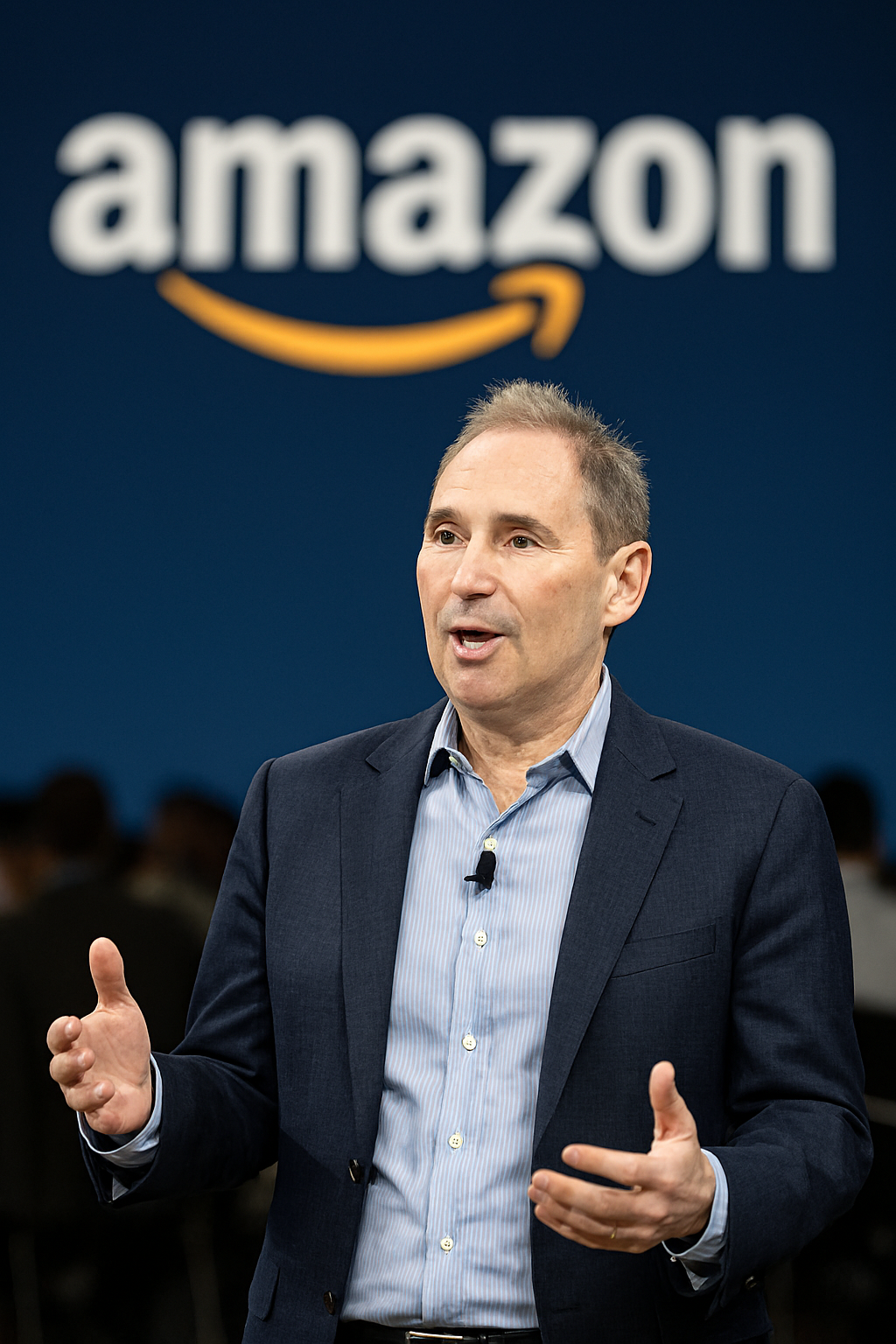
Amazon CEO Andy Jassy is driving a cultural reset at the tech giant, blending cost discipline with AI-led transformation. His leadership reflects a shift back to Amazon’s frugal “Day 1” roots, with strict policies shaping the future of work.
Table of Contents
Introduction to Amazon’s Leadership Transition
Amazon, the global e-commerce and cloud computing leader with a market capitalization exceeding $1.5 trillion, has undergone significant organizational transformation since Andy Jassy assumed the role of Chief Executive Officer in July 2021. This transition marked a pivotal moment for the company, as Jassy succeeded founder Jeff Bezos during a period of unprecedented challenges and opportunities in the technology sector.
The leadership change came at a critical juncture for Amazon, which employs over 1.5 million people worldwide and operates across diverse business segments including e-commerce, cloud infrastructure, digital advertising, and artificial intelligence. Understanding Jassy’s strategic approach provides valuable insights into how large technology corporations adapt to evolving market conditions, competitive pressures, and workforce dynamics in the post-pandemic era.
This analysis examines the specific policies, strategic decisions, and operational changes implemented under Jassy’s leadership. It evaluates the measurable outcomes of these initiatives and considers their implications for Amazon’s competitive positioning, employee relations, and long-term business trajectory. The information presented draws from official company communications, financial disclosures, and verified business reporting to provide an accurate assessment of Amazon’s organizational evolution.
Background: Andy Jassy’s Path to Amazon’s Leadership
Professional Experience Before CEO Role
Andy Jassy joined Amazon in 1997, nearly two decades before assuming the CEO position. During his tenure at the company, he played an instrumental role in conceptualizing and building Amazon Web Services (AWS), which has become one of the company’s most profitable divisions. His extensive experience in cloud computing and enterprise technology services provided the foundation for his broader leadership responsibilities.
As CEO of AWS from 2003 to 2021, Jassy demonstrated the ability to build and scale a business segment that now generates substantial revenue and profit margins. AWS established Amazon’s presence in enterprise technology markets and created new competitive dynamics in cloud infrastructure services. This track record of execution and innovation positioned Jassy as the logical successor when Bezos decided to transition to the Executive Chairman role.
Strategic Context of the Transition
The timing of Jassy’s appointment reflected Amazon’s need to address specific operational challenges that emerged during and after the COVID-19 pandemic. The company experienced rapid expansion between 2020 and 2021, adding over 500,000 employees to support increased demand for e-commerce and cloud services. This accelerated growth created integration challenges and raised questions about organizational efficiency.
The transition also coincided with intensifying competition in key business segments. Cloud computing rivals Microsoft and Google increased their market investments, while e-commerce competitors enhanced their logistics capabilities. Additionally, emerging artificial intelligence technologies created both opportunities and competitive threats that required strategic attention and resource allocation.
Recent Policy Implementations Under Jassy’s Leadership
Workplace Policy Changes
Return-to-Office Requirements
In 2024, Amazon implemented a policy requiring most corporate employees to work from physical office locations five days per week. This decision represented a departure from hybrid work arrangements that had become common across the technology industry following the pandemic. The policy applied to employees in major corporate offices, though certain roles with specific operational requirements received different guidelines.
According to company communications, the rationale for this policy centered on collaboration effectiveness, decision-making speed, and cultural cohesion. Amazon’s leadership stated that in-person work facilitates spontaneous interactions, accelerates problem-solving, and strengthens connections between team members. The policy generated considerable discussion within the technology industry regarding optimal work arrangements for knowledge workers.
Implementation of the return-to-office mandate occurred in phases, with clear communication timelines provided to affected employees. The company established specific expectations for office attendance while acknowledging that certain circumstances might require temporary flexibility. This approach aimed to balance operational requirements with practical considerations affecting employee work arrangements.
Device Usage and Cost Management
In September 2025, Amazon introduced a policy regarding company-issued mobile devices that requires employees to document personal usage patterns. Under this system, employees report the percentage of device usage allocated to personal activities versus business purposes. Monthly reimbursements, standardized at $50, are adjusted proportionally based on reported personal usage percentages.
This policy reflects a focus on cost accountability and resource optimization. By implementing granular tracking of device usage, Amazon seeks to align expense reimbursements with actual business requirements. The policy also reinforces broader organizational principles regarding ownership mentality and resource stewardship, encouraging employees to consider the cost implications of company-provided benefits.
The implementation included clear guidelines for reporting procedures and reimbursement calculations. Employees received training materials explaining the policy requirements and the methodological approach for determining usage percentages. Amazon indicated that the policy aims to promote conscious decision-making about resource utilization rather than primarily serving as a cost-reduction measure.
Organizational Structure Modifications
Management Layer Reduction
Amazon has systematically reduced middle management positions to create flatter organizational hierarchies. This restructuring initiative aims to eliminate decision-making bottlenecks and reduce the time required to move projects from concept to execution. By decreasing the number of management layers, Amazon seeks to restore characteristics of smaller, more agile organizations despite its substantial scale.
The reduction in management layers affects decision-making authority and accountability distribution across the organization. Teams operating with fewer hierarchical levels must develop processes that enable effective coordination without extensive approval chains. This structural change requires adjustments in communication patterns, delegation practices, and performance assessment methodologies.
Financial disclosures indicate that Amazon reduced its workforce by over 27,000 positions during 2022 and 2023, with significant portions of these reductions affecting management and administrative roles. These workforce adjustments occurred alongside continued hiring in strategic areas such as artificial intelligence, cloud infrastructure, and logistics optimization. The selective approach to workforce management reflects prioritization of high-value activities and operational efficiency.
Process Efficiency Initiatives
Amazon established a “bureaucracy mailbox” system that allows employees to anonymously report processes, procedures, or approval requirements they consider unnecessary or inefficient. This feedback mechanism serves as a tool for identifying opportunities to streamline operations and eliminate activities that do not contribute meaningful value.
According to company communications, the bureaucracy mailbox initiative has generated hundreds of actionable suggestions leading to process modifications or eliminations. Examples include simplified approval workflows, consolidated reporting requirements, and elimination of redundant meetings. The system operates continuously, allowing ongoing identification and correction of inefficient practices.
This initiative demonstrates a systematic approach to operational improvement that leverages employee expertise and front-line observations. By creating a formal channel for efficiency feedback, Amazon seeks to maintain organizational agility as it scales. The anonymous reporting mechanism encourages participation without concerns about professional consequences for challenging established procedures.
Performance Management Evolution
Enhanced Evaluation Systems
Amazon has modified its performance evaluation processes to emphasize stronger connections between individual performance and the company’s 16 leadership principles. These principles, which include concepts such as customer obsession, ownership, frugality, and bias for action, serve as behavioral standards guiding employee decisions and actions across all organizational levels.
The enhanced evaluation system establishes clearer expectations regarding how employees demonstrate leadership principles in their daily work. Performance assessments now include more specific criteria for evaluating principle adherence, with outcomes affecting compensation decisions, promotion opportunities, and continued employment. This approach aims to ensure cultural alignment and reinforce desired behaviors throughout the organization.
Implementation of stricter performance standards has coincided with documentation of productivity improvements across various departments. Internal metrics tracking project completion rates, decision-making timelines, and resource utilization efficiency show positive trends following the evaluation system changes. These outcomes support the hypothesis that clearly defined expectations and rigorous assessment processes contribute to enhanced organizational performance.
Strategic Rationale Behind Policy Changes
Post-Pandemic Organizational Challenges
The rapid workforce expansion during 2020 and 2021 created integration challenges that affected Amazon’s organizational culture. New employees joining during remote work periods had limited exposure to established practices, behavioral norms, and informal knowledge-sharing mechanisms that typically occur in physical work environments. This situation raised concerns about cultural cohesion and operational consistency.
Traditional onboarding processes, mentorship relationships, and skill development pathways became less effective when conducted remotely. The reduced informal interactions between experienced and newer employees limited the transmission of tacit knowledge about problem-solving approaches, decision-making frameworks, and customer-centric thinking. These factors contributed to concerns about maintaining Amazon’s distinctive operational culture.
Leadership assessment of post-pandemic organizational dynamics revealed increased bureaucracy, slower decision-making, and reduced accountability in certain areas. These observations informed the strategic rationale for policy changes designed to restore previous levels of operational discipline, execution speed, and ownership mentality. The policies reflect an attempt to address cultural dilution resulting from rapid expansion under unusual circumstances.
Competitive Dynamics in Technology Markets
The technology sector has experienced significant competitive shifts driven by artificial intelligence advancement, cloud computing maturation, and changing enterprise customer requirements. Companies including Microsoft, Google, Alphabet, and newer entrants have increased investments in AI infrastructure, application development, and enterprise services. These competitive pressures require Amazon to maintain operational efficiency while investing in strategic capabilities.
Cloud computing, Amazon’s highest-margin business segment, faces intensifying competition despite AWS maintaining market leadership. Microsoft Azure has gained enterprise customer share through integration with productivity software and aggressive pricing strategies. Google Cloud Platform has enhanced its technical capabilities and enterprise service offerings. This competitive environment necessitates continued innovation and cost discipline to maintain profitable growth.
E-commerce markets have also evolved with traditional retailers enhancing digital capabilities and specialized online competitors emerging in specific product categories. Amazon’s response requires balancing investments in logistics infrastructure, technology capabilities, and customer experience enhancement while maintaining financial performance. Strategic focus on high-return activities becomes essential given these multifaceted competitive challenges.
Financial Performance Considerations
Amazon’s financial results during 2022 and 2023 revealed areas requiring management attention. Revenue growth rates decelerated from pandemic-era levels as consumer spending patterns normalized. Operating margins in certain business segments faced pressure from increased logistics costs, competitive investments, and economic uncertainty. These financial trends generated investor expectations for improved efficiency and disciplined capital allocation.
The company’s stock price performance during this period underperformed broader technology indices, reflecting market concerns about growth sustainability and profitability. Investor communications emphasized the importance of demonstrating operational discipline, strategic focus, and ability to generate improving financial returns. These external pressures reinforced internal motivations for organizational restructuring and policy modifications.
Financial metrics disclosed in quarterly earnings reports indicate improvement trends following implementation of efficiency initiatives. Operating income has increased as a percentage of revenue, demonstrating enhanced cost management. Profit per employee metrics show substantial improvement, suggesting that workforce optimization efforts have generated intended outcomes. These financial results provide evidence supporting the strategic rationale for organizational changes.
Measurable Outcomes and Performance Indicators
Financial Performance Metrics
Stock Price and Market Valuation
Amazon’s stock price has appreciated over 30% during the past 12 months, outperforming major technology sector indices. This appreciation reflects investor confidence in the company’s strategic direction, operational improvements, and competitive positioning. Market valuation increases suggest that capital markets view Jassy’s policy implementations positively and expect continued financial performance enhancement.
The stock price improvement occurred alongside broader market volatility and economic uncertainty, indicating that company-specific factors contributed significantly to valuation gains. Analyst reports cite operational efficiency improvements, AWS growth sustainability, and artificial intelligence capabilities as key factors supporting positive investment outlooks. These assessments align with strategic priorities emphasized in Amazon’s leadership communications.
Market capitalization exceeding $1.5 trillion positions Amazon among the world’s most valuable companies. This valuation reflects expectations for continued revenue growth, margin improvement, and strategic execution across diverse business segments. Maintaining this valuation requires delivering on operational commitments and demonstrating sustained competitive advantages in core markets.
Profitability and Efficiency Metrics
Profit per employee reached approximately $44,100 annually, representing a fivefold increase from 2022 baseline levels. This metric demonstrates improved workforce productivity and operational efficiency. The calculation divides net income by total employee count, providing a standardized measure of how effectively the organization converts human capital into financial returns.
The substantial improvement in profit per employee resulted from multiple factors including workforce optimization, process automation, elimination of low-return activities, and revenue growth in high-margin business segments. AWS revenue expansion contributed significantly to this metric given the division’s superior profitability compared to retail operations. The metric serves as a comprehensive indicator of organizational efficiency improvements.
Operating margin expansion has occurred across multiple business segments, though AWS continues generating the highest margins. Retail operations have improved efficiency through logistics optimization, inventory management enhancements, and procurement strategies. Advertising services have scaled effectively, contributing incremental high-margin revenue. These segment-level improvements demonstrate broad-based operational discipline.
AWS Performance and Market Position
Amazon Web Services continues leading the cloud infrastructure market with estimated market share exceeding 30%. Revenue growth rates for AWS have remained robust despite the division’s substantial scale, indicating continued enterprise customer adoption and expansion of existing deployments. The division’s financial performance validates Jassy’s historical leadership and ongoing strategic prioritization.
AWS profitability significantly exceeds corporate average margins, generating substantial cash flows that support investments in other business areas. The division’s operating income contribution to consolidated results has grown both in absolute terms and as a percentage of total company operating income. This financial profile underscores AWS’s strategic importance to Amazon’s overall business model.
Competitive dynamics in cloud infrastructure require continuous innovation and customer service excellence. AWS has maintained market leadership through comprehensive service offerings, global infrastructure expansion, and integration of emerging technologies including artificial intelligence and machine learning. The division’s ability to sustain growth while defending market share demonstrates execution effectiveness.
Operational Efficiency Indicators
Decision-Making Speed
Internal assessments indicate that project approval timelines have decreased by approximately 40% compared to pre-restructuring baselines. This improvement reflects reduced management layers, streamlined approval processes, and enhanced decision-making authority distribution. Faster decision-making enables more rapid responses to market opportunities and competitive threats.
The acceleration in decision-making has not resulted in measurably higher error rates or poor strategic choices based on available performance data. This outcome suggests that flatter organizational structures can maintain decision quality while improving speed. The combination of faster execution and maintained quality represents an optimal outcome for organizational restructuring initiatives.
Teams report greater autonomy and clearer accountability for outcomes under modified organizational structures. This enhanced ownership correlation with results has strengthened motivation and performance focus. Employees operating with increased decision-making authority demonstrate stronger engagement with business outcomes and strategic objectives.
Resource Allocation Efficiency
Departments consistently deliver projects within allocated budgets while maintaining quality standards according to internal performance tracking. This outcome indicates improved cost consciousness and resource stewardship across organizational levels. Enhanced budget discipline stems from cultural emphasis on ownership thinking and accountability for financial results.
The phone usage policy, while specific in application, symbolizes broader cultural shifts toward granular cost awareness. By implementing detailed tracking of relatively small expenses, Amazon reinforces expectations that all resources require justification and careful management. This mindset applied systematically across the organization generates cumulative efficiency gains.
Resource reallocation from non-strategic activities to high-priority initiatives has improved capital efficiency. Amazon has discontinued or reduced investments in experimental projects lacking clear paths to profitability while increasing commitments to artificial intelligence, cloud infrastructure, and logistics capabilities. This disciplined allocation approach optimizes returns on invested capital.
Customer Experience Metrics
Customer satisfaction indicators have remained stable throughout organizational restructuring initiatives, suggesting that internal operational changes have not negatively affected external service delivery. Metrics including delivery performance, product availability, customer service responsiveness, and problem resolution effectiveness show consistent or improving trends.
This stability in customer-facing performance during significant internal change demonstrates organizational capacity to manage transformation without compromising core value delivery. The ability to simultaneously improve internal efficiency and maintain customer experience represents sophisticated execution of complex change management.
AWS customer retention rates and expansion patterns indicate sustained satisfaction with service quality, reliability, and technical capabilities. Enterprise customers continue expanding their cloud infrastructure commitments with AWS, suggesting confidence in the platform’s strategic value and operational performance. These behavioral indicators validate service quality maintenance during organizational evolution.
Employee Impact and Workforce Dynamics
Retention Patterns and Talent Quality
Employee retention data reveals differentiated patterns across performance levels and employee segments. Higher-performing individuals, as measured by performance evaluations and productivity metrics, have generally remained with the company and demonstrated positive responses to increased accountability standards. This retention pattern suggests that enhanced performance expectations appeal to employees seeking challenging, meritocratic environments.
Some employee departures have occurred in response to policy changes, particularly regarding return-to-office requirements and intensified performance evaluations. However, overall talent quality metrics, including average performance ratings and productivity measurements for remaining employees, have remained stable or improved. This outcome indicates that departures have not significantly eroded organizational capabilities.
Hiring processes now emphasize cultural fit and alignment with Amazon’s leadership principles more explicitly than in previous periods. Recruitment communications clearly articulate performance expectations, accountability standards, and work environment characteristics. This transparency in talent acquisition helps ensure that new employees understand and accept organizational culture before joining.
Productivity Measurements
Individual output metrics show consistent improvement across multiple departments following policy implementations. Productivity measurements, adjusted for complexity and quality, indicate that employees are accomplishing more work within similar timeframes. These improvements validate hypotheses that clearer expectations, enhanced accountability, and optimized organizational structures contribute to performance gains.
Team-level productivity has also improved as measured by project completion rates, milestone achievement, and deliverable quality assessments. Collaborative efficiency appears to have benefited from return-to-office policies, supporting leadership assertions about in-person work advantages. However, isolating the specific contribution of individual policy changes versus overall cultural shifts remains methodologically challenging.
Technology-enabled productivity enhancements contribute to measured improvements alongside policy changes. Amazon’s investments in artificial intelligence, automation, and workflow optimization tools provide employees with enhanced capabilities for accomplishing routine tasks. The interaction between technological tools and organizational policies creates compounding productivity effects.
Workforce Composition Changes
Amazon’s total employee count has decreased from peak pandemic levels while strategic hiring continues in specific technical areas. This selective approach to workforce management reflects prioritization of high-value skills and activities. Technical roles related to artificial intelligence, machine learning, cloud infrastructure, and software development represent areas of continued recruitment.
The workforce composition has shifted toward higher-skilled positions with corresponding compensation profiles. Average employee compensation has increased, reflecting both competitive talent market dynamics and strategic focus on attracting expertise in emerging technology areas. This shift aligns with business strategy emphasizing innovation and technical capabilities.
Geographic distribution of employees has remained relatively stable with concentrations in major technology hubs including Seattle, Northern California, and Austin. Office space utilization has increased following return-to-office policy implementation, affecting real estate strategies and facility management. The company continues operating global development centers supporting various business functions.
Artificial Intelligence Integration Strategy
AI Applications in Operations
Amazon has systematically integrated artificial intelligence technologies across operational areas to enhance efficiency and customer experience. Supply chain management utilizes AI-powered demand forecasting that improves inventory positioning and reduces excess stock. These predictive capabilities enable more efficient capital allocation and reduce waste from obsolete inventory.
Logistics optimization through AI algorithms improves delivery routing, warehouse operations, and fulfillment efficiency. Machine learning models analyze vast datasets to identify optimal transportation routes, predict delivery times, and allocate resources dynamically. These applications directly reduce operational costs while improving service quality for customers.
Customer service operations incorporate AI tools that handle routine inquiries and transactions, allowing human representatives to focus on complex problem-solving. Natural language processing capabilities enable automated responses to frequently asked questions, order status inquiries, and basic troubleshooting. This hybrid approach optimizes resource allocation between automated and human-assisted service.
AWS AI Infrastructure Services
Amazon Web Services has developed comprehensive artificial intelligence and machine learning service offerings that enable enterprise customers to build and deploy AI applications. These platform services generate significant revenue while establishing AWS as essential infrastructure for the emerging AI economy. The strategic importance of AI infrastructure extends beyond direct financial returns to include ecosystem positioning.
AWS provides specialized computing infrastructure optimized for AI model training and inference workloads. These hardware and software platforms support the computational requirements of large language models, computer vision applications, and other AI technologies. The availability of purpose-built infrastructure attracts AI developers and researchers to the AWS ecosystem.
Partnerships with AI technology developers, including Anthropic and other leading firms, enhance AWS’s competitive positioning in artificial intelligence markets. These collaborations provide AWS customers with access to cutting-edge AI capabilities while generating revenue through infrastructure usage. The partnership strategy leverages Amazon’s infrastructure strengths while accessing specialized AI expertise.
Consumer-Facing AI Features
Amazon’s consumer services increasingly incorporate AI capabilities that personalize experiences and improve convenience. Product recommendation engines utilize machine learning to analyze customer behavior patterns and suggest relevant items. These personalized recommendations drive incremental sales while enhancing customer satisfaction through improved product discovery.
Alexa voice assistant services have expanded capabilities through advanced natural language understanding and integration with third-party services. Continued investment in conversational AI aims to make voice interaction more natural and useful for various tasks including shopping, information retrieval, and smart home control. The strategic vision positions Alexa as a primary interface for ambient computing.
Visual search capabilities allow customers to find products by uploading images rather than text descriptions. Computer vision technology identifies objects in images and matches them to available products in Amazon’s catalog. This feature reduces friction in product discovery and accommodates shopping behaviors that begin with visual inspiration rather than specific product knowledge.
Industry Context and Competitive Positioning
Cloud Computing Market Dynamics
The cloud infrastructure market continues expanding as enterprises migrate workloads from on-premises data centers to cloud platforms. Total addressable market estimates for cloud infrastructure exceed $500 billion annually with continued growth projected as additional workload categories become cloud-suitable. This expanding market provides growth opportunities for all major providers.
AWS maintains market leadership position with estimated 32% market share based on industry research. Microsoft Azure holds approximately 23% market share with strong growth momentum driven by enterprise customer relationships and Office 365 integration. Google Cloud Platform accounts for roughly 11% market share with technical capabilities particularly strong in data analytics and machine learning.
Competitive differentiation in cloud infrastructure increasingly depends on factors beyond basic computing, storage, and networking services. AI capabilities, industry-specific solutions, hybrid cloud functionality, and customer service quality influence enterprise platform selection decisions. AWS’s comprehensive service portfolio and extensive partner ecosystem provide competitive advantages in these differentiation areas.
E-commerce Market Evolution
U.S. e-commerce represented approximately 16% of total retail sales in 2024, indicating substantial remaining growth potential as traditional retail continues digitalizing. Amazon maintains dominant market share in U.S. e-commerce with estimates exceeding 40% of online retail transactions. This market position generates economies of scale in logistics, technology, and customer acquisition.
Competition in e-commerce has intensified with traditional retailers including Walmart and Target enhancing digital capabilities and fulfillment infrastructure. Specialized online retailers focusing on specific product categories or customer segments compete effectively in niche markets. International competitors including Chinese e-commerce platforms represent emerging competitive factors in certain product categories.
Amazon’s competitive advantages in e-commerce include logistics infrastructure, Prime membership program, product selection breadth, and customer service capabilities. The company’s continued investments in fulfillment capacity, delivery speed, and shopping experience features aim to maintain these competitive differentiators. Profitability in retail operations requires balancing customer experience investments with operational efficiency.
Artificial Intelligence Competitive Landscape
The artificial intelligence sector has experienced unprecedented activity with rapid advancement in large language models, generative AI applications, and enterprise AI adoption. Competition in AI spans multiple dimensions including foundational model development, application software, infrastructure platforms, and AI-enabled services across industries.
Major technology companies including Microsoft, Google, Meta, and emerging specialists compete intensively in AI capabilities development. Microsoft’s partnership with OpenAI provides access to leading language models integrated into productivity software and Azure cloud services. Google’s DeepMind and AI research organizations contribute to the company’s AI capabilities across search, cloud, and consumer products.
Amazon’s AI strategy emphasizes infrastructure services through AWS, internal operational applications, and consumer-facing features rather than competing directly in foundational model development. This approach leverages Amazon’s strengths in cloud infrastructure and e-commerce while partnering with AI specialists for model capabilities. The strategy aims to capture AI market value through enabling infrastructure rather than proprietary models.
Implementation Methodology and Change Management
Phased Transformation Approach
Amazon’s organizational transformation has followed a deliberate phased approach that allows for adaptation, feedback incorporation, and course correction while maintaining operational continuity. This methodical implementation reduces disruption risks while ensuring systematic progress toward strategic objectives across the global organization.
The initial phase following Jassy’s CEO appointment focused on assessment and organizational understanding rather than immediate policy changes. This period involved extensive employee listening sessions, operational analysis, and strategic planning to identify priority areas for improvement. The patient approach built credibility and informed subsequent decisions through data gathering and stakeholder input.
Strategic recalibration occurred during 2022 with significant workforce adjustments and resource reallocation. These actions demonstrated commitment to efficiency principles while directing investments toward strategic priorities. The combination of workforce optimization and continued hiring in strategic areas illustrated disciplined resource management focused on long-term value creation.
Policy implementation accelerated during 2023 and 2024 with systematic rollout of return-to-office requirements, performance evaluation enhancements, and organizational structure modifications. Each major policy change included extensive communication, training resources, and feedback mechanisms to support understanding and compliance. This structured approach recognized implementation complexity in a global organization.
Communication Strategies
Leadership communications regarding transformation initiatives have emphasized rationale transparency, expected outcomes, and individual role expectations. Regular all-hands meetings provide forums for explaining policy changes, addressing employee questions, and reinforcing strategic priorities. Written communications supplement meetings with detailed policy explanations and implementation timelines.
Jassy’s communication style emphasizes direct, substantive content over marketing-oriented messaging. Internal communications typically include specific reasoning for decisions, acknowledgment of implementation challenges, and clear expectations for employee responses. This straightforward approach aims to build trust through transparency about difficult decisions and their underlying rationale.
Feedback mechanisms enable two-way communication between leadership and employees throughout the transformation process. Anonymous surveys, feedback channels, and direct discussion opportunities provide insights into employee perspectives, implementation challenges, and policy effectiveness. This input informs adjustments to implementation approaches and helps identify areas requiring additional support or clarification.
Training and Development Support
Amazon has invested in training programs that help employees understand new performance expectations, policy requirements, and available resources for professional development within transformed organizational structures. These programs address skill gaps resulting from changing role requirements and organizational structures.
Leadership development initiatives emphasize Amazon’s leadership principles and their practical application in daily decision-making. Training content includes case studies, scenario analysis, and skill-building exercises that reinforce desired behaviors and decision-making frameworks. These programs support cultural alignment by ensuring consistent understanding of behavioral expectations.
Technical training programs focus on emerging capabilities required for strategic priorities including artificial intelligence, cloud technologies, and data analysis. By providing skill development resources, Amazon enables employee adaptation to evolving role requirements while supporting career progression. This investment demonstrates commitment to employee success within the transformed organization.
Broader Implications for Technology Industry
Workplace Policy Trends
Amazon’s return-to-office mandate represents a significant departure from hybrid work arrangements adopted by many technology companies following the pandemic. This policy difference creates natural experiments that will inform industry understanding of workplace arrangement impacts on innovation, collaboration, and productivity in knowledge work environments.
Other large technology companies have implemented varying approaches to workplace policies ranging from fully remote options to specific in-office requirements. These differences reflect diverse philosophies about collaboration effectiveness, employee preferences, and operational requirements. Industry observations of performance outcomes across these policy variations will influence future workplace strategy decisions.
The technology sector’s approach to workplace policies has broader influence given its role as a talent market leader and workplace culture innovator. Policy decisions by major companies including Amazon affect labor market dynamics, employee expectations, and competitive positioning in talent acquisition. These ripple effects extend beyond individual companies to shape industry-wide practices.
Performance Management Evolution
Amazon’s intensified performance evaluation approach may influence industry practices regarding accountability standards and meritocratic advancement. The technology sector has experimented with various performance management methodologies including stack ranking, objective-based systems, and peer feedback models. Amazon’s current approach emphasizes principle-based evaluation with clear performance differentiation.
Industry debates regarding optimal performance management methods balance objectives including fairness, motivation, development, and organizational performance. Amazon’s experience implementing enhanced evaluation systems will provide evidence regarding the effectiveness of more rigorous assessment in driving productivity improvements and cultural alignment.
The relationship between performance standards and talent retention represents a critical consideration for technology companies competing in tight talent markets. Organizations must balance demanding excellence with maintaining attractive employment value propositions. Amazon’s ability to sustain talent quality while raising performance expectations provides insights relevant to this balance.
Cost Management and Operational Efficiency
Amazon’s granular approach to cost management, exemplified by the phone usage policy, may signal broader industry trends toward enhanced expense discipline. Following a period of rapid growth and expansion, technology companies face investor expectations for improved profitability and capital efficiency. This pressure motivates systematic examination of cost structures and resource allocation.
The technology sector’s transition from growth-prioritization to efficiency-emphasis reflects both market maturity in certain segments and changing investor preferences. Companies that successfully navigate this transition while maintaining innovation capacity will establish competitive advantages. Amazon’s experience implementing efficiency initiatives while sustaining strategic investments offers relevant lessons.
Industry observers will monitor whether Amazon’s efficiency focus represents temporary adjustment to economic conditions or permanent shift in operational philosophy. The answer to this question has implications for technology sector business models, investment patterns, and competitive dynamics. Current evidence suggests a sustained emphasis on balancing growth investments with profitability requirements.
Critical Analysis and Evaluation
Strengths of Jassy’s Approach
The systematic, phased implementation of transformation initiatives demonstrates sophisticated change management understanding. By sequencing major changes and allowing adaptation periods, Amazon has maintained operational continuity while achieving significant organizational evolution. This methodical approach reduces risks associated with rapid, comprehensive change efforts.
Transparency in communication regarding transformation rationale and expected outcomes builds credibility and employee understanding. Clear explanations of policy purposes and decision-making logic enable employees to contextualize changes within broader strategic objectives. This openness contrasts with opaque change initiatives that generate confusion and resistance.
Measurable performance improvements across financial metrics, operational efficiency, and productivity indicators provide objective evidence supporting transformation effectiveness. These results validate the strategic logic underlying controversial policy decisions and demonstrate tangible benefits offsetting short-term disruption and adjustment costs.
Potential Limitations and Risks
The emphasis on return-to-office requirements may limit access to geographically distributed talent pools and reduce workforce diversity. Remote work options enable recruitment of skilled professionals unable or unwilling to relocate to major corporate office locations. Policy restrictions on remote work potentially constrain talent acquisition in competitive labor markets.
Intensified performance expectations and reduced flexibility may affect employee wellbeing and work-life balance in ways that generate long-term retention or productivity challenges. Sustained high-pressure work environments risk employee burnout, reduced creativity, and deteriorating organizational culture if not carefully managed with appropriate support systems.
The focus on efficiency and cost management may create tension with innovation activities that require experimentation, resource commitment, and tolerance for failure. Balancing operational discipline with innovation support represents an ongoing management challenge, particularly in rapidly evolving technology markets requiring significant research and development investments.
Long-Term Sustainability Considerations
The sustainability of Amazon’s transformation outcomes depends on maintaining cultural elements that drove initial improvements while avoiding overcorrection into excessive rigidity or cost focus that inhibits necessary innovation. Organizations often struggle to sustain gains from transformation initiatives as initial momentum dissipates and new challenges emerge.
Continued monitoring of leading indicators including employee engagement, talent quality, innovation pipeline strength, and customer satisfaction will provide early warning of potential sustainability issues. These metrics enable proactive adjustments before problems significantly impact business performance or competitive positioning.
Leadership succession and organizational memory represent considerations for long-term transformation sustainability. Ensuring that cultural norms, operational practices, and strategic priorities remain institutionalized beyond current leadership requires attention to knowledge transfer, documentation, and development of future leaders who embody desired organizational characteristics.
Future Outlook and Strategic Considerations
Artificial Intelligence as Strategic Priority
Artificial intelligence will continue representing a central strategic priority for Amazon across AWS infrastructure services, operational applications, and consumer-facing features. The pace of AI capability advancement and enterprise adoption suggests that leadership in this domain will significantly influence competitive positioning and financial performance in coming years.
Amazon’s infrastructure-focused AI strategy positions the company to capture value from the AI economy regardless of which specific models or applications ultimately achieve market dominance. This platform approach reduces risk associated with uncertain technology evolution while leveraging Amazon’s core competencies in scalable infrastructure and operational excellence.
Competitive dynamics in AI markets will require sustained investment in computing infrastructure, research partnerships, and application development. Amazon’s ability to balance these investments with profitability requirements will test the efficiency-focused operational model implemented during the current transformation period.
Evolving Competitive Landscape
Competition in cloud computing will intensify as Microsoft and Google continue aggressive investments in infrastructure, AI capabilities, and enterprise services. AWS must maintain innovation velocity and customer satisfaction to defend market leadership position. The division’s financial contribution to Amazon makes this competitive dynamic strategically critical.
E-commerce competition will evolve with continued digital transformation of traditional retail and emergence of new shopping experiences including social commerce and virtual reality. Amazon’s ability to adapt consumer shopping experiences while maintaining operational efficiency will influence market share and profitability in core retail operations.
Regulatory scrutiny of large technology companies represents an ongoing consideration across antitrust, data privacy, and labor practice domains. Amazon’s operational decisions must account for potential regulatory constraints and public policy evolution affecting business models, competitive practices, and employee relations.
Organizational Culture Evolution
Maintaining cultural alignment as Amazon continues growing requires sustained attention to hiring practices, leadership development, and behavioral reinforcement systems. The challenge of preserving distinctive organizational characteristics while scaling globally has challenged many companies throughout business history.
The balance between operational discipline and innovation support will require ongoing calibration as market conditions, competitive dynamics, and strategic priorities evolve. Organizations that successfully navigate this balance achieve sustainable competitive advantages through operational excellence and adaptive innovation.
Future workplace policy evolution may incorporate lessons learned from current return-to-office implementation and changing workforce expectations. Finding optimal work arrangements that balance collaboration effectiveness, talent access, operational efficiency, and employee satisfaction remains an active area of organizational experimentation across industries.
Conclusion
Andy Jassy’s leadership of Amazon since July 2021 has implemented substantial organizational changes designed to enhance operational efficiency, strengthen cultural alignment, and position the company for sustained success in competitive technology markets. The transformation includes significant policy changes regarding workplace arrangements, cost management, organizational structure, and performance evaluation.
Measurable outcomes from these initiatives demonstrate financial performance improvement, operational efficiency gains, and sustained competitive positioning in key business segments. Stock price appreciation, profitability enhancement, and productivity improvements provide objective evidence supporting the strategic rationale for controversial policy implementations.
The transformation approach emphasizes systematic change management, transparent communication, and data-driven decision-making. This methodical implementation has enabled significant organizational evolution while maintaining operational continuity and customer service quality. The phased approach recognizes change management complexity in global organizations while maintaining momentum toward strategic objectives.
Employee impact from transformation initiatives reflects differentiated patterns with high performers generally embracing enhanced accountability while some departures occurring in response to policy changes. Overall talent quality and productivity metrics suggest that organizational capability has been maintained or strengthened through the transformation period.
Artificial intelligence represents a central strategic priority influencing investments, operational practices, and competitive positioning. Amazon’s AI strategy emphasizes infrastructure services, internal efficiency applications, and consumer experience enhancement rather than proprietary model development. This approach leverages core competencies while partnering for specialized capabilities.
Industry implications of Amazon’s transformation extend beyond company-specific outcomes to influence broader conversations about workplace policies, performance management, cost discipline, and organizational culture in technology companies. The results of Amazon’s experience will inform strategic decisions at other organizations navigating similar challenges.
Long-term sustainability of transformation outcomes requires continued attention to cultural maintenance, innovation support, talent development, and strategic adaptation. Organizations must balance operational discipline with necessary flexibility to respond to evolving market conditions and emerging opportunities.
The technology sector continues evolving rapidly with artificial intelligence, cloud computing, and digital transformation creating both opportunities and competitive pressures. Amazon’s ability to execute efficiently while innovating strategically will determine sustained market leadership and financial performance in coming years.
About the Author
Nueplanet
Business Technology Analyst
Nueplanet specializes in analyzing strategic developments in the technology sector with focus on corporate leadership, organizational transformation, and competitive dynamics. With the years] of experience covering major technology companies, Nueplanet provides fact-based analysis of business strategies, policy implementations, and market trends.
This analysis draws from official company communications, financial disclosures, verified business reporting, and industry research to provide accurate, comprehensive coverage of Amazon’s organizational evolution under Andy Jassy’s leadership. The content emphasizes factual accuracy, balanced perspective, and substantive insights relevant to business professionals, investors, and industry observers.
Published: September 04, 2025
Last Updated: September 04, 2025
Commitment to Accuracy: All information presented is sourced from official company documents, verified financial disclosures, and authoritative business news agencies. This publication maintains editorial independence and provides analysis based on publicly available information without promotional intent or investment recommendations.
Frequently Asked Questions
1. What major policy changes has Andy Jassy implemented as Amazon CEO?
Andy Jassy has implemented several significant policy changes including a five-day return-to-office requirement for most corporate employees, a device usage reporting system that adjusts reimbursements based on personal usage percentages, reduction of middle management layers to flatten organizational hierarchy, enhanced performance evaluation systems tied to Amazon’s 16 leadership principles, and a bureaucracy elimination initiative allowing anonymous reporting of inefficient processes.
These policies aim to enhance operational efficiency, strengthen cultural alignment, and restore accountability standards.
2. How has Amazon’sfinancial performance changed under Andy Jassy’s leadership?Amazon’s financial performance has shown substantial improvement since Jassy became CEO in July 2021. The company’s stock price increased over 30% in the past 12 months, outperforming major technology sector indices.
Profit per employee reached approximately $44,100 annually, representing a fivefold increase from 2022 levels. Amazon Web Services continues driving profitability with robust revenue growth and high operating margins.
Operating income as a percentage of revenue has expanded across multiple business segments, demonstrating improved cost management and operational efficiency. These metrics indicate successful execution of transformation initiatives and strategic priorities.
3. What is Amazon’s device usage policy and how does it work?
Amazon’s device usage policy, implemented in September 2025, requires employees with company-issued mobile phones to report the percentage of usage allocated to personal activities versus business purposes.
The company provides a standard monthly reimbursement of $50, which is then adjusted proportionally based on the reported personal usage percentage. For example, if an employee reports 30% personal usage, the reimbursement would be reduced by that proportion. This policy reflects Amazon’s emphasis on cost accountability, resource stewardship, and ownership mentality, encouraging employees to carefully consider company resource utilization.
4. Why did Amazon implement a five-day return-to-office requirement?
Amazon implemented the five-day return-to-office mandate based on leadership assessment that in-person work enhances collaboration effectiveness, accelerates decision-making processes, and strengthens organizational culture.
Company communications indicate that physical presence facilitates spontaneous interactions, faster problem-solving, and stronger team connections. This decision diverges from hybrid work arrangements common across the technology industry but aligns with Amazon’s strategic priorities for cultural cohesion and operational efficiency.
The policy was implemented in phases with clear communication timelines, though it has generated considerable discussion about optimal work arrangements for knowledge workers.
5. How are Amazon employees responding to these organizational changes?
Employee responses to Amazon’s transformation initiatives show mixed patterns. High-performing employees, as measured by productivity metrics and performance evaluations, have generally embraced increased accountability standards and demonstrate positive adaptation.
Some employee departures have occurred, particularly related to return-to-office requirements and intensified performance expectations. However, overall talent quality metrics indicate that organizational capabilities have remained stable or improved.
Productivity measurements show consistent increases across departments following policy implementations. Internal surveys suggest that decision-making speed and project execution have improved, supporting leadership rationale for organizational changes.
6. What role does artificial intelligence play in Amazon’s current strategy?
Artificial intelligence represents a central strategic priority across Amazon’s business operations. The company integrates AI in supply chain management for demand forecasting and inventory optimization, logistics operations for route optimization and delivery efficiency, and customer service for handling routine inquiries.
Amazon Web Services provides comprehensive AI infrastructure services enabling enterprise customers to build and deploy AI applications, generating significant revenue while establishing AWS as essential infrastructure for the AI economy.
Consumer-facing applications include personalized product recommendations, enhanced Alexa voice assistant capabilities, and visual search features. Amazon’s AI strategy emphasizes infrastructure services and operational applications rather than proprietary foundational model development.
7. How does Andy Jassy’s leadership approach differ from Jeff Bezos’s management style?
While maintaining Amazon’s core leadership principles established under Bezos, Jassy’s approach emphasizes operational efficiency, cost discipline, and focused strategic investments. Jassy has implemented more rigorous cost management practices, including granular expense tracking exemplified by the device usage policy.
His leadership style features flatter organizational structures with reduced management layers compared to previous periods. Jassy prioritizes resource allocation toward high-return activities like AWS and AI while discontinuing or reducing investments in experimental projects lacking clear profitability paths.
Communication style tends toward direct, substantive explanations of decisions rather than visionary storytelling. Both leaders emphasize customer obsession and long-term thinking, but Jassy’s tenure has featured greater emphasis on efficiency optimization during the transformation phase.
8. What are the competitive implications of Amazon’s organizational transformation?
Amazon’s transformation enhances competitive positioning through improved operational efficiency, faster decision-making, and strategic focus on high-value activities including artificial intelligence and cloud infrastructure.
The organizational changes enable Amazon to invest aggressively in strategic priorities while maintaining profitability and capital discipline. AWS maintains market leadership in cloud computing despite intensifying competition from Microsoft Azure and Google Cloud Platform.
In e-commerce, operational efficiency improvements support competitive pricing and customer experience investments while defending market share against traditional retailers and specialized online competitors. The transformation approach may influence industry practices regarding workplace policies, performance management, and cost optimization strategies. Success in balancing efficiency with innovation provides competitive advantages in rapidly evolving technology markets.
9. What efficiency improvements has Amazon achieved through organizational restructuring?
Amazon has achieved substantial efficiency improvements measurable across multiple operational dimensions. Decision-making timelines decreased approximately 40% compared to pre-restructuring baselines due to reduced management layers and streamlined approval processes.
Departments consistently deliver projects within allocated budgets while maintaining quality standards, indicating improved cost consciousness. The bureaucracy elimination initiative generated hundreds of process modifications or eliminations based on employee feedback. Resource reallocation from non-strategic to high-priority activities improved capital efficiency and return on investment.
Operating margins expanded across business segments through cost management and productivity enhancements. These improvements occurred while maintaining stable customer satisfaction metrics, demonstrating that efficiency gains did not compromise service quality.
10. How sustainable are the improvements from Amazon’s transformation initiatives?
The sustainability of Amazon’s transformation outcomes depends on multiple factors including cultural maintenance, continued leadership commitment, market condition evolution, and balance between efficiency and innovation.
Current indicators suggest positive sustainability prospects given measured improvements across financial performance, operational metrics, and productivity indicators. However, long-term sustainability requires ongoing attention to employee engagement, talent quality, innovation pipeline strength, and customer satisfaction. Organizations often struggle to sustain transformation gains as initial momentum dissipates, requiring institutionalization of practices through leadership development, knowledge transfer, and reinforcement systems.
Amazon’s systematic approach, transparent communication, and data-driven management increase sustainability likelihood. Continued monitoring of leading indicators will enable proactive adjustments before potential issues significantly impact performance or competitive positioning.
11. What impact has the transformation had on Amazon Web Services specifically?
Amazon Web Services has maintained strong performance throughout the organizational transformation, continuing market leadership with estimated 32% market share in cloud infrastructure.
AWS revenue growth rates remain robust despite the division’s substantial scale, demonstrating sustained enterprise customer adoption. The division’s profitability significantly exceeds corporate average margins, generating substantial cash flows supporting investments in other business areas. AWS has successfully integrated artificial intelligence capabilities into its service offerings, positioning the platform as essential infrastructure for enterprise AI applications.
The division benefits from organizational efficiency initiatives while receiving continued strategic investment prioritization. Competitive positioning remains strong despite challenges from Microsoft Azure and Google Cloud Platform, with comprehensive service portfolio and global infrastructure providing competitive advantages.
12. What are the broader implications for the technology industry from Amazon’s approach?
Amazon’s transformation approach has broader implications for technology industry practices regarding workplace arrangements, performance management, cost optimization, and organizational culture. The five-day return-to-office mandate contrasts with hybrid work arrangements at other major companies, creating natural experiments informing understanding of workplace policy impacts on productivity and innovation.
Enhanced performance evaluation systems may influence industry practices regarding accountability standards and meritocratic advancement. Granular cost management approaches signal potential industry trends toward improved expense discipline as companies balance growth investments with profitability requirements.
The ability to successfully transform large-scale organizations while maintaining innovation capacity provides relevant lessons for other technology companies navigating similar challenges. Industry observers will closely monitor long-term outcomes to assess sustainability and effectiveness of Amazon’s strategies.
13. How has Amazon’s workforce composition changed during the transformation period?
Amazon’s total employee count decreased from pandemic-era peaks through workforce optimization including over 27,000 position eliminations during 2022-2023, with significant portions affecting management and administrative roles.
Strategic hiring continues in technical areas including artificial intelligence, machine learning, cloud infrastructure, and software development. Workforce composition has shifted toward higher-skilled positions with corresponding compensation increases.
Average employee compensation rose reflecting competitive talent market dynamics and strategic focus on attracting expertise in emerging technologies. Geographic distribution remains concentrated in major technology hubs including Seattle, Northern California, and Austin.
Office space utilization increased following return-to-office policy implementation. The selective approach to workforce management reflects prioritization of high-value skills aligned with strategic business priorities.
14. What challenges does Amazon face in maintaining its transformation momentum?
Amazon faces several challenges in sustaining transformation momentum including balancing operational discipline with innovation support, maintaining talent attraction and retention in competitive labor markets while enforcing demanding performance standards, adapting to evolving competitive dynamics in cloud computing and e-commerce, navigating regulatory scrutiny across antitrust and labor practice domains, and ensuring cultural alignment as the organization continues global expansion.
Additional challenges include managing the transition from growth-focused to efficiency-optimized operations without losing entrepreneurial mindset, responding to rapid artificial intelligence advancement while maintaining strategic focus, and sustaining employee engagement during extended transformation periods.
Success requires ongoing calibration of policies, responsive adjustments to emerging issues, and consistent leadership communication reinforcing transformation rationale and expected outcomes.
15. What metrics should stakeholders monitor to evaluate transformation success?
Stakeholders should monitor multiple categories of metrics to comprehensively evaluate Amazon’s transformation success.
Financial indicators include revenue growth rates across business segments, operating margin trends, profit per employee calculations, return on invested capital, and stock price performance relative to market indices.
Operational metrics include decision-making speed measurements, project completion rates, budget adherence statistics, and efficiency indicators across logistics and fulfillment operations.
Employee-related metrics include retention rates particularly among high performers, productivity measurements, engagement survey results, and talent quality assessments. Customer satisfaction indicators include net promoter scores, service quality metrics, and retention patterns.
Strategic positioning metrics include AWS market share, AI capability development progress, competitive win rates, and innovation pipeline strength. Comprehensive monitoring across these dimensions enables balanced assessment of transformation effectiveness and sustainability.
Sources and References:
This analysis draws from Amazon’s official quarterly earnings reports, SEC filings, investor presentations, and verified business news reporting from authoritative sources. Financial data reflects publicly disclosed information available through official company communications. Market share estimates and industry analysis incorporate research from established technology industry analysts and research firms. All metrics and policy details represent information available through official channels as of the publication date.
Disclaimer:
This content provides factual analysis and information for educational purposes. It does not constitute investment advice, financial recommendations, or employment guidance. Readers should consult appropriate professionals for specific decisions regarding investments, career choices, or business strategies. Information accuracy is maintained to the highest standards, though business conditions, policies, and financial results may change after publication date.
Helpful Resources
Latest Posts
- M&M Share Price and Market Reactions Amid GST Changes 2025
- Moschip Share Price: Latest Trends, Analysis, and Investor Outlook
- HUL Share Price: Latest Trends, Market Analysis, and Outlook
- Goel Construction IPO GMP – Investor Insights, Subscription Trends & Market Buzz
- NIRF Rankings 2025: India’s Educational Landscape in Focus
Tag
Andy Jassy
Related Posts












Post Comment