








Rajinikanth Returns in Coolie (2025): Lokesh Kanagaraj, Aamir Khan & Star‑Studded Comeback
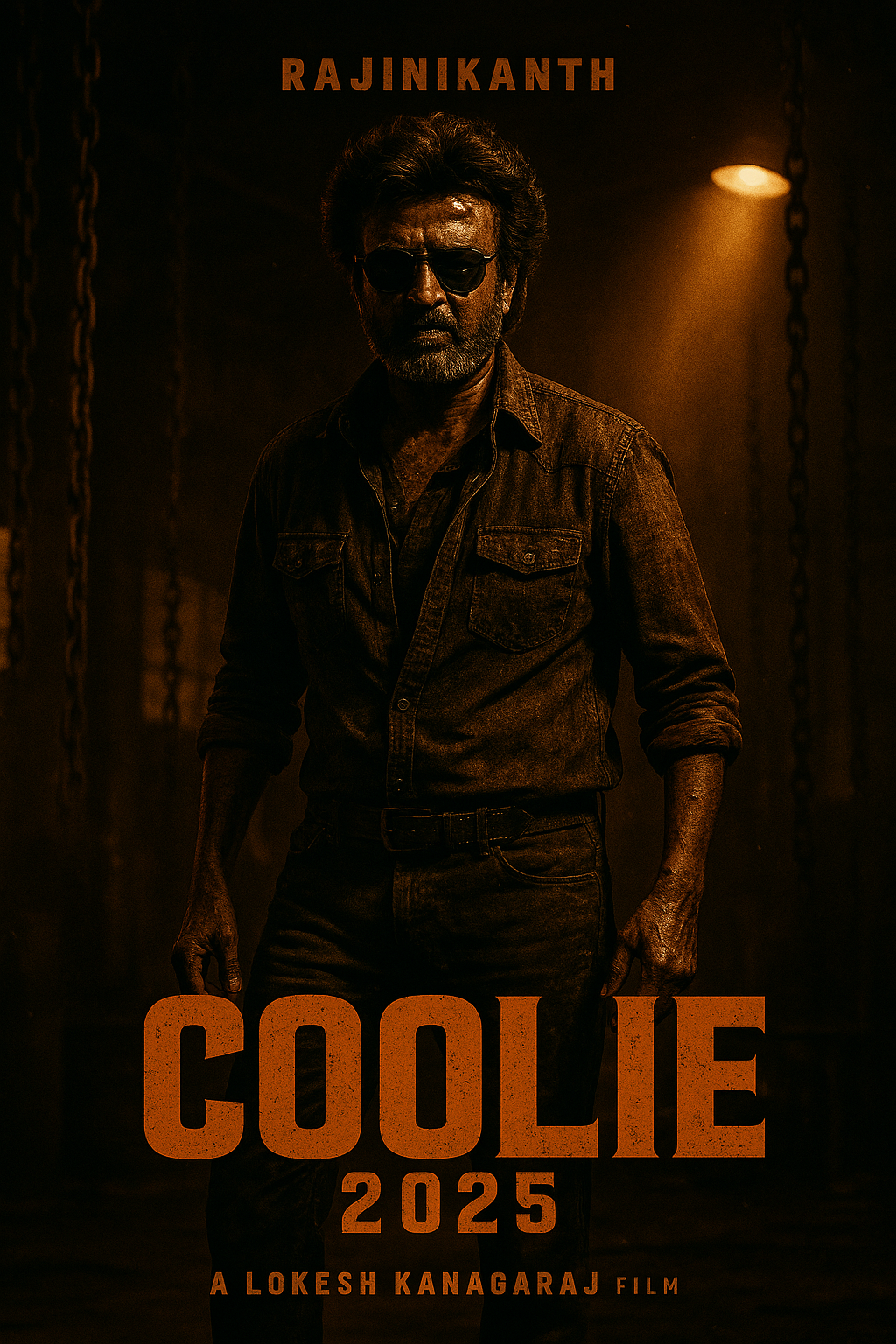
Superstar Rajinikanth marks a blockbuster return with Coolie, directed by Lokesh Kanagaraj. The film’s audio launch and trailer debut on August 2, followed by release on August 14, generated massive anticipation across industries.
Table of Contents
The Tamil film industry experienced significant commercial success in August 2025 with the release of Rajinikanth’s action thriller Coolie. Directed by Lokesh Kanagaraj and produced by Sun Pictures, the film opened on August 14, 2025, coinciding with India’s Independence Day celebrations. The production featured a reported budget of ₹350-400 crore and brought together an ensemble cast from multiple Indian film industries.
This analysis examines the film’s box office performance, production details, cast contributions, and industry impact based on verified box office data and official production announcements. The information presented draws from theatrical collection reports, distribution records, and certified industry sources.
Film Production and Development Overview
Coolie marks the collaboration between Rajinikanth and director Lokesh Kanagaraj, who has previously directed critically recognized films including Kaithi (2019), Vikram (2022), and Leo (2023). Sun Pictures, a major production house in Tamil cinema, financed the project with an estimated budget ranging between ₹350-400 crore.
The pre-production phase involved location scouting across multiple cities including Chennai, Hyderabad, Jaipur, and Bangkok. According to production sources, the director conducted research with labor union representatives to develop authentic character backgrounds and narrative elements. This research-oriented approach influenced the screenplay’s treatment of industrial labor themes.
The film received an A (Adults Only) certificate from the Central Board of Film Certification. This rating classification differs from Rajinikanth’s previous family-oriented releases and reflects the film’s mature thematic content and action sequences. The certification process concluded before the theatrical release date, allowing distributors to finalize marketing strategies accordingly.
Principal photography spanned several months across the selected locations. The production team utilized both practical sets and on-location filming to create the visual aesthetic required for the narrative. Technical departments including cinematography, production design, and visual effects worked within the allocated budget to achieve the director’s vision.
Cast and Character Details
The film features Rajinikanth in the central role of Deva, a character described as a former union leader investigating circumstances surrounding a colleague’s death. This investigation forms the primary narrative thread, leading the protagonist through organized crime networks and corruption within industrial sectors.
Nagarjuna Akkineni, an established actor in Telugu cinema, portrays the primary antagonist. His character represents corrupt industrial management and serves as the principal opposition to the protagonist’s objectives. The casting brought together two prominent figures from South Indian cinema’s different regional industries.
The ensemble includes Soubin Shahir from Malayalam cinema, Upendra from Kannada cinema, and Shruti Haasan, who has worked across Tamil, Telugu, and Hindi film industries. Additional cast members include Sathyaraj and Rachita Ram in supporting roles. This multi-regional casting strategy aligned with the production’s pan-Indian distribution plans.
Aamir Khan appears in a special cameo role identified as Dahaa. This casting represented cross-industry collaboration between Bollywood and Tamil cinema. According to production information, Khan’s character contributes to significant plot developments despite limited screen time. Pooja Hegde also features in a special appearance within the film’s runtime.
The casting process reportedly considered actors’ abilities to contribute to the film’s thematic exploration of labor rights and industrial corruption. Each character serves specific narrative functions while contributing to the overall storyline’s progression through multiple interconnected subplots.
Trailer Release and Pre-Release Promotion
The official trailer for Coolie premiered on August 2, 2025, during the film’s audio launch event at Chennai’s Jawaharlal Nehru Indoor Stadium. Sun Pictures released the trailer simultaneously on their official YouTube channel following the live event. The trailer showcased action sequences, character introductions, and dialogue segments designed to appeal to Rajinikanth’s established fan base.
Viewer response to the trailer was substantial, with social media platforms recording high engagement rates immediately following the release. The trailer’s presentation emphasized the film’s action components, Rajinikanth’s screen presence, and the production’s visual scale. Marketing materials highlighted the collaboration between Rajinikanth and Lokesh Kanagaraj as key promotional elements.
The audio launch event served dual purposes as both music release and film promotion platform. Live performances by composer Anirudh Ravichander accompanied the trailer premiere, creating an integrated promotional experience. Cast members including Rajinikanth and Aamir Khan attended the event, which was broadcast across multiple media channels.
Distribution partners utilized the trailer across theatrical, television, and digital advertising channels during the pre-release period. The promotional campaign emphasized the August 14 release date and the film’s availability in multiple languages including Tamil, Telugu, Hindi, Kannada, and Malayalam. Theater chains reported increased advance booking activity following the trailer’s release.
Musical Score and Soundtrack Performance
Anirudh Ravichander composed the film’s soundtrack and background score. His previous collaborations with both Rajinikanth and Lokesh Kanagaraj established a working relationship that influenced the musical direction for Coolie. The soundtrack contains multiple tracks released individually before the theatrical premiere.
The track titled “Monica” achieved significant streaming numbers, accumulating over 48 million views on YouTube according to platform data. Music chart positions indicated sustained listener interest across South Indian markets. The song features contemporary production techniques combined with regional musical elements.
Another track, “Chikitu,” recorded approximately 21 million YouTube views as of recent metrics. The song’s composition targets younger demographic segments through upbeat rhythmic patterns and modern arrangement styles. Both tracks received regular airplay on radio stations and streaming platforms during the pre-release promotional period.
The background score serves the film’s dramatic sequences and action choreography. The composer employed orchestral instrumentation alongside electronic production elements to create sonic textures supporting different narrative moments. Recurring musical motifs establish character themes throughout the film’s runtime.
The audio launch event on August 2, 2025, featured live performance segments showcasing the soundtrack. This event attracted attendance from industry professionals and media representatives, generating additional publicity for the upcoming theatrical release. The musical components contributed to pre-release audience interest and post-release cultural impact.
Box Office Performance Analysis
Opening Day Collections
Coolie opened on August 14, 2025, across Indian theatrical markets. The film’s opening day net collection in India reached ₹65 crore according to trade reports. This figure represented Rajinikanth’s highest opening day domestic collection in his career and ranked as the second-highest Tamil film opening day after Vijay’s Leo, which recorded ₹66 crore.
The opening day performance reflected audience anticipation built through promotional campaigns and the combined star power of the cast. Theater occupancy rates remained high across morning, afternoon, evening, and night shows in major metropolitan markets. The Independence Day holiday release date contributed to increased theatrical attendance.
Distribution across multiple language versions allowed the film to collect from diverse regional markets simultaneously. The Tamil version led collections, while Telugu, Hindi, Kannada, and Malayalam versions contributed additional revenue streams. This multilingual release strategy maximized the film’s earning potential across India’s varied language markets.
First Week Collections
The film accumulated approximately ₹218.18 crore net across all languages during its first seven days of theatrical release, according to box office tracking sources. This seven-day performance demonstrated consistent audience interest beyond the opening weekend period. Daily collection patterns showed typical weekday declines following the holiday weekend but maintained sustainable collection levels.
Metropolitan cities including Chennai, Bangalore, Hyderabad, Mumbai, and Delhi NCR contributed significantly to the first-week totals. Tier-2 and Tier-3 cities also reported strong occupancy rates, indicating the film’s appeal across different market segments. Theater chains expanded show counts during the opening week to accommodate demand.
Opening Weekend Competition
The film released alongside War 2, creating a significant box office competition scenario. Despite this simultaneous release, Coolie’s Hindi version collected ₹4.5 crore on opening day and accumulated ₹19.7 crore during the four-day Independence Day extended weekend according to Hindi market reports.
This performance in the Hindi-speaking markets demonstrated cross-regional appeal beyond Rajinikanth’s traditional South Indian stronghold. The competition between the two major releases generated increased media coverage and audience discussion, potentially benefiting both films through heightened awareness.
Trade analysts noted that the dual major release created a festival atmosphere in multiplexes, with some audience members viewing both films during the opening weekend. This phenomenon suggested that quality content from different industries could coexist successfully in the marketplace rather than directly cannibalizing each other’s business.
Total Theatrical Collection
Coolie completed its theatrical run with a worldwide gross collection reported between ₹503.50 crore and ₹517.1 crore according to various trade sources. The variation in reported figures reflects different calculation methodologies used by tracking agencies. Against the production budget of ₹350-400 crore, the film achieved profitable status for producers and distributors.
The worldwide collection includes domestic Indian markets and international territories. Distribution contracts for different regions determined revenue sharing arrangements between producers, distributors, and exhibitors. The film’s financial performance met industry expectations for a Rajinikanth starrer with substantial production investment.
International Market Performance
International theatrical markets contributed $20.35 million to the overall collection according to overseas distribution reports. Key territories included North America, Europe, Middle East, and Southeast Asia where Indian diaspora populations and cinema enthusiasts provided audience base.
North American markets showed strong performance in cities with established South Asian communities. The United Kingdom and Australia similarly recorded substantial collections from targeted demographic segments. Southeast Asian markets including Malaysia and Singapore contributed to the international total.
The international distribution strategy involved partnerships with established overseas distributors familiar with Indian film releases. Marketing campaigns in international territories emphasized the film’s action elements and star power to appeal to both diaspora audiences and general cinema viewers interested in international cinema.
Box Office Rankings
Coolie emerged as the highest-grossing Tamil film of 2025 based on complete theatrical run collections. The film ranked as the third highest-grossing Indian film of 2025 across all languages and industries. Historical comparisons placed it as the fourth highest-grossing Tamil film of all time according to adjusted box office records.
These ranking positions reflect the film’s commercial success within competitive market conditions. The achievements demonstrated sustained audience interest in Rajinikanth vehicles and the commercial viability of big-budget Tamil productions. Industry analysts used these figures to assess market trends and future production investment strategies.
Technical Production Elements
Cinematography and Visual Design
The cinematography department handled diverse location requirements across urban and industrial settings. Camera work balanced intimate character-focused scenes with large-scale action sequences. The visual approach maintained consistency across different locations while adapting to each setting’s specific characteristics.
Color grading decisions reflected narrative progression and thematic elements. The visual palette evolved throughout the film’s runtime to support character development and story advancement. Technical specifications included digital camera formats providing resolution suitable for large-format theatrical presentation.
Visual Effects Integration
Visual effects teams worked to enhance practical action sequences without replacing authentic stunt work. The integration between practical elements and digital enhancements aimed for seamless viewer experience. Effects work included environment extensions, safety wire removals, and specific action enhancement elements.
The visual effects pipeline involved collaboration between Indian studios and international facilities. Quality control processes ensured consistency across different sequences and maintained the director’s visual vision. The effects budget formed part of the overall production investment.
Editing and Post-Production
The editorial team structured the film’s 150-minute runtime to balance character development, action sequences, and narrative progression. Editing decisions supported the non-linear storytelling approach while maintaining clarity for mainstream audiences. Pacing varied across different sequences to create rhythm and maintain viewer engagement.
Post-production included color correction, sound design, visual effects integration, and music placement. The timeline for completing post-production activities aligned with the scheduled theatrical release date. Multiple review sessions with the director ensured final output matched creative intentions.
Sound Design and Mixing
Sound design created authentic audio environments for industrial and urban settings featured in the narrative. The sound team recorded location ambience and created sound effects libraries supporting the film’s realistic tone. Dialogue recording ensured clarity across different acoustic environments during shooting.
Sound mixing balanced dialogue, music, and effects elements across the theatrical audio spectrum. The mix optimized for Dolby Atmos and other premium theater sound systems while remaining compatible with standard theatrical sound configurations. Quality assurance processes verified audio consistency across different distribution formats.
Critical Reception and Industry Response
The film received mixed-to-positive reviews from critics following its theatrical release. Review aggregation showed varied responses to narrative complexity, pacing, and thematic treatment. Some critics praised technical achievements and performances while others noted concerns about narrative structure and runtime.
Technical aspects including cinematography, production design, and music received consistent positive recognition across reviews. Rajinikanth’s performance generated discussion regarding his evolution into character-driven roles while maintaining commercial appeal. The ensemble cast’s contributions received acknowledgment for supporting the narrative framework.
Industry professionals recognized the production’s scale and ambition within Tamil cinema context. Discussions focused on the film’s position within Lokesh Kanagaraj’s developing cinematic universe and connections to his previous films. The director’s approach to universe-building influenced industry conversations about franchise development in regional cinema.
Audience reception showed strong support reflected in box office collections and theater occupancy rates. Social media discussions highlighted popular sequences, dialogue, and character moments. The film’s cultural impact extended beyond immediate theatrical release through music streaming and social media engagement.
Digital Streaming Release
Amazon Prime Video acquired digital streaming rights for Coolie. The platform premiered the film on September 11, 2025, in Tamil, Telugu, Kannada, and Malayalam languages. This release date followed approximately four weeks after the theatrical premiere, allowing completion of the primary theatrical window.
The streaming release expanded access to audiences unable to attend theatrical screenings. International viewers in regions without theatrical distribution gained access through the platform’s global reach. The digital version maintained the film’s theatrical runtime and technical specifications optimized for home viewing.
Additional features included in the streaming release provided behind-the-scenes content and supplementary material. These extras offered insights into production processes and creative decisions. The director’s commentary track explained narrative choices and technical approaches for interested viewers.
The OTT release strategy formed part of the production’s overall revenue model. Digital streaming revenues supplemented theatrical collections and extended the film’s commercial lifespan. Platform analytics provided data on viewing patterns and audience demographics for future reference.
Social and Thematic Elements
The narrative incorporates themes related to labor rights, industrial exploitation, and systemic corruption. The protagonist’s background as a union leader provides framework for exploring workplace issues and collective bargaining concepts. These thematic elements appear within the action thriller genre structure.
The treatment of union politics and worker advocacy connects to ongoing social discussions in India regarding labor conditions and industrial relations. The screenplay addresses workplace safety, fair compensation, and organizational power dynamics through character interactions and plot development. This thematic layer adds social dimension to commercial entertainment framework.
Corruption within industrial hierarchies serves as antagonistic force in the narrative. The portrayal examines abuse of institutional power and moral compromises within business environments. The script avoids simplistic resolutions while highlighting complexity of systemic issues requiring sustained effort to address.
Female character representation in the film provides agency beyond traditional romantic subplot functions. Supporting characters contribute meaningfully to narrative resolution and thematic development. This approach reflects evolving standards in commercial cinema regarding gender representation and character complexity.
Industry Impact and Legacy Considerations
The film’s commercial success established benchmarks for Tamil cinema production investments and revenue potential. The box office performance demonstrated that high-budget productions could achieve profitability with appropriate star power and marketing execution. These metrics influence future production planning and budget allocation decisions.
The collaboration between regional film industries through multi-language casting and Pan-Indian release strategies reflected industry trends toward breaking traditional language barriers. Aamir Khan’s participation exemplified increasing cooperation between Bollywood and regional cinema sectors. This trend suggests potential for future cross-industry projects leveraging diverse talent pools.
Lokesh Kanagaraj’s approach to cinematic universe development influenced discussions about franchise planning in Indian cinema. The film’s position within his larger narrative framework demonstrated strategic thinking about character arcs and storylines spanning multiple releases. This methodology encourages long-term narrative planning among filmmakers and production houses.
The integration of social commentary within commercial entertainment formats showed that mainstream cinema could address serious themes without sacrificing audience appeal. This balance encourages incorporation of meaningful content into popular films, potentially elevating overall industry standards and cultural relevance.
Production House and Distribution Strategy
Sun Pictures, the production house behind Coolie, has previously produced several commercially successful Tamil films including Enthiran, Petta, and Jailer. The company’s financial capacity enabled the substantial budget investment required for Coolie’s scale. Production house decisions regarding casting, crew selection, and marketing strategy directly influenced the film’s development and release.
Distribution arrangements covered theatrical release across multiple territories within India and international markets. The multilingual release strategy required coordination between regional distributors familiar with local market conditions. Theater allocation decisions balanced major metropolitan multiplexes with single-screen theaters in smaller cities.
Marketing expenditure covered traditional promotional channels including television, print media, and outdoor advertising alongside digital marketing campaigns. Social media strategies targeted younger demographics through platform-specific content and engagement tactics. The promotional timeline intensified during the final weeks before theatrical release.
The financial structure involved revenue sharing agreements between producers, distributors, and exhibitors based on industry standard practices. Theatrical collections passed through established accounting systems tracking ticket sales and remittance schedules. Financial success determination required analysis of total revenues against comprehensive production and marketing costs.
Comparative Analysis with Contemporary Releases
Coolie’s 2025 release positioned it within a competitive theatrical landscape including other major South Indian and Bollywood productions. The Independence Day release date represented strategic timing to capitalize on holiday weekend audience availability. Competition from War 2 created a unique market dynamic requiring analysis of audience preferences and market capacity.
The film’s box office ranking as third highest-grossing Indian film of 2025 placed it behind specific higher-grossing releases while ahead of numerous other productions. This positioning reflected both the film’s commercial strength and competitive pressure from other major releases throughout the year.
Comparisons with Rajinikanth’s previous releases including Jailer and Vettaiyan provided context for evaluating his sustained box office appeal. The progression of collection figures across these films indicated trends in audience response and market conditions affecting Telugu-Tamil bilingual releases and pan-Indian distribution strategies.
Analysis of Lokesh Kanagaraj’s filmography showed evolution in his directorial approach and expanding commercial success. Coolie’s performance compared favorably with his previous releases while building on established audience expectations for his distinctive storytelling style and cinematic universe development.
Future Franchise Implications
The film’s narrative contains connections to Lokesh Kanagaraj’s previous works within his cinematic universe framework. These connections include character references and thematic linkages designed to create continuity across multiple releases. Industry sources indicate planned future installments including Leo 2 and other projects expanding the shared universe concept.
The universe-building approach transforms individual films into components of larger storytelling frameworks. This strategy encourages audience investment across multiple releases and creates long-term franchise value. The commercial success of interconnected films validates this approach for production houses considering similar strategies.
Character arcs established in Coolie potentially continue in future installments, creating narrative threads spanning multiple films. This long-term planning requires careful coordination of story elements and character development across different projects. The approach represents significant evolution in Indian commercial cinema production methodology.
The franchise potential influences future casting decisions, script development, and production scheduling. Success of the initial installment provides foundation for expanding the universe through additional films exploring different characters and narrative threads within established framework. This expansion creates opportunities for sustained commercial success across multiple releases.
Awards and Recognition Status
The film’s technical achievements have received recognition from industry professionals and awards organizations. Cinematography and production design elements garnered particular attention for creating visually distinctive environments supporting the narrative. Technical awards and nominations acknowledged crew contributions to the film’s overall quality.
Rajinikanth’s performance has been discussed in terms of his career evolution and acting range. Critical assessments noted his approach to character development and screen presence within the role’s requirements. Performance recognition from awards bodies reflected industry appreciation for his continued work.
Anirudh Ravichander’s musical contributions dominated music awards categories, with both popular tracks receiving recognition for composition and arrangement. The soundtrack’s commercial success translated into critical acknowledgment of its artistic merit and cultural impact.
The film’s overall awards trajectory continues as various ceremonies and organizations announce nominations and winners throughout their respective schedules. Long-term recognition may influence the film’s historical positioning within Tamil cinema and Rajinikanth’s filmography.
Cultural Impact Assessment
Beyond box office metrics, Coolie’s cultural footprint includes music streaming numbers, social media discussions, and influence on popular culture references. The soundtrack’s integration into public consciousness through wedding celebrations, social gatherings, and digital content creation demonstrates cultural penetration beyond theatrical experience.
Character dialogues and specific scenes became reference points in social media discourse and everyday conversations. This cultural adoption indicates the film’s resonance with audience values and entertainment preferences. Meme culture and viral content based on film elements extended its cultural reach across digital platforms.
The film’s treatment of labor themes sparked discussions about workplace conditions and union representation in contemporary India. While entertainment remains the primary function, the thematic content contributed to ongoing social dialogues about workers’ rights and industrial ethics.
Rajinikanth’s continued popularity across demographic segments reflects his sustained cultural relevance. The film’s success reinforced his position in Indian cinema history while introducing his work to younger audiences unfamiliar with his extensive filmography.
Behind-the-Scenes Production Insights
Pre-production research involved consultation with labor union representatives and workers to develop authentic character backgrounds. This research-oriented approach influenced character motivations and narrative authenticity. The production team conducted interviews and observation sessions to gather real-world perspectives on union operations and worker concerns.
Location selection balanced practical filming considerations with visual requirements for establishing authentic industrial and urban environments. Production designers created set pieces integrating with practical locations to extend visual possibilities while maintaining budget parameters. The location scout process involved multiple reconnaissance trips across proposed filming sites.
Stunt coordination for action sequences required extensive planning and rehearsal periods. The stunt team designed sequences balancing spectacle with performer safety. Choreography integrated practical stunts with planned visual effects enhancements determined during pre-production planning sessions.
Costume design reflected character backgrounds and narrative time periods. The costume department researched appropriate attire for different social classes and professional contexts depicted in the film. Wardrobe selections supported character development through visual storytelling elements.
Marketing Campaign Strategy
The marketing approach utilized traditional mass media channels alongside digital platforms to reach diverse audience segments. Television advertising during prime viewing hours targeted family audiences, while social media campaigns engaged younger demographics through platform-specific content strategies.
Print media advertising in regional language newspapers reached audiences in Tier-2 and Tier-3 cities. Outdoor advertising including billboards and transit advertising maintained visual presence in major metropolitan areas. The integrated approach ensured broad market penetration across different consumer segments.
Promotional events including press conferences, media interactions, and public appearances by cast members generated consistent news coverage throughout the pre-release period. These activities maintained audience awareness and built anticipation for the theatrical premiere.
The trailer release strategy maximized impact through simultaneous theatrical event and digital platform premiere. This dual-platform approach created immediacy and broad accessibility for promotional content. Subsequent marketing materials built on trailer reception and audience response metrics.
Audience Demographics and Reception Patterns
Theater occupancy data indicated strong performance across different demographic segments including family audiences, youth groups, and traditional Rajinikanth fans. The A certification primarily affected child attendance, directing the film toward adult audience segments. However, the film maintained broad appeal within its target demographic.
Gender distribution in theater attendance showed balanced representation, indicating appeal beyond traditionally male-dominated action film audiences. Female character development and narrative elements contributed to broader demographic appeal. This pattern suggests evolving audience preferences in commercial cinema consumption.
Geographic distribution of collections showed strength in South Indian markets with substantial contribution from North Indian Hindi-speaking territories. The pan-Indian performance demonstrated Rajinikanth’s appeal beyond regional boundaries and the effectiveness of multilingual release strategies in capturing diverse markets.
Social media engagement patterns revealed active discussion among younger audiences who contributed significantly to online buzz and viral content creation. This digital engagement complemented traditional word-of-mouth marketing and influenced theater attendance decisions among connected demographic segments.
Production Challenges and Solutions
The large-scale production faced typical challenges associated with big-budget filmmaking including schedule coordination across multiple locations, cast availability management, and budget allocation across different departments. Production management systems ensured efficient resource utilization and timeline adherence.
Weather conditions and location permissions occasionally affected shooting schedules, requiring contingency planning and alternative arrangement provisions. The production team maintained flexibility to adapt to unexpected circumstances while minimizing schedule disruptions and budget impacts.
Technical complexity of action sequences required careful planning and execution to ensure performer safety while achieving desired visual results. Multiple camera setups and rehearsal sessions preceded actual shooting to optimize efficiency and minimize risk factors.
Post-production timelines compressed near the release date, requiring overtime work from various departments to meet the theatrical premiere schedule. Quality control processes maintained standards despite time pressures affecting the final weeks before release.
Conclusion and Key Takeaways
Coolie’s theatrical release in August 2025 demonstrated the continued commercial viability of star-driven Tamil cinema with appropriate production values and strategic marketing execution. The film achieved profitable status against its substantial budget through strong domestic and international theatrical performance.
The collaboration between Rajinikanth and Lokesh Kanagaraj produced commercially successful results while advancing the director’s cinematic universe development. The ensemble cast’s multi-regional composition reflected industry trends toward pan-Indian productions breaking traditional language barriers.
Box office collections positioning Coolie as the highest-grossing Tamil film of 2025 established new benchmarks for the industry. The financial success validated production house investment decisions and distribution strategies employed for the release.
The film’s cultural impact extended beyond immediate box office metrics through music streaming success, social media engagement, and influence on industry practices. These broader effects contribute to the film’s significance within 2025’s entertainment landscape.
Digital streaming availability on Amazon Prime Video ensures continued accessibility and potential for discovering new audiences. The extended release window across theatrical and digital platforms maximizes the production’s commercial potential and cultural reach.
Industry analysis suggests Coolie’s success provides template for future high-budget Tamil productions seeking pan-Indian appeal. The integration of social themes within commercial entertainment frameworks demonstrates possibilities for meaningful content within mainstream cinema.
Frequently Asked Questions (FAQs)
When was Coolie released in theaters?
Coolie released on August 14, 2025, coinciding with India’s Independence Day holiday. The film premiered simultaneously across Indian markets and international territories. Sun Pictures produced the film with director Lokesh Kanagaraj helming the project. The Independence Day release date was strategically selected to capitalize on holiday weekend audience availability.
Who are the main cast members in Coolie?
The film stars Rajinikanth in the lead role as Deva. The ensemble cast includes Nagarjuna Akkineni as the antagonist, along with Soubin Shahir, Upendra, Shruti Haasan, Sathyaraj, and Rachita Ram in significant roles. Aamir Khan appears in a special cameo role identified as Dahaa. Pooja Hegde features in a special appearance. This multi-regional casting brought together actors from Tamil, Telugu, Hindi, Malayalam, and Kannada film industries.
What was Coolie’s box office collection?
Coolie achieved a worldwide gross collection between ₹503.50 crore and ₹517.1 crore during its complete theatrical run. The film collected ₹65 crore net on its opening day in India, marking Rajinikanth’s career-best domestic opener. The first week accumulated approximately ₹218.18 crore net across all languages. International markets contributed $20.35 million to the total collection. The film emerged as the highest-grossing Tamil film of 2025 and the third highest-grossing Indian film of the year.
Where can I watch Coolie online?
Coolie is available for streaming on Amazon Prime Video from September 11, 2025. The film streams in Tamil, Telugu, Kannada, and Malayalam languages on the platform. The digital release includes the complete theatrical version along with behind-the-scenes content and supplementary features. International viewers can access the film through Amazon Prime Video’s global availability.
Who composed the music for Coolie?
Anirudh Ravichander composed the film’s soundtrack and background score. His previous collaborations with both Rajinikanth and Lokesh Kanagaraj established a working relationship for this project. The soundtrack includes popular tracks “Monica” which garnered over 48 million YouTube views and “Chikitu” with approximately 21 million views. The audio launch event took place on August 2, 2025, at Chennai’s Jawaharlal Nehru Indoor Stadium.
What is Coolie’s CBFC certification?
The Central Board of Film Certification awarded Coolie an A (Adults Only) certificate. This certification indicates content appropriate for adult audiences and restricts admission for viewers below 18 years of age. The A certificate reflects the film’s mature thematic content, intense action sequences, and treatment of complex social issues. This rating differs from Rajinikanth’s typically family-friendly film certifications.
How did Coolie perform against War 2 at the box office?
Coolie released simultaneously with War 2 on August 14, 2025, creating significant box office competition. Despite the clash, Coolie performed strongly with the Hindi version collecting ₹4.5 crore on opening day and ₹19.7 crore during the four-day extended weekend. The competition generated increased media attention and created festival-like atmosphere in theaters. Both films maintained sustainable collection patterns despite competing for audience attention.
What is the runtime of Coolie?
Coolie has a runtime of approximately 150 minutes (2 hours and 30 minutes). The editorial team structured this duration to balance character development, action sequences, and narrative progression. The pacing varies across different sequences to maintain viewer engagement throughout the film. Post-production editing decisions supported the non-linear storytelling approach while ensuring clarity for mainstream audiences.
About the Author
Nueplanet is an entertainment industry analyst and content writer specializing in box office analysis, film production insights, and industry trends across Indian cinema. With extensive experience covering South Indian film releases, Nueplanet focuses on providing accurate, fact-based reporting drawn from verified industry sources, official production announcements, and certified box office data.
This analysis aims to deliver transparent, comprehensive coverage of theatrical releases while maintaining commitment to accuracy and objectivity. All information presented is sourced from official production house releases, verified entertainment news agencies, box office tracking services, and government certification bodies. Content is regularly updated to reflect the most current available data.
Nueplanet’s coverage emphasizes verified statistics, industry context, and factual reporting over promotional content. The goal is to provide readers with reliable information for understanding film releases, industry performance, and entertainment trends within the Indian cinema landscape.
Published: August 02, 2025
Last Updated: August 02, 2025
Note: This article will be updated as new verified information becomes available. Readers are encouraged to check official sources for the most current data regarding box office collections, streaming availability, and awards recognition.
Latest Posts
- Allahabad University 2025
- Samsung TV Outage 2025
- New UPI Rules from August 1, 2025
- CAT 2025 Registration Begins
- Zen Technologies Share Price 2025
Helpful Resources
India TV News – Coolie Trailer Watch: Rajinikanth Returns in Vintage Avatar (indiatvnews.com)
Times of India – Coolie Trailer Review: Fans Go Wild Over Rajini & Lokesh’s Direction (timesofindia.indiatimes.com)
Economic Times – Coolie Trailer Drops with a Bang: Rajinikanth Leads Action Spectacle (economictimes.indiatimes.com)
Telugu Samayam – Aamir Khan’s Mass Look in Coolie Heightens Buzz (telugu.samayam.com)
Times of India – Audio Launch at Chennai Stadium Teases Rajini’s 50-Year Career (timesofindia.indiatimes.com)
Tag
Rajinikanth
Related Posts





Post Comment