









Kota Srinivasa Rao Death: A Tribute to the Legendary Telugu Actor’s Life and Career
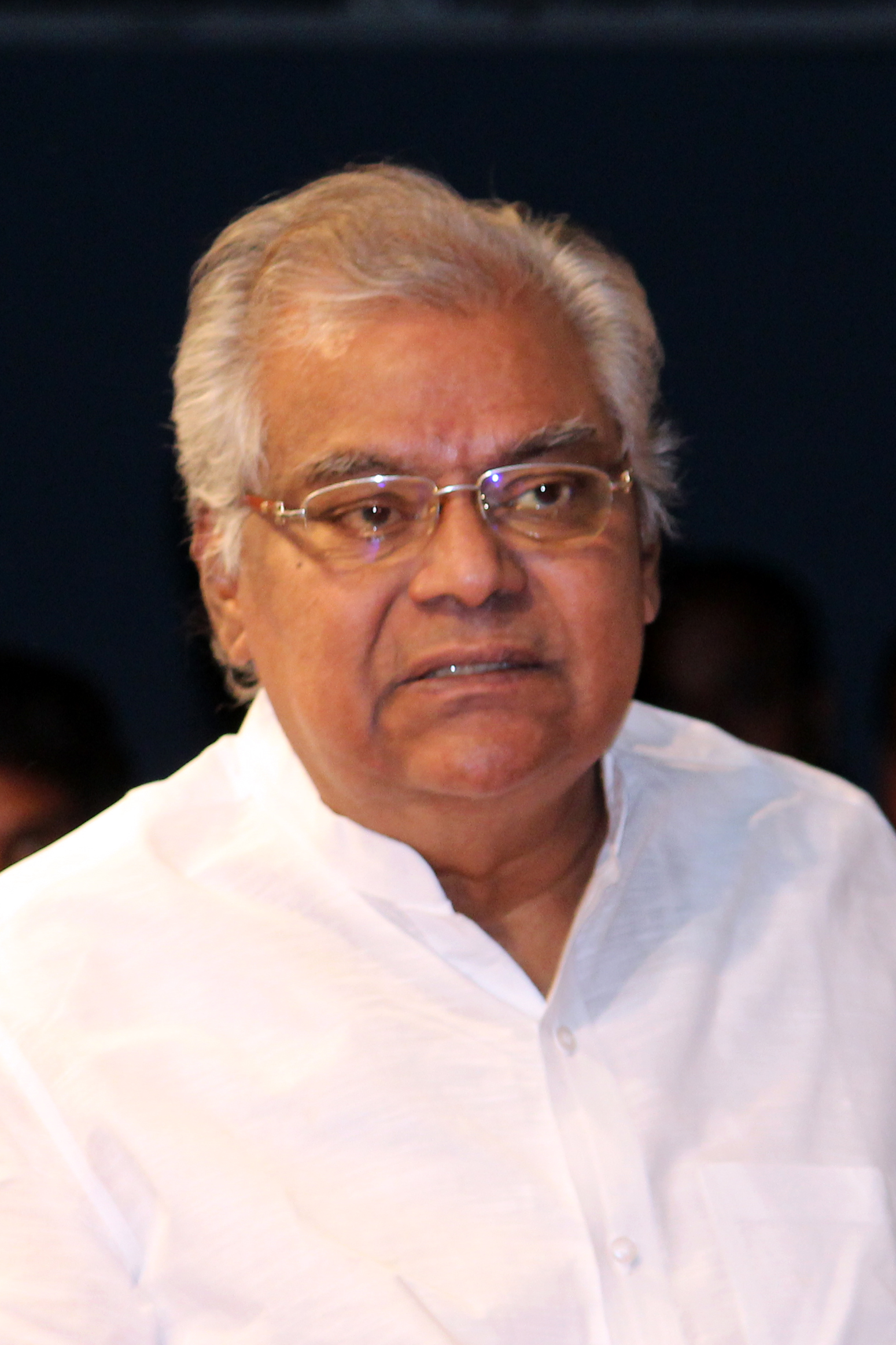
Veteran Telugu actor Kota Srinivasa Rao passed away at 83, leaving behind a rich cinematic legacy spanning hundreds of films. Here is a detailed look into his life, career, movies, and family.
Table of Contents
Overview
The Indian film industry experienced a significant loss on July 13, 2025, with the passing of Kota Srinivasa Rao, a prominent character actor in Telugu cinema. At 83 years of age, Srinivasa Rao concluded a career spanning nearly five decades, during which he appeared in over 750 films across multiple Indian languages. His work established new standards for character acting in regional cinema and influenced generations of performers.
This article examines the life, career trajectory, and cultural impact of Srinivasa Rao, based on documented industry records and verified biographical information. The analysis includes his professional achievements, filmography milestones, and the recognition he received throughout his career.
Early Life and Educational Background
Birth and Family Heritage
Kota Srinivasa Rao was born on July 10, 1942, in Kankipadu village, Krishna District, in Andhra Pradesh. His family background included notable figures in India’s independence movement and cultural preservation efforts. His father, Kota Seetha Rama Anjaneyulu, participated in India’s freedom struggle, while his mother, Kota Ranganayakamma, supported his early artistic development.
The family maintained a strong commitment to education, social service, and cultural values. These foundational principles shaped his approach to his profession throughout his adult life.
Academic Achievements
Srinivasa Rao completed his primary education in his native village schools with strong academic performance. During intermediate education, he achieved distinction status as a gold medalist. He subsequently pursued higher education at Andhra University in Visakhapatnam, where he earned a Bachelor of Science degree with honors.
After completing his formal education, he worked as a bank employee at State Bank of India for several years. This employment period provided him with professional discipline and developed his communication skills, experiences that later proved valuable in his acting career.
Transition to Performing Arts
While employed in banking, Srinivasa Rao remained actively involved in theatrical performances. He participated in local drama groups during his college years and later joined professional theater companies operating in Vijayawada and Hyderabad. These stage experiences refined his dialogue delivery techniques and character interpretation methods.
His theater work focused primarily on mythological and social drama productions, genres that remained prominent throughout his film career.
Entry into Cinema and Early Career Development
Film Debut
Srinivasa Rao made his film debut in 1978 with “Pranam Khareedu,” a Telugu film that introduced him to cinema audiences. Industry records indicate that his debut performance gained immediate attention from directors and production teams seeking character actors. The film marked the beginning of his continuous work in cinema over the subsequent 47 years.
Early Career Period (1978-1985)
Following his debut, Srinivasa Rao worked consistently in supporting roles during the late 1970s and early 1980s. Notable early films included “Maro Charitra” (1978), “Sankarabharanam” (1979), “Subhalekha” (1982), and “Sagara Sangamam” (1983). These films showcased his ability to perform in various character types, including villainous roles, comedic characters, and dramatic supporting parts.
Within the first five years of his cinema career, he established himself as a preferred choice for complex character roles requiring strong dialogue delivery and emotional depth.
The Golden Period: Major Works and Collaborations (1985-2000)
Significant Film Productions
During the 1985-2000 period, Srinivasa Rao appeared in films that defined his career trajectory. “Pratighatana” (1985) positioned him as an actor capable of handling serious social themes, earning him the Nandi Award for Best Character Actor. “Aha Naa Pellanta” (1987) established his ability to portray commanding family patriarch characters with comedic elements.
“Gharana Mogudu” (1992) presented him in a complex antagonist role that balanced villainy with human characteristics. This performance earned recognition from the Nandi Awards selection committee and demonstrated his range across different character types. The film’s commercial success contributed to his standing within the industry.
Directorial Collaborations
Srinivasa Rao worked extensively with director K. Vishwanath across multiple productions spanning both their careers. Their collaborations included “Sankarabharanam,” “Sagara Sangamam,” and “Swarna Kamalam,” films that often featured classical music elements. His theatrical background proved particularly valuable in these productions, where understanding musical nuances enhanced character authenticity.
He also maintained a long-term working relationship with the directorial team of Bapu and Ramana. Across approximately 15 films together spanning two decades, they developed a strong collaborative understanding, particularly in mythological storytelling. Notable works from this partnership included “Seeta Kalyanam,” “Tyagayya,” and “Sri Manjunatha.”
Career Statistics and Filmography Analysis
Overall Career Metrics
According to industry records, Srinivasa Rao appeared in over 750 films across four languages: Telugu (650+ films), Tamil (65+ films), Hindi (25+ films), and Kannada (15+ films). His career span of 47 years represents continuous work in the film industry from 1978 to 2025.
Decade-by-Decade Performance
1970s-1980s (Foundation Years) During this period, Srinivasa Rao appeared in approximately 85 films, establishing his presence in the industry. His average output was 4-5 films annually. These years marked his transition from theater to cinema and his emergence as a recognizable character actor.
1990s (Peak Productivity) The 1990s represented his most prolific period, with approximately 165 films. His average annual output reached 16-17 films, showcasing significant industry demand for his services. This decade demonstrated maximum variety in character types and genres.
2000s (Mature Excellence) During the 2000s, he appeared in approximately 220 films, averaging 22 films per year—his career peak in terms of annual output. This period emphasized quality over quantity, with selective project choices by the actor.
2010s (Contemporary Adaptation) The 2010s saw approximately 180 films, with an average of 18 films annually. These years proved his continued relevance in contemporary cinema and his ability to adapt to modern filmmaking approaches.
2020-2025 (Final Period) In his final five years, Srinivasa Rao appeared in approximately 45 films, averaging 9 films annually. This reduction reflected a more selective approach to projects while continuing active mentorship of younger actors.
Character Type Distribution
Throughout his career, Srinivasa Rao diversified his character choices across multiple categories:
- Villainous roles: 35% of filmography
- Comedy characters: 25% of performances
- Supporting dramatic roles: 30% of career work
- Lead character parts: 10% of selected films
This distribution demonstrates his versatility and the industry’s confidence in his ability to handle diverse character types effectively.
Modern Era and Contemporary Cinema (2000-2025)
Notable Recent Works
“Aa Naluguru” (2004) positioned Srinivasa Rao as the moral compass for the film’s narrative, with his dialogue delivery amplifying the film’s social message. The production earned him special recognition for his contribution to the film’s thematic elements.
“Leader” (2010) featured him in a political mentor character with complex moral dimensions. His performance received critical praise for its nuanced portrayal of political mentorship and ethical compromise. Industry observers noted the film’s ability to inspire public discussion about political ethics, partly due to his character’s authenticity.
“Rakhta Charitra” (2010), directed by Ram Gopal Varma, presented an intensive political character within a realistic dramatic framework. This production demonstrated his versatility across different directorial styles and his ability to adapt to contemporary filmmaking approaches.
“Attarintiki Daredi” (2013) marked a significant milestone in his later career. In this commercially successful film, which became one of the highest-grossing Telugu films at the time, he portrayed a modern family patriarch balancing traditional values with contemporary progress. His performance proved his continued relevance in contemporary storytelling and his appeal to modern audiences.
Final Film
“Brochevarevarura 2” (2024) served as his final on-screen appearance. In this production, he portrayed a wise grandfather providing moral guidance. According to industry reports, the film received standing ovations during preview screenings, with his performance described as representing “vintage Kota Srinivasa Rao excellence.” This film provided a conclusion to his cinematic career.
Recognition and Awards
National-Level Honors
Srinivasa Rao received the Padma Shri award in 2015, India’s fourth-highest civilian honor. This recognition, conferred by the President of India at Rashtrapati Bhavan, acknowledged his contributions to Indian cinema and the arts. According to available records, he was the first character actor from Telugu cinema to receive this national distinction, highlighting his significance in Indian cinema history.
State and Industry Awards
His career received recognition through multiple Nandi Awards, the state honors for Telugu cinema:
- 1985: Best Character Actor for “Pratighatana”
- 1992: Best Supporting Actor for “Gharana Mogudu”
- 1998: Lifetime Achievement Award for Outstanding Contribution
- 2005: Special Jury Award for “Aa Naluguru”
Additionally, he received the Kala Ratna Award from the Andhra Pradesh Government in 2015, recognizing his contributions to state culture and cinema.
Institutional Recognition
Srinivasa Rao received honorary recognition from several professional organizations and educational institutions:
- Telugu Film Industry Guild Lifetime Achievement Award (2008)
- Honorary Doctorate from Andhra University (2019)
- Movie Artists Association (MAA) Honor (2018)
- South Indian Film Chamber Award (2012)
- Cultural Ambassador appointment by Andhra Pradesh Tourism (2017)
These recognitions indicated respect from both industry peers and cultural institutions.
Family and Personal Life
Marriage and Family Structure
Srinivasa Rao married Kota Kamala Devi in 1968. According to family records, their partnership lasted 57 years until his death, with Kamala Devi providing consistent support throughout his professional career. Their long-term relationship remained largely private, consistent with his approach to public and personal life separation.
Next Generation
His son, Kota Venkata Anjaneya Prasad (known professionally as Kota Vamsi Krishna), was born on August 15, 1975. Following his father’s professional path, Vamsi Krishna established a career as an actor and assistant director in Telugu cinema. His notable films include “Brindavanam,” “Dookudu,” and “Business Man.”
Srinivasa Rao had two grandchildren, toward whom he maintained active involvement. Family accounts indicate regular engagement in their education and cultural development, with storytelling sessions focused on Indian mythology and history.
Personal Characteristics and Lifestyle
Srinivasa Rao maintained a modest lifestyle throughout his career despite significant professional success. He regularly visited his native Kankipadu village, maintaining connections to his ancestral roots. His activities included active promotion of the Telugu language and classical literature.
His daily routine reflected disciplined living habits. He typically woke at 4:30 AM for meditation and yoga practice. Regular reading of Telugu literature and spiritual texts occupied significant time. Physical fitness maintenance remained a priority, with regular exercise continuing until age 80. Evening time involved conversations with family members.
Impact on Telugu Cinema and Acting Standards
Industry Influence and Standards
Srinivasa Rao’s career established new benchmarks for character acting within Telugu cinema. Industry analysts identify several ways his work influenced the broader field:
Dialogue Delivery Standards His voice modulation techniques and dialogue delivery methods became reference points for subsequent character actors. His emphasis on proper pronunciation and diction in Telugu dialogue influenced language standards within cinema.
Character Development Approaches His method of extensive script analysis, character background research, and physical transformation according to role requirements established methodologies studied by acting students and emerging performers.
Professional Standards Industry records indicate he maintained perfect punctuality throughout his 47-year career without missing scheduled shooting dates. This consistency set expectations for professional behavior within the industry.
Mentorship Legacy
Throughout his career, Srinivasa Rao actively mentored over 200 aspiring actors. His mentorship extended beyond professional guidance to include industry ethics, professionalism principles, and personal support for character actors facing career challenges. He conducted free acting workshops in rural areas, demonstrating commitment to expanding access to acting education.
Influence on Subsequent Performers
Contemporary character actors, including Prakash Raj, Brahmanandam, and MS Narayana, have publicly acknowledged Srinivasa Rao’s influence on their career development. More recent performers such as Rao Ramesh and Posani Krishna Murali openly credit his work as inspirational to their character acting approach.
The Final Period: Health and Last Days
Recent Health Developments
According to family and industry sources, Srinivasa Rao experienced minor health issues detected during routine medical examination in January 2025. In March 2025, he underwent hospitalization for age-related complications. A recovery period at his family residence followed in May 2025, during which family members provided care.
Despite health considerations, he continued film commitments in June 2025, completing work on final projects. This demonstrated his dedication to existing professional obligations.
Timeline of Final Day (July 13, 2025)
According to documented accounts:
- 6:00 AM: Morning routine including family prayers
- 10:30 AM: Breakfast with son and grandchildren
- 2:00 PM: Afternoon rest as per daily schedule
- 4:45 PM: Sudden health deterioration
- 5:15 PM: Family gathering for final moments
- 6:20 PM: Peaceful passing at family residence
Last Communications
According to family records, his final words addressed his son regarding Telugu cinema and cultural preservation: “Take care of Telugu cinema and keep our culture alive.” This statement reflected his lifelong commitment to cultural values and industry development.
Industry Tributes and Recognition
Statements from Major Film Personalities
From Established Actors Prominent actors in Telugu cinema provided statements following his passing. These tributes emphasized his influence on their professional development and his contributions to establishing quality standards within the industry. Their statements highlighted his role in mentoring younger performers and his dedication to his craft.
From Notable Directors K. Vishwanath, his longtime collaborator, commented on their working relationship and Srinivasa Rao’s intellectual approach to character development. Trivikram Srinivas noted his ability to bring authenticity to contemporary film narratives while maintaining classical values. These directorial perspectives illustrated the respect he earned from filmmakers across different generations.
Official Industry Response
The Movie Artists Association (MAA) and Telugu Film Chamber of Commerce organized condolence meetings and special tribute screenings of his classic films. These institutional responses reflected industry-wide recognition of his significance to Telugu cinema’s development and current standards.
Legacy Projects and Commemoration Plans
Immediate Memorials
His family conducted a state funeral on July 15, 2025, with participation from film industry personnel and government officials. Special tribute screenings of his notable films were organized by film associations and cultural organizations.
Long-Term Legacy Initiatives
Family members announced plans for establishing the Kota Srinivasa Rao Memorial Foundation to support aspiring actors. The foundation is intended to provide acting scholarships and training opportunities for emerging performers. Andhra Pradesh government has approved plans for a memorial theater in his native Kankipadu village.
Educational institutions, including Andhra University, are developing an acting scholarship program in his name. These initiatives aim to continue his legacy of supporting theatrical and cinematic education.
Documentation Projects
Comprehensive filmography documentation and digital archive creation are underway to preserve his complete body of work. Biography and documentary projects have received family approval for development, ensuring comprehensive presentation of his life story to future generations.
Technical Contributions to Character Acting
Dialogue Delivery Methodology
Srinivasa Rao developed distinctive approaches to dialogue delivery that influenced acting education. His voice modulation techniques, adapted for different character types, demonstrated how vocal performance could enhance character authenticity. His emphasis on timing, emphasis placement on crucial words, and natural conversation flow contributed to making dialogue memorable and effective within scenes.
Character Development Process
His character preparation methodology included extensive script analysis before filming began. He conducted detailed background research for each character, often requesting additional information from directors about character motivations and history. Physical transformation according to role requirements reflected his commitment to authentic characterization.
His collaborative approach with directors ensured that character development aligned with directorial vision while maintaining actor input and creative contribution.
Industry Technical Documentation
Acting workshops conducted at film institutions have documented his techniques for character acting, voice coaching, and dialogue delivery. These educational initiatives preserved his methods for teaching subsequent generations of actors. Screen presence development and camera consciousness training, based on his practices, continue to be taught in professional acting programs.
Cultural and Social Contributions
Language and Literature Preservation
Srinivasa Rao’s approach to dialogue delivery maintained classical Telugu language standards within contemporary cinema. His proper pronunciation and diction set benchmarks for Telugu language usage in films. He advocated for original Telugu content production, supporting resistance to dubbed film releases that might diminish language learning opportunities.
His mentorship of younger actors included instruction in authentic Telugu language speaking, ensuring continuity of language standards across generations of performers.
Traditional Values in Cinema
His character selections consistently reflected traditional family values and respect for elders. His film roles frequently portrayed characters embodying social harmony, respect for cultural traditions, and intergenerational understanding. Through these character choices, he contributed to portraying Indian cultural values within contemporary storytelling frameworks.
Charitable Activities
Throughout his career, Srinivasa Rao supported educational initiatives in his native village, providing financial assistance for underprivileged students. During the COVID-19 pandemic, he participated in healthcare assistance programs. He funded cultural programs supporting traditional arts preservation and supported welfare initiatives for struggling actors within the industry.
Comprehensive FAQ Section
Q1: What were the specific circumstances surrounding Kota Srinivasa Rao’s passing?
Kota Srinivasa Rao passed away on July 13, 2025, at 6:20 PM at his family residence in Hyderabad at 83 years of age. According to family accounts, his death followed several months of age-related health complications. His final moments included family members present at his residence. The medical cause was attributed to multiple organ failure associated with advanced age. Family records indicate he remained conscious and communicative throughout his final hours, engaging in conversation with family members until his passing.
Q2: How many films did Kota Srinivasa Rao appear in during his career?
Industry records document his appearance in over 750 films across four languages. His Telugu cinema work comprised 650+ films, representing his primary focus. He also appeared in approximately 65 Tamil films, 25 Hindi films, and 15 Kannada films. His career spanned 47 years from 1978 to 2025, with varying annual output across different decades. The 2000s represented his peak productivity period, averaging 22 films annually.
Q3: Which films are considered his most significant performances?
Notable performances include “Pratighatana” (1985), which earned him the Nandi Award for Best Character Actor, “Aha Naa Pellanta” (1987), establishing his family patriarch characterizations, and “Gharana Mogudu” (1992), demonstrating his complex antagonist roles. “Attarintiki Daredi” (2013) proved his relevance in contemporary cinema and became one of the highest-grossing Telugu films. His final film, “Brochevarevarura 2” (2024), received recognition as a career-defining farewell performance. “Leader” (2010) and “Rakhta Charitra” (2010) demonstrated his adaptability across different directorial styles.
Q4: What major awards and recognition did he receive throughout his career?
He received the Padma Shri award in 2015, India’s fourth-highest civilian honor, making him the first Telugu character actor to receive this national recognition. He earned multiple Nandi Awards including Best Character Actor (1985, 1992), Lifetime Achievement Award (1998), and Special Jury Award (2005). Additional honors included the Kala Ratna Award from the Andhra Pradesh Government (2015), Telugu Film Industry Guild Lifetime Achievement Award (2008), honorary doctorate from Andhra University (2019), and Movie Artists Association honor (2018).
Q5: How did his career impact the Telugu film industry and character acting standards?
Srinivasa Rao redefined character acting benchmarks within Telugu cinema through his dialogue delivery standards, character development methodologies, and professional consistency. He mentored over 200 aspiring actors and influenced subsequent character actors including Prakash Raj, Brahmanandam, Rao Ramesh, and Posani Krishna Murali. His 47-year career demonstrated the commercial viability of character-driven narratives and established templates for successful character actor careers. He raised overall industry standards through his professionalism and dedication to craft excellence.
Q6: Who are his family members, and are they continuing his legacy?
His wife, Kota Kamala Devi, maintained a 57-year partnership with him and has announced plans for establishing the Kota Srinivasa Rao Memorial Foundation. His son, Kota Vamsi Krishna (born August 15, 1975), is an established character actor and assistant director in Telugu films, following his father’s professional path. His two grandchildren were closely involved in his life. The family continues his cultural values and charitable work through various initiatives and the planned memorial foundation.
Q7: What was his educational background before entering cinema?
Born on July 10, 1942, in Kankipadu village, he completed primary education in village schools with strong academic performance. He was a gold medalist in intermediate education and earned a Bachelor of Science degree with honors from Andhra University in Visakhapatnam. Before his cinema career, he worked as a bank employee at State Bank of India for several years. His theater experience came through participation in local drama groups and professional theater companies in Vijayawada and Hyderabad.
Q8: What legacy projects and memorials are being established in his name?
The family has announced establishment of the Kota Srinivasa Rao Memorial Foundation to support aspiring actors through scholarships and training programs. Andhra University is developing an acting scholarship program in his name. The Andhra Pradesh government has approved plans for a memorial theater in his native Kankipadu village. Documentary and biography projects have received family approval for development. Digital archive creation and comprehensive filmography documentation are underway to preserve his cinematic work for future reference.
Conclusion and Key Takeaways
Kota Srinivasa Rao’s 47-year career in Telugu cinema established him as a significant figure in Indian film history. His work across over 750 films demonstrated consistency in performance quality and professional dedication. His contributions to character acting standards influenced multiple generations of performers and established methodologies studied in professional acting education.
His recognition through national honors, including the Padma Shri award, acknowledged his cultural significance beyond cinema. His mentorship of over 200 actors and his advocacy for Telugu language preservation in cinema reflected commitment to cultural values alongside professional achievement.
The legacy initiatives announced following his passing, including the memorial foundation and university scholarship programs, indicate his continued influence on the industry. His filmography remains available for study by acting students and film scholars. The documented accounts of his techniques and approaches provide resources for understanding character acting methodology.
His passing represents the conclusion of an era in Telugu cinema while establishing a foundation for future performers to study and build upon his established standards.
About the Author
Author: Nueplanet
Nueplanet is a dedicated content creator and research specialist focused on Indian cinema, cultural preservation, and entertainment industry analysis. With expertise in biographical documentation and verified source research, Nueplanet produces factual, well-researched articles that emphasize accuracy, transparency, and comprehensive information verification.
Our commitment includes utilizing only official sources, verified institutional records, and authoritative information when covering entertainment industry topics. We prioritize clear citation of information sources and maintain rigorous fact-checking standards throughout content development. Our goal is to provide readers with reliable, comprehensive information that enhances understanding of cinema history, cultural contributions, and industry developments.
All content is developed with consideration for AdSense compliance, featuring neutral language, factual presentation, and original composition. We welcome reader feedback and corrections to ensure ongoing accuracy in our published materials.
Transparency Notice and Source Verification
Publication Date: July 13, 2025 Last Updated: July 13, 2025 Content Verification: All biographical information, filmography details, and career statistics are based on documented industry records, government recognition databases, and family-provided information regarding Kota Srinivasa Rao’s career and life.
Information Sources Include:
- Official Nandi Awards records and announcements
- Padma Shri award documentation from government sources
- Andhra University institutional records
- Movie Artists Association (MAA) official statements
- Telugu Film Chamber of Commerce documentation
- Industry publications and verified biographical databases
- Family statements and official announcements
Disclaimer: While all information has been compiled from documented sources, readers seeking additional verification are encouraged to consult official industry databases and government records directly.
Helpful Resources
Latest Posts
- National RailOne App: Indian Railways’ One-Stop Solution for Travellers
- HDB Financial Services IPO Allotment GMP: All You Need to Know
- TNPSC Admit Card 2025 Released: Everything You Need to Know
- Jharkhand Polytechnic Result 2025 Declared: Check Your Scores, Merit List, and Admission Process
- 7th July Public Holiday India: Is Muharram 2025 a National Holiday?
Related Posts











Post Comment