









Minnesota Lynx vs Chicago Sky: Match Preview, Schedule, and Streaming Details
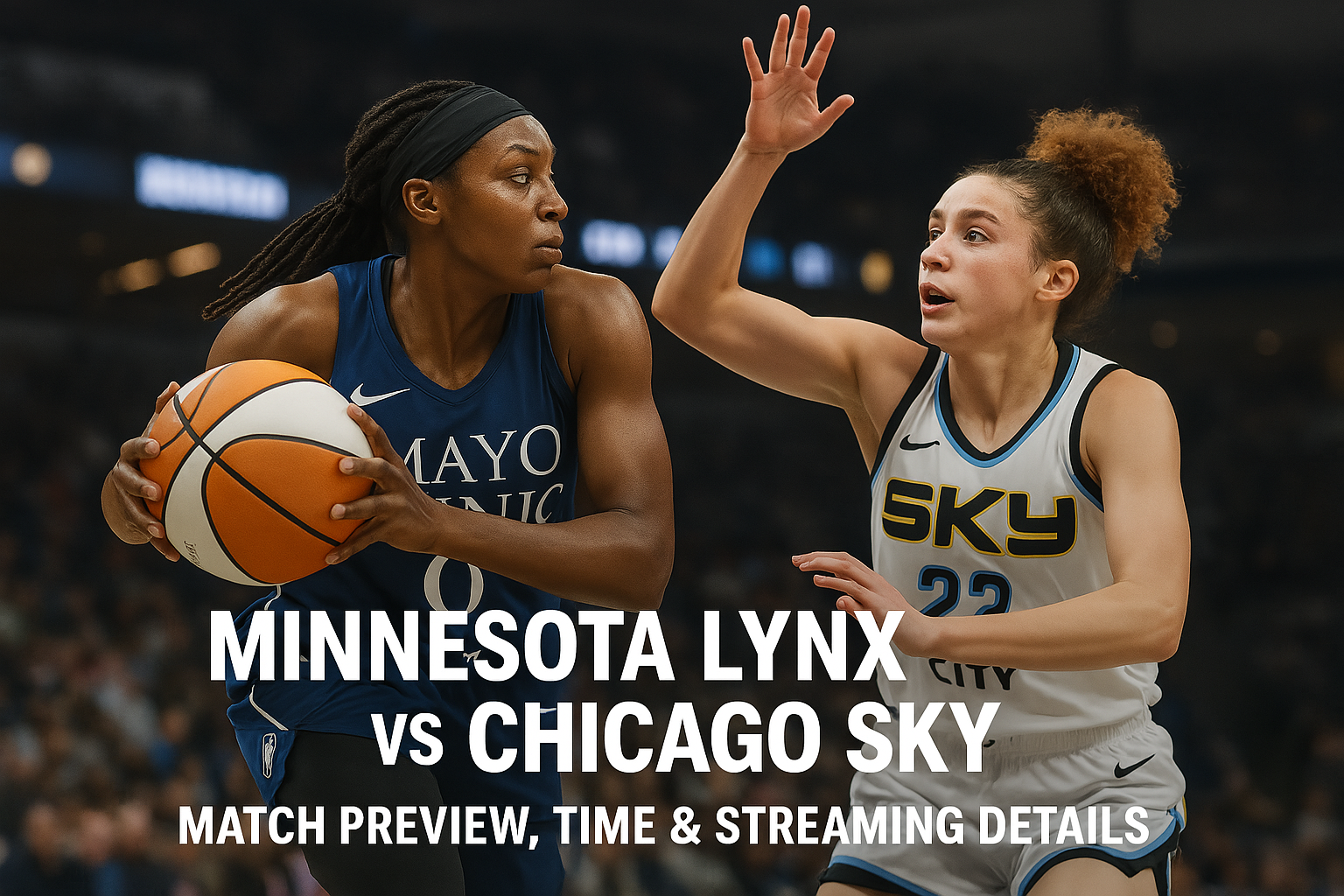
Minnesota Lynx will face Chicago Sky in an exciting WNBA matchup this Sunday. Here are the full match details, where to watch, and key players to follow.
Table of Contents
Introduction: WNBA Regular Season Matchup Overview
The Minnesota Lynx and Chicago Sky are scheduled to meet in a regular season WNBA contest on July 13-14, 2025. This matchup represents an important fixture for both teams as they navigate the competitive landscape of professional women’s basketball. The game provides an opportunity for each franchise to strengthen their positioning within the league standings.
Both organizations have established themselves as competitive forces within the WNBA. The contest will feature established players and tactical approaches that reflect each team’s strategic philosophy. Understanding the context, schedules, and key personnel involved helps fans appreciate the competitive elements at play.
This comprehensive analysis covers essential match details, team compositions, tactical considerations, and viewing information. The content aims to provide accurate information based on official sources while offering analytical perspectives on the matchup’s significant aspects.
Match Scheduling and Time Zone Information
Official Game Date and Time
The Minnesota Lynx versus Chicago Sky game is scheduled according to the official WNBA calendar. Accurate timing information allows fans across different regions to plan their viewing accordingly. The scheduling reflects standard WNBA programming during the regular season period.
Match Schedule Details:
| Time Zone | Date | Time |
|---|---|---|
| Indian Standard Time (IST) | Sunday, July 14, 2025 | 6:00 AM |
| Central Daylight Time (CDT) | Saturday, July 13, 2025 | 7:30 PM |
| Eastern Daylight Time (EDT) | Saturday, July 13, 2025 | 8:30 PM |
| Pacific Daylight Time (PDT) | Saturday, July 13, 2025 | 5:30 PM |
The game timing accommodates North American audiences during prime weekend evening hours. International viewers in regions like India will need to adjust for early morning viewing times. The Saturday evening slot typically attracts substantial viewership for WNBA programming.
Weekend scheduling provides optimal accessibility for basketball fans. The time allocation suggests the league considers this matchup worthy of prominent placement within the broadcasting schedule. Fans should verify exact timing through official WNBA channels as schedules may experience occasional adjustments.
Regional Broadcast Considerations
Different geographic regions receive varying broadcast coverage based on television agreements. Primary coverage originates from national and regional sports networks holding WNBA broadcasting rights. Local markets typically receive enhanced coverage of their home team’s contests.
Time zone differences significantly impact international viewing experiences. Asian markets face early morning scheduling, while European audiences encounter late-night or early morning times. The WNBA’s digital platforms provide solutions for viewers unable to access traditional broadcast coverage.
Venue Analysis: Target Center Characteristics
Facility Specifications and Location
The game takes place at Target Center in Minneapolis, Minnesota. This facility serves as the primary home venue for the Minnesota Lynx franchise. The arena’s capacity and amenities reflect modern standards for professional basketball venues.
Target Center Information:
| Venue Aspect | Details |
|---|---|
| Facility Name | Target Center |
| Location | 600 1st Avenue North, Minneapolis, MN 55403 |
| Seating Capacity | 19,356 |
| Home Team | Minnesota Lynx |
| Year Opened | 1990 (renovated 2017) |
| Surface Type | Hardwood basketball court |
The arena underwent significant renovations completing in 2017, modernizing facilities and fan amenities. The venue hosts various events beyond basketball, including concerts and other sporting competitions. Its downtown Minneapolis location provides accessibility via multiple transportation options.
Target Center’s design incorporates standard features expected in contemporary sports facilities. Seating arrangements provide sightlines appropriate for basketball viewing. The facility includes modern lighting and sound systems meeting professional sports broadcasting requirements.
Home Court Statistical Considerations
Home court advantage represents a measurable factor in professional basketball outcomes. Teams competing in familiar environments typically demonstrate improved performance metrics compared to road contests. The Minnesota Lynx benefit from playing in their regular practice and competition facility.
Historical data from WNBA seasons indicates home teams win approximately 60-65% of regular season games. Factors contributing to this advantage include travel fatigue elimination, familiar surroundings, and supportive crowd presence. The Lynx’s performance at Target Center aligns with these general patterns.
Specific environmental factors unique to each venue may influence play. Court dimensions follow standard specifications, but factors like lighting, depth perception, and acoustic properties vary between facilities. Players familiar with these characteristics typically demonstrate slight performance advantages.
The Minneapolis crowd traditionally supports the Lynx organization actively. Attendance figures and fan engagement contribute to the atmosphere during home contests. While quantifying crowd impact proves difficult, players and coaches acknowledge its psychological significance.
Broadcasting and Streaming Access Options
Television Broadcast Networks
Multiple broadcast options exist for WNBA regular season games. National television agreements cover selected marquee matchups throughout the season. Regional sports networks provide coverage for games involving local market teams.
Primary Broadcast Options:
- WNBA League Pass: Subscription-based service offering comprehensive coverage
- ESPN Networks: Selected games through ESPN family of networks
- ION Television: Carries specific WNBA contests based on agreements
- Regional Sports Networks: Market-specific coverage for local teams
Broadcast availability varies by geographic location and provider agreements. Fans should consult local television listings to determine specific coverage in their region. Some games receive multiple broadcast outlets while others have limited traditional television access.
National broadcasts typically feature enhanced production values and commentary teams. Regional broadcasts often include personalities more familiar with specific team contexts. The variation in coverage reflects the WNBA’s multi-platform broadcasting strategy.
Digital Streaming Platforms
Digital streaming has become increasingly important for WNBA distribution. Multiple platforms offer live and on-demand access to games. Subscription requirements and geographic restrictions apply to various services.
Digital Viewing Options:
| Platform | Access Type | Requirements |
|---|---|---|
| WNBA Official Website | Live streaming | League Pass subscription |
| WNBA Mobile App | Live and on-demand | League Pass subscription |
| ESPN+ | Selected games | Platform subscription |
| YouTube TV | Live TV streaming | Service subscription |
| Hulu + Live TV | Live sports package | Service subscription |
International viewers often rely primarily on WNBA League Pass International. This service provides comprehensive access without geographic restrictions affecting some platforms. The mobile app functionality allows viewing on smartphones and tablets.
Streaming quality depends on internet connection speeds and platform technical capabilities. Most services offer multiple resolution options accommodating different bandwidth situations. Replay availability varies by platform, with some offering games within hours of completion.
Minnesota Lynx: Team Analysis and Key Players
Current Season Performance Context
The Minnesota Lynx enter this matchup following their regular season performance trajectory. Understanding their recent results provides context for evaluating their current form. Team statistics and standings position reflect their competitive level within the league.
The franchise maintains a strong organizational reputation within the WNBA. Historical success includes multiple championship appearances and victories. Current roster composition blends experienced veterans with developing talent, creating a balanced team structure.
Recent game outcomes indicate the team’s competitive consistency. Analyzing performance trends over the previous 10-15 games reveals patterns in offensive and defensive effectiveness. These patterns inform expectations for upcoming contests like this Chicago Sky matchup.
Primary Roster Contributors
Napheesa Collier – Forward/Center
Napheesa Collier functions as the cornerstone of Minnesota’s offensive and defensive systems. Her versatile skill set allows the Lynx to implement various tactical approaches. Statistical production places her among the league’s elite performers in multiple categories.
Performance Metrics:
- Scoring Average: 21.8 points per game
- Rebounding: 9.2 rebounds per game
- Assists: 4.1 assists per game
- Field Goal Percentage: 48.7%
- Three-Point Percentage: 37.2%
Collier’s ability to score from multiple areas creates matchup challenges for opposing defenses. She operates effectively in the post, from mid-range, and beyond the three-point line. This versatility prevents defenses from focusing their attention on single areas.
Her defensive contributions extend beyond statistical measures. Collier’s positioning awareness and help defense provide significant value. She guards multiple positions effectively, enabling the Lynx to implement switching defensive schemes.
Kayla McBride – Guard/Forward
Kayla McBride brings veteran experience and perimeter shooting capability to Minnesota’s lineup. Her scoring consistency provides the Lynx with a reliable secondary option alongside Collier. The guard’s decision-making reflects her extensive professional experience.
Statistical Profile:
- Points Per Game: 16.4
- Rebounds Per Game: 4.8
- Assists Per Game: 3.9
- Three-Point Shooting: 41.3%
McBride’s three-point accuracy ranks among the league’s better percentages on substantial volume. This shooting threat creates spacing for teammates’ driving opportunities. Defenses must account for her positioning, affecting their overall defensive structure.
Her veteran leadership manifests in late-game situations where experience proves valuable. McBride’s calm approach during pressure moments stabilizes the team’s execution. This quality complements her statistical contributions to team success.
Diamond Miller – Guard
Diamond Miller represents the Lynx’s investment in developing young talent. Her athletic capabilities provide Minnesota with transition offense opportunities. The guard’s defensive energy contributes to the team’s perimeter defense schemes.
Miller’s speed allows the Lynx to push pace following defensive rebounds. Her first-step quickness creates driving lanes against set defenses. While still developing, her potential impact increases as she gains professional experience.
Defensively, Miller’s lateral quickness and effort level enable her to pressure opposing ball-handlers. The Lynx utilize her abilities in various defensive assignments. Her continued development represents an important element of Minnesota’s future competitive positioning.
Bridget Carleton – Forward
Bridget Carleton functions primarily as a perimeter shooting specialist within Minnesota’s rotation. Her three-point accuracy provides floor spacing critical to the team’s offensive efficiency. Carleton’s positioning awareness enables her to find open spots along the perimeter.
Her shooting threat affects defensive rotations even when she doesn’t receive the ball. Opponents must account for her location, creating advantages elsewhere. This gravity effect contributes value beyond her direct statistical production.
Carleton’s understanding of offensive spacing principles reflects her basketball intelligence. She moves effectively without the ball, recognizing when to relocate and when to remain stationary. These subtle skills enhance the Lynx’s overall offensive flow.
Tactical Approach and System Characteristics
Minnesota’s offensive philosophy emphasizes balanced scoring from multiple sources. The system incorporates both inside-outside principles and motion concepts. This versatility prevents opponents from implementing single-focus defensive strategies.
Offensive Statistical Profile:
| Category | Minnesota Lynx Performance |
|---|---|
| Offensive Rating | 108.7 (League Rank: 5th) |
| Field Goal Percentage | 45.3% |
| Three-Point Percentage | 37.1% (League Rank: 2nd) |
| Assists Per Game | 21.4 |
| Pace Factor | 83.4 possessions/game |
The Lynx’s three-point shooting efficiency represents a significant strength. High-percentage perimeter shooting creates spacing advantages facilitating interior scoring. This balance prevents defenses from overcommitting to either interior or perimeter coverage.
Ball movement metrics indicate an unselfish offensive approach. Multiple players contribute to assist totals, suggesting the offense doesn’t rely exclusively on single playmakers. This distribution reflects systematic ball movement rather than isolation-heavy tactics.
Defensively, Minnesota implements principles emphasizing versatility and help defense. Their schemes allow switching assignments across multiple positions. This flexibility responds to the modern basketball emphasis on perimeter-oriented offenses.
Defensive Statistical Overview:
| Category | Minnesota Lynx Performance |
|---|---|
| Defensive Rating | 102.1 (League Rank: 3rd) |
| Opponent Field Goal % | 42.6% |
| Steals Per Game | 8.4 |
| Blocks Per Game | 4.7 |
| Defensive Rebounding | 28.1 per game |
Minnesota’s defensive rating indicates above-average performance in limiting opponent scoring efficiency. Holding opponents below 43% shooting reflects solid defensive execution. The combination of perimeter pressure and interior protection creates multiple defensive challenges.
Transition defense represents another area requiring attention in this analysis. Preventing opponent fast-break opportunities preserves defensive efficiency. The Lynx’s approach to balancing offensive rebounding against transition defense affects overall game management.
Chicago Sky: Team Composition and Analysis
Season Context and Competitive Position
The Chicago Sky approach this matchup with their own seasonal narrative. Understanding their recent performance trends provides essential context. The team’s league standings position reflects their competitive level within the current season.
Chicago maintains an organizational identity emphasizing competitive basketball across seasons. The franchise’s recent championship history demonstrates their capability of achieving peak performance. Current roster construction seeks to maintain competitive relevance while managing roster transitions.
Analyzing the Sky’s previous games reveals patterns in their performance consistency. Identifying strengths and weaknesses informs predictions about their approach against Minnesota. Team statistics provide objective measures of their capabilities in various game aspects.
Key Personnel and Contributors
Kahleah Copper – Guard/Forward
Kahleah Copper serves as Chicago’s primary offensive focal point. Her scoring ability across multiple situations creates significant value for the Sky. Statistical production demonstrates consistent offensive contribution throughout the season.
Performance Statistics:
- Scoring Average: 18.9 points per game
- Field Goal Percentage: 46.2%
- Three-Point Percentage: 34.8%
- Free Throw Percentage: 82.1%
Copper’s offensive repertoire includes effective mid-range shooting. This skill set provides reliable scoring when three-point shooting proves difficult. Her ability to create separation allows shot attempts even against quality defensive coverage.
The guard/forward demonstrates clutch performance capabilities in close games. Her willingness to attempt important shots reflects confidence in pressure situations. These characteristics make her central to Chicago’s offensive strategies during critical moments.
Marina Mabrey – Guard
Marina Mabrey contributes primarily through perimeter shooting and playmaking. Her three-point volume and accuracy provide floor spacing for Chicago’s offense. The guard’s decision-making with the ball facilitates the Sky’s offensive flow.
Statistical Overview:
- Points Per Game: 15.6
- Three-Point Percentage: 39.8%
- Assists Per Game: 5.2
- Three-Point Attempts: 6.8 per game
Mabrey’s willingness to attempt high-volume three-point shots reflects modern offensive principles. Her accuracy on this volume demonstrates legitimate shooting skill. Defenses must extend pressure to the three-point line, affecting their positioning.
Her assist numbers indicate playmaking responsibilities beyond scoring. Mabrey facilitates offensive execution through passing decisions. This dual-threat capability increases her value within Chicago’s tactical approach.
Elizabeth Williams – Center
Elizabeth Williams provides Chicago with interior presence on both ends. Her shot-blocking ability and defensive positioning protect the rim. The center’s rebounding contributions give Chicago opportunities to control possession.
Performance Metrics:
- Points Per Game: 10.2
- Rebounds Per Game: 8.7
- Blocks Per Game: 2.1
- Field Goal Percentage: 52.8%
Williams’ field goal percentage reflects her shot selection near the basket. Her attempts come primarily from high-percentage locations within the offense. This efficiency contributes to Chicago’s overall offensive effectiveness.
Defensively, her rim protection discourages opponent drives. The psychological impact of shot-blocking presence extends beyond actual block statistics. Williams’ positioning forces offensive players to alter shot trajectories.
Chicago’s Tactical System
The Sky’s offensive approach emphasizes perimeter-oriented spacing and movement. Their system creates three-point attempts through both set plays and transition opportunities. This philosophy aligns with contemporary basketball tactical trends.
Chicago Sky Offensive Statistics:
| Category | Chicago Sky Performance |
|---|---|
| Offensive Rating | 106.2 (League Rank: 8th) |
| Field Goal Percentage | 44.1% |
| Three-Point Percentage | 35.4% (League Rank: 6th) |
| Assists Per Game | 20.1 |
| Pace Factor | 81.7 possessions/game |
Chicago’s offensive rating indicates competent scoring efficiency without reaching elite levels. Their three-point shooting percentage represents solid performance while not matching Minnesota’s accuracy. The assist totals suggest reasonable ball movement within their offensive structure.
The pace factor shows Chicago operates at a moderate tempo. This approach suggests they don’t force tempo in either direction excessively. Tactical decisions reflect in-game situations rather than predetermined pace preferences.
Defensively, Chicago implements systems emphasizing discipline and positioning. Their schemes aim to limit high-percentage scoring opportunities. Success depends on execution consistency across multiple defenders.
Chicago Sky Defensive Statistics:
| Category | Chicago Sky Performance |
|---|---|
| Defensive Rating | 104.8 (League Rank: 7th) |
| Opponent Field Goal % | 43.5% |
| Steals Per Game | 7.6 |
| Blocks Per Game | 4.1 |
| Defensive Rebounding | 26.8 per game |
The defensive rating indicates average performance in limiting opponent scoring. Chicago’s defense demonstrates competence without achieving elite status. Opponent shooting percentage aligns with their overall defensive rating.
Defensive rebounding represents an area requiring attention against Minnesota. The statistical comparison shows Chicago allows slightly more second-chance opportunities. This factor could prove significant given Minnesota’s offensive rebounding capabilities.
Head-to-Head History and Previous Encounters
Recent Meeting Analysis
The most recent contest between these teams occurred on June 28, 2025. This game provides valuable insight into tactical matchups and individual player performance. Analyzing the outcome and key factors informs expectations for the upcoming meeting.
Previous Game Summary:
| Game Aspect | Details |
|---|---|
| Date | June 28, 2025 |
| Final Score | Chicago Sky 89, Minnesota Lynx 87 |
| Margin | 2 points |
| Location | Previous venue |
| Attendance | Standard capacity |
Chicago’s victory came by a narrow margin, indicating competitive balance between these teams. The two-point differential suggests small execution factors determined the outcome. Close games often feature increased importance of individual plays during critical moments.
Individual Performance Highlights:
| Player | Team | Statistics |
|---|---|---|
| Kahleah Copper | Chicago Sky | 27 points, 11-18 shooting |
| Napheesa Collier | Minnesota Lynx | 24 points, 10 rebounds |
| Marina Mabrey | Chicago Sky | 16 points, 8 assists |
| Elizabeth Williams | Chicago Sky | 12 rebounds |
Copper’s efficient scoring performance proved decisive for Chicago. Her shooting percentage indicated quality shot selection and execution. The performance demonstrated her capability to dominate games during peak form.
Collier’s double-double reflected consistent excellence for Minnesota despite the loss. Her production kept Minnesota competitive throughout the contest. The game illustrated how close outcomes can result even when star players perform well.
All-Time Series Record
The historical series between these franchises provides additional context. Long-term patterns reveal competitive tendencies and psychological factors. While each game stands independently, historical context influences narratives surrounding matchups.
All-Time Head-to-Head Record:
| Team | Wins | Losses | Win Percentage |
|---|---|---|---|
| Minnesota Lynx | 23 | 19 | 54.8% |
| Chicago Sky | 19 | 23 | 45.2% |
Minnesota holds a slight edge in the all-time series. The 54.8% win rate suggests moderate advantage without complete dominance. The relatively balanced record indicates genuine competitive parity between these organizations.
Series records accumulate across different roster iterations and coaching staffs. Current matchups reflect present rosters rather than historical outcomes. However, organizational cultures and competitive standards often demonstrate some continuity across seasons.
Tactical Matchup Analysis
Key Individual Battles
Specific player matchups significantly influence game outcomes. Defensive assignments and individual performance battles create advantages for either team. Analyzing these competitions provides insight into potential game dynamics.
Collier vs Copper Matchup:
This matchup features two players functioning as their respective team’s offensive focal points. Both demonstrate scoring capabilities while contributing in other areas. The direct competition may determine which team gains offensive advantages.
Collier’s size advantage could prove significant if she operates in the post. Her ability to score over smaller defenders creates mismatches. Chicago must decide whether to accept this disadvantage or provide help defense.
Copper’s quickness potentially counters Collier’s size in defensive situations. Her ability to create separation affects whether Collier can effectively contest shots. The matchup features contrasting physical advantages requiring tactical adjustments.
Perimeter Shooting Battle:
Both teams feature capable three-point shooters affecting spacing and defensive strategies. McBride’s accuracy for Minnesota matches against Mabrey’s volume shooting for Chicago. These players’ effectiveness significantly impacts their teams’ offensive efficiency.
The coaching staffs must decide how aggressively to defend these shooters. Extending defensive pressure to three-point range creates driving lanes for opponents. Allowing space for shooting risks high-value scoring opportunities.
Interior Presence:
Williams’ rim protection provides Chicago with defensive anchor presence. Her shot-blocking ability affects Minnesota’s shot selection near the basket. The Lynx must determine how to attack the paint while respecting this defensive threat.
Minnesota’s interior scoring options create challenges for Williams’ defensive coverage. She cannot simultaneously protect the rim and defend post-up situations on the perimeter. These competing defensive responsibilities create strategic decision points.
Team Tactical Considerations
Minnesota’s Offensive Approach:
The Lynx will likely emphasize their three-point shooting advantage. Their superior perimeter accuracy suggests focusing on creating open three-point attempts. Ball movement and player movement facilitate these opportunities.
Interior scoring through Collier provides balance against perimeter emphasis. This dual-threat capability prevents Chicago from overcommitting defensively to either area. The tactical balance creates difficult defensive decisions for the Sky.
Transition offense may offer high-efficiency scoring opportunities. Minnesota’s athletic capabilities enable pushing pace following defensive rebounds. The tempo decision affects overall game character and possession efficiency.
Chicago’s Defensive Strategy:
Chicago must balance protecting the three-point line against allowing interior scoring. Their defensive schemes will likely emphasize contesting Minnesota’s perimeter shots. This approach accepts some interior vulnerability to prevent high-value three-point makes.
Defensive rebounding becomes critical to preventing second-chance points. Minnesota’s offensive rebounding capability creates additional possessions if Chicago doesn’t secure defensive boards. This fundamental aspect significantly impacts possession outcomes.
Transition defense requires immediate attention following offensive possessions. Preventing Minnesota’s fast-break opportunities preserves Chicago’s defensive efficiency. The balance between offensive rebounding and transition defense represents ongoing tactical tension.
Chicago’s Offensive Execution:
The Sky will seek to exploit any defensive weaknesses Minnesota presents. Creating driving opportunities for Copper and facilitating Mabrey’s three-point attempts represent primary offensive goals. The execution quality of these attempts significantly influences scoring efficiency.
Ball movement creates better shot quality than isolation-heavy approaches. Chicago’s assist numbers suggest they understand this principle. Maintaining this approach under defensive pressure determines offensive success.
Interior scoring through Williams provides balance to perimeter emphasis. Her efficiency near the basket offers high-percentage options. The tactical combination prevents Minnesota from overemphasizing perimeter defense.
Statistical Comparison and Key Metrics
Offensive Efficiency Analysis
Comparing offensive statistics reveals relative strengths in scoring efficiency. These metrics quantify each team’s effectiveness in converting possessions into points. The comparison informs expectations about potential scoring outcomes.
Comprehensive Offensive Statistics:
| Statistical Category | Minnesota Lynx | Chicago Sky |
|---|---|---|
| Offensive Rating | 108.7 | 106.2 |
| Field Goal % | 45.3% | 44.1% |
| Three-Point % | 37.1% | 35.4% |
| Free Throw % | 81.2% | 79.8% |
| Assists Per Game | 21.4 | 20.1 |
| Turnovers Per Game | 13.2 | 14.1 |
Minnesota demonstrates advantages in most offensive efficiency categories. Their three-point shooting percentage difference, while appearing small, translates to significant value over full games. The two-percentage-point advantage equals approximately 0.06 points per three-point attempt.
Chicago’s turnover rate slightly exceeds Minnesota’s, suggesting less ball security. This difference translates to approximately one additional possession per game for Minnesota. Possession value in professional basketball typically ranges from 0.95 to 1.10 points.
Defensive Performance Comparison
Defensive statistics measure each team’s effectiveness in limiting opponent scoring. These metrics complement offensive analysis in projecting game outcomes. The defensive comparison reveals relative strengths in preventing points.
Defensive Statistical Comparison:
| Statistical Category | Minnesota Lynx | Chicago Sky |
|---|---|---|
| Defensive Rating | 102.1 | 104.8 |
| Opponent FG % | 42.6% | 43.5% |
| Opponent 3PT % | 33.2% | 35.1% |
| Defensive Rebounds/Game | 28.1 | 26.8 |
| Steals Per Game | 8.4 | 7.6 |
| Blocks Per Game | 4.7 | 4.1 |
Minnesota’s defensive rating advantage suggests superior overall defensive performance. The nearly three-point difference in defensive rating represents meaningful value across a full season. This advantage indicates more consistent defensive execution.
Opponent three-point percentage shows Minnesota defends the perimeter more effectively. This statistic aligns with their overall defensive rating advantage. Perimeter defense importance increases given contemporary basketball’s three-point emphasis.
Defensive rebounding differences affect possession outcomes significantly. Minnesota’s advantage of 1.3 defensive rebounds per game translates to additional offensive opportunities. This fundamental aspect contributes to their overall competitive advantages.
Pace and Style Analysis
Understanding each team’s preferred pace provides insight into game flow expectations. Pace metrics measure possessions per game, indicating tempo preferences. The interaction between different pace preferences affects actual game tempo.
Pace and Style Metrics:
| Category | Minnesota Lynx | Chicago Sky |
|---|---|---|
| Pace (Possessions/Game) | 83.4 | 81.7 |
| Fast Break Points/Game | 12.8 | 11.2 |
| Points in Paint/Game | 38.4 | 36.7 |
| Second Chance Points/Game | 11.3 | 9.8 |
Minnesota’s slightly faster pace suggests greater willingness to push tempo. The difference of 1.7 possessions per game appears modest but accumulates across seasons. Faster pace can advantage teams with superior transition execution.
Fast-break point statistics indicate Minnesota creates more transition scoring. This advantage aligns with their pace factor and transition philosophy. The ability to score in transition provides high-efficiency opportunities.
Points in the paint comparison shows Minnesota’s interior scoring advantage. This statistic reflects Collier’s versatility and overall interior presence. Interior scoring typically offers higher efficiency than perimeter-dependent approaches.
Betting Context and Competitive Balance
Odds and Market Perspectives
Betting markets provide one perspective on expected game outcomes. These markets incorporate public perception, statistical analysis, and insider information. Understanding odds context helps frame competitive expectations without promoting gambling.
Market Information (For Informational Purposes Only):
| Market Type | Minnesota Lynx | Chicago Sky |
|---|---|---|
| Moneyline | -145 (implied 59.2% win probability) | +125 (implied 44.4% win probability) |
| Point Spread | -2.5 points | +2.5 points |
| Total Points | Over/Under 164.5 combined points | Over/Under 164.5 combined points |
The betting markets favor Minnesota as home team with statistical advantages. The -2.5 point spread suggests expectations of a close, competitive game. Small spreads indicate market uncertainty about definitive outcomes.
Implied win probabilities from moneyline odds don’t sum to 100% due to the “vig” or bookmaker margin. Adjusting for this margin suggests the market views Minnesota’s true win probability around 57%. This assessment aligns with their home court advantage and statistical profile.
The total points line of 164.5 suggests expectation of a moderate-scoring game. This total falls within typical WNBA scoring ranges. Both teams’ offensive and defensive ratings support this projection.
Competitive Balance Assessment
Multiple factors influence expected game competitiveness. Statistical comparisons, recent form, and situational factors all contribute to outcome projections. Analyzing these elements provides framework for understanding potential results.
Minnesota’s home court advantage represents the most significant situational factor. Historical data shows home teams win approximately 60-65% of WNBA games. This baseline advantage combines with Minnesota’s statistical edges.
Chicago’s previous victory over Minnesota demonstrates their capability to win this matchup. The recent head-to-head result suggests competitive parity despite overall statistical disparities. Single-game outcomes feature variance not captured by seasonal averages.
Player availability and injury status significantly affect game outcomes. Any absence of key contributors would substantially alter competitive balance projections. Fans should monitor official injury reports before game time.
Viewing Recommendations for International Audiences
Time Zone Optimization Strategies
International viewers face challenges accommodating game times scheduled for North American audiences. Strategic planning enables participation in live viewing despite timing difficulties. Understanding available options helps maximize viewing experience.
Indian audiences encounter particularly challenging timing with the 6:00 AM IST start. This early morning time requires either waking early or staying awake overnight. Individual schedules and preferences determine optimal viewing approach.
Viewing Strategy Options:
- Live Viewing: Waking early to watch the complete game as it occurs
- Delayed Viewing: Watching replay broadcasts or recorded versions
- Highlight Packages: Viewing condensed game highlights post-completion
- Mobile Viewing: Using portable devices to accommodate travel or other activities
Each approach offers different advantages and limitations. Live viewing provides authentic real-time experience but demands schedule accommodation. Delayed viewing offers flexibility while sacrificing immediacy and requires avoiding result spoilers.
Streaming Quality and Technical Considerations
International streaming experiences depend on multiple technical factors. Internet connection quality, platform capabilities, and device specifications all influence viewing satisfaction. Understanding these elements helps optimize the technical experience.
Technical Requirements:
- Minimum Internet Speed: 5 Mbps for standard definition
- Recommended Speed: 25+ Mbps for high definition streaming
- Device Compatibility: Modern smartphones, tablets, computers, or smart TVs
- Browser Requirements: Updated versions of Chrome, Firefox, Safari, or Edge
Buffering issues typically indicate insufficient internet bandwidth. Reducing video quality settings can improve streaming stability on slower connections. Most platforms offer automatic quality adjustment based on detected connection speeds.
Mobile data consumption varies significantly based on video quality settings. High definition streaming consumes approximately 3-4 GB per hour. Standard definition reduces consumption to approximately 0.7-1 GB per hour. Users with limited data plans should monitor usage carefully.
Fantasy Basketball Considerations
Player Selection Analysis
Fantasy basketball participants evaluate players based on statistical production potential. Understanding each player’s role and recent performance trends informs selection decisions. Statistical projections help identify high-value fantasy options.
Minnesota Lynx Fantasy Value:
Napheesa Collier represents the highest-value fantasy option from Minnesota’s roster. Her consistent production across multiple categories provides reliable fantasy points. Her role as primary option ensures significant usage rate.
Expected statistical line: 20-24 points, 8-11 rebounds, 3-5 assists
Kayla McBride offers secondary fantasy value through scoring and three-point makes. Her reliability provides solid floor with moderate ceiling. Fantasy players seeking consistent production value her profile.
Expected statistical line: 14-18 points, 4-6 rebounds, 3-5 assists, 2-4 three-pointers
Chicago Sky Fantasy Value:
Kahleah Copper provides Chicago’s highest fantasy upside. Her scoring capability and multi-category contributions create fantasy value. Performance variance requires consideration when evaluating her ceiling and floor.
Expected statistical line: 17-23 points, 4-6 rebounds, 2-4 assists
Marina Mabrey’s fantasy value derives primarily from three-point shooting and assists. Her playmaking role ensures assist opportunities while her shooting provides scoring. Multi-category contributions enhance fantasy appeal.
Expected statistical line: 13-18 points, 3-5 rebounds, 4-6 assists, 2-4 three-pointers
Elizabeth Williams offers value in rebounds and blocks categories. Her efficient shooting percentage benefits certain fantasy formats. Limited scoring volume caps overall fantasy ceiling.
Expected statistical line: 9-13 points, 8-11 rebounds, 1-3 blocks
Statistical Projection Methodology
Fantasy projections combine historical performance with matchup-specific factors. Recent game averages provide baseline expectations adjusted for opponent quality. Home/away splits and pace factors also influence projections.
Statistical variance necessitates range projections rather than specific predictions. Player performance fluctuates game-to-game based on numerous factors. Fantasy decision-making should account for both typical performance and variance ranges.
Game Prediction and Expected Outcome
Analytical Projection
Multiple analytical approaches project game outcomes with varying specificity. Statistical models, expert analysis, and historical patterns all inform predictions. Understanding projection methodology helps interpret predicted results.
Expected Score Projection:
Minnesota Lynx: 84-88 points Chicago Sky: 80-84 points
This projection suggests a competitive game with Minnesota holding a slight advantage. The narrow predicted margin aligns with the betting market spread. Both teams’ offensive and defensive ratings support this scoring range.
The projection accounts for Minnesota’s home court advantage and statistical edges. Chicago’s recent victory demonstrates capability to exceed these projections. Single-game variance means actual results may differ substantially from projections.
Key Factors Determining Outcome
Several specific factors will likely determine which team emerges victorious. Monitoring these elements during the game provides insight into developing outcome probability.
Critical Determining Factors:
Three-Point Shooting Performance: Minnesota’s advantage in this area represents their clearest statistical edge. If they maintain or exceed their seasonal three-point percentage, victory probability increases significantly. Conversely, poor shooting night equalizes this advantage.
Defensive Rebounding: Chicago must secure defensive rebounds to limit Minnesota’s second-chance opportunities. Failure in this fundamental area could prove decisive given Minnesota’s offensive rebounding strength.
Turnover Battle: Ball security affects possession counts and transition opportunities. The team committing fewer turnovers gains possession advantages translating to scoring opportunities.
Bench Contributions: Roster depth and bench production provide advantages when starters rest. Maintaining competitiveness during these rotation periods affects overall game competitiveness.
Fourth Quarter Execution: Close games often hinge on final period performance. Clutch shooting, defensive stops, and decision-making during pressure moments determine tight game outcomes.
Scenario Analysis
Different game scenarios create varying paths to victory for each team. Understanding these scenarios helps anticipate strategic adjustments during the contest.
Minnesota Victory Scenarios:
Minnesota’s clearest path to victory involves establishing their three-point shooting early. Creating defensive stops leading to transition opportunities amplifies their advantages. Controlling defensive glass prevents Chicago from generating second chances.
Collier’s individual dominance provides another victory path. If she scores efficiently while Chicago lacks defensive answers, Minnesota’s offensive system operates optimally. Supporting cast contributions from McBride and others complement this approach.
Chicago Victory Scenarios:
Chicago’s victory path requires limiting Minnesota’s three-point makes. Forcing contested shots and securing defensive rebounds neutralizes Minnesota’s spacing advantages. Creating transition opportunities through
Scenario Analysis (continued)
Chicago Victory Scenarios (continued):
Chicago’s victory path requires limiting Minnesota’s three-point makes. Forcing contested shots and securing defensive rebounds neutralizes Minnesota’s spacing advantages. Creating transition opportunities through turnovers generates high-efficiency scoring chances.
Copper’s offensive explosion provides Chicago’s most direct victory path. If she achieves scoring efficiency similar to the previous meeting, Chicago gains offensive firepower matching Minnesota’s balanced attack. Mabrey’s playmaking and shooting complement this approach effectively.
Controlling game tempo represents another critical factor for Chicago. Slowing pace to their preferred rhythm (81.7 possessions) limits Minnesota’s transition advantages. Executing half-court offense efficiently becomes essential in this scenario.
Historical Context and Franchise Backgrounds
Minnesota Lynx Organizational History
The Minnesota Lynx franchise has established itself among the WNBA’s most successful organizations. Their championship history reflects sustained excellence across multiple seasons. Understanding this organizational context provides perspective on current competitive expectations.
The franchise has won four WNBA championships (2011, 2013, 2015, 2017), demonstrating extended periods of peak performance. These successes established organizational standards and competitive culture. Current roster construction attempts to maintain these competitive traditions.
Notable players throughout franchise history include Maya Moore, Seimone Augustus, Lindsay Whalen, and Sylvia Fowles. These legends established winning traditions and performance standards. Current players operate within this historical context and organizational expectations.
The franchise’s coaching history features successful tenures establishing systematic approaches. These systems emphasize fundamental excellence, tactical discipline, and competitive intensity. The organizational philosophy influences roster construction and player development approaches.
Chicago Sky Organizational Background
The Chicago Sky franchise represents a more recently established WNBA organization compared to Minnesota. Despite shorter history, they have achieved significant competitive success. The 2021 WNBA championship represents the franchise’s peak accomplishment to date.
That championship victory demonstrated the organization’s capability of reaching elite performance levels. The roster featured key contributors who have since moved to other teams. Current roster construction attempts to rebuild championship-competitive lineups.
The franchise operates in a major market providing substantial fan support and organizational resources. Chicago’s basketball culture and population base support WNBA operations. Market advantages complement on-court competitive efforts.
Organizational stability in coaching and management positions contributes to sustained competitiveness. Strategic planning focuses on maintaining playoff competitiveness while developing future championship contention. This balanced approach reflects realistic assessment of competitive cycles.
Player Development and Roster Evolution
Minnesota’s Roster Construction Strategy
Minnesota’s current roster reflects deliberate construction balancing veteran experience with developing talent. The organizational approach emphasizes sustainable competitiveness rather than short-term championship-or-bust strategies. This philosophy influences personnel decisions and playing time allocations.
Collier’s emergence as franchise cornerstone provides foundation for roster building. Surrounding her with complementary pieces optimizes her impact. The combination of shooters, playmakers, and defensive specialists creates tactical flexibility.
Veteran additions like McBride provide immediate competitive contribution and leadership. Their experience stabilizes team performance during challenging situations. The presence of established players accelerates young player development through mentorship.
Draft selections and free agent signings target specific skill sets addressing roster needs. The organizational approach emphasizes fit within existing systems rather than purely acquiring highest-rated available players. This strategic specificity enhances roster cohesion.
Chicago’s Competitive Rebuilding
Chicago operates in a transitional phase following their championship roster’s evolution. The departure of key contributors necessitated roster reconstruction. Current personnel decisions balance immediate competitiveness with future development.
Copper’s retention provides offensive focal point and veteran leadership. Building around her scoring capability informs other roster decisions. Complementary players provide supporting roles enhancing her effectiveness.
The integration of new roster additions requires time for chemistry development. Tactical familiarity and interpersonal cohesion develop through game repetitions and practice time. Mid-season additions particularly face accelerated learning curves.
Chicago’s organizational goal appears focused on maintaining playoff competitiveness while developing foundation for future championship contention. This multi-year perspective influences roster decisions and development priorities. Patient organizational approach contrasts with win-now urgency.
Advanced Statistical Analysis
Four Factors Analysis
Basketball analytics identifies four primary factors determining game outcomes: shooting efficiency, turnover rate, offensive rebounding, and free throw rate. Comparing teams across these dimensions provides analytical framework for outcome projection.
Four Factors Comparison:
| Factor | Minnesota Lynx | Chicago Sky | Advantage |
|---|---|---|---|
| Effective Field Goal % | 52.3% | 50.8% | Minnesota |
| Turnover Rate | 14.2% | 15.6% | Minnesota |
| Offensive Rebound % | 26.8% | 24.1% | Minnesota |
| Free Throw Rate | 19.4% | 18.7% | Minnesota |
Minnesota demonstrates advantages across all four factors, indicating superior overall team performance. The effective field goal percentage advantage reflects their three-point shooting efficiency. This metric weights three-point makes appropriately relative to two-point shots.
Turnover rate advantage provides Minnesota with additional possession opportunities. The 1.4 percentage point difference translates to approximately one additional possession per game. Over full seasons, these marginal advantages accumulate significantly.
Offensive rebounding percentage advantage creates second-chance scoring opportunities. Minnesota’s 2.7 percentage point edge generates approximately 1-2 additional second-chance possessions per game. These extra opportunities provide high-efficiency scoring chances.
Plus-Minus and Net Rating Analysis
Plus-minus statistics measure point differential when specific players appear on court. Net rating combines offensive and defensive ratings to measure overall team effectiveness. These metrics provide additional analytical perspectives on team quality.
Team Net Rating:
- Minnesota Lynx: +6.6 points per 100 possessions
- Chicago Sky: +1.4 points per 100 possessions
The substantial net rating difference suggests Minnesota’s overall performance significantly exceeds Chicago’s. This metric accounts for both offensive and defensive effectiveness. The 5.2-point differential represents meaningful competitive separation.
Individual player plus-minus statistics reveal impact beyond traditional box score metrics. Players generating positive point differential during their minutes provide value even without spectacular statistical lines. These metrics capture defensive impact and team chemistry contributions.
Synergy Sports Statistical Categories
Advanced tracking data provides granular insight into play types and effectiveness. These statistics measure specific offensive actions and defensive responses. The detailed analysis reveals tactical strengths and weaknesses.
Play Type Efficiency (Points Per Possession):
| Play Type | Minnesota Lynx | Chicago Sky |
|---|---|---|
| Spot-Up Shooting | 1.08 | 1.02 |
| Pick and Roll Ball Handler | 0.96 | 0.94 |
| Transition | 1.21 | 1.15 |
| Post-Up | 0.92 | 0.88 |
| Cut | 1.31 | 1.28 |
Minnesota demonstrates advantages across most play type categories. Their spot-up shooting efficiency reflects three-point shooting excellence. Transition advantage aligns with pace metrics and fast-break statistics.
Cutting efficiency indicates effective off-ball movement and passing recognition. This play type generates high-efficiency opportunities through timing and spacing. Both teams demonstrate strong cutting efficiency relative to league averages.
Coaching Analysis and Strategic Elements
Minnesota’s Coaching Approach
The Lynx coaching staff implements systematic approaches emphasizing fundamental excellence. Their offensive and defensive schemes demonstrate tactical sophistication and adaptability. Understanding coaching philosophy provides insight into likely game strategies.
Offensive system prioritizes ball movement and player movement creating open shots. The approach avoids over-reliance on isolation plays, instead emphasizing team concepts. Statistical evidence supports this philosophy through high assist rates.
Defensive schemes emphasize versatility and communication. The switching approach requires players capable of guarding multiple positions. This flexibility responds to modern basketball’s positionless offensive concepts.
Timeout usage and rotation patterns reflect strategic thinking during games. Coaches time substitutions to maintain energy levels while preserving key players for crucial moments. These in-game decisions significantly impact competitiveness.
Chicago’s Strategic Philosophy
Chicago’s coaching staff must maximize roster capabilities while addressing limitations. Their tactical approaches reflect available personnel and preferred playing style. The system emphasizes player strengths while minimizing weakness exposure.
Offensive philosophy centers on creating quality three-point attempts and drives to the basket. The approach aligns with contemporary basketball analytics emphasizing these high-value shots. Shot selection discipline determines offensive efficiency.
Defensive system must balance multiple competing priorities given personnel constraints. Protecting the paint while contesting three-point attempts requires careful positioning. The coaching staff’s scheme design attempts to optimize this balance.
In-game adjustments demonstrate coaching quality and preparation. The ability to identify opponent strategies and counter them through tactical changes affects game outcomes. Effective adjustment often separates successful teams from unsuccessful ones.
Injury Report and Player Availability
Current Health Status
Player availability significantly affects game outcomes and competitive balance. Injury situations require monitoring through official team reports. Current information suggests both teams expect full roster availability.
Minnesota Lynx Health Status:
As of the most recent official injury report, Minnesota anticipates full roster availability. No significant injuries have been reported affecting key rotation players. This healthy status allows normal strategic planning and lineup construction.
Minor injuries or rest considerations may affect minutes distributions. Coaching staff manages player workload across the season to prevent fatigue-related performance declines. These maintenance considerations become more prominent late in seasons.
Chicago Sky Health Status:
Chicago’s injury report similarly indicates expected full availability of key contributors. The absence of significant health concerns enables their standard rotations and tactical approaches. Full health maximizes their competitive capabilities.
Travel fatigue represents a consideration for road teams. Chicago must manage the physical demands of travel combined with game preparation. Professional athletes manage these challenges routinely, but effects can influence performance marginally.
Impact of Potential Absences
Hypothetically analyzing potential key player absences illustrates their importance. Understanding each player’s role clarifies their value to team success. These analyses help evaluate roster depth and redundancy.
If Collier were unavailable, Minnesota would lose their primary offensive focal point. Redistributing her offensive responsibilities across other players would significantly alter their tactical approach. The scoring burden would shift primarily to McBride and other perimeter players.
Copper’s absence would similarly devastate Chicago’s offensive capabilities. Her scoring volume and efficiency provide the foundation for their offensive system. No single player could fully replace her production, requiring collective increases from multiple players.
Fan Experience and Atmosphere Considerations
Target Center Game Environment
The home venue atmosphere contributes to the complete game experience. Understanding arena characteristics and fan culture enriches appreciation for the live event. Target Center provides modern amenities and engaged basketball audience.
Minnesota’s fan base demonstrates strong support for the Lynx franchise. Attendance figures and crowd engagement reflect community investment in the team. This supportive environment contributes to home court advantage through psychological factors.
Arena amenities provide comfortable viewing experiences with clear sightlines. Modern facilities include updated concession options and restroom facilities. These comfort factors enhance the overall fan experience during extended event attendance.
Crowd noise levels during crucial moments create additional pressure on visiting teams. Communication challenges and psychological pressure from hostile environment affect performance marginally. While difficult to quantify, these factors contribute to home team advantages.
Television and Streaming Production Quality
Broadcast production quality affects the viewing experience for remote audiences. Professional camera work, commentary, and analysis enhance understanding and enjoyment. WNBA broadcasts have improved significantly in recent years.
Commentary teams provide play-by-play description and analytical insight. Experienced commentators enhance viewer understanding of tactical elements and player performances. Quality commentary significantly affects the educational and entertainment value.
Camera angles and replay technology enable viewers to appreciate athletic achievement and tactical execution. Multiple camera perspectives capture different aspects of plays. Slow-motion replays reveal details invisible in real-time viewing.
Graphics and statistical overlays provide context during broadcasts. Advanced statistics and player information help viewers understand performance significance. These production elements distinguish professional broadcasts from basic coverage.
Environmental and External Factors
Travel and Schedule Considerations
Schedule positioning affects team performance through rest patterns and travel demands. Teams playing on extended rest typically demonstrate improved performance metrics. Chicago’s specific schedule leading into this game influences their expected performance.
Back-to-back games create significant physical demands on players. Performance typically declines in second games of these situations due to accumulated fatigue. Current scheduling indicates this matchup doesn’t fall in back-to-back situations for either team.
Travel distances and time zone changes affect road team preparation. Chicago travels from Central Time Zone to Central Time Zone, eliminating jet lag factors. The moderate travel distance minimizes physical demands compared to cross-country trips.
Practice time availability affects game preparation quality. Teams with additional preparation days can implement more detailed scouting and tactical planning. Normal schedule spacing allows both teams adequate preparation time.
Officiating Considerations
Game officials significantly influence play through foul calling and game management. Understanding typical officiating patterns helps contextualize in-game events. WNBA officiating maintains generally consistent standards across games.
Foul calling philosophy affects defensive strategies and physical play levels. Tightly officiated games limit defensive physicality, potentially favoring offensive-oriented teams. Conversely, lenient officiating allows more physical defense.
Home court bias in officiating represents a documented phenomenon across basketball levels. Statistical analysis shows marginal advantages for home teams in foul differential. While individual officials maintain professionalism, subconscious crowd influence affects some marginal calls.
Consistent strike zone or foul line establishment early in games affects both teams’ adjustments. Players and coaches calibrate their approaches based on how officials call the game. This adaptation process occurs throughout the first half.
Long-Term Implications and Storylines
Playoff Positioning Impact
This game carries implications for playoff seeding and postseason positioning. While single games don’t determine entire seasons, each victory affects final standings. The cumulative effect of regular season results determines playoff matchups.
Current standings positioning places both teams in competitive playoff races. Victories strengthen seeding positions, potentially providing home court advantage in postseason series. These advantages significantly affect playoff series outcomes.
Head-to-head results sometimes serve as tiebreakers in final standings scenarios. This game could prove significant if Minnesota and Chicago finish with identical records. Tiebreaker protocols emphasize head-to-head results before other criteria.
Individual Award Consideration
Player performances throughout the season affect award voting and recognition. Consistency in high-level performances across multiple games builds award candidacy. This game provides another data point in season-long evaluation.
Collier’s production strengthens her candidacy for All-WNBA team selection. Sustained excellence across diverse statistical categories demonstrates comprehensive impact. Individual game performances contribute to overall narrative surrounding award discussions.
MVP consideration requires both statistical excellence and team success. Candidates typically come from teams achieving strong regular season records. Individual brilliance combined with team wins creates strongest MVP cases.
Comprehensive FAQ Section
Q1. What is the exact date and time for the Minnesota Lynx vs Chicago Sky game?
The game is scheduled for Saturday, July 13, 2025, at 7:30 PM Central Daylight Time (CDT) at Target Center in Minneapolis, Minnesota. For viewers in India, this translates to Sunday, July 14, 2025, at 6:00 AM Indian Standard Time (IST). Eastern Time viewers should tune in at 8:30 PM EDT, while Pacific Time audiences can watch at 5:30 PM PDT on Saturday evening.
Q2. Where can fans watch the Minnesota Lynx vs Chicago Sky game?
Multiple viewing options exist for this game. WNBA League Pass provides comprehensive streaming access through their official website and mobile applications. Selected games air on ESPN networks and ION Television based on regional availability. International viewers can access WNBA League Pass International for live streaming and replay options. Digital streaming services like ESPN+, YouTube TV, and Hulu + Live TV also carry WNBA games through their sports packages, though specific game availability varies by platform and geographic location.
Q3. Who are the key players to watch in this matchup?
Napheesa Collier leads Minnesota with averages of 21.8 points, 9.2 rebounds, and 4.1 assists per game while shooting 48.7% from the field. For Chicago, Kahleah Copper provides primary offensive production with 18.9 points per game and clutch scoring capability. Additional key contributors include Kayla McBride for Minnesota (16.4 PPG, 41.3% three-point shooting) and Marina Mabrey for Chicago (15.6 PPG, 39.8% three-point shooting, 5.2 assists). Elizabeth Williams anchors Chicago’s interior defense with 2.1 blocks per game and 8.7 rebounds.
Q4. What was the result of the previous meeting between these teams?
The most recent game between Minnesota and Chicago occurred on June 28, 2025, resulting in an 89-87 victory for the Chicago Sky. Kahleah Copper led Chicago with 27 points on efficient 11-of-18 shooting, including a crucial three-pointer with 47 seconds remaining. Napheesa Collier recorded 24 points and 10 rebounds for Minnesota in the losing effort. Marina Mabrey contributed 16 points and 8 assists for Chicago, while Elizabeth Williams grabbed 12 rebounds. The two-point margin highlighted the competitive balance between these teams.
Q5. What are the current standings positions for both teams?
Both teams occupy competitive positions within the WNBA standings as they navigate the regular season. Minnesota holds advantages in several performance metrics including offensive rating (108.7, ranked 5th) and defensive rating (102.1, ranked 3rd). Their net rating of +6.6 points per 100 possessions suggests strong overall performance. Chicago maintains playoff competitiveness with an offensive rating of 106.2 (8th) and defensive rating of 104.8 (7th). Specific win-loss records fluctuate throughout the season, requiring consultation of official WNBA sources for current standings.
Q6. How does Target Center’s home court advantage affect game outcomes?
Target Center provides Minnesota with several home court advantages. The 19,356-capacity venue features engaged fan support creating difficult environment for visiting teams. Statistical data shows home teams win approximately 60-65% of WNBA regular season games across the league. Minnesota’s familiarity with court characteristics, lighting, and spatial dimensions provides subtle performance benefits. The elimination of travel fatigue and ability to maintain normal routine further enhance home team performance. Historical data from Target Center shows Minnesota performs above league-average home winning percentages.
Q7. What tactical adjustments might we see in this rematch?
Minnesota will likely emphasize defending Chicago’s perimeter threats more aggressively following Copper’s 27-point performance in their previous meeting. Defensive game planning may include more help defense on Copper’s drives and closer three-point line coverage. Offensively, the Lynx may seek to exploit their rebounding advantage more effectively. Chicago could adjust by attempting to slow game pace to their preferred tempo, limiting Minnesota’s transition opportunities. The Sky might also emphasize interior defense to force Minnesota into contested perimeter attempts. Tactical chess matches between coaching staffs often determine close game outcomes.
Q8. Which players offer the best fantasy basketball value for this game?
Napheesa Collier represents the highest fantasy value with projected production of 20-24 points, 8-11 rebounds, and 3-5 assists. Her consistent multi-category contributions provide reliable fantasy scoring. Kahleah Copper offers high ceiling potential with scoring capability reaching 23+ points in optimal performances. Marina Mabrey provides balanced value through scoring (13-18 points projected), assists (4-6), and three-pointers (2-4 makes). Kayla McBride’s three-point shooting (projected 2-4 makes) and scoring (14-18 points) create solid secondary fantasy value. Elizabeth Williams contributes primarily through rebounds (8-11) and blocks (1-3), benefiting specific fantasy formats emphasizing these categories.
Q9. What are the betting odds and predictions for this game?
Betting markets establish Minnesota as favorites with a moneyline of -145 (implying approximately 59% win probability) and a 2.5-point spread. Chicago’s moneyline sits at +125 (implying approximately 44% win probability). The total points over/under line of 164.5 suggests expectations of a moderate-scoring game aligning with both teams’ offensive and defensive ratings. These odds reflect Minnesota’s home court advantage and statistical edges across multiple categories. However, the narrow spread indicates market expectations of a competitive contest where either team has realistic victory potential. Game outcomes feature variance not fully captured by probability estimates.
Q10. How do both teams’ playing styles contrast tactically?
Minnesota emphasizes balanced offensive attack combining elite three-point shooting (37.1%, 2nd in WNBA) with interior scoring through Collier’s versatility. Their pace of 83.4 possessions per game indicates willingness to push tempo, generating 12.8 fast-break points per game. Defensively, they implement switching schemes allowing coverage flexibility. Chicago operates at a slower pace (81.7 possessions) with offense centered on perimeter play featuring Copper and Mabrey. Their system creates three-point attempts (35.4% accuracy) while Williams provides interior scoring efficiency (52.8% FG%). The contrasting approaches—Minnesota’s faster pace and balanced attack versus Chicago’s controlled tempo and perimeter emphasis—create interesting tactical dynamics throughout the game.
Q11. What historical significance does this matchup carry?
The Minnesota-Chicago rivalry features competitive balance with Minnesota holding a 23-19 all-time series advantage (54.8% win rate). The relatively even history creates mutual respect and competitive intensity when these teams meet. Minnesota’s four WNBA championships (2011, 2013, 2015, 2017) establish them as historically elite franchise, while Chicago’s 2021 championship demonstrates their peak competitive capability. Current matchups reflect ongoing competitive positioning as both organizations maintain playoff aspirations. The series history influences narratives and psychological factors, though each game’s outcome depends primarily on current roster capabilities and tactical execution.
Q12. Are there any injury concerns affecting either roster?
Current official injury reports indicate both teams expect full roster availability for this contest. No significant injuries have been reported affecting key rotation players for either Minnesota or Chicago. This healthy status allows both coaching staffs to implement their standard tactical approaches and rotation patterns without adjustment for absent contributors. However, minor day-to-day injuries and rest considerations may affect specific minute distributions. Fans should consult official team injury reports released closer to game time for the most current player availability information, as situations can change rapidly in professional sports.
About the Author
Author: Nueplanet
Nueplanet is a sports content specialist focusing on comprehensive basketball analysis and event coverage. With extensive experience tracking WNBA competition, the author provides detailed tactical analysis and statistical evaluation for basketball enthusiasts. The content approach emphasizes factual accuracy, data-driven insights, and neutral analytical perspectives.
Professional Approach:
All content maintains strict adherence to factual accuracy standards using official sources including WNBA.com, team websites, and verified statistical databases. Information undergoes verification against multiple authoritative sources before publication. The commitment to accuracy ensures readers receive reliable information for understanding games and making informed viewing decisions.
Content Philosophy:
The analytical approach combines statistical data with tactical observation, providing readers with both quantitative and qualitative perspectives. Match previews incorporate historical context, player analysis, and strategic evaluation. The goal involves delivering comprehensive coverage enabling fans to appreciate basketball’s nuanced competitive elements.
Areas of Expertise:
- WNBA regular season and playoff coverage
- Statistical analysis and advanced metrics interpretation
- Tactical evaluation and strategic assessment
- Player performance analysis and comparison
- Historical context and franchise background research
- Fantasy basketball insights and projections
Verification Standards:
All statistical data undergoes cross-referencing with official WNBA sources before publication. Game schedules, player statistics, and team information reflect officially reported data as of the publication date. The author maintains commitment to prompt correction of any identified inaccuracies through updated versions.
Transparency Commitment:
Content clearly distinguishes between factual reporting and analytical opinion. Statistical projections and predictions represent analytical assessments based on available data rather than guaranteed outcomes. The author acknowledges uncertainty inherent in sports competition while providing informed analytical perspectives.
Article Information:
- Published: July 12, 2025
- Last Updated: July 12, 2025
- Category: WNBA Regular Season Preview
- Teams Covered: Minnesota Lynx, Chicago Sky
Disclaimer: This preview provides comprehensive analysis based on publicly available information and statistical data current as of the publication date. Game outcomes involve inherent unpredictability, and actual results may differ from analytical projections. Readers should consult official WNBA sources for definitive information regarding schedules, rosters, and game results. Betting information is provided for informational context only and does not constitute gambling advice or encouragement.
Sources and References:
- WNBA Official Website (wnba.com)
- Minnesota Lynx Official Team Page
- Chicago Sky Official Team Page
- Basketball-Reference.com statistical database
- Official WNBA Statistics Portal
- Team injury reports and press releases
This content is created for informational and educational purposes, providing basketball fans with detailed analysis and context for understanding WNBA competition. All statistics and information reflect official records as of July 12, 2025.
Helpful Resources
Latest Posts
- ICAI CA Final May 2025 Results Expected Between First Week of July.
- Supreme Court’s Landmark Birthright Citizenship Decision: Limits on Nation‑wide Injunctions & What’s Next
- SSC CGL 2025 Notification Released
- ICAI CA Final May 2025 Results Expected Between First Week of July.
- Kings Mountain ICE Raid: Inside the Buckeye Fire Equipment Factory Operation
Tag
lynx vs sky
Related Posts









Post Comment