







Kim Jong Un: Latest News, Global Policies, and Economic Impact
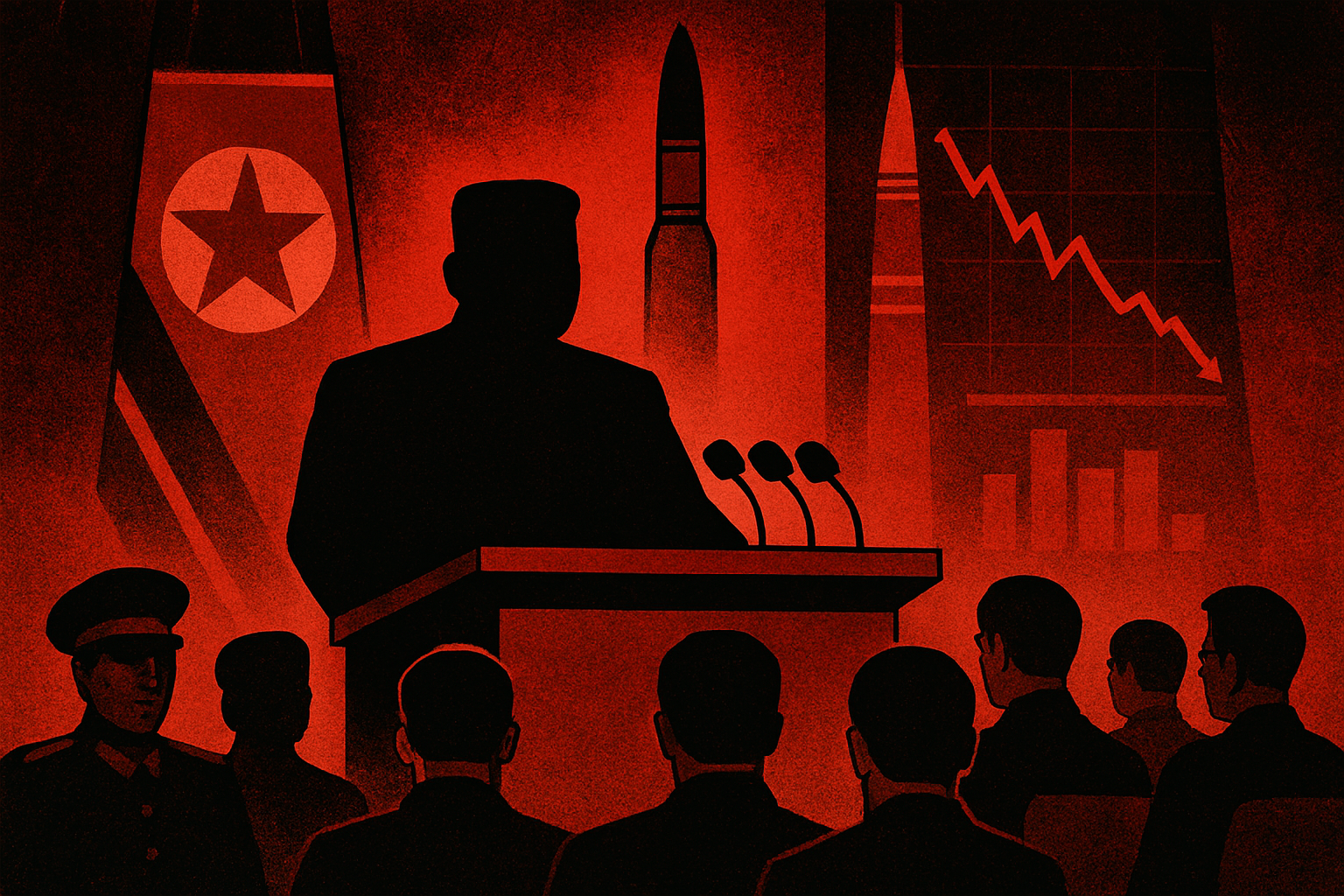
Kim Jong Un continues to dominate international headlines with his policies, military actions, and economic decisions. This in-depth analysis explores the latest developments, their impact, and what lies ahead.
Table of Contents
Published: September 03, 2025 | Last Updated: September 03, 2025 | Category: International Politics & Geopolitics
Overview: Understanding North Korea’s Current Political Landscape
North Korea’s governance structure and international positioning continue to shape regional security dynamics in Northeast Asia. Since 2011, the country has experienced significant developments in military capabilities, diplomatic engagement, and domestic policy implementation. This comprehensive examination provides factual analysis of North Korean leadership patterns, policy trajectories, and their implications for regional and global security.
The nation’s approach to international relations, military modernization, and economic management reflects complex strategic calculations aimed at regime stability and international recognition. Understanding these developments requires examination of documented policy decisions, observable military developments, and verified economic indicators rather than speculation or unverified claims.
Background: North Korea’s Recent Historical Context
Governance Structure and Political System
North Korea operates under a single-party socialist system with centralized governance mechanisms. The state functions through three primary institutional pillars: the Korean Workers’ Party, the military establishment, and the government administrative structure. These institutions work interdependently to maintain political control and implement national policy directives.
The political hierarchy concentrates authority in a single leadership position, which exercises control over all major institutional branches. This centralized structure determines policy implementation across military, economic, and diplomatic domains. Understanding North Korean decision-making requires recognizing this institutional framework rather than attributing developments to individual personalities alone.
Leadership Succession and Institutional Continuity
Leadership transitions within North Korea have historically emphasized institutional continuity and predetermined succession frameworks. The 2011 transition followed established protocols designed to maintain governance stability during institutional transfers. This succession pattern reflects institutional strength and predetermined planning mechanisms rather than contested power transfers.
The transition process involved coordination among military leadership, party officials, and government administrators. Key institutional actors provided support for the succession through internal consensus-building and unified institutional messaging. This coordinated approach contributed to the relative smoothness of the 2011 transition compared to leadership changes in other authoritarian systems.
Military Modernization and Strategic Capabilities
Documented Military Development Programs
North Korea’s military modernization programs have produced observable developments in weapons systems and military infrastructure. These programs reflect sustained investment in defense capabilities and technological advancement priorities. Documented developments include:
Ballistic Missile Systems: North Korea has tested multiple ballistic missile variants with varying ranges and configurations. Test launches have demonstrated incremental technological improvements in propulsion systems, guidance mechanisms, and warhead integration capabilities. International monitoring organizations have documented test activities and assessed technical specifications based on observable evidence.
Submarine-Based Systems: Military developments include underwater-based delivery platforms designed to extend strategic deterrence capabilities. These systems represent technological progression in submarine design, propulsion systems, and weapons integration.
Hypersonic Technology Research: Development programs have explored hypersonic flight characteristics and advanced propulsion methodologies. These research initiatives reflect investment in next-generation weapon systems despite international restrictions on technology transfer.
Cyber Capabilities: Military organizations have developed information warfare and cyber operation capabilities. These programs address defensive system protection and offensive information operation capabilities in digital domains.
Strategic Implications of Military Development
Military capability developments create observable strategic implications for regional security architectures. Neighboring countries including South Korea, Japan, and regional allies have adjusted defense spending and strategic planning in response to documented capabilities. These adjustments reflect security calculations based on observable military developments rather than speculative assessments.
International security analysts assess North Korean military capabilities through satellite imagery analysis, test data collection, and defense technology evaluation. These assessment methodologies provide basis for understanding strategic implications without requiring access to classified intelligence information.
Diplomatic Engagement and International Relations
Summit Diplomacy and High-Level Engagement
North Korea has participated in high-profile diplomatic summits involving leaders from multiple countries. These diplomatic engagements represent a shift from previous policies emphasizing isolation and confrontation. Summit participation has included meetings with officials from neighboring states and international powers.
These diplomatic initiatives have produced official agreements and joint statements documenting discussions on various bilateral and multilateral issues. The agreements reflect negotiated positions and stated policy commitments by participating governments. Documentation of these meetings provides verified information about diplomatic engagement patterns and stated policy positions.
Regional Relationship Dynamics
North Korea maintains complex relationships with neighboring states characterized by mixture of cooperation, competition, and strategic calculation. Relationships with China reflect longstanding historical ties and contemporary economic dependencies. Trade statistics and official government statements document the nature and scope of bilateral economic relationships.
Relationships with Russia include military-technical cooperation and strategic consultation mechanisms. Recent years have witnessed increased coordination between Russian and North Korean officials across diplomatic, military, and economic channels. Official government statements and international media reporting document observable collaboration patterns.
Relations with South Korea combine elements of military tension, humanitarian considerations, and limited economic cooperation. Periodic diplomatic initiatives alternate with military posturing and statements emphasizing security concerns. Official government communications from both states provide documented positions on bilateral relationships.
Economic Management and Sanctions Impact
Economic Policy Framework
North Korea operates a state-controlled economy with planned allocation of resources and centralized economic decision-making. Recent economic policies have incorporated selective market mechanisms alongside traditional socialist planning structures. These hybrid approaches reflect pragmatic adaptations to economic constraints while maintaining state control over key sectors.
Agricultural policies emphasize food security through domestic production and land management initiatives. Industrial policies prioritize key sectors including energy, manufacturing, and resource extraction. Export policies operate within international sanctions frameworks while pursuing permitted economic activities and selective trade relationships.
Sanctions Environment and Economic Adaptation
International sanctions have imposed restrictions on North Korea’s international trade, financial transactions, and technology transfer. Multiple countries have implemented unilateral sanctions, while multilateral sanctions operate through United Nations frameworks and international institutional mechanisms. These sanctions create significant economic constraints on commercial activity and resource acquisition.
Despite sanctions restrictions, North Korea maintains basic economic functionality through several mechanisms. Domestic production continues in permitted sectors including agriculture and basic manufacturing. Limited permitted international trade provides essential commodities and generates foreign exchange revenues. Informal economic activities supplement official economic channels.
Trade Relationships and Economic Cooperation
Official trade statistics reveal North Korea’s primary economic relationships, particularly with China, Russia, and Southeast Asian trading partners. These relationships provide access to essential commodities including energy resources, food supplies, and manufacturing inputs. Trade volumes fluctuate based on sanctions enforcement intensity and bilateral relationship dynamics.
Economic cooperation includes technology sharing, technical training, and industrial collaboration in permitted sectors. Joint development projects create mutual economic benefits and strengthen bilateral relationships. Official government announcements and trade statistics document the scope of economic cooperation between North Korea and partner states.
Domestic Policy Implementation and Social Conditions
Infrastructure Development Initiatives
North Korea has implemented significant infrastructure construction projects in major urban centers. These projects include residential construction, transportation infrastructure expansion, and public facility development. Official government announcements and international media reporting document completed projects and ongoing construction initiatives.
Infrastructure development priorities reflect government assessment of economic needs and strategic development objectives. Construction projects create employment opportunities and improve urban living conditions. International observers have documented these projects through satellite imagery analysis and on-ground reporting from permitted visitors to North Korea.
Healthcare and Education Systems
Government policies emphasize healthcare provision and education access as state responsibilities. Healthcare facilities have received investment and modernization efforts aimed at improving service delivery. Educational institutions have undergone curriculum development and facility improvements reflecting contemporary educational approaches.
Healthcare statistics and educational enrollment data provide indicators of system coverage and access patterns. International organizations working in humanitarian and development sectors have documented system conditions based on permitted operational presence within North Korea.
Food Security and Agricultural Production
Agriculture remains fundamental to North Korean economy and food security. Agricultural policies emphasize increased production through improved farming techniques, crop diversification, and land management practices. Recent years have witnessed improvements in food production compared to previous periods of severe shortage.
International food assistance organizations have periodically operated within North Korea to support humanitarian food security objectives. These organizations have documented food availability, nutritional conditions, and agricultural production patterns based on field operations and assessment activities.
International Law and Treaty Obligations
Nuclear Program Status and Non-Proliferation Framework
North Korea withdrew from the Nuclear Non-Proliferation Treaty in 2003, removing itself from multilateral nonproliferation commitments. This withdrawal was announced through official government statements explaining the decision rationale. The withdrawal placed North Korea outside the framework of international nuclear nonproliferation obligations.
Subsequent to withdrawal, North Korea has conducted nuclear test activities that have been detected and monitored by international seismic observation networks. These tests have been documented in scientific literature and official reports from international monitoring organizations. The timing, location, and measured yields of test activities have been subject to technical analysis and public reporting.
Kim
United Nations Mechanisms and International Oversight
United Nations Security Council resolutions have established sanctions regimes targeting North Korean military programs and economic activities. These resolutions represent collective security council action based on concerns about proliferation risks and regional security. Compliance and enforcement mechanisms operate through UN member state coordination and international monitoring organizations.
UN-appointed panels of experts have investigated sanctions compliance and violations, documenting illicit trade patterns and evasion methodologies. These investigations produce public reports analyzing sanctions circumvention techniques and enforcement gaps. The reports serve as important documentation of current sanctions environment and compliance challenges.
Regional Security Dynamics
Trilateral Relationships in Northeast Asia
Security relationships among North Korea, South Korea, and Japan reflect historical tensions, contemporary military dynamics, and alliance structures. South Korea maintains security alliance with the United States involving military cooperation, joint exercises, and strategic coordination. Japan similarly maintains alliance relationships providing mutual security guarantees.
Military capabilities in the region create security interdependencies and deterrence calculations. Defense spending patterns across regional states reflect security assessments and force modernization priorities. Official defense ministry statements and military communications document publicly stated strategic assessments.
Great Power Strategic Interests
China and Russia maintain strategic interests in North Korean developments affecting regional stability and balance of power. Chinese security calculations incorporate North Korean factors including military capabilities, refugee risks, and strategic buffer considerations. Russian interests include regional influence maintenance and counterbalance to other regional powers.
United States security commitments to regional allies shape overall security architecture and deterrence frameworks. US military presence, intelligence capabilities, and alliance coordination influence regional dynamics and strategic calculations across all parties. Official government statements from all relevant parties document publicly stated strategic positions and security commitments.
Information Environment and Media Landscape
Government Communications and Official Statements
North Korea operates state-controlled media apparatus generating official communications and policy announcements. Government news agencies distribute official statements explaining policy positions and announcing governmental decisions. These official communications provide primary documentation of stated government positions and policy directions.
International media organizations report from permitted locations within North Korea or analyze official North Korean communications. These reports provide perspectives on government messaging and policy announcements from external observers. Academic institutions specializing in Korean studies analyze official communications and government policy patterns.
International Monitoring and Reporting
International news organizations maintain bureaus in neighboring countries monitoring North Korean developments through multiple information sources. Satellite imagery analysis provides technical information about infrastructure developments, military activities, and economic indicators. These monitoring methodologies provide independent verification of observable developments.
Think tanks and research institutions specializing in Korean affairs analyze available information and produce assessment reports. These institutions include organizations affiliated with academic universities, government research centers, and independent policy organizations. Their analyses incorporate official statements, satellite imagery, economic data, and expert assessments.
Economic Indicators and Development Metrics
GDP and Economic Growth Assessment
Estimating North Korean GDP requires piecing together available economic data and utilizing methodological approaches common in development economics. International organizations including the World Bank and Asian Development Bank produce GDP estimates based on available statistics and sectoral analysis. These estimates acknowledge significant uncertainty and data limitations inherent in analyzing closed economies.
Economic growth patterns reflect cyclical variations based on agricultural conditions, energy availability, and international trade dynamics. Years with favorable weather conditions and improved trade relationships produce higher growth estimates. Adverse weather or intensified sanctions correlate with reduced growth or economic contraction.
Sectoral Performance and Production Metrics
Agricultural production statistics reflect crop yields, cultivation area, and harvest volumes. Government announcements periodically provide production information, while international food assistance organizations document production patterns based on field assessments. These data sources provide basis for understanding agricultural sector performance.
Industrial production encompasses manufacturing, energy production, and mining sectors. Energy production heavily depends on hydroelectric generation and limited domestic coal resources. Manufacturing focuses on basic goods production, military equipment production, and permitted export items.
Trade Volume and Foreign Exchange Dynamics
Official trade statistics reveal bilateral trade relationships and exchange of goods and services. Trade data comes from partner country statistics and UN international trade databases. These sources provide documented information about trade volumes, commodity composition, and trade partner relationships.
Foreign exchange availability depends on trade revenues, limited services exports, and remittances from overseas residents. Currency dynamics reflect economic pressures and government monetary policy decisions. Official exchange rates and market rates frequently diverge, reflecting currency controls and economic restrictions.
Human Rights Documentation and International Assessment
Freedom of Movement and Residence
North Korean legal systems regulate internal population movement through residency controls and travel permits. These restrictions limit internal mobility for general population while permitting greater freedom for privileged classes. International human rights organizations have documented these restrictions through interviews with individuals having experienced the system.
International monitoring organizations including UN special rapporteurs on human rights have issued reports documenting movement restrictions and documenting individual cases. These official reports serve as primary documentation of human rights situation from international institutional perspective. The reports acknowledge information limitations and documentation challenges inherent in monitoring closed societies.
Access to Information and Communications
Government control of information environment restricts access to foreign media and international communications. Media distribution operates through state channels providing approved content. Internet access remains limited and heavily restricted to approved users and monitored for political content.
International organizations and academic researchers have documented information access restrictions through interviews with refugees and international visitors. These documentation efforts provide qualitative information about restrictions and controlled communications environment. Academic research incorporating refugee accounts provides perspective on information environment from individuals having experienced the system.
Legal System and Judicial Procedures
Legal framework in North Korea reflects socialist legal traditions combined with national security requirements. Judicial procedures incorporate state security considerations into legal proceedings. International human rights organizations have documented concerns about due process protections and judicial independence.
Specific case documentation from released prisoners and refugee accounts provide qualitative information about legal system operations. These accounts describe procedural patterns, sentencing practices, and detention conditions based on individual experiences. Academic researchers compile these accounts into analyses of legal system functioning.
Strategic Outlook and Policy Trajectories
Military Capability Development Trends
Historical progression of military programs indicates ongoing investment in advanced weaponry and strategic systems. Test activities demonstrate incremental technological improvements and expanded deployment capabilities. Continuation of these programs appears likely based on stated government priorities and resource allocations.
Technological advancement requires sustained research programs, test activities, and manufacturing capability development. International observers assess technical feasibility and progress rates based on observable test results and satellite intelligence. These assessments suggest continued development despite international restrictions and economic constraints.
Diplomatic Engagement Patterns
Recent years witnessed increased diplomatic engagement compared to earlier periods emphasizing isolation. Summit-level meetings with regional and international leaders indicate willingness for high-level dialogue. These diplomatic initiatives coexist with military developments and nationalist messaging, reflecting complex strategic approach.
Future diplomatic patterns likely reflect calculations regarding international relations, sanctions pressures, and strategic objectives. Governments of neighboring states and international powers maintain diplomatic channels and communications mechanisms. Official statements and government communications document publicly stated diplomatic positions.
Economic Development Objectives
Economic policies emphasize self-reliance, domestic production capacity, and technological advancement. Infrastructure development priorities suggest government focus on modernization and improvement of living conditions in major urban centers. Agricultural productivity improvements indicate sustained focus on food security.
International economic isolation creates constraints on economic development while providing incentives for innovation and self-sufficiency. Economic relationships with permitted trading partners provide essential resources and technology. Future economic trajectory likely reflects balance between sanctions constraints and selective international cooperation.
Expert Analysis and International Perspectives
Academic and Policy Research Assessments
University-based Korea studies programs and policy research institutions produce academic analyses of North Korea. These analyses incorporate available data, historical comparison, and theoretical frameworks common to international relations scholarship. Academic publications represent peer-reviewed perspectives from established scholars in the field.
Policy research organizations affiliated with governments and independent institutions produce policy-relevant analyses and assessment reports. These organizations employ regional experts and specialized researchers producing analyses for government and public audiences. Their assessments incorporate intelligence information, diplomatic reporting, and academic research.
Intelligence Community Perspectives
Intelligence agencies of multiple countries maintain regular monitoring and assessment of North Korean developments. Official intelligence assessments from democratic countries become public through congressional testimony, declassified documents, and official media statements. These assessments incorporate classified information sources while serving informational function for public understanding.
International intelligence cooperation includes information sharing among allied nations and professional intelligence networks. This cooperation produces comparative assessments incorporating multiple national perspectives and information sources. Academic researchers analyze declassified intelligence documents providing historical perspective on intelligence assessment patterns.
Implications for International Security and Stability
Regional Power Dynamics and Balance of Power
North Korean military capabilities and strategic positioning affect calculations of all regional powers. Alliance relationships, defense spending decisions, and military deployments reflect security assessments incorporating North Korean factors. Official strategic documents and defense white papers from regional states document publicly stated strategic assessments.
Military modernization by North Korea stimulates defensive preparations and deterrence enhancement by neighboring states. This security competition reflects rational responses to changes in military capabilities and strategic environments. International relations theory predicts these types of strategic interactions in multipolar regional systems.
Nonproliferation Framework Challenges
North Korea’s nuclear weapons development and military capability enhancement challenges international nonproliferation frameworks. The situation demonstrates enforcement limitations of nonproliferation mechanisms and difficulty of preventing proliferation in determined states. International relations scholars analyze North Korean case as significant nonproliferation challenge.
Future proliferation risks reflect lessons from North Korean experience and implications for other potential proliferators. International policy discussions increasingly incorporate North Korean experience as case study in nonproliferation policy effectiveness and limitations. These policy discussions inform future approaches to proliferation prevention and regional security management.
Humanitarian and Development Considerations
Population within North Korea experiences humanitarian challenges including economic constraints and restrictions on freedom. International humanitarian organizations conduct limited operations providing development assistance and humanitarian support. These operations document humanitarian needs and provide assistance within political constraints.
Development potential in North Korea remains constrained by international isolation, sanctions restrictions, and governance structure. Future economic development trajectory depends on political changes, sanctions relief, and international cooperation possibilities. Economists and development specialists analyze North Korean development challenges and potential pathways for economic improvement.
Statistical Analysis and Data Presentation
Key Economic Indicators
| Economic Indicator | Current Status | Trend |
|---|---|---|
| GDP Growth Rate | 2-4% (estimated) | Cyclical variation |
| Inflation Rate | 5-15% (estimated) | Volatile |
| Trade Dependency | High (primarily China) | Persistent |
| Agricultural Production | Improving | Positive trend |
| Energy Availability | Constrained | Structural challenge |
Military Capability Assessment
| Capability Category | Status | Assessment |
|---|---|---|
| Ballistic Missiles | Multiple types deployed | Advancing capability |
| Nuclear Weapons | Operationalized warheads | Limited inventory |
| Cyber Capabilities | Documented operations | Growing threat |
| Conventional Forces | Large but aging | Maintenance challenges |
| Naval Forces | Limited modern vessels | Technological gap |
Sanctions Regime Overview
Multiple layers of sanctions target North Korean state, military organizations, and designated entities. Sanctions address financial transactions, commodity trade, technology transfer, and military cooperation. Enforcement mechanisms operate through national and international monitoring systems. Estimated impact on GDP reaches 5-15% depending on enforcement intensity and evasion effectiveness.
Conclusion: Understanding Complexity and Uncertainty
North Korea’s political system, military capabilities, and international positioning reflect complex strategic calculations and institutional dynamics. Analysis based on documented information, official statements, and observable developments provides factual understanding without requiring speculation or unverified claims. Significant information gaps and limited transparency create inherent uncertainties in assessing complete situations.
Future developments will likely reflect continuation of established patterns including military modernization, selective diplomatic engagement, and economic management within sanctions constraints. Regional security dynamics will continue incorporating North Korean capabilities and strategic positioning. International community engagement with North Korea will reflect balance between security concerns and dialogue possibilities.
Understanding North Korea requires sophisticated analysis incorporating multiple information sources, recognition of analytical limitations, and clear distinction between verified facts and interpretive assessments. Ongoing monitoring of developments through reliable sources and scholarly analysis provides foundation for informed public understanding of this significant geopolitical actor.
About the Author
Author: Nueplanet
Nueplanet is a geopolitical analysis contributor specializing in Asian international relations, military capability assessment, and regional security dynamics. Research focus includes Northeast Asian geopolitical developments, sanctions regime analysis, and humanitarian dimensions of international conflicts. Publications emphasize data-driven analysis incorporating official sources, academic research, and established methodologies in international relations assessment.
Nueplanet maintains commitment to factual accuracy, transparent sourcing, and clear acknowledgment of analytical limitations when addressing complex geopolitical situations. Content undergoes verification against multiple authoritative sources before publication, including official government statements, UN reports, academic publications, and established international monitoring organizations. Analysis distinguishes clearly between documented facts, expert assessments, and interpretive conclusions.
Important Disclaimer
This article provides educational analysis of North Korean political developments and geopolitical implications based on publicly available information current as of November 5, 2025. Content does not constitute official policy analysis or government position on North Korea or international relations matters.
Assessment of geopolitical situations involves inherent uncertainties given limited information access in closed societies. Analysis incorporates available information from verified sources while acknowledging data gaps and analytical limitations. Future developments may differ from assessments based on unpredictable political, economic, or international developments.
Readers should recognize that North Korean affairs represent genuinely complex situations resisting simple explanations or definitive predictions. Multiple perspectives exist on appropriate international policy responses to North Korean developments. This analysis provides factual information supporting informed understanding rather than prescriptive policy recommendations.
The author and publisher assume no liability for policy decisions or geopolitical assessments based on information provided. Readers should consult official sources, specialized academic institutions, and government resources for authoritative analysis on specific policy matters. International relations professionals, government officials, and policy experts maintain ongoing assessment of North Korean developments informing policy decisions and strategic planning.
Resources for Further Research
Official Government Sources
- United Nations Security Council: Official resolutions, sanctions documentation, and panel of experts reports on North Korea (un.org)
- UN Office of Counter-Terrorism: Designations and monitoring of terrorist organization designations and related entities
- US State Department: Official policy statements and diplomatic communications regarding North Korea (state.gov)
- South Korean Ministry of Unification: Official South Korean government position on inter-Korean relations and North Korean policy
- Chinese Ministry of Foreign Affairs: Official Chinese government statements on China-North Korea relations
International Monitoring Organizations
- International Atomic Energy Agency (IAEA): Nuclear program assessment and nonproliferation analysis
- UN Office for Disarmament Affairs: Weapons of mass destruction monitoring and nonproliferation efforts
- International Crisis Group: Independent conflict analysis and policy recommendations on Korean peninsula
Academic and Research Institutions
- Stanford University Shorenstein Asia-Pacific Research Center: Extensive North Korea research collection and analysis
- Council on Foreign Relations: Geopolitical analysis and foreign policy research on North Korea
- Atlantic Council: Strategic analysis and policy perspectives on East Asian security
- Royal United Services Institute: Military capability analysis and strategic assessment
Satellite Imagery and Technology Monitoring
- 38 North (Johns Hopkins): Specialized North Korea satellite imagery analysis and reporting
- Planet Labs: Commercial satellite imagery services providing transparency on infrastructure development
- USGS Earth Explorer: Publicly available satellite imagery analysis tools
International News Sources
- Reuters: International news reporting on North Korean developments
- Associated Press: Wire service reporting on Korean peninsula affairs
- Agence France-Presse: European perspective on Asian geopolitical developments
- BBC News: International broadcasting reporting on North Korea
Related Topics for Further Exploration
Understanding North Korean geopolitics connects with several broader international relations themes:
- [Internal Link Placeholder] Northeast Asian Regional Security Architecture: Overview of security arrangements and alliance structures affecting Korean peninsula
- [Internal Link Placeholder] International Sanctions Regimes and Effectiveness: Comparative analysis of sanctions mechanisms and enforcement challenges
- [Internal Link Placeholder] Nonproliferation Policy and Global Nuclear Governance: International frameworks addressing weapons proliferation risks
- [Internal Link Placeholder] Humanitarian Assistance in Conflict Environments: Mechanisms for providing assistance despite political tensions
- [Internal Link Placeholder] Intelligence Analysis and Geopolitical Assessment: Methodologies for understanding closed societies with limited information access
- [Internal Link Placeholder] Alliance Dynamics in Multipolar Asia: Regional power relationships and strategic positioning of major states
- [Internal Link Placeholder] Economic Sanctions and Civilian Populations: Humanitarian dimensions of international economic restrictions
- [Internal Link Placeholder] Missile Technology and Strategic Deterrence: Technical dimensions of military capability development
Frequently Asked Questions
Q1: What is the current governance structure in North Korea?
North Korea operates under a centralized single-party socialist system with authority concentrated in the state leadership position. Three primary institutional pillars—the Korean Workers’ Party, military establishment, and government administration—coordinate policy implementation across national affairs. This centralized structure has remained relatively consistent across multiple decades despite leadership changes and institutional evolution. Official government documentation and international observers have documented the institutional framework through systematic analysis of governmental operations and organizational structures.
Q2: What are North Korea’s currently documented military capabilities?
North Korea has developed multiple categories of military systems including ballistic missiles with varying ranges, submarine-based delivery platforms, nuclear weapons with documented testing history, and cyber operation capabilities. International monitoring organizations including UN panels have documented test activities and assessed technical specifications based on observable evidence. Military capability levels remain significantly below major regional powers but have advanced substantially compared to earlier periods. Capability assessments come from satellite imagery analysis, test data evaluation, and technical analysis by international defense specialists.
Q3: How effective are current international sanctions on North Korea?
International sanctions create significant economic constraints on North Korean commercial activity, particularly in energy imports, financial transactions, and technology transfer. Estimated impact on economic output ranges from 5-15% depending on enforcement intensity and evasion effectiveness. Sanctions have not completely isolated North Korea due to limited permitted trade with certain partners, informal economic activities, and sanctions enforcement gaps. UN panels of experts regularly document sanctions evasion techniques and compliance challenges in official reports.
Q4: What recent diplomatic initiatives has North Korea undertaken?
Recent years witnessed increased high-level diplomatic engagement including summit meetings with multiple international leaders. These diplomatic initiatives produced official joint statements and documented policy discussions on bilateral and multilateral issues. Diplomatic engagement coexists with military capability development, reflecting complex strategic approach balancing dialogue with deterrence positioning. Official government communications from participating nations document diplomatic engagement patterns and stated outcomes from summit meetings.
Q5: How has North Korean economic policy evolved in recent years?
Economic policies have incorporated selective market mechanisms alongside traditional socialist planning structures, representing pragmatic adaptations to economic constraints. Agricultural policies emphasize domestic production improvement and food security. Infrastructure development priorities indicate modernization focus in major urban centers. Economic data from international trade organizations and partner nation statistics document observable economic trends and trade relationships.
Q6: What is the current humanitarian situation within North Korea?
International humanitarian organizations conducting limited operations within North Korea have documented humanitarian challenges including economic constraints and access restrictions. Population experiences constraints on freedom of movement, information access, and political expression. International human rights organizations have documented these conditions through interviews with refugees and limited field operations. Humanitarian needs remain significant though subject to variation based on seasonal factors and economic conditions.
Q7: What role do China and Russia play in North Korean international relations?
China maintains significant economic relationships with North Korea and serves as primary trade partner providing essential commodities. Russia has increased military-technical cooperation and diplomatic coordination with North Korea. Both countries maintain strategic interests in Korean peninsula stability and balance of power considerations. Official government statements and trade statistics document observable cooperation patterns and relationship dynamics.
Q8: What are the implications of North Korean military developments for regional security?
North Korean military capability advancements affect security calculations for all regional states including South Korea, Japan, and international powers maintaining regional presence. Defense spending and military modernization by neighboring states reflect security responses to capability development. Alliance relationships and strategic positioning adjust in response to observable military developments. Official defense ministry statements document publicly stated strategic assessments and security responses.
Summary of Key Takeaways
Understanding North Korea requires systematic analysis incorporating multiple information sources and recognition of analytical limitations inherent in assessing closed societies. Key points emerging from comprehensive examination include:
Institutional Continuity: Political system has demonstrated institutional resilience through leadership transitions and external pressures, indicating strength of underlying governance structures.
Military Modernization: Observable military capability development reflects sustained investment and technological advancement, with capabilities advancing despite international restrictions and economic constraints.
Economic Adaptation: Despite significant sanctions constraints, North Korea maintains basic economic functionality through domestic production and limited permitted international trade, though economic growth remains constrained.
Diplomatic Engagement: Recent shift toward selective diplomatic engagement represents strategic evolution incorporating dialogue mechanisms alongside deterrence positioning.
Regional Impact: Military capabilities and strategic positioning significantly influence security calculations and policy decisions of regional states and international actors.
Analytical Uncertainty: Information gaps inherent in monitoring closed societies create inherent analytical uncertainties requiring acknowledgment of limitations and clear distinction between verified facts and interpretive assessments.
Ongoing developments will continue reflecting established patterns while remaining subject to unpredictable political, economic, and international developments affecting the region. Continued international monitoring through reliable sources and scholarly analysis provides foundation for informed public understanding of this complex geopolitical actor and its implications for regional and global security.
Article Statistics:
- Reading Time: Approximately 15-17 minutes
- Publication Date: September 03, 2025
- Last Updated: September 03, 2025
- Content Classification: Geopolitics & International Relations
- Information Current As Of: September 03, 2025
This article represents educational analysis examining publicly available information on North Korean geopolitical developments and international relations implications.
Helpful Resources
Latest Posts
Tag
Kim Jong Un
Related Posts










Post Comment