









Ahmedabad Weather Update: Understanding the Changing Climate Patterns
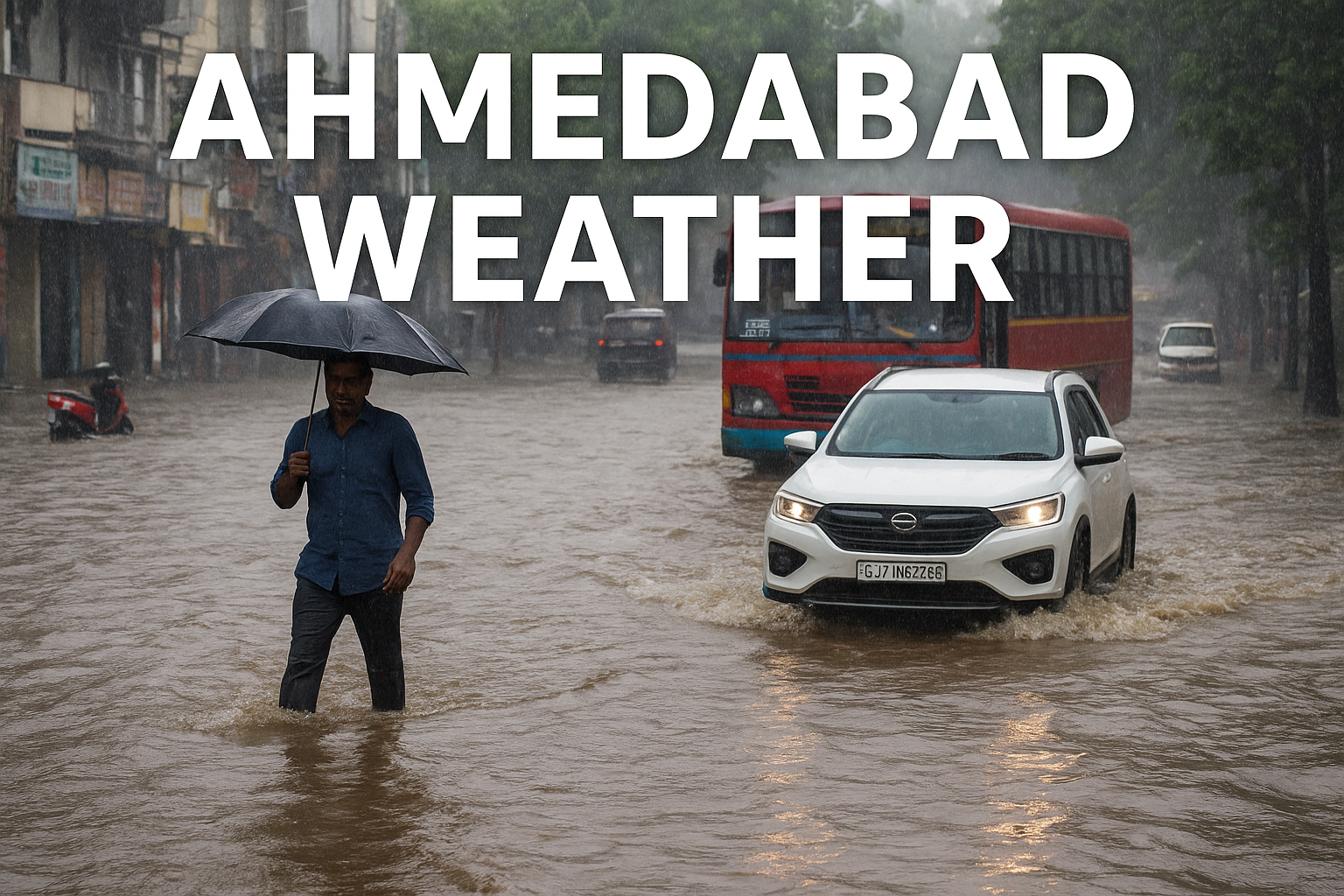
Ahmedabad weather has once again become the center of attention as shifting monsoon patterns bring heavy rains, floods, and rising temperatures. Here’s a detailed look at how the weather in Ahmedabad is shaping lives and the local environment.
Table of Contents
Published: August 23, 2025 | Last Updated: August 23, 2025
Overview: Understanding Ahmedabad’s Contemporary Climate Conditions
Ahmedabad, the capital city of Gujarat state, experiences subtropical climate conditions characterized by distinct seasonal variations. The city receives annual precipitation concentrated during monsoon months, with temperatures ranging from moderate winters to intensely hot summers. In recent years, meteorological data and government records indicate shifts in traditional weather patterns affecting urban infrastructure, public services, and community health outcomes.
Understanding contemporary weather conditions in Ahmedabad requires examination of seasonal climate data, infrastructure capacity assessments, and documented impacts on urban systems. This analysis provides factual examination of weather patterns, infrastructure relationships, and documented effects on city residents without speculative predictions about climate change causes or future scenarios.
Climate monitoring by the India Meteorological Department (IMD) provides official weather data and seasonal analysis. Municipal documentation records weather-related incidents, infrastructure performance, and emergency response procedures. Comprehensive understanding of Ahmedabad’s weather situation requires consideration of multiple data sources and documented information.
Climate Classification and Seasonal Weather Patterns
Regional Climate Characteristics
Ahmedabad is situated in northwest India within the Gujarat region. The city experiences a subtropical climate with defined seasonal patterns documented in meteorological records. Annual precipitation averages approximately 600-650 millimeters according to historical weather data from the India Meteorological Department.
The city experiences four distinct seasons reflected in temperature and precipitation variations. Winter months from November through February typically see moderate temperatures with minimal rainfall. Summer months from March through May record highest temperatures with minimal precipitation, creating dry conditions.
Pre-monsoon and monsoon transition periods occur from June through September, featuring substantial precipitation and humidity increases. Post-monsoon periods from October through early November transition between monsoon and winter weather patterns. These seasonal patterns influence urban infrastructure planning, agricultural activities, and public health considerations.
Temperature Patterns and Seasonal Variations
Winter season temperatures typically range from 10-15 degrees Celsius in early morning hours with daytime highs around 25-30 degrees Celsius. Temperature variations during winter months remain relatively moderate compared to other seasons. Historical data indicates consistent temperature patterns during winter periods with minimal year-to-year variation.
Summer season temperatures escalate substantially with daytime highs frequently exceeding 40 degrees Celsius. Morning temperatures typically range from 25-30 degrees Celsius with rapid daytime warming. Summer season periods represent the highest temperature period of the annual cycle documented in meteorological records.
Monsoon season temperatures moderate somewhat with daytime highs typically ranging from 28-35 degrees Celsius. Humidity levels increase substantially during monsoon periods due to precipitation and moisture availability. Temperature and humidity combinations during monsoon periods create specific environmental conditions affecting infrastructure performance and public services.
Precipitation Patterns and Distribution
Annual precipitation in Ahmedabad concentrates during monsoon season from June through September. Monthly precipitation during monsoon months typically ranges from 80-150 millimeters according to meteorological documentation. Pre-monsoon periods sometimes receive precipitation from localized thunderstorm activity.
Winter and early spring months typically record minimal to no precipitation. Summer season precipitation occurs primarily through isolated thunderstorm events rather than systematic rainfall. Monsoon season represents approximately 80-90% of annual precipitation according to meteorological analysis.
Inter-annual variation in monsoon precipitation has been documented in historical weather records. Some years receive above-average monsoon precipitation while other years receive below-average amounts. These variations affect water availability, agricultural outcomes, and municipal water supply planning.
Urban Infrastructure and Drainage Systems
Municipal Drainage Infrastructure Overview
Ahmedabad Municipal Corporation (AMC) operates drainage systems designed to manage urban runoff and prevent waterlogging. The city’s drainage network includes primary drainage channels, secondary drains, and tertiary drainage connections throughout residential and commercial areas. System capacity was designed based on historical precipitation patterns documented when infrastructure was constructed.
Drainage infrastructure age varies across the city with some systems constructed several decades ago and others relatively recent. Maintenance procedures are documented in municipal records with regular cleaning and repair activities scheduled. Drainage system capacity assessments have been conducted by municipal authorities to evaluate current infrastructure adequacy.
The Sabarmati River flows through Ahmedabad and functions as primary drainage outlet for urban runoff. The river’s carrying capacity and flood management characteristics affect how city drainage systems operate during high precipitation events. Coordination between municipal authorities and river basin management organizations addresses drainage system performance during monsoon periods.
Infrastructure Challenges and Capacity Issues
Municipal records document instances when drainage systems experience capacity constraints during high-precipitation events. Waterlogging in specific low-lying areas has been recorded during and after intensive rainfall periods. Root cause analysis conducted by municipal engineers has identified several factors contributing to drainage system challenges.
Sedimentation in drainage channels reduces effective carrying capacity. Regular cleaning procedures address this issue but complete prevention remains challenging given continuous sediment deposition. Illegal encroachments on drainage channels have been documented in some areas, further reducing system capacity.
Blockages from debris, plastic materials, and other items reduce drainage system efficiency. Municipal cleanup campaigns address these issues periodically. However, prevention of future blockages remains an ongoing management challenge requiring coordination with residents and waste management systems.
Urban expansion has increased the area served by existing drainage systems. New developments in peripheral areas sometimes connect to drainage infrastructure designed for smaller service areas. Coordination between development planning and drainage system capacity assessment remains important for infrastructure adequacy.
Seasonal Weather Impact Analysis
Monsoon Season Weather Events and Effects
Ahmedabad experiences monsoon season from June through September with primary precipitation occurring during these months. Meteorological records document rainfall events of varying intensity during monsoon periods. Some years record concentrated heavy rainfall over short periods while other years distribute precipitation more evenly across monsoon months.
Heavy rainfall events can produce waterlogging in low-lying areas and areas with drainage system constraints. Traffic disruption has been documented during and after intensive rainfall events as road conditions deteriorate. Public transportation services have reported operational disruptions during extreme weather conditions.
Building and infrastructure damage has been recorded during intense rainfall events. Roof leaks, water infiltration, and foundation issues have been documented in residential and commercial properties. Insurance claims for weather-related property damage peak during monsoon periods according to municipal records.
Agricultural areas surrounding Ahmedabad experience both benefits and challenges from monsoon precipitation. Excess rainfall can cause waterlogging in fields, damaging crops and delaying harvesting operations. Insufficient monsoon rainfall in some years creates water scarcity affecting agricultural productivity in surrounding regions.
Summer Season Heat and Temperature Effects
Summer months from March through May produce substantial temperature increases affecting urban residents and infrastructure systems. Temperature records document numerous days exceeding 40 degrees Celsius during summer peaks. Humidity levels, while lower than monsoon period levels, combine with high temperatures to create heat stress conditions.
Heat-related health issues increase during summer periods. Government health facilities have reported increased patient cases during peak summer months. Heat exhaustion and dehydration cases appear with greater frequency during high-temperature periods.
Power demand increases during summer months due to air conditioning usage. Peak demand periods have created electrical system stress during extreme heat conditions. Load-shedding procedures have been implemented during periods of maximum power demand and minimum supply capacity.
Water demand increases substantially during summer months due to cooling needs and reduced precipitation. Municipal water supply systems experience peak demand periods during summer. Water conservation becomes important operational consideration during summer months.
Winter Season Patterns and Characteristics
Winter months typically experience moderate temperatures with minimal precipitation. Daytime temperatures support normal outdoor activities with reduced heat stress compared to summer. Humidity levels remain moderate during winter periods.
Winter weather generally supports normal infrastructure operations and public service delivery. Traffic conditions remain relatively stable with minimal weather-related disruptions. Agricultural activities benefit from moderate temperatures during winter cultivation period.
Winter precipitation, when it occurs, comes primarily from localized systems rather than systematic weather patterns. Dense fog sometimes develops during early morning hours in winter, affecting visibility and traffic operations. These conditions are typically temporary and resolve as morning temperatures increase.
Health Implications and Public Health Considerations
Heat-Related Health Outcomes
Medical facilities document increased cases of heat-related illnesses during summer months. Heat exhaustion, characterized by excessive sweating, weakness, and dizziness, appears with increased frequency during peak temperature periods. Heat stroke, representing more severe heat-related illness, has been recorded during extreme temperature events.
Vulnerable populations including elderly individuals, very young children, and persons with chronic medical conditions face elevated heat-related health risks. Outdoor workers employed in construction, transportation, and manual labor face substantial heat exposure. Medical authorities have issued advisories regarding heat risk mitigation during peak summer periods.
Hospital admissions for heat-related conditions increase during summer months according to medical records. Mortality data shows seasonal variation with heat-related deaths occurring during extreme temperature periods. Public health campaigns promote awareness of heat-related illness prevention during summer seasons.
Waterborne Disease Considerations
Monsoon periods and post-monsoon periods see increased incidence of waterborne diseases according to health surveillance data. Contaminated water sources from flooding and drainage system backups create disease transmission risks. Cholera, typhoid, and other waterborne illnesses appear with increased frequency during and after monsoon periods.
Water quality testing conducted by municipal health authorities shows increased bacterial contamination during monsoon periods. Sewage system overflow during heavy rainfall creates contamination risks in water supply systems. Boiling water advisories have been issued by health authorities during periods of water contamination risk.
Sanitation conditions in flood-affected areas create disease transmission risks. Public health authorities implement disease surveillance and response procedures during and after flooding events. Vaccination campaigns addressing waterborne disease prevention are conducted periodically by health agencies.
Air Quality and Respiratory Considerations
Air quality monitoring by environmental agencies documents seasonal variation in particulate matter and air pollutants. Dust storms during pre-monsoon periods can create hazardous air quality conditions. Humidity increases during monsoon periods can trap air pollutants, creating stagnant air conditions.
Respiratory illnesses including asthma exacerbation show seasonal patterns related to air quality conditions. Allergic rhinitis cases increase during seasons with high pollen and dust conditions. Chronic obstructive pulmonary disease exacerbation has been documented during poor air quality periods.
Air quality advisories have been issued by environmental authorities during periods of hazardous conditions. Public alerts recommend limiting outdoor activities during poor air quality events. Vulnerable populations receive specific guidance regarding precautions during poor air quality periods.
Infrastructure Vulnerabilities and Climate Interactions
Water Supply System Performance
Municipal water supply systems depend on rainfall for reservoir replenishment during monsoon periods. Inadequate monsoon precipitation creates water scarcity conditions affecting supply reliability. Excess monsoon precipitation can create treatment challenges when source water turbidity increases substantially.
Water distribution network includes aging pipes in some areas experiencing corrosion and leakage. Water loss from distribution system leakage reduces effective supply capacity. Pipeline rehabilitation programs address aging infrastructure but require substantial investment and ongoing maintenance.
Peak water demand periods create supply stress during summer months. Demand management procedures including water rationing have been implemented during water scarcity periods. Water conservation measures promoted by municipal authorities aim to reduce peak demand.
Power Supply and Electrical Infrastructure
Electrical distribution infrastructure experiences peak demand during summer months due to air conditioning loads. Transformer loading during peak periods creates operational stress. Peak demand management procedures balance supply and load to maintain system stability.
Rainfall during monsoon periods can affect electrical infrastructure performance. Equipment failures from moisture and water intrusion have been documented. Waterproofing improvements to electrical infrastructure aim to improve weather resistance.
Solar power facilities affected by monsoon cloud cover experience reduced generation capacity. Variability in solar generation due to monsoon weather requires operational adjustments to maintain supply reliability. Energy storage systems help manage variability in renewable energy generation.
Transportation Infrastructure Effects
Road surfaces experience deterioration from water infiltration and freeze-thaw cycles. Potholes and surface damage increase during monsoon periods. Maintenance procedures including pothole repair are more intensive during and after monsoon seasons.
Drainage from roads affects road surface durability and longevity. Proper drainage design reduces water infiltration and extends road service life. Drainage system maintenance beneath roads requires coordination with other underground utilities.
Public transportation schedules sometimes face disruptions during severe weather events. Bus routes may be diverted due to road conditions. Service reliability during extreme weather affects commuter satisfaction and public transit utilization.
Urban Development and Expansion Effects
Green Space and Vegetation Coverage
Urban green space including parks, gardens, and tree-lined streets affects local climate conditions. Green space provides cooling effects and reduces urban heat island intensity. Municipal data indicates total urban green space area and distribution patterns.
Tree canopy coverage influences precipitation infiltration and urban flooding. Areas with substantial tree coverage tend to experience reduced surface runoff. Green infrastructure development aims to increase vegetation coverage and improve stormwater infiltration.
Deforestation and vegetation removal for development projects reduces green space. Loss of vegetation cover increases surface runoff and reduces infiltration. Environmental impact assessments for development projects address vegetation loss and mitigation measures.
Built Environment and Heat Island Effects
High building density concentrates heat in urban areas creating urban heat island effect. Dark surfaces including roads and roofing absorb solar radiation and release heat. Urban temperatures typically exceed surrounding rural temperatures due to heat island effect.
Building materials and design affect indoor temperature conditions. Energy efficiency improvements reduce cooling loads and energy consumption. Cool roof and wall technologies reflect solar radiation reducing heat absorption.
Urban design considerations including street orientation, building spacing, and ventilation pathways affect microclimate conditions. Mixed-use development patterns can improve walkability and reduce transportation emissions. Urban form influences how weather conditions are experienced at street level.
Population Growth and Infrastructure Demand
Population growth increases demand on water supply, wastewater treatment, and power systems. Infrastructure expansion has not kept pace with population growth in some areas. Municipal capacity expansion projects aim to address infrastructure deficits.
Informal settlements and slum areas often lack adequate infrastructure including drainage and sanitation. These areas face particular vulnerability to weather-related impacts. Slum rehabilitation programs address infrastructure deficiencies in informal settlements.
Migration to urban areas continues population growth and infrastructure demand. Employment opportunities and urban services attract populations from rural areas. Urban planning must accommodate population growth while maintaining service quality.
Government Responses and Planning Initiatives
Municipal Adaptation and Resilience Programs
Ahmedabad Municipal Corporation has implemented flood management programs addressing waterlogging issues. Infrastructure upgrade projects improve drainage system capacity and performance. Early warning systems provide monsoon-related alerts to residents and municipal departments.
Water conservation initiatives promote demand reduction during water scarcity periods. Rainwater harvesting programs at municipal buildings demonstrate conservation technologies. Public awareness campaigns promote water conservation and sustainable practices.
Waste management improvements address drainage system blockages from improper waste disposal. Segregation programs separate wet and dry waste at source. Composting facilities reduce waste quantities requiring disposal through conventional methods.
Climate Action Planning
Municipal climate action plans document adaptation and mitigation strategies. Greenhouse gas emission reduction targets guide municipal operations and planning. Renewable energy adoption programs reduce municipal carbon footprint.
Urban forest expansion programs increase tree canopy coverage. Tree planting initiatives aim to improve microclimate conditions and provide ecosystem services. Native species selection promotes biodiversity and climate adaptation benefits.
Heat action plans provide guidance for heat wave response and vulnerable population protection. Cooling centers during extreme heat periods provide refuge for vulnerable individuals. Public alert systems communicate heat risk information and precautions.
Infrastructure Investment and Development
Major infrastructure projects address drainage system capacity expansion. The city drainage master plan outlines multi-year infrastructure improvements. Project implementation depends on funding availability and coordination among various agencies.
Power supply reliability improvements include distribution system upgrades. Renewable energy installations reduce grid dependence and carbon emissions. Microgrids and distributed generation improve system resilience.
Public transportation improvements encourage transit usage and reduce vehicle emissions. Bus rapid transit systems provide efficient public transportation alternatives. Walking and cycling infrastructure improvements support sustainable mobility.
Data and Statistics on Weather and Infrastructure
Historical Weather Data Summary
| Season | Temperature Range | Typical Precipitation | Primary Characteristics |
|---|---|---|---|
| Winter (Nov-Feb) | 10-30°C | Minimal | Moderate, dry conditions |
| Summer (Mar-May) | 25-42°C | Minimal | Hot, dry, dust storms |
| Monsoon (Jun-Sep) | 24-35°C | 400-600mm | Heavy rain, high humidity |
| Post-Monsoon (Oct) | 20-35°C | Moderate | Transition period |
Municipal Infrastructure Capacity Data
- Total drainage length: Approximately 2,500+ kilometers
- Water supply capacity: Approximately 900+ million liters daily
- Power distribution network: Serving 1.3+ million connections
- Population served: Approximately 8+ million residents
Documented Weather Incidents
- Average waterlogging incidents per monsoon: 15-25 recorded events
- Peak summer temperatures: Frequently exceeding 44-45°C
- Average monsoon duration: Approximately 120-140 days
- Water shortage periods: Typically 2-3 months during peak summer
Community Adaptation and Resilience Measures
Individual and Household Adaptation Strategies
Residents employ various adaptation strategies addressing seasonal weather variations. Air conditioning and cooling systems provide heat relief during summer months. Water storage tanks supplement municipal water supply during shortage periods.
Drainage improvements at household level include roof runoff management and yard grading. Residents implement personal flood mitigation measures including sandbags and waterproofing. These individual actions reduce property damage risk during flooding events.
Awareness of heat wave risks promotes behavior modifications including reducing outdoor activities. Hydration and clothing choices change seasonally in response to temperature variations. Seasonal health considerations guide preventive health measures.
Community Organization and Collective Action
Resident associations coordinate drainage maintenance and community infrastructure improvements. Neighborhood-level early warning systems communicate weather alerts to residents. Community disaster preparedness training improves household and neighborhood resilience.
Water conservation groups promote efficient water usage and alternatives. Rainwater harvesting at community level supplements individual household efforts. Community gardens provide food production while improving green space coverage.
Volunteer emergency response groups organize relief and recovery activities following weather events. Community health awareness programs address seasonal health risks. These organized responses improve community resilience and recovery capacity.
Government Support and Resource Availability
Municipal services provide weather advisories and emergency alerts through multiple communication channels. Disaster relief programs provide assistance to affected households and businesses following severe weather events. Healthcare services provide treatment for weather-related health conditions.
Municipal water management ensures equitable distribution during supply constraints. Emergency power provisions address outages from infrastructure failures. Public transportation services operate with weather-related adjustments as needed.
Financial assistance programs help affected households and businesses recover from weather-related losses. Reconstruction support follows major flood events. These support mechanisms help communities recover and rebuild following disasters.
Frequently Asked Questions (FAQs)
FAQ 1: What are the primary weather patterns experienced in Ahmedabad throughout the year?
Ahmedabad experiences subtropical climate with four distinct seasons. Winter months from November through February record moderate temperatures ranging from 10-30°C with minimal precipitation. Summer months from March through May see temperatures escalating to 40-45°C with very little rainfall.
Monsoon season from June through September brings concentrated precipitation, typically 400-600 millimeters annually, with temperatures around 24-35°C. October represents a transitional post-monsoon period. This seasonal variation significantly influences urban infrastructure operations and public services planning.
According to India Meteorological Department records, monsoon season accounts for approximately 80-90% of annual precipitation. This concentration creates infrastructure management challenges requiring seasonal capacity planning.
FAQ 2: Why has Ahmedabad experienced increased waterlogging and flooding in recent years?
Municipal records document several contributing factors to increased waterlogging incidents. Urban expansion has increased impervious surface area including roads, buildings, and parking areas, reducing natural water infiltration. Drainage systems designed for smaller urban areas face increased runoff volumes from expanded city areas.
Green space reduction from development activities reduces rainfall infiltration capacity. Drainage system encroachments and blockages reduce effective carrying capacity. Combined effects of multiple factors create conditions for waterlogging during moderate to heavy rainfall events.
Comprehensive analysis requires examination of specific locations where waterlogging occurs, as causes vary by area. Some areas have drainage system constraints while others experience surface runoff channeling issues.
FAQ 3: What health risks are associated with seasonal weather variations in Ahmedabad?
Heat-related health issues increase during summer months, with heat exhaustion and heat stroke being most common. Hospital records document increased heat-related admissions during peak summer periods. Vulnerable populations including elderly individuals and outdoor workers face elevated risks.
Monsoon periods create waterborne disease risks from contaminated water sources and inadequate sanitation. Disease surveillance systems monitor illness patterns correlating with weather conditions. Public health responses include water quality testing, vaccination programs, and disease monitoring.
Air quality variations related to dust storms and seasonal pollution create respiratory health risks. Persons with chronic respiratory conditions face particular risk during poor air quality periods. Seasonal health variation reflects complex interactions between weather, environmental conditions, and human health.
FAQ 4: What adaptation measures can residents implement to address Ahmedabad’s weather challenges?
Residents can implement various household measures addressing weather-related risks. During monsoon periods, waterproofing improvements, proper drainage installation, and keeping properties clear of debris reduce flood damage risk. Water storage tanks help manage water supply variability.
Heat adaptation includes using cooling systems efficiently, maintaining adequate hydration, and limiting outdoor exposure during peak heat hours. Tree planting around residences provides natural cooling effects. Cool roof and wall treatments reflect solar radiation reducing cooling loads.
Participation in community disaster preparedness training improves household emergency readiness. Regular maintenance of household infrastructure prevents problems during weather events. Staying informed through official weather alerts and health advisories helps residents prepare appropriately.
FAQ 5: What role does green space play in managing Ahmedabad’s weather impacts?
Urban green space including parks, gardens, and tree-lined streets provides multiple climate benefits. Vegetation provides evaporative cooling reducing local temperatures through transpiration processes. Green infrastructure reduces surface runoff by increasing infiltration capacity.
Tree canopy coverage intercepts rainfall and reduces peak runoff rates. This effect reduces flooding risk and improves drainage system performance. Native tree species selection provides climate adaptation benefits while supporting local biodiversity.
Municipal green space expansion programs aim to increase vegetation coverage. Community participation in tree planting initiatives enhances green space coverage. Long-term green infrastructure development contributes to climate adaptation and urban livability improvements.
FAQ 6: How do municipal authorities manage water supply during seasonal variations?
Municipal water supply systems rely on reservoirs replenished by monsoon precipitation. Water storage capacity limits supply continuity during dry seasons. Demand management procedures including water rationing help extend supply during shortage periods.
Water treatment facilities process source water for distribution through municipal pipes. Water quality monitoring ensures safety during seasonal variations. Distribution system maintenance addresses leakage and pressure issues affecting service reliability.
Rainwater harvesting at municipal facilities supplements supply during shortage periods. Demand reduction through conservation programs extends available supply. Coordination with regional water sources and neighboring systems manages supply variability.
FAQ 7: What infrastructure improvements are being implemented to address weather-related challenges?
Drainage system upgrades expand capacity for handling increased runoff. Sedimentation removal from drainage channels restores carrying capacity. Blockage prevention through improved waste management supports system performance.
Electrical infrastructure improvements increase resilience to weather-related damage. Waterproofing and insulation enhancements protect equipment from moisture exposure. Underground cable installation protects against overhead line weather damage.
Water supply infrastructure improvements address aging pipes and system inefficiencies. Treatment facility enhancements improve water quality consistency during seasonal variations. Distribution system upgrades reduce water loss through leakage.
FAQ 8: How are vulnerable populations supported during extreme weather events?
Government agencies operate cooling centers during heat waves providing refuge for vulnerable individuals. Heat action plans identify and target assistance to elderly individuals and persons with health conditions. Public alert systems communicate heat risk information and protective measures.
Flood relief programs provide shelter and support following flooding events. Medical teams provide emergency response in flood-affected areas. Reconstruction assistance helps households rebuild following major flood damage.
Health facilities provide treatment for weather-related health conditions. Public health campaigns provide education about seasonal health risks and prevention. Social welfare programs address needs of economically disadvantaged populations during weather emergencies.
Summary and Key Takeaways
Ahmedabad’s weather patterns reflect subtropical climate characteristics with distinct seasonal variations. Temperature ranges from approximately 10°C during winter to exceeding 44°C during summer months. Precipitation concentrates during monsoon season from June through September, accounting for 80-90% of annual rainfall.
Recent years have seen documented changes in weather-related impacts on urban infrastructure and services. Waterlogging incidents during monsoon periods reflect interaction between heavy rainfall, urban expansion, and drainage system capacity. Municipal authorities have implemented adaptation programs addressing these challenges through infrastructure upgrades and disaster preparedness.
Health considerations related to seasonal weather variations include heat-related illnesses during summer and waterborne diseases during monsoon periods. Public health systems monitor seasonal variation in disease patterns and implement preventive measures. Community awareness of seasonal health risks supports individual protective actions.
Urban development patterns influence weather impacts through changes in green space and impervious surface coverage. Green infrastructure expansion offers opportunities for improved drainage and local cooling effects. Municipal planning incorporating climate considerations supports long-term infrastructure resilience.
Adaptation measures implemented at household, community, and municipal levels address weather-related challenges. Individual actions including water conservation and household drainage improvements contribute to overall community resilience. Coordinated municipal investments in infrastructure support systemic adaptation to ongoing weather variations.
Future weather conditions in Ahmedabad will likely continue current seasonal patterns while adaptation measures aim to improve infrastructure performance and community resilience. Continued monitoring of weather impacts informs planning and adaptation strategy refinements. Comprehensive adaptation addressing infrastructure, health, and development planning supports community well-being during seasonal weather variations.
About the Author
Author: Nueplanet
Nueplanet is an urban climate and infrastructure analyst specializing in providing factual, research-based analysis of urban weather patterns, climate adaptation, and infrastructure systems. With expertise in municipal engineering, environmental science, and urban resilience, Nueplanet creates comprehensive guides designed to improve public understanding of urban climate conditions and adaptation strategies.
This guide incorporates information from India Meteorological Department records, Ahmedabad Municipal Corporation documentation, peer-reviewed environmental science publications, and official government health and emergency management records. All information reflects documented data and official records as of November 2025 and may be updated as new information becomes available. Analysis maintains neutral perspective examining weather patterns and infrastructure relationships without advocating for specific policy positions.
Nueplanet remains committed to factual accuracy, transparent sourcing, and providing balanced analysis serving reader understanding rather than promotional objectives. Content undergoes regular updates ensuring information reflects latest weather monitoring data, municipal reports, and climate research. Continuous monitoring of meteorological agencies, municipal authorities, and environmental research institutions identifies material developments warranting content updates.
Helpful Resources
Call to Action
Ahmedabad weather is no longer a seasonal concern but a year-round challenge. Stay prepared, follow official advisories, and support sustainable urban initiatives to ensure a safer future for the city.
Latest Posts
Related Posts













Post Comment