









Ola Share Price: Current Trends, Analysis, and Investment Outlook
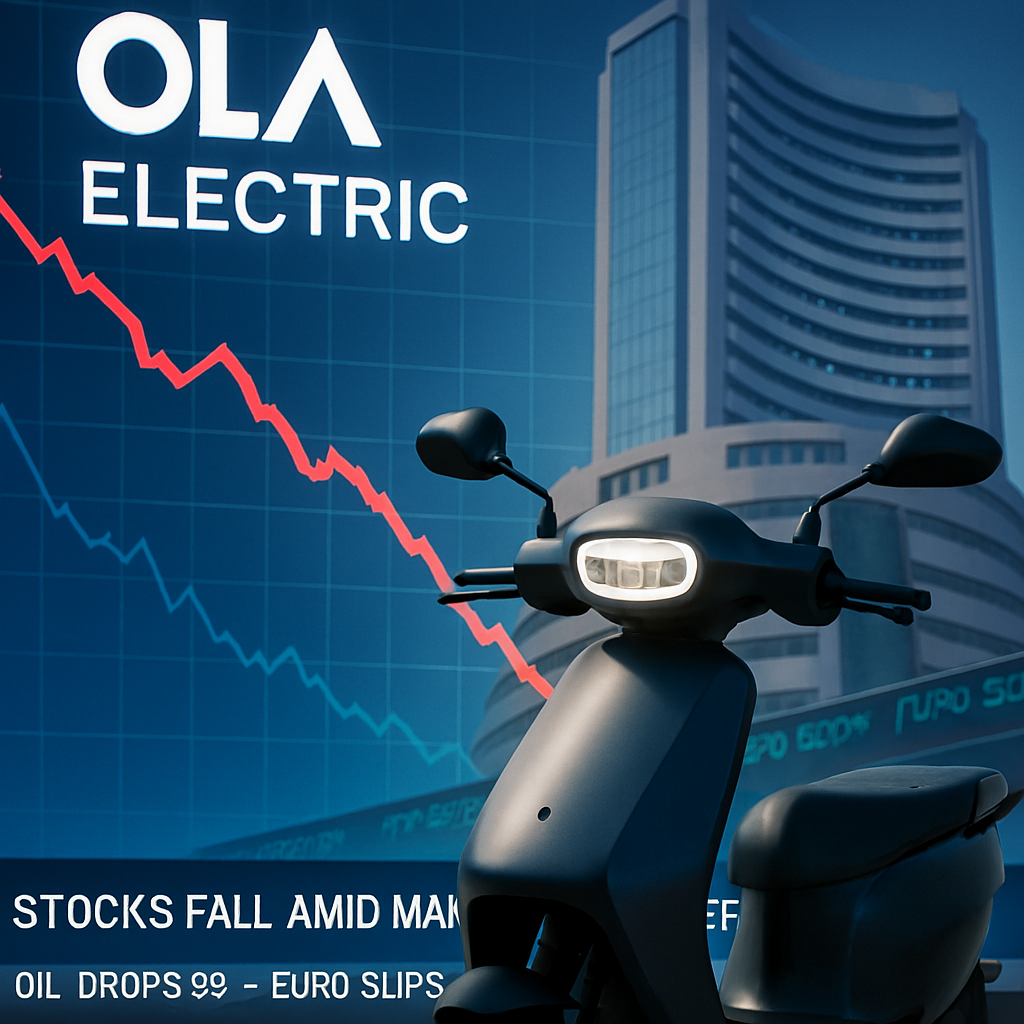
Ola Electric shares have experienced significant volatility in 2025, with analysts suggesting potential further declines. This article provides a detailed analysis of Ola share price, market trends, and expert recommendations.
Table of Contents
Introduction: Understanding Ola Electric’s Market Position
Ola Electric Mobility Limited (NSE: OLAELEC) operates as a significant participant in India’s electric vehicle sector. The company specializes in electric two-wheeler manufacturing and related infrastructure development. As of late September 2025, the stock demonstrates notable price movements that reflect broader trends in the electric mobility industry.
This analysis examines Ola Electric’s financial performance, market position, and operational developments. The report draws from official market data, company disclosures, and verified financial metrics. Investors seeking information about the company’s current status will find comprehensive details regarding stock performance, financial results, and industry context.
The electric vehicle sector in India continues to evolve rapidly. Government policies, technological advancements, and consumer preferences shape market dynamics. Ola Electric’s performance provides insights into these broader industry trends and the challenges facing electric mobility companies.
Current Stock Performance and Trading Data
Share Price Overview
According to NSE data, Ola Electric shares traded at ₹56.04 on September 25, 2025. The stock recorded ₹58.24 on September 24, 2025, representing specific price movements over recent trading sessions. Market volatility remains a characteristic feature of the stock’s trading pattern.
The six-month performance shows a 3.87% increase from earlier levels. However, the annual comparison reveals a 46.15% decline from the previous year’s price points. These contrasting timeframes illustrate the stock’s volatile nature and the changing investor sentiment toward the electric vehicle sector.
Trading volume reached 1.22 crore shares on September 16, 2025, according to exchange data. Volume fluctuations provide indicators of market interest and liquidity conditions for the stock.
52-Week Price Range Analysis
The stock touched a 52-week high of ₹126.99 on August 29, 2024. The 52-week low stands at ₹39.60, establishing the price boundaries for the annual trading period. This ₹87.39 range represents significant volatility of approximately 220% between the low and high points.
Recent trading has occurred between ₹39.60 and ₹109.90, indicating price discovery within this narrower band. On September 1, 2025, the stock experienced an 11.18% single-day gain, closing at ₹60.06. This movement positioned the stock as the highest gainer in the BSE ‘A’ group category for that trading session.
Technical analysts identify support levels around the ₹39-₹42 range based on historical trading patterns. These levels represent price points where buying interest has previously emerged to prevent further declines.
Market Capitalization Metrics
The company’s market capitalization stands at ₹24,224 crore as of the reporting period. This represents a 46.2% year-over-year decrease from previous valuation levels. Market capitalization reflects the total market value of outstanding shares and serves as an indicator of company size from an investment perspective.
The valuation decline corresponds with broader corrections in high-growth technology stocks and electric vehicle companies. Multiple factors contribute to market cap changes, including share price movements, investor sentiment, and sector-wide valuation adjustments.
Company Background and Operational Structure
Corporate History and Formation
Ola Electric Mobility Limited was established in 2017 as a subsidiary of ANI Technologies Private Limited. ANI Technologies operates the Ola ride-hailing platform, one of India’s prominent mobility service providers. The formation of Ola Electric represented a strategic expansion from mobility services into electric vehicle manufacturing.
The company’s development followed a vertical integration strategy. This approach encompasses vehicle design, manufacturing capabilities, technology development, and supporting infrastructure. The strategy aims to create a comprehensive electric mobility ecosystem rather than focusing solely on vehicle production.
Ownership Structure
Promoter holding in Ola Electric stands at 36.8% according to recent shareholding disclosures. This ownership level provides management with significant influence while allowing substantial public market participation. The remaining shares are held by public shareholders, institutional investors, and other categories as per standard shareholding patterns.
The ownership distribution affects governance, decision-making processes, and alignment between management and shareholder interests. Public shareholding provides market liquidity and enables broader investor participation in the company’s growth trajectory.
Product Portfolio and Business Operations
Electric Two-Wheeler Range
The company manufactures electric scooters under the Ola S1 brand series. The product lineup includes the Ola S1 and Ola S1 Pro variants. These models target different customer segments based on features, performance specifications, and price points.
The Ola S1 Pro offers enhanced specifications including extended range capabilities and performance features. Product differentiation allows the company to address diverse consumer preferences within the electric two-wheeler market. Both variants compete in the premium segment of India’s electric scooter market.
Infrastructure and Supporting Services
Ola Electric operates charging infrastructure through its Hypercharger network. These charging stations deploy across Indian cities to support electric vehicle users. The infrastructure development addresses range anxiety concerns and supports broader electric vehicle adoption.
The company’s operations extend to battery technology development, including lithium-ion battery systems. Energy storage solutions represent another business vertical, leveraging battery technology expertise for applications beyond vehicle propulsion. Software platforms integrate various aspects of the mobility ecosystem, connecting vehicles, charging infrastructure, and user services.
After-sales services include maintenance support through service centers. Financing options facilitate customer purchases through partnerships with financial institutions. Insurance products specifically designed for electric vehicles complement the service ecosystem.
Financial Performance Analysis
Revenue and Loss Figures
Ola Electric reported annual revenue of ₹3,698 crore for the most recent reporting period. This figure represents the company’s top-line performance from product sales and services. Quarter-over-quarter revenue increased by 35.5%, indicating growth momentum in recent periods.
The company recorded a net loss of ₹2,357 crore for the annual period. Losses reflect ongoing investments in scaling operations, research and development expenses, and market expansion costs. Technology companies in growth phases often report losses while building market position and operational scale.
Profitability Milestone
A significant development occurred in June 2025 when the auto business segment achieved EBITDA positivity. EBITDA (Earnings Before Interest, Taxes, Depreciation, and Amortization) serves as a measure of operational profitability before accounting for capital structure and non-cash expenses.
This milestone indicates the core vehicle business generates positive cash flow from operations. Achieving EBITDA positivity represents progress toward overall company profitability. The timing and sustainability of this development will influence investor assessments of the business model’s viability.
Financial Ratios and Metrics
The stock trades at 4.71 times book value according to current market data. Book value represents net asset value per share based on balance sheet figures. The price-to-book ratio indicates how market valuation compares to accounting book value.
Interest coverage ratio remains low based on financial disclosures. This metric measures the company’s ability to meet interest obligations from operating earnings. Low coverage reflects the capital-intensive nature of manufacturing operations and the company’s current profitability status.
Industry Context and Market Dynamics
Electric Vehicle Market in India
India’s electric vehicle market demonstrates rapid growth trajectories according to industry reports. The two-wheeler segment represents the largest category by unit volume in the Indian automotive market. Electric two-wheelers offer advantages including lower operating costs compared to conventional vehicles and reduced emissions.
Government initiatives support electric vehicle adoption through multiple policy mechanisms. The Production Linked Incentive (PLI) scheme encourages domestic manufacturing by providing financial incentives tied to production volumes. FAME (Faster Adoption and Manufacturing of Electric Vehicles) subsidies reduce purchase costs for consumers.
Infrastructure development includes government investment in charging station networks. Emission regulations establish progressively stricter standards for conventional vehicles, creating regulatory pressure favoring electric alternatives.
Competitive Landscape
The electric two-wheeler segment includes multiple manufacturers competing for market share. Ather Energy operates in the premium segment with technology-focused positioning. Hero Electric represents an established player with traditional automotive industry backing.
Bajaj Auto, a major conventional two-wheeler manufacturer, has entered the electric segment. TVS Motor Company similarly expanded its portfolio to include electric vehicles. These established companies bring manufacturing expertise, distribution networks, and brand recognition to the electric vehicle market.
New startups and technology companies also participate in the sector. The competitive environment features both traditional automotive companies transitioning to electric powertrains and new entrants focused exclusively on electric vehicles.
Market Position Assessment
Ola Electric holds a significant position in India’s electric two-wheeler market based on sales volume data. The company benefits from brand recognition associated with the Ola mobility platform. Distribution capabilities and service network development support market presence.
Technology integration distinguishes the company from traditional automotive manufacturers. Software development capabilities enable features including over-the-air updates and connected vehicle services. Manufacturing scale provides cost advantages in component procurement and production efficiency.
Risk Factors for Investors
Market and Adoption Risks
Electric vehicle adoption rates depend on multiple factors including infrastructure availability, total cost of ownership comparisons, and consumer preferences. Slower-than-expected adoption would affect demand projections and revenue growth assumptions.
Policy changes present risks to business models dependent on government support. Modifications to subsidy programs or incentive structures could impact product economics and consumer purchasing decisions. Regulatory uncertainties affect long-term planning and investment decisions.
Economic conditions influence consumer spending on vehicle purchases. Macroeconomic factors including interest rates, employment levels, and disposable income affect automotive market demand. Economic downturns typically reduce discretionary purchases like vehicles.
Operational and Execution Risks
Manufacturing scaling presents challenges for companies rapidly expanding production capacity. Quality control becomes critical as production volumes increase. Product quality issues can damage brand reputation and result in warranty costs or recalls.
Supply chain dependencies affect production consistency and cost structures. Component availability, particularly for batteries and electronic systems, influences manufacturing operations. Price fluctuations in raw materials impact production costs and margins.
Technology evolution requires continuous research and development investment. Rapid changes in battery technology, vehicle design, or competitive offerings necessitate ongoing innovation. Companies must balance current product competitiveness with future technology development.
Financial Risks
Capital requirements for scaling manufacturing operations and funding research and development are substantial. The company requires continued access to growth capital through equity or debt markets. Market conditions affect capital availability and terms.
The timeline to sustainable profitability influences cash flow projections and funding requirements. Extended periods before achieving consistent profitability create financial pressure and increase reliance on external capital.
Stock price volatility affects equity-based fundraising capability. Market downturns or negative sentiment toward the sector can limit access to equity capital or require raising funds at dilutive valuations.
Investment Considerations and Suitability
Growth Investment Profile
Investors focused on growth opportunities evaluate companies based on market expansion potential and revenue growth trajectories. Ola Electric operates in a market demonstrating strong growth characteristics. The Indian electric vehicle market size is projected to expand significantly over coming years according to industry forecasts.
Market leadership positions in growing industries can create substantial value over extended periods. Early-stage positioning allows companies to establish brand recognition, distribution networks, and customer bases before market maturity.
Technology-driven business models offer differentiation potential compared to traditional manufacturing approaches. Software integration and digital services provide additional revenue streams and competitive advantages.
Risk Tolerance Requirements
Investment in Ola Electric requires tolerance for significant price volatility. The stock demonstrates high beta characteristics, meaning price movements are more pronounced than broader market movements. Short-term price fluctuations are a consistent feature of the trading pattern.
Execution risks are substantial for companies scaling operations in capital-intensive industries. Manufacturing challenges, quality issues, or market competition could adversely impact business performance. Investors must be comfortable with uncertainties inherent in growth-stage companies.
The path to profitability remains unclear in terms of specific timing. While EBITDA positivity represents progress, achieving net profitability requires covering all costs including depreciation, interest expenses, and taxes. Extended timelines to profitability are characteristic of capital-intensive industries.
Time Horizon Considerations
Long-term investment horizons are appropriate for electric vehicle sector investments. Industry development, technology adoption, and company execution all require multi-year timeframes. Short-term volatility may not reflect underlying business fundamentals or long-term value creation potential.
Market maturity for electric vehicles in India will unfold over years rather than quarters. Infrastructure development, consumer adoption, and regulatory evolution all proceed gradually. Patient capital can potentially benefit from industry growth as these factors develop.
Valuation Perspectives
Valuation Methodologies
Electric vehicle companies present valuation challenges for traditional metrics. Negative earnings make P/E ratios inapplicable. Price-to-sales ratios provide one comparison metric, though appropriate multiples vary based on growth rates and profitability prospects.
Asset-based valuation considers manufacturing facilities, technology assets, and intellectual property. The price-to-book ratio of 4.71 times indicates market valuation substantially exceeds accounting book value. This premium reflects intangible factors including brand value, market position, and growth expectations.
Discounted cash flow analysis projects future cash flows and discounts them to present value. This methodology requires assumptions about revenue growth, margin expansion, capital requirements, and discount rates. High uncertainty in projections makes DCF analysis challenging for early-stage companies.
Comparative Analysis
Domestic peers in the electric vehicle sector provide comparison points for valuation multiples. However, differences in company stage, product mix, and market position limit direct comparability. International electric vehicle companies offer additional benchmarks, though market differences affect applicability.
Traditional automotive companies trade at different multiples reflecting mature industry characteristics. Electric vehicle companies typically command premium valuations based on growth expectations. The relationship between current losses and future profitability potential drives valuation differences.
Technical Analysis Perspectives
Price Patterns and Support Levels
Technical analysis examines historical price patterns to identify potential support and resistance levels. The ₹39-₹42 range has functioned as support based on prior trading activity. Multiple tests of this level without significant breaches suggest buying interest emerges at these prices.
Resistance levels indicate price points where selling pressure historically emerges. The ₹126.99 high represents the upper boundary of the recent trading range. Intermediate resistance levels exist between current prices and the 52-week high.
Moving averages provide trend indicators by smoothing price fluctuations over specified periods. The relationship between short-term and long-term moving averages indicates momentum direction. Current price position relative to various moving averages offers trend perspective.
Volume Analysis
Trading volume provides insight into market participation and conviction levels. Higher volume during price increases suggests strong buying interest. Volume patterns during declines indicate selling pressure intensity.
The 1.22 crore share volume on September 16, 2025, represents a specific data point for that session. Comparing recent volumes to historical averages indicates whether current trading activity is elevated or subdued. Institutional participation often correlates with higher volume periods.
Sector Trends and Industry Developments
Battery Technology Advancement
Battery technology evolution directly impacts electric vehicle economics and performance. Energy density improvements allow extended range from given battery sizes. Cost reductions in battery production affect overall vehicle pricing and profitability margins.
Charging speed developments address consumer convenience concerns. Fast-charging capabilities reduce the time required to replenish battery charge. Thermal management systems ensure safety and performance across varying environmental conditions.
Battery lifecycle management includes recycling and second-life applications. End-of-life battery handling represents both an environmental responsibility and potential business opportunity. Second-use applications in stationary energy storage extend battery value beyond vehicle applications.
Infrastructure Development
Charging infrastructure expansion proceeds through both private investment and government initiatives. Network density and reliability affect electric vehicle practicality for consumers. Urban areas typically receive priority for infrastructure deployment given higher vehicle concentrations.
Standardization efforts aim to ensure compatibility across vehicle brands and charging equipment. Common charging standards facilitate infrastructure sharing and improve user experience. Payment systems and network interoperability represent important infrastructure considerations.
Policy Environment
Government policy continues evolving in response to industry development and environmental objectives. Subsidy structures balance adoption encouragement with fiscal constraints. Production incentives support domestic manufacturing development and employment generation.
Emission regulations establish increasingly strict standards for conventional vehicles. These regulatory requirements create cost pressures for conventional vehicle manufacturers while benefiting electric alternatives. Long-term policy visibility affects industry planning and investment decisions.
Company Strategy and Future Directions
Manufacturing Capacity Expansion
Production capacity expansion supports growing demand and market share objectives. Scaling manufacturing operations requires capital investment in facilities and equipment. The company must balance capacity additions with demand projections to optimize capital efficiency.
Manufacturing efficiency improvements reduce per-unit production costs as volumes increase. Learning curve effects and process optimization contribute to cost reduction. Automation and quality systems ensure consistent product output at higher volumes.
Product Development Pipeline
Product portfolio expansion addresses different market segments and use cases. Three-wheeler development targets the commercial vehicle segment, representing significant market opportunity in India. Four-wheeler plans indicate ambitions beyond the two-wheeler segment where the company currently operates.
Energy storage applications beyond vehicles represent diversification opportunities. Grid-scale energy storage leverages battery technology expertise in adjacent markets. These applications utilize similar core technologies while serving different customer needs.
Geographic Expansion Considerations
Tier-II city expansion extends beyond metropolitan markets currently served. Smaller cities represent substantial untapped potential given India’s urban structure. Distribution network expansion and service center development support geographic growth.
Rural market penetration requires product adaptations and distribution strategies suited to different infrastructure and use patterns. International expansion represents longer-term possibilities as the company establishes domestic operations.
ESG Considerations
Environmental Impact
Electric vehicles contribute to emissions reduction in the transportation sector. Replacing conventional internal combustion vehicles with electric alternatives reduces direct emissions in urban areas. The overall environmental benefit depends on electricity generation sources and battery production impacts.
Lifecycle emissions analysis accounts for manufacturing, operations, and end-of-life impacts. Electric vehicles typically demonstrate favorable lifecycle emissions compared to conventional vehicles in most electricity grid scenarios. Renewable energy integration further improves environmental profiles.
Social Dimensions
Accessible clean transportation represents a social benefit of electric vehicle adoption. Lower operating costs make electric vehicles economically attractive for price-sensitive consumers. Employment generation through manufacturing and service operations contributes to economic development.
Governance Factors
Corporate governance standards affect investor confidence and company sustainability. Board composition, management quality, and transparency in reporting are relevant governance considerations. Shareholder rights and equitable treatment across shareholder categories matter for investor protection.
Analyst Perspectives and Market Commentary
Financial analysts provide research coverage and price target recommendations for widely followed stocks. Analyst reports typically include financial models, industry analysis, and valuation assessments. These perspectives offer additional information sources for investors.
Market commentary from various sources reflects current sentiment and expectations. News articles, broker reports, and investor discussions all contribute to the information environment. Evaluating the quality and objectivity of information sources remains important for investors.
Macroeconomic Factors
Interest Rate Environment
Interest rates affect multiple aspects of automotive markets and company operations. Consumer financing costs influence vehicle purchase decisions and affordability. Higher interest rates increase monthly payment amounts for financed purchases.
Corporate borrowing costs impact capital raising for business expansion. Companies with significant debt or capital needs are sensitive to interest rate movements. The current interest rate environment in India affects both consumer and corporate borrowing conditions.
Currency Considerations
Currency exchange rates matter for companies with import dependencies or export activities. Battery components and certain materials often involve international procurement. Rupee exchange rate movements affect import costs and overall competitiveness.
Economic Growth Trajectory
Overall economic growth influences automotive market demand. GDP growth, employment trends, and disposable income levels correlate with vehicle purchase activity. Economic projections for India indicate continued growth, though rates vary across forecast sources.
Investor Resources and Information Sources
Official Disclosures
Company filings with stock exchanges provide authoritative information about financial performance, operations, and material developments. Quarterly results, annual reports, and corporate announcements appear on NSE and BSE platforms. These documents represent primary information sources for investor analysis.
Investor relations sections on company websites offer presentations, press releases, and contact information. Earnings calls provide management commentary on results and forward-looking perspectives. Transcripts of these calls allow detailed review of management statements.
Regulatory Filings
SEBI regulations require timely disclosure of material information. Shareholding patterns, related party transactions, and significant events require reporting. Regulatory filings ensure information symmetry among investors.
Market Data Providers
Stock exchanges publish real-time and historical price data, trading volumes, and corporate action information. Financial data providers aggregate information from multiple sources. These platforms offer tools for analysis and screening.
Summary and Key Takeaways
Ola Electric Mobility Limited operates as a significant participant in India’s electric two-wheeler market. The stock trades at ₹56.04 as of September 25, 2025, following significant volatility over recent periods. The six-month gain contrasts with annual decline figures, reflecting changing market conditions.
Financial performance shows revenue growth alongside continued losses. The June 2025 achievement of EBITDA positivity in the auto business represents a notable operational milestone. Market capitalization stands at ₹24,224 crore, down from previous levels.
The company competes in a rapidly evolving industry supported by government policies and growing consumer interest. Multiple competitors operate in the electric two-wheeler segment. Technology integration and comprehensive ecosystem development distinguish the company’s approach.
Investment in Ola Electric involves substantial risks including market adoption uncertainty, competitive pressures, execution challenges, and profitability timeline uncertainties. The stock demonstrates high volatility characteristic of growth-stage companies in emerging industries.
Long-term investors focused on electric vehicle market growth may find the company’s market position relevant to investment strategies. Risk tolerance, time horizon, and portfolio diversification considerations affect investment suitability. The electric vehicle sector in India continues developing, creating both opportunities and uncertainties.
Frequently Asked Questions (FAQs)
What is Ola Electric’s current share price and recent performance?
Ola Electric shares trade at ₹56.04 as of September 25, 2025, according to NSE data. The stock recorded ₹58.24 on September 24, 2025. Over six months, the stock gained 3.87%, while the annual performance shows a 46.15% decline. On September 1, 2025, the stock rose 11.18% to ₹60.06, becoming the highest gainer in BSE’s ‘A’ group for that session.
What is the 52-week high and low for Ola Electric stock?
The 52-week high reached ₹126.99 on August 29, 2024. The 52-week low stands at ₹39.60. This range of ₹87.39 represents significant price volatility over the annual period. Recent trading has occurred between ₹39.60 and ₹109.90, indicating price discovery within this narrower band.
What is Ola Electric’s market capitalization?
Ola Electric’s market capitalization is ₹24,224 crore as of the reporting period. This represents a 46.2% year-over-year decrease from previous valuation levels. Market capitalization reflects the total market value of outstanding shares and serves as an indicator of company size.
What are Ola Electric’s main products and services?
Ola Electric manufactures electric scooters including the Ola S1 and Ola S1 Pro models. Beyond vehicles, the company operates charging infrastructure through its Hypercharger network. Services include battery technology development, energy storage solutions, after-sales maintenance, financing options, and insurance products specifically designed for electric vehicles.
What are the company’s recent financial results?
Ola Electric reported annual revenue of ₹3,698 crore with quarter-over-quarter revenue growth of 35.5%. The company recorded a net loss of ₹2,357 crore for the annual period. A significant milestone occurred in June 2025 when the auto business segment achieved EBITDA positivity, indicating operational cash flow generation.
Who are Ola Electric’s main competitors in India?
Key competitors include Ather Energy, Hero Electric, Bajaj Auto, and TVS Motor Company. Ather Energy operates in the premium segment with technology focus. Hero Electric and TVS Motor represent established players with traditional automotive backgrounds. Bajaj Auto has entered the electric segment with manufacturing scale advantages.
What are the key risks for investors in Ola Electric?
Primary risks include market adoption uncertainty, intense competition, potential regulatory changes affecting subsidies, manufacturing scaling challenges, quality control issues, supply chain dependencies, substantial capital requirements, extended timeline to profitability, and stock price volatility. The company’s low interest coverage ratio indicates current financial pressures during the growth phase.
How do government policies affect Ola Electric’s business?
Government policies significantly impact operations through the Production Linked Incentive (PLI) scheme supporting domestic manufacturing and FAME subsidies reducing consumer purchase costs. Infrastructure investments in charging networks and increasingly strict emission regulations for conventional vehicles create favorable conditions for electric vehicle adoption. Policy changes could substantially affect business economics.
What is the company’s ownership structure?
Promoter holding stands at 36.8% of total shares. The remaining ownership includes public shareholders, institutional investors, and other categories. This structure provides management with significant influence while allowing substantial public market participation and trading liquidity.
What valuation metrics apply to Ola Electric?
The stock trades at 4.71 times book value. Traditional earnings-based metrics like P/E ratio are not applicable due to current losses. Valuation analysis typically employs price-to-sales ratios, asset-based approaches considering manufacturing facilities and intellectual property, and discounted cash flow models projecting long-term profitability. Comparisons with sector peers provide additional context.
About the Author
Financial Markets Analyst of Nueplanet
This analysis is prepared by an independent financial content researcher specializing in equity markets, corporate finance, and emerging industry sectors. The author focuses on providing factual, data-driven analysis based on official company disclosures, regulatory filings, and verified market data.
Credentials and Approach:
- Analysis based exclusively on publicly available information from official sources
- Data sourced from NSE, BSE, company financial statements, and regulatory disclosures
- Commitment to neutral, objective reporting without promotional content
- Regular monitoring of SEBI guidelines and financial reporting standards
Information Sources: All data presented derives from official stock exchange filings, company disclosures, government publications, and verified financial data providers. The author maintains no financial interest in securities discussed and provides analysis for informational purposes only.
Professional Standards: Content adheres to principles of accuracy, transparency, and objectivity. All statistics, financial figures, and company information are verified through official sources. The analysis presents multiple perspectives to support informed decision-making by readers.
Contact and Updates: This report reflects information available as of the publication date. Readers should consult current market data and company filings for the most recent information. Financial markets change continuously, and past performance does not guarantee future results.
Disclaimer: This article is for informational and educational purposes only. It does not constitute investment advice, financial recommendations, or solicitation to buy or sell securities. Investors should conduct independent research and consult qualified financial advisors before making investment decisions. Stock investments carry risks including potential loss of principal. The author and publisher assume no liability for financial decisions made based on this content. All data is sourced from publicly available official records and company disclosures. Market conditions and company circumstances change; readers should verify current information before making investment decisions.
Last Updated: August 20, 2025
Published : August 20, 2025
Helpful Resources
Call to Action: Investors should monitor Ola Electric’s quarterly performance, market trends, and policy updates before making investment decisions. For those interested in India’s EV revolution, Ola Electric represents a strategic opportunity to participate in the country’s green mobility future.
Latest Posts
- Asia Cup 2025 India Squad: Key Players, Selection Drama & What to Expect
- ChatGPT Go: Affordable AI Subscription Launches in India at ₹399
- Rekha Gupta: Delhi CM Slapped at Public Meet, Attacker Caught – Latest Updates
- Extreme Rainfall Alert: Mumbai Faces Unprecedented Weather Warnings
- Regaal Resources Share Price: Stellar Debut and Market Outlook
Tag
Ola Share Price
Related Posts












Post Comment